

Published Feb 4, 2026, 6:01 PM EST
Ambrose Tardive is an editor on ScreenRant's Comics team. Over the past two years, he has developed into the internet's foremost authority on The Far Side. Outside of his work for ScreenRant, Ambrose works as an Adjunct English Instructor.
The introduction of Death is the dividing line between the show Supernatural originally was, and the show it became in later seasons. The show's early run was marked by Sam and Dean Winchester's evolution from monster hunters to key players in the war between heaven and hell. With Death's introduction, Supernatural's scope expanded even further.
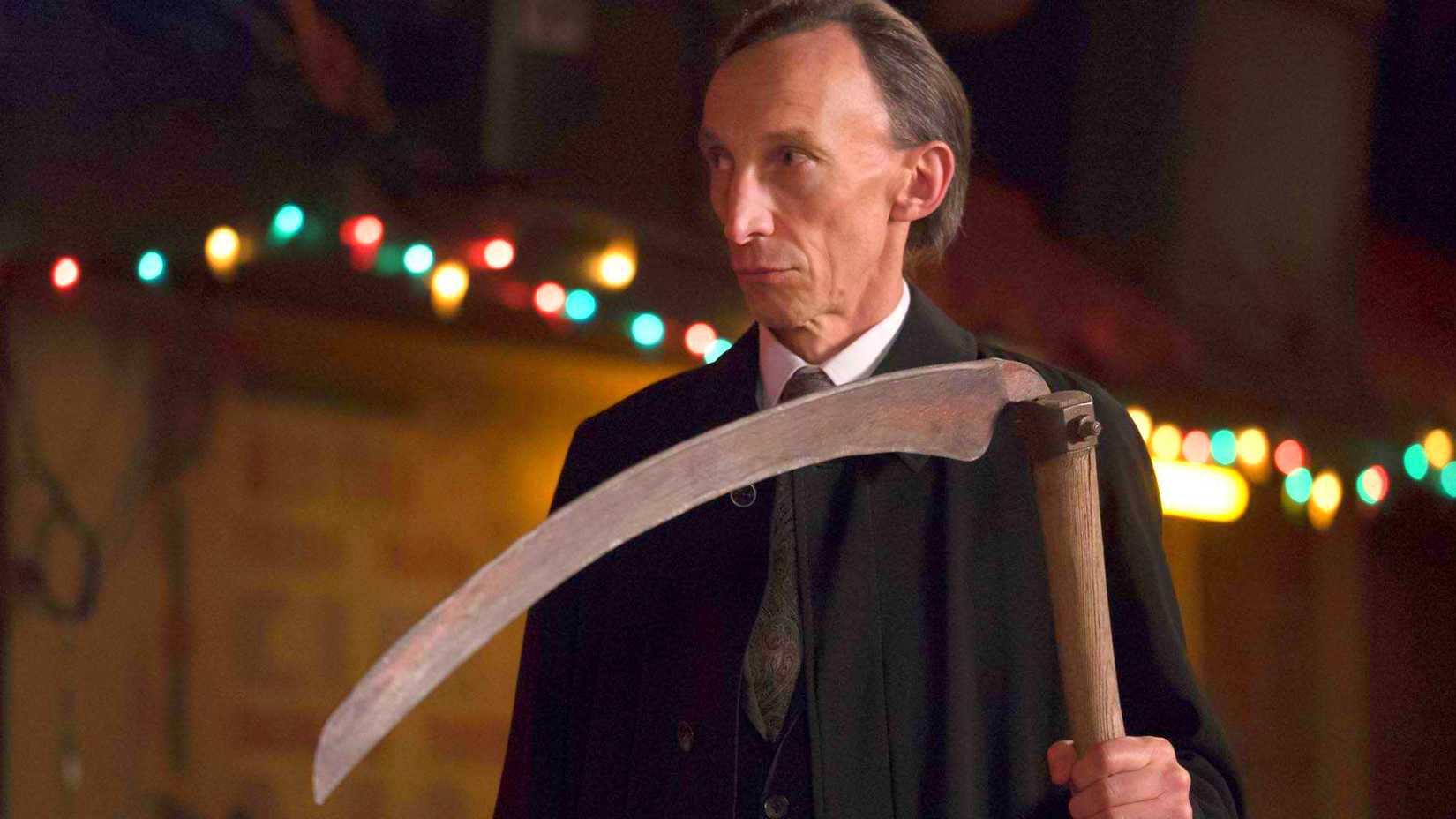
Death debuted in Supernatural Season 5, Episode 21, "Two Minutes to Midnight." Played to perfection by actor Julian Richings, Death's arrival in Supernatural lore comes at a curious, but critical time.
Just as the Winchesters' fight against Lucifer is reaching its apex, the franchise reveals its cosmology is actually much bigger than the show's central conflict.
Death's Introduction Was The Beginning Of The End For "OG" Supernatural, And The Start Of Its Second Act
Death Personified Debuted At The End Of Supernatural's Acclaimed Fifth Season
Hell was always part of the mythology of Supernatural. The show's first "Big Bad" was the demon Azazel. Killing him at the end of the show's second season was a Pyrrhic victory for the Winchesters; the trade-off for revenge against the monster that killed their mother, and Sam's girlfriend Jess, was unleashing a whole host of even deadlier demons upon Earth.
This led to the era widely regarded as Supernatural's greatest: Season 3-5. The Devil himself became the show's "endgame" villain, as his followers attempted, and ultimately succeeded, in freeing him from imprisonment. The heaven side of the equation became just as important during these seasons, with the introduction of angels and God himself.
And then, with just a few episodes left to go in Season 5, "Two Minutes to Midnight" drastically changes Supernatural fans' understanding of its universe with the arrival of Death on the scene. In the short term, Death influences how the "boss fight" at the end of the season plays out, but his introduction has far-reaching consequences for the franchise beyond that.
In Retrospect, The Future Of Supernatural Hinged On Death's First Appearance
How Season 5's "Two Minutes To Midnight" Leveled Up Supernatural Lore

Every longrunning TV series has certain identifiable pivot points, where the show evolves in order to stay alive. These pivotal moments can be shocking twists, abrupt changes in the direction of a show, or they can be more subtle. Moments where the show's lore reaches a breakthrough, telegraphing where it could go moving forward.
The way the tall, pale man walks down the street of Chicago and causes a passerby to drop dead instantly is a chilling and iconic entrance.
Death's first appearance in Supernatural is the latter. Even from the character's breathtaking first scene, he signals a huge expansion of the franchise's scope. Death takes Supernatural beyond the realm of angels and demons by personifying a timeless force of nature itself, opening the door to future seasons' cosmological developments.
What makes Death's intro unforgettable is the way viewers instantly know who he is when he first shows up on screen. If the musical cue of "O Death" isn't enough to give it away, the way the tall, pale man walks down the street of Chicago and causes a passerby to drop dead instantly is a chilling and iconic entrance.
The Arrival Of Death Made Supernatural About More Than Heaven And Hell, Something Later Seasons Ran With
Death's Role In Later Supernatural Stories Undermines His Iconic Debut

Supernatural's first five seasons encompass creator Erik Kripke's original vision for the series. At the end of Season 5, the finale "Swan Song" wrapped up the Lucifer storyline, revealed that God had been hiding in plain sight the entire season, and left viewers on an ambiguous, bittersweet note. It was an all-time-great series finale.
Or at least it was intended to be. Except, of course, Supernatural didn't end there. Far from it. The show went on to run another ten seasons. Consequently, the Supernatural universe continued to get bigger and bigger, weirder and more dangerous. All that traces back to Death's debut in "Two Minutes to Midnight."
In their sit-down at the end of the episode, Death argues that he is older than God, and one day will reap God himself. Of course, Supernatural fans know things don't exactly go as he planned. In fact, in Season 10, Dean kills the personified Death, showing just how wildly Supernatural escalated in its later years.
By The End Supernatural Lost Sight Of Death's Role In Franchise Lore
Part Of The Larger Problem Of Later-Era Supernatural

After Death's Season 10 demise, the role was inherited by one of his reapers, Billie. She would later be killed off as well in Season 15, dying at the hands of "the Shadow," an amorphous evil entity older than all creation that served as an antagonist in Supernatural's twilight years. If that sounds convoluted, that's because it is.
For better or worse, Death's late-Season 5 introduction was the moment on which the eventual fate of Supernatural hinged.
"Two Minutes to Midnight" treats Death with a kind of gravitas. He is involved in mortal affairs, and the affairs of heaven and hell, but he's also above the fray. There to claim the losers, and eventually the winners too. One of the faults of later Supernatural seasons is that it loses sight of this hierarchy.
Which makes it ironic that Death's debut, as great of a moment as it is, is actually what made it possible for Supernatural to eventually undermine his role in the franchise. For better or worse, Death's late-Season 5 introduction was the moment on which the eventual fate of Supernatural hinged.
Created by Eric Kripke
First Episode Air Date September 13, 2005
Spin-offs ghostfacers, Supernatural: The Anime Series, The Winchesters



 English (US) ·