
 4 weeks ago
33
4 weeks ago
33
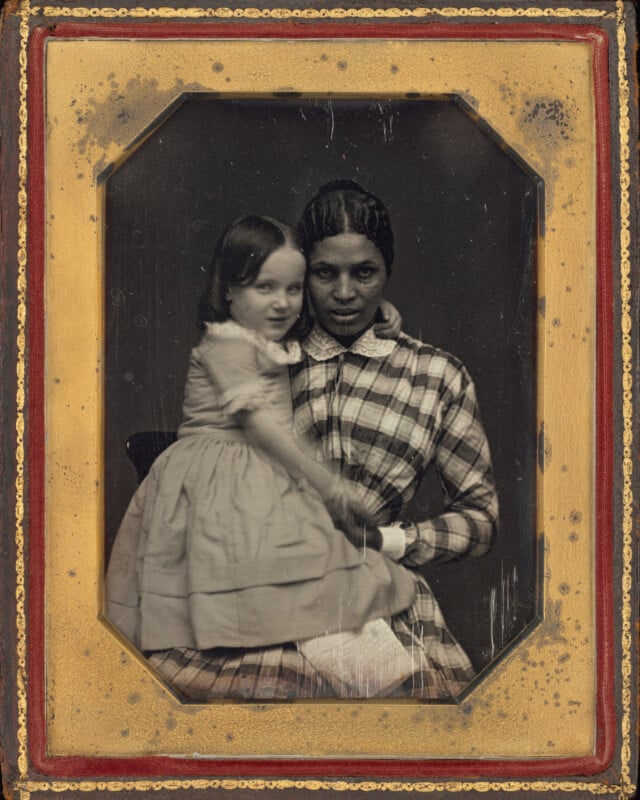 Joseph D. Marsters Portrait of Martha Ann “Patty” Atavis and Anna Whitridge, 1848 | National Gallery of Art, Ross J. Kelbaugh Collection, Purchased with support from the Ford Foundation
The National Gallery of Art has announced an exhibition that will trace African American photographers and portrait subjects from the earliest days of photography.
The upcoming exhibition titled Remember Me: Picturing African Americans in Early Photography charts the evolving understanding of portrait photography as a tool of representation among African Americans in the 19th and early 20th centuries.
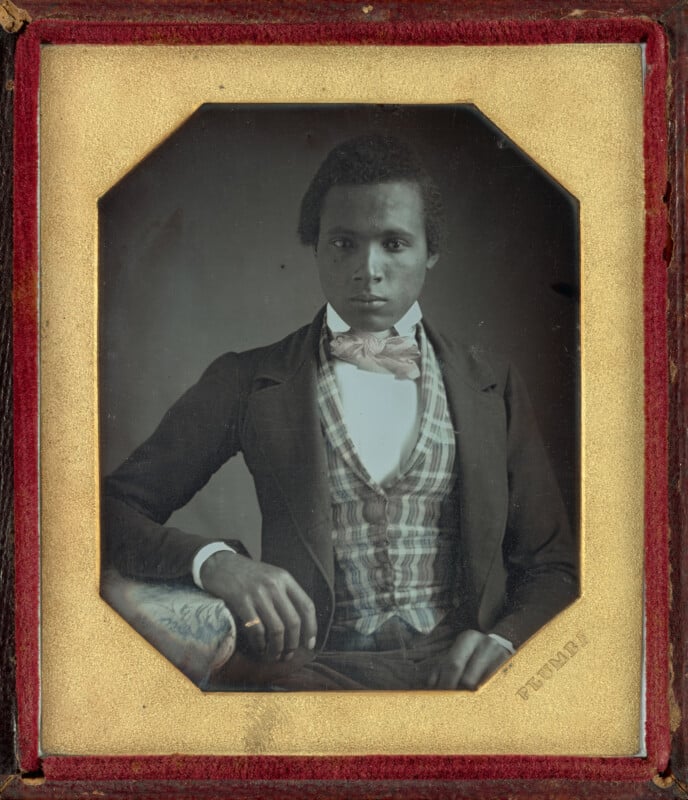 John Plumbe Jr. Portrait of a Man Wearing a Plaid Vest, c. 1850 | National Gallery of Art, Alfred H. Moses and Fern M. Schad Fund
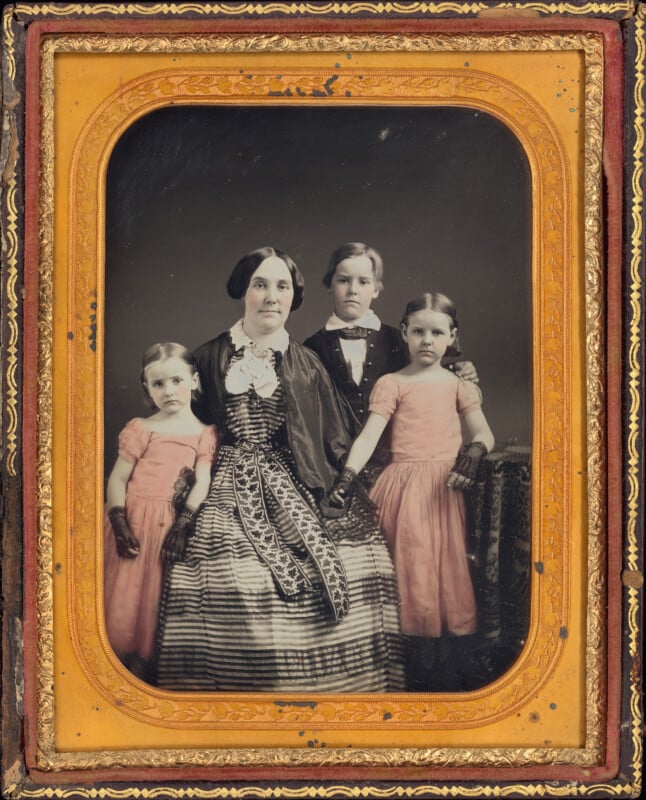 James Presley Ball Portrait of the Hercules Family, c. 1850 | National Gallery of Art, Ross J. Kelbaugh Collection, Purchased with support from the Ford Foundation
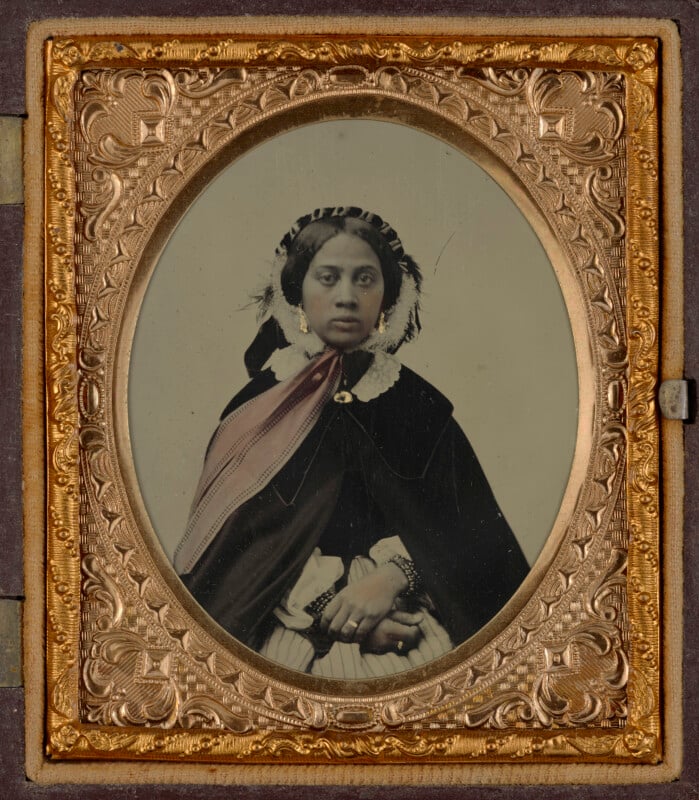 Portrait of a Woman in a Bonnet with Pink Ribbons, c. 1860 | National Gallery of Art, Ross J. Kelbaugh Collection, Purchased with support from the Ford Foundation
Featuring some 70 works drawn from the National Gallery’s collection, the exhibition traces African American photographers and portrait subjects in daguerrotypes in the nascent days of photography’s development, chronicling the evolution of the medium as a means to define Black community, aspiration, and identity. Unfolding over the course of three thematic sections, the exhibition is arranged chronologically and explores how portrait photography was both embraced as a means of self-empowerment and utilized to exert control over representation.
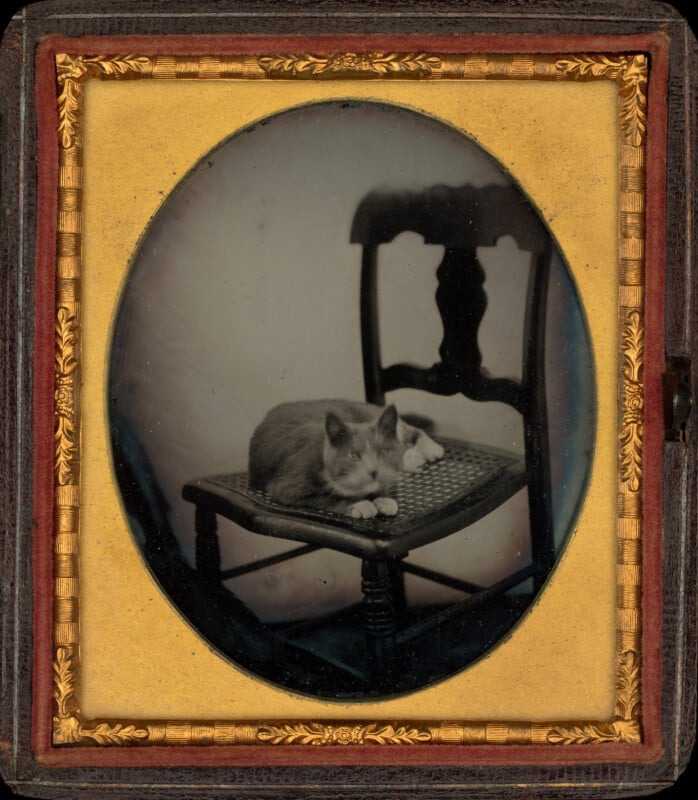 Glenalvin Goodridge Portrait of a Cat, c. 1858 | National Gallery of Art, Ross J. Kelbaugh Collection, Purchased with support from the Ford Foundation
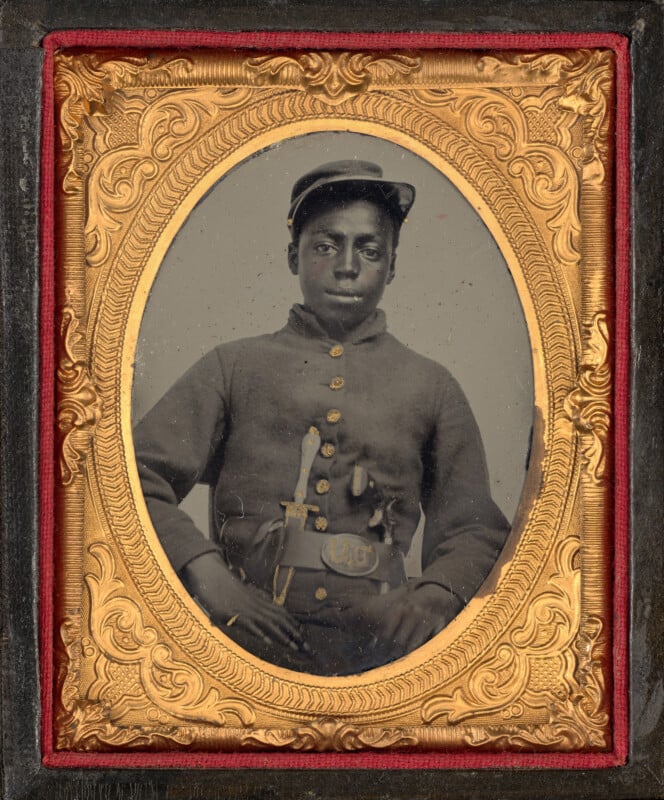 Portrait of a Soldier with a Knife and Gun, c. 1863 | National Gallery of Art, Ross J. Kelbaugh Collection, Purchased with support from the Ford Foundation
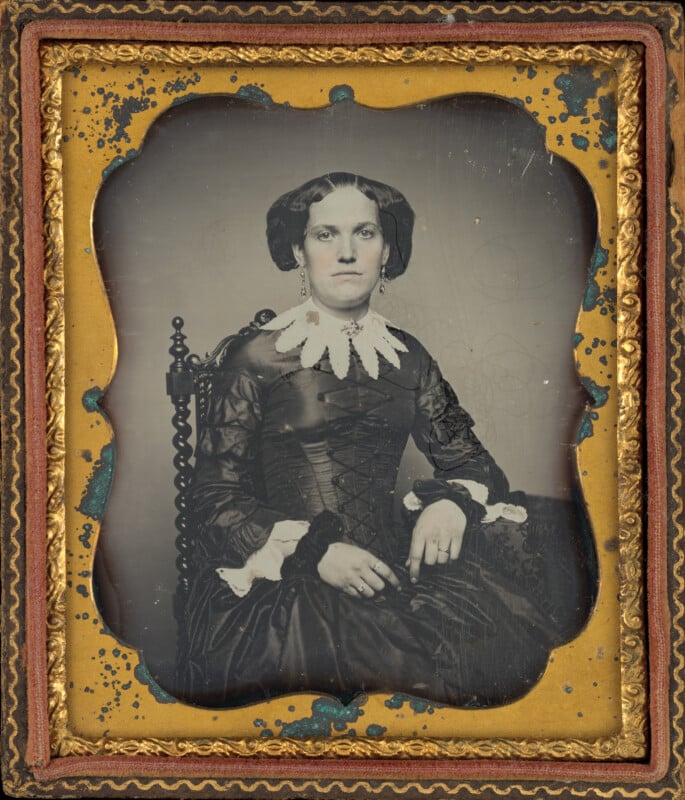 Augustus Washington Portrait of a Woman, c. 1849 | National Gallery of Art, Robert B. Menschel and the Vital Projects Fund
The first section “Black Entrepreneurs” tells the story of James Presley Ball, Glenalvin Goodridge, and Augustus Washington, three leading early African American portrait photographers who established thriving studios soon after the medium was introduced in the United States in the 1840s and 1850s. Ball, Goodridge, and Washington photographed both Black and white clients around the Civil War era. By signing their portraits, which was uncommon among daguerreotypists, they established their authorship of the photographs and highlighted the role of Black entrepreneurship.
The second section “Portraits” explores depictions of African Americans in largely white-owned studios in the years both before and after the Civil War, revealing how photography of the period both reinforced and disrupted stereotypes. Portraits of both free and enslaved men, women, and children on view exemplify the complexities of agency and consent during this time.
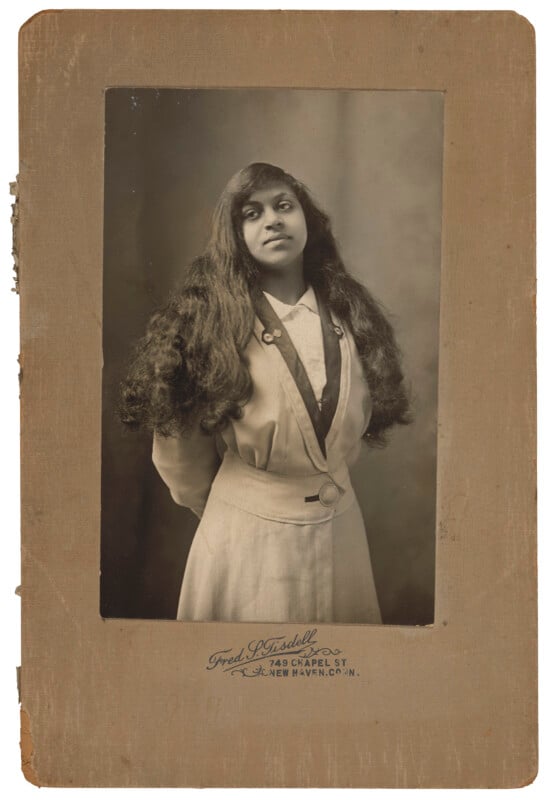 Fred S. Tisdell, Portrait of a Young Woman, c. 1910 | National Gallery of Art, Ross J. Kelbaugh Collection, Purchased with support from the Ford Foundation
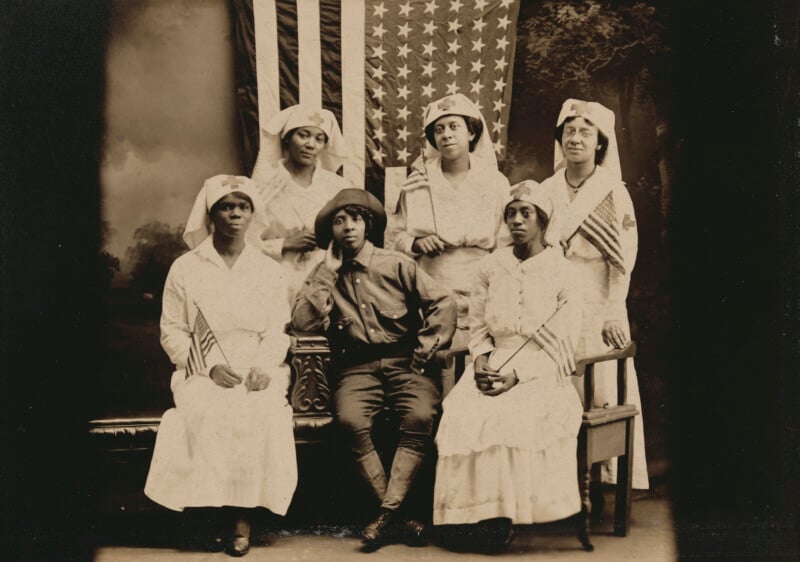 Portrait of Red Cross Nurses, 1918 | National Gallery of Art, Ross J. Kelbaugh Collection, Purchased with support from the Ford Foundation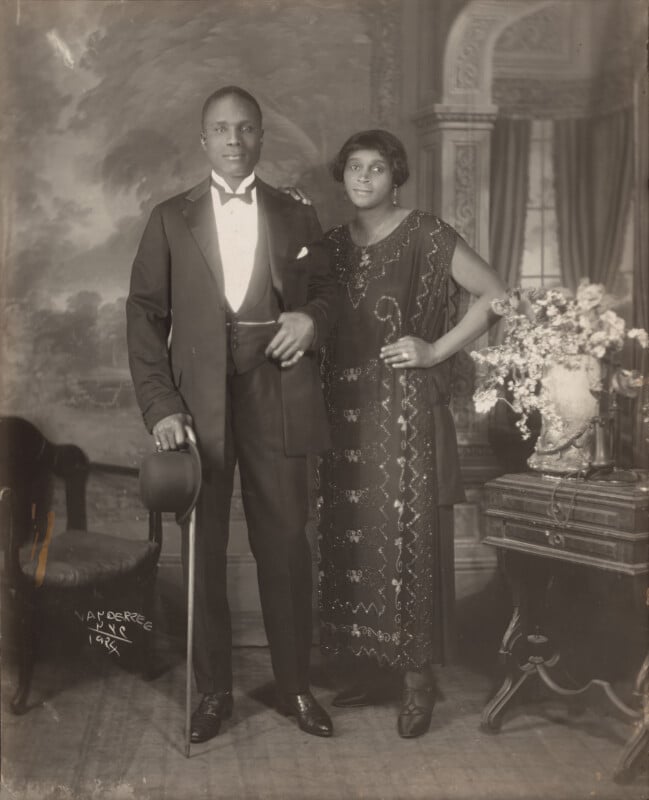
Meanwhile, the final section “Studios” examines the rise of Black-owned studios in the late 19th and early 20th centuries. It presents work by renowned studio photographers such as Addison Scurlock and James Van Der Zee, alongside lesser-known artists, such as G. Addison Turner and Daniel Freeman.
Together, these images tell a broader story of how Black Americans used photography to document their lives, define their public image, and preserve their histories across the late 19th and early 20th centuries.
Remember Me: Picturing African Americans in Early Photography will be on view at the National Gallery of Art in Washington from November 7, 2026, to March 14, 2027.






 English (US) ·