
 2 hours ago
5
2 hours ago
5
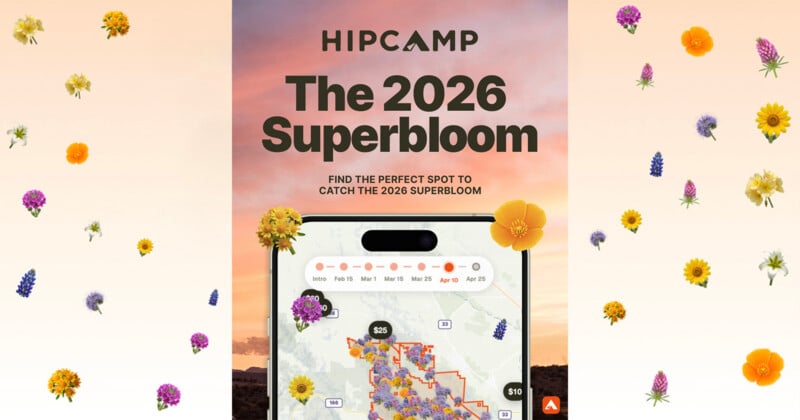
Hipcamp has introduced a new 2026 California Superbloom Forecast, an interactive tool designed to help travelers plan spring camping trips around the state’s highly anticipated wildflower season.
For photographers hoping to capture the vibrant landscapes that define a superbloom year, the new map could prove especially useful. By highlighting likely bloom windows and locations, the forecast pairs naturally with our Photographer’s Guide to Capturing Wildflower Superblooms, helping photographers better plan when and where to travel for the best chances of photographing California’s fleeting displays of color.
The Hipcamp interactive map combines bloom predictions with nearby camping options, allowing roadtrippers and outdoor enthusiasts to identify destinations where wildflowers may be peaking and quickly locate places to stay nearby.
Built using more than 150,000 research-grade observations from iNaturalist collected between 2021 and 2025, the forecast analyzes historical bloom data to predict when and where wildflowers are most likely to appear across California. The goal is to make it easier for visitors to experience California’s short-lived wildflower displays, which can shift dramatically with weather and seasonal rainfall.
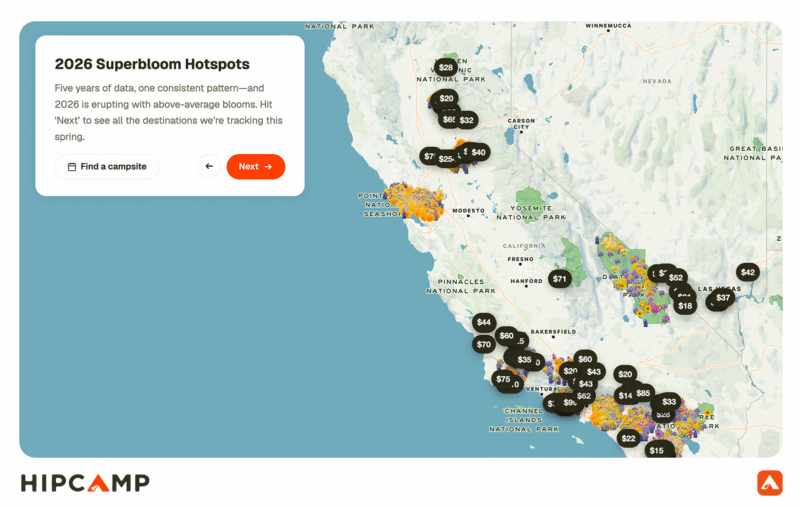


Data-Driven Planning for Wildflower Season
According to Hipcamp, the new forecast pairs bloom likelihood with travel and visitation insights to help users better plan trips to popular destinations during the spring bloom window. The company says the project relies heavily on community science data collected through iNaturalist, where users document plant and wildlife observations that contribute to long-term ecological research.
“When people record what they’re seeing on iNaturalist, they’re contributing to a growing scientific picture of nature over time. That data about what’s blooming where and when is publicly available, which means it can be helpful in all kinds of ways like helping people get to know what’s around them and making an impact for science and conservation,” said Dr. Carrie Seltzer, Head of Engagement at iNaturalist.
Interest in the upcoming bloom season is already translating into increased travel demand. Hipcamp reports that spring bookings are up 64 percent year over year for trips to Death Valley. Reservations have also climbed 22 percent across the greater San Diego region, including areas around Anza-Borrego Desert State Park, and 19 percent around the greater Los Angeles area, including the Santa Monica Mountains.
“All the search and booking activity we’re seeing on Hipcamp says people really want to see this in person,” said Alyssa Ravasio, founder and CEO of Hipcamp.
“But catching blooms in full glory is notoriously hard to time. That’s why we built the California Superbloom Forecast so you can plan a weekend away with better odds, camp nearby, and enjoy it responsibly.”

New Wildflower Discovery Tools in the Hipcamp App
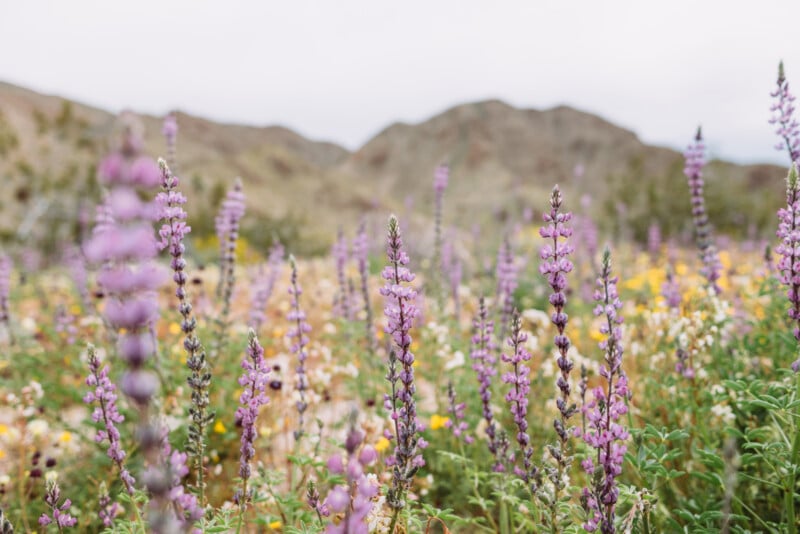
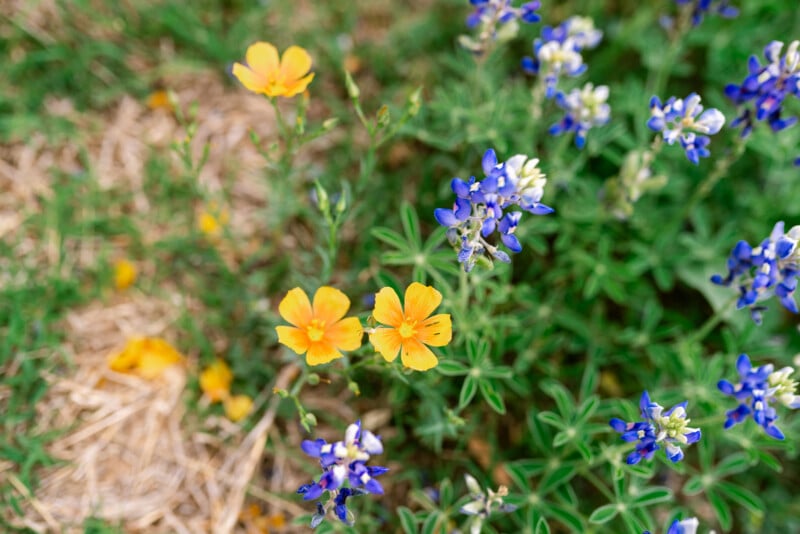
In addition to the forecast map, Hipcamp has added a new wildflower map layer directly within its app. The feature overlays wildflower hotspots across California using the same observation data used in the forecast, allowing users to see bloom locations while browsing camping options.
The integrated approach helps travelers quickly identify areas where wildflowers may be in bloom while also finding nearby campsites. Because many superbloom events occur in remote or natural landscapes, proximity to camping options can play a significant role in planning successful visits.

Encouraging Responsible Wildflower Tourism
Wildflower seasons often draw large crowds to fragile ecosystems, particularly in desert regions where blooms can be especially dramatic following rainy winters. Hipcamp says it encourages visitors to explore responsibly by staying on designated trails, respecting area closures and access restrictions, packing out trash, and following established Leave No Trace principles.
By combining bloom predictions with campsite discovery tools, the company hopes to give travelers better ways to experience wildflower seasons while helping protect the habitats that support them.
Hipcamp’s 2026 California Superbloom Forecast and wildflower discovery features are available now through the Hipcamp website and mobile app.
Image credits: Hipcamp








 English (US) ·