Where film is a director’s medium, television has always been considered a writer’s medium. A master storyteller like David Chase or David Simon or Vince Gilligan can let their rich, layered, complicated narratives unfold over several years. Traditionally, film has been a lot more visually exciting than television. Since TV was originally designed for tiny, flickery screens, cinematography wasn’t exactly a top priority. Dramas were typically shot with very standard coverage, and sitcoms used a very rigid three-camera setup on a three-walled set, and if you wanted to see gorgeous visuals or big special effects, you had to go to a movie theater.
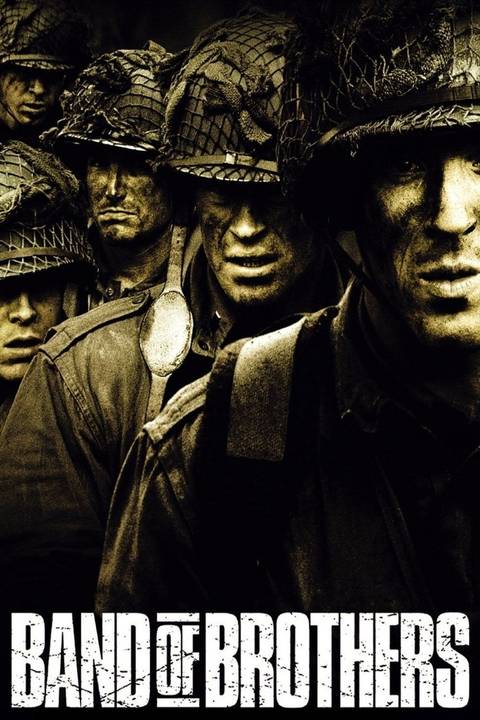
This trend of cinematic television can be traced back to one show in particular. Band of Brothers isn’t just the show that established HBO as the king of the miniseries format; it’s also the show that introduced movie-level production values to television.
Band Of Brothers Was The First TV Show With Cinematic Production Values
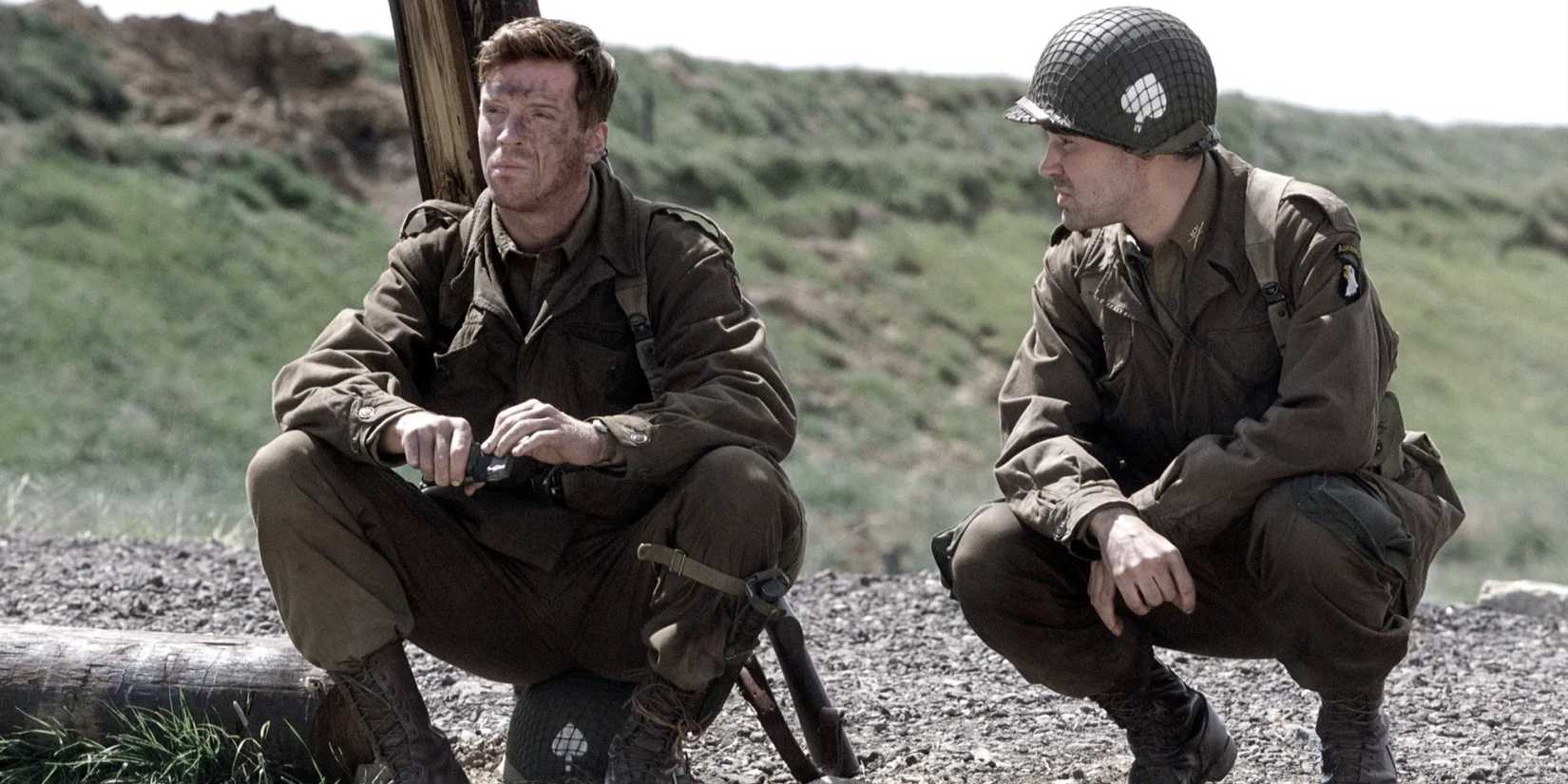
After making one of the greatest war movies of all time with Saving Private Ryan, Steven Spielberg and Tom Hanks returned to the battlefields of World War II to executive-produce Band of Brothers, dramatizing the exploits of “Easy” Company on the Western Front. Over the course of 10 episodes, the series takes these boys from the D-Day landings all the way up to their occupation of Berchtesgaden.
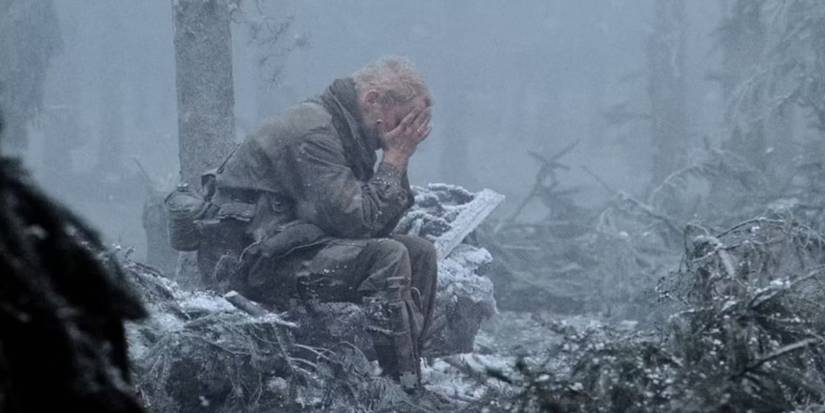
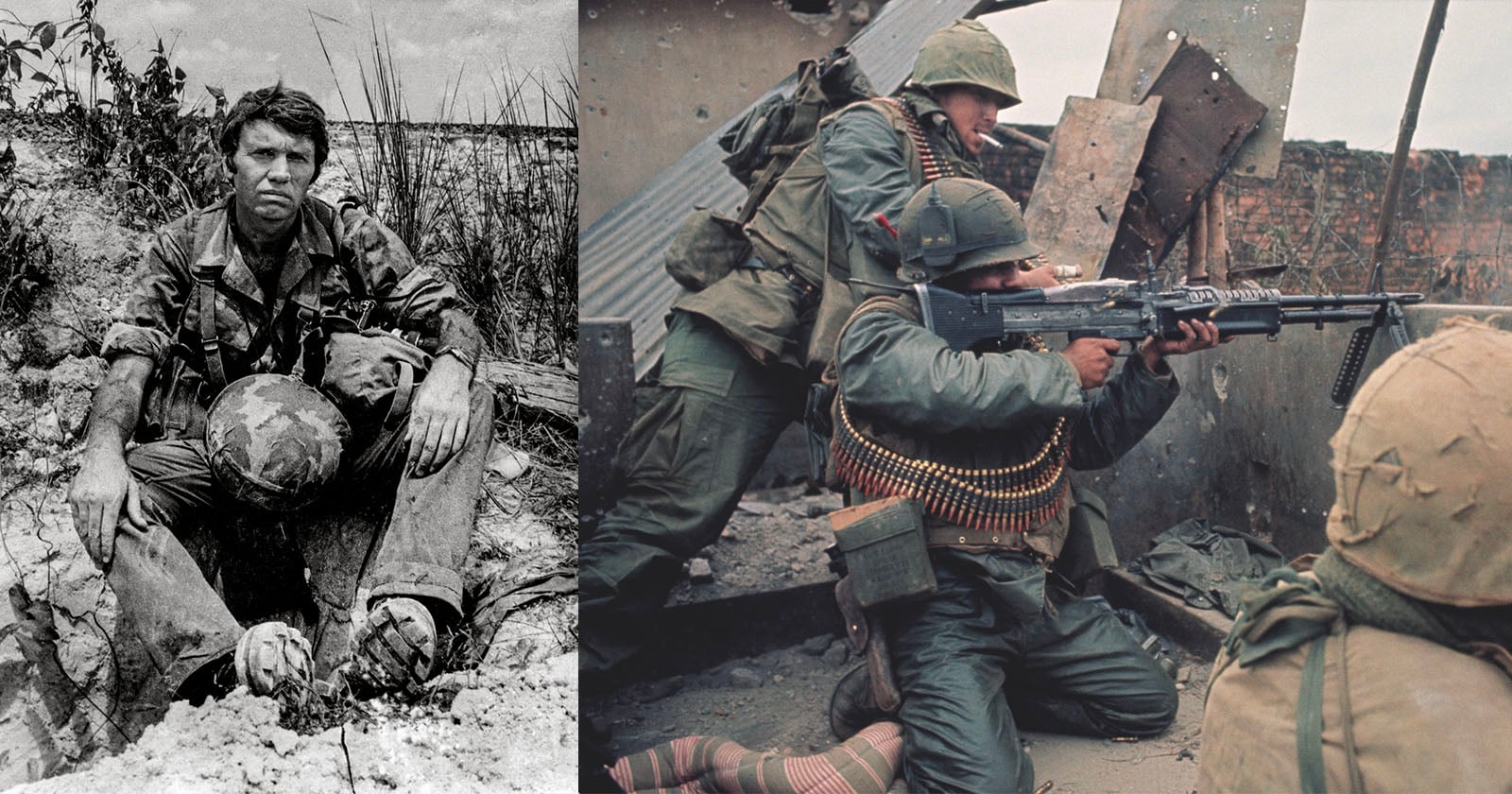
With a blockbuster $125 million budget (via CinemaBlend), Band of Brothers was able to really push the boat out visually. It really captures the scope and scale of the conflict, just as effectively as a big-budget movie like Saving Private Ryan or The Longest Day or Dunkirk. You see just how much firepower the Allies brought into enemy territory, and just how much resistance they were met with (it wasn’t an easy one to win). The firefights have a relentless intensity, and the production had access to all the military vehicles and prop artillery it needed to fully immerse us in the fog of war.
It really hammers home that these guys are just small cogs in a much bigger war machine. In one of the miniseries’ most powerful episodes, Easy Company liberates a concentration camp, and just seeing the size of the camp, and the condition of the prisoners left behind, conveys the haunting scale of the atrocities committed. None of this would’ve been possible on a standard TV budget, with standard TV coverage.
Band Of Brothers Is Like A Classic War Movie With 8 Extra Hours To Develop The Camaraderie
Band of Brothers feels like a classic war movie, except it has a lot more time to develop its characters and dig into their relationships. Just like Saving Private Ryan, and like most war movies, it captures the brotherhood between the soldiers, and the unbreakable bonds that form between them under these extreme circumstances. But unlike Saving Private Ryan, it’s not limited by a feature-length runtime. Band of Brothers is like Saving Private Ryan if time wasn’t a factor. It has eight extra hours to sink its teeth into the camaraderie between these guys, and the writers put that time to good use.
HBO has become the first name in cinematic miniseries. From Chernobyl to Watchmen to Mare of Easttown to the first season of True Detective, HBO’s library is filled with cinematic masterpieces you can binge in a weekend. But Band of Brothers is the cinematic weekend-binge masterpiece that started it all.
Source: CinemaBlend
Release Date
2001 - 2001
Network
HBO
Directors
David Frankel, David Nutter, Mikael Salomon, Phil Alden Robinson, Richard Loncraine, Tom Hanks
Writers
Bruce C. McKenna, Graham Yost, John Orloff
-

Damian Lewis
Richard D. Winters
-

Donnie Wahlberg
C. Carwood Lipton







 English (US) ·