
 Image via Max
Published Aug 1, 2026, 5:47 PM EDT
Nate Williams is a longtime tech and entertainment writer based in the Midwest. He covers movies and TV for Collider. Since 2016, his work has appeared on such sites as MakeUseOf, SlashGear, and ComingSoon.net, among others. When not actively working, you'll likely find him seeing a new movie or reading an old book. (Or vice versa.)
With four seasons of True Detective in the bag and a fifth on the way, it’s crazy to think the show wasn't even supposed to be an anthology series at all — at least, not the way we know it to be. Creator Nic Pizzolatto originally imagined the story as a literary follow-up to his 2010 crime novel Galveston, with the pitch being to continue exploring the morally gray world he had already built on the page. That idea ultimately never materialized, but traces of it remain woven throughout what became one of HBO's defining original dramas.
Knowing this actually helps explain why all four seasons of True Detective — and especially its first season — feel fundamentally different from most television crime procedurals. Rather than functioning as a traditional mystery driven by weekly clues and shocking twists, the series unfolds like a sprawling literary novel in and of itself: one that prioritizes psychology, philosophy, and character as much as the identity of its killer. That unusual foundation is precisely what elevated it into one of the greatest detective series television has ever produced.
'True Detective' Was Originally Planned as a Sequel to 'Galveston'
Before turning his attention fully to television, Pizzolatto had already established himself as a novelist. Following the publication of his acclaimed short story collection Between Here and the Yellow Sea, he released Galveston in 2010. It’s a crime novel filled with damaged antiheroes, existential themes, and lyrical prose… in other words, everything people love to binge True Detective for. Rather than abandoning that literary world, Pizzolatto wanted to go deeper into it and make True Detective serve as Galveston’s narrative successor.
As development continued, however, he realized the project had grown beyond the boundaries of just one novel. The shifting timelines, multiple perspectives, and increasingly ambitious structure simply demanded something entirely different. Television gave Pizzolatto something books couldn’t: hours of space for storytelling that could gradually reveal decades of emotional and psychological change on-screen. That realization fundamentally reshaped the project.
Pizzolatto pitched the series as an adaptation of Galveston to studio executives while simultaneously drafting what would become the beloved True Detective pilot. HBO officially ordered an eight-episode first season in 2012, and Pizzolatto got to work on the 500+ page script — an unconventional approach more in the spirit of an enormous novel than eight separate television scripts. (An official Galveston movie, starring Elle Fanning, came later in 2018.)
'True Detective' Feels Like Its Own Interconnected Series of Crime Novels
Watching Season 1 of True Detective today, it's easy to see the fingerprints of its literary origins. Rather than relying on standard procedural formulas, the narrative jumps between 1995, 2002, and 2012, slowly reconstructing both the murder investigation and the emotional deterioration of its protagonists. The structure mirrors the experience of reading an ambitious novel, where timelines gradually intersect, and characters become more fully understood with every chapter.
Iconic duo Rust Cohle (Matthew McConaughey) and Marty Hart (Woody Harrelson) are also much more deeply flawed than your typical TV leads. Their relationship evolves far more like protagonists in literary fiction than traditional television heroes. Years of resentment, betrayal, loyalty, and reluctant respect accumulate naturally across the show's expansive timeline, giving emotional weight to nearly every conversation. Ironically, abandoning the original novel may have strengthened Pizzolatto's creative ambitions rather than limiting them. Because True Detective evolved into an anthology, each season could function like an entirely separate novel instead of forcing one continuing storyline.
Later seasons brought in new characters (and, in the case of the fourth season, a new showrunner in Issa López), but all still retain this literary feeling of a self-contained story with new detectives, settings, and themes while maintaining. The anthology structure gives every season room to explore different corners of crime fiction without becoming repetitive and without abandoning the introspective storytelling that originated with the sequel Pizzolatto originally envisioned. That interconnectedness across all seasons continues to define the series more than a decade after its debut.
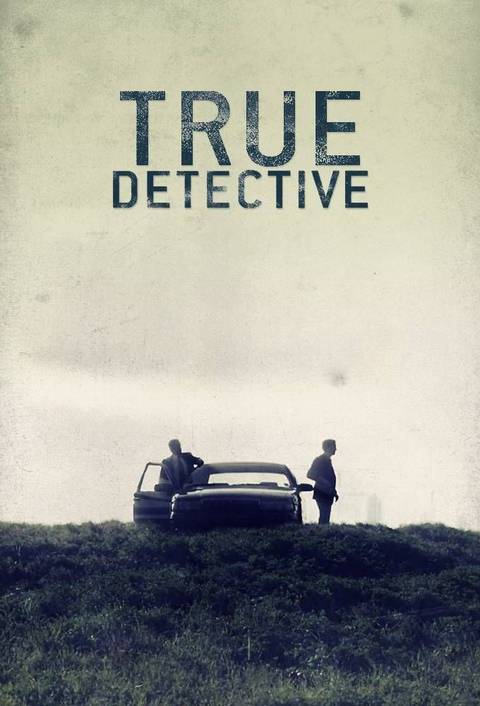
Release Date January 12, 2014
Network HBO Max
Showrunner Nic Pizzolatto
Directors Cary Fukunaga
Writers Nic Pizzolatto





 English (US) ·