
 Via MovieStillsDB
Published Aug 28, 2026, 9:00 AM EDT
Ben Sherlock is a Tomatometer-approved film and TV critic who runs the massively underrated YouTube channel I Got Touched at the Cinema. Before working at Screen Rant, Ben wrote for Game Rant, Taste of Cinema, Comic Book Resources, and BabbleTop. He's also an indie filmmaker, a standup comedian, and an alumnus of the School of Rock.
The final episode of Game of Thrones proved to be one of the most polarizing endings in television history. How I Met Your Mother fans had been disappointed by the mother’s untimely death, and Sopranos fans had been disappointed by the show’s abrupt cut to black, but that was nothing compared to the crushing disappointment of being a Game of Thrones fan during its last season.
Showrunners David Benioff and D.B. Weiss had already run out of books to adapt, and they were already looking for a quick getaway because they’d signed a deal with Lucasfilm, so they raced through the bullet points of George R.R. Martin’s loose story outlines in a truncated final season, and audiences everywhere were bitterly underwhelmed. We couldn’t see the climactic battle we’d been waiting so long to see, because it was lit so poorly that the whole thing played out on a black screen. Daenerys went full-tilt mass murderer at the drop of a hat, and Bran Stark of all people wound up on the Iron Throne.
It’s hard to overstate just how disheartening it was to be a Game of Thrones fan in 2019, watching that final season. But what if Game of Thrones aired a decade earlier? There was a very different climate around the pop culture landscape in 2009, and Game of Thrones season 8 might not have been treated so harshly.
2010 Changed The Discourse Around Series Finales

If Game of Thrones had aired a decade earlier, and we got its series finale in 2009, it would’ve been a very different story. The climate around series finales changed drastically when Lost ended in 2010. Lost was the first show of its kind, with so much resting on a highly anticipated ending. Twin Peaks and The Prisoner had both experimented with Lost-style mystery-box storytelling before Lost, but their final episodes weren’t expected to be a big, climactic culmination like Lost’s was.
Lost unfairly became a byword for “bad ending” for a decade after it ended. There was suddenly so much pressure for a series finale to stick the landing and pay off years’ worth of investment. If it didn’t tie up every loose end or answer every mystery, then it was deemed a failure, just like Lost, and the entire show was retroactively deemed a failure.
Back in the day, TV shows just ended. There was no fanfare around a series finale; the show just didn’t come back the next week. At the end of Quantum Leap, Scott Bakula never made the leap home; we just stopped seeing his adventures, because NBC stopped airing them. That all changed with the final episode of Lost. J.J. Abrams’ signature “mystery box” style of storytelling had left Lost with dozens of unanswered questions and unexplained mysteries that the final episode had to resolve. Everyone had their theories — it was all a dream, they were dead the whole time, etc. — and if the actual ending didn’t line up with their headcanon, they were disappointed.
After Lost, audiences started judging series finales a lot more harshly. In the olden days, a show like Dexter wouldn’t need an extravagant ending. It would be an episodic show about a serial killer who only kills other serial killers, and it would eventually just sort of end. But in a post-Lost era, Dexter needed a big, momentous series finale with a twist ending, and it arguably ruined the entire series in retrospect.
After Lost, a final episode could make or break an entire series. A show that had been hailed as one of the greatest achievements on television for years could suddenly be labeled a disaster and banished from the cultural zeitgeist if the ending was a disappointment. Case in point: Dexter, and Game of Thrones.
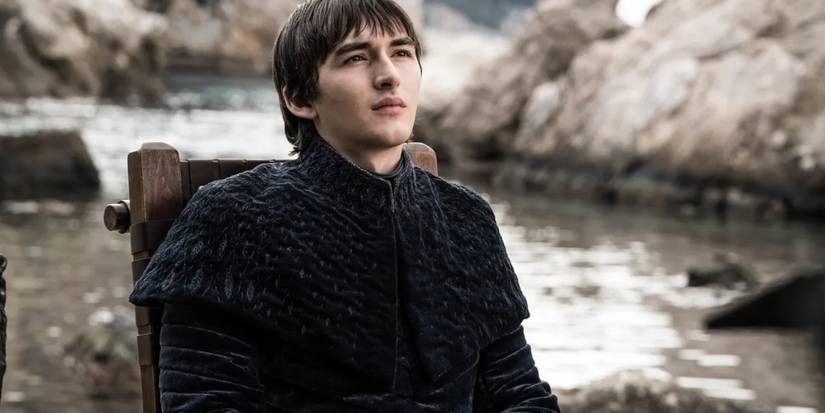
The proliferation of social media played a big role in the controversy surrounding Game of Thrones’ ending. Sites like Twitter and Reddit were rife with furious fans, registering their disgust throughout the world. It would’ve been a completely different story if Game of Thrones had ended in 2009. In that dying MySpace/early Facebook era, we hadn’t quite hit the algorithm age of echo chamber opinions.
A decade earlier, when Lost ended, there was plenty of vitriol online, but it was mostly confined to specialty blogs and dedicated fan forums. The backlash to the Game of Thrones finale, on the other hand, was deafening. Even people who didn’t watch Game of Thrones heard about how bad the ending was. This created a consensus that Game of Thrones’ ending was terrible, and even people who didn’t see the finale jumped on the bandwagon. Much like with The Marvels and Joker: Folie à Deux, a lot of the haters didn’t even see it.
Game Of Thrones' Finale Had Much Room For Improvement, But Wasn't Terrible
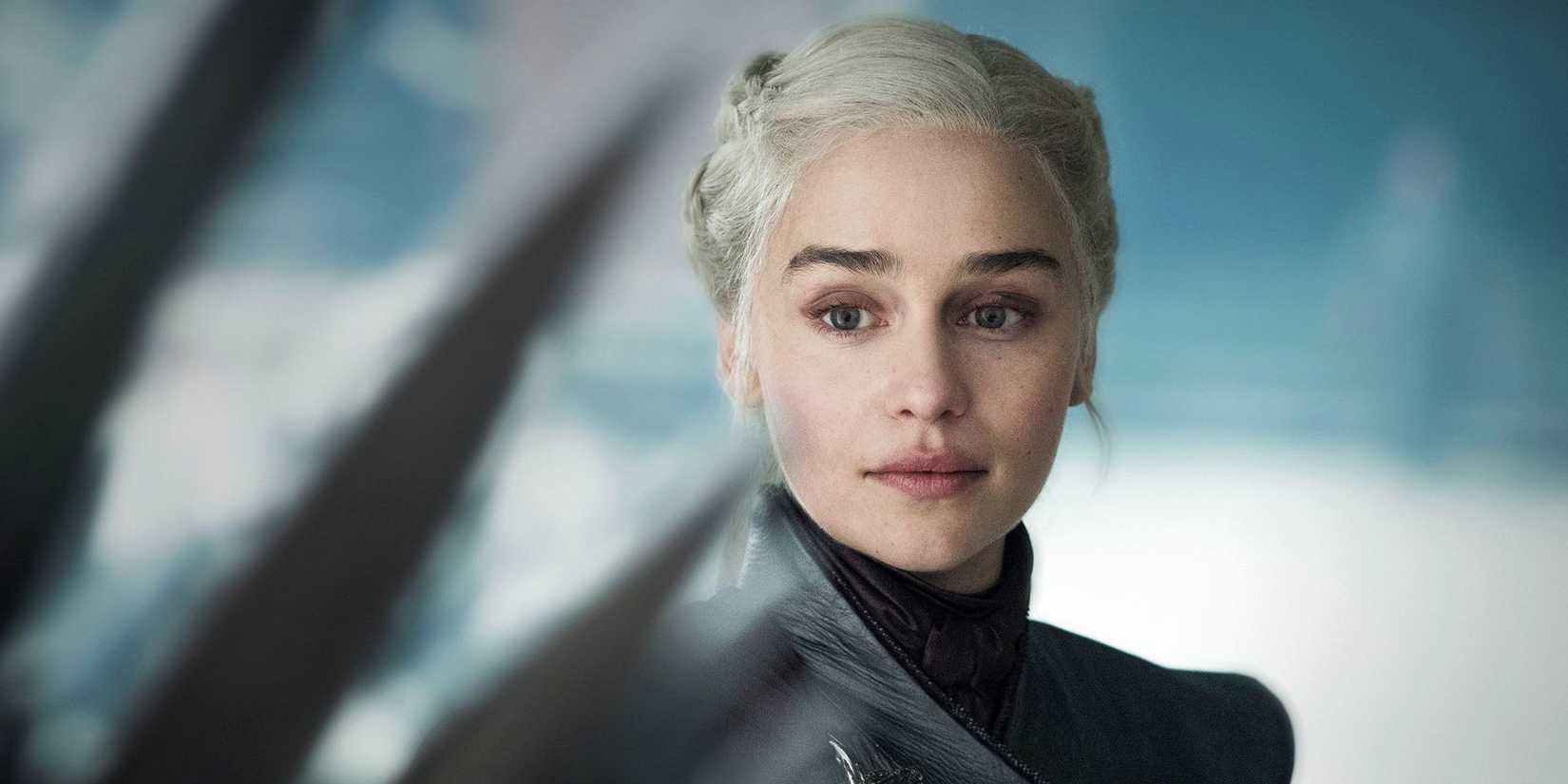
Game of Thrones’ series finale was far from perfect, but it wasn’t the outright disaster that the Two and a Half Men finale was. If it aired in 2009 as opposed to 2019, when social media was still in its infancy and trolls were still mostly hiding in their caves, I can imagine people being mildly underwhelmed by the ending, rather than utterly outraged. Say what you will about Game of Thrones’ final episode, but it did at least answer the question that the series posed at the beginning: who will claim the Iron Throne and rule the Seven Kingdoms?
Benioff and Weiss might have been too preoccupied with being unpredictable. They tried to come up with an ending that no one would see coming, instead of just going with the ending that felt right. Billy Butcher’s climactic beatdown of a depowered Homelander was the most obvious way for The Boys to end, but it didn’t make Homelander’s demise any less satisfying. No one would guess that Bran would end up on the Iron Throne, because it’s such a ridiculous notion.
But at least it was a definitive ending. It wasn’t pandering fan service, and it wasn’t a creative compromise with meddling executives. For better or worse, the creators of Game of Thrones gave it the ending they wanted, which is more than can be said for most TV shows.
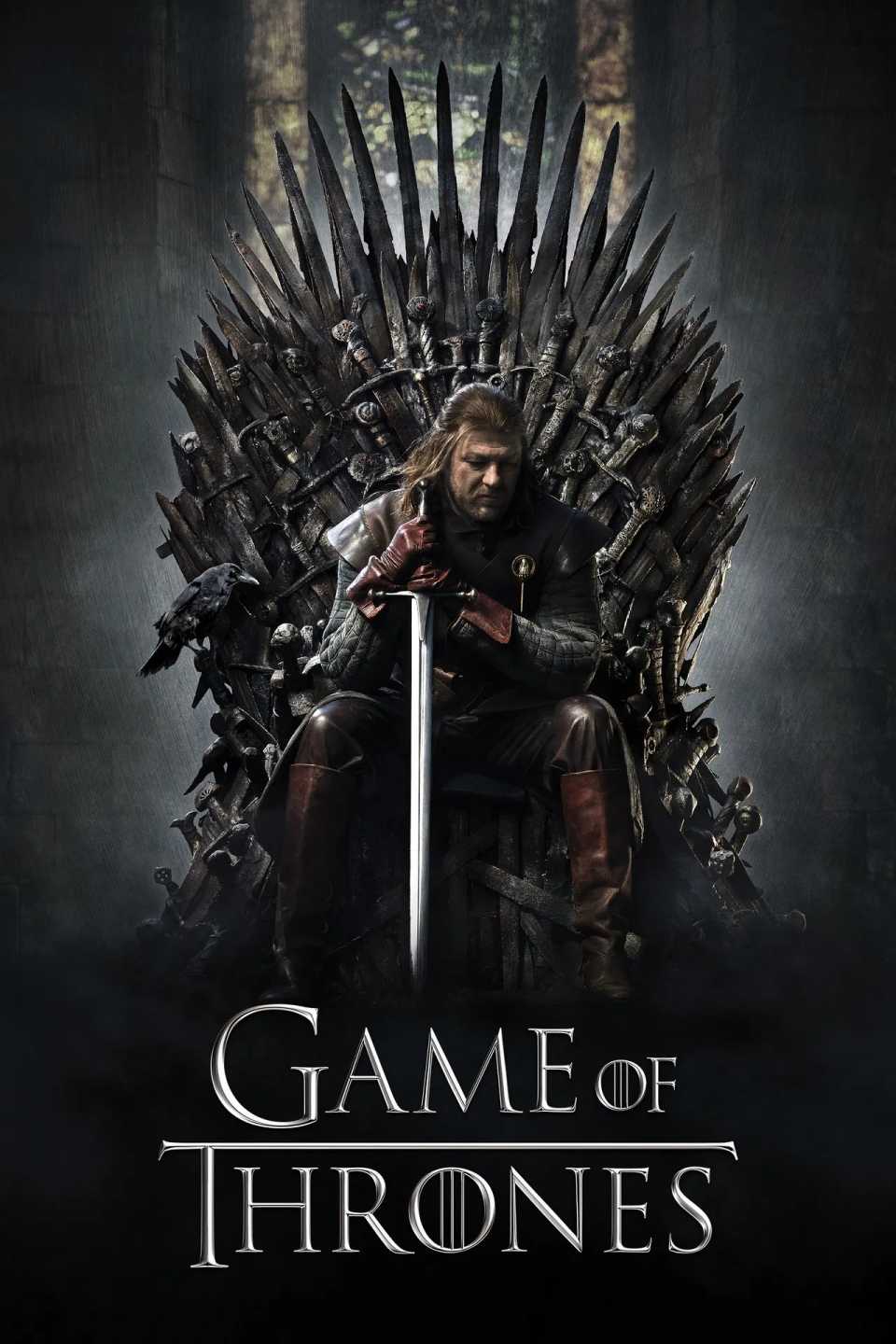
Game Of Thrones

10/10
Release Date 2011 - 2019-00-00
Showrunner David Benioff, D.B. Weiss
Directors David Nutter, Alan Taylor, D.B. Weiss, David Benioff
-

-

Isaac Hempstead Wright
Brandon Bran Stark






 English (US) ·