Half of planned US data center builds have been delayed or canceled, growth limited by shortages of power infrastructure and parts from China — the AI build-out flips the breakers
3 hours ago
3
(Image credit: Google)
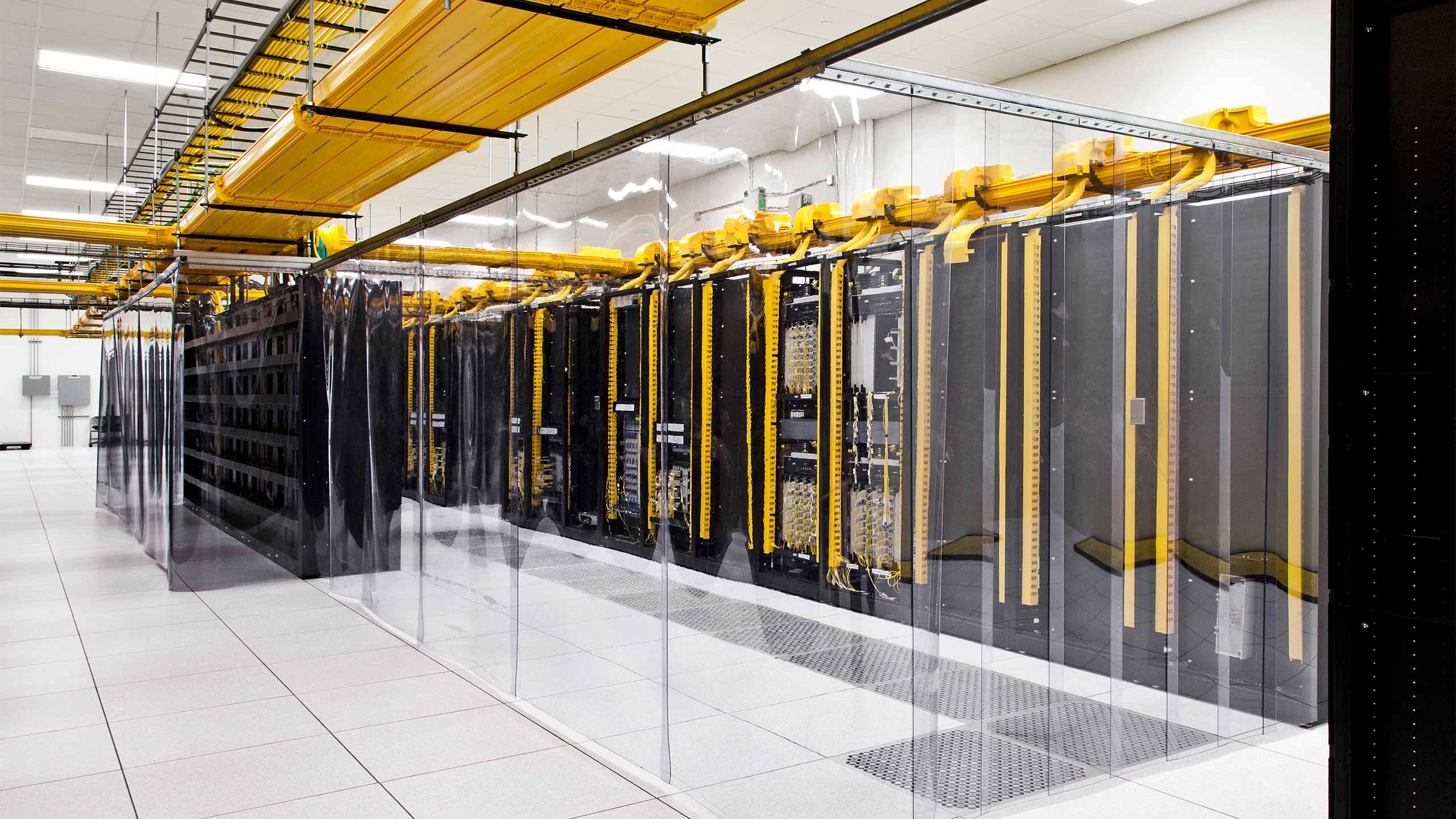
The trade-war between the U.S. and China has forced server makers out of the People's Republic, greatly reducing reliance of American companies on producers from Tianxia. However, China remains the world's largest producer of electrical equipment that is required to build power infrastructure inside and outside of AI data centers. To that end, shortages of power delivery equipment, including devices from China and other countries, are slowing project timelines, Bloomberg reports.
Despite the unprecedented level of investment in AI infrastructure — Alphabet, Amazon, Meta, and Microsoft are expected to spend more than $650 billion in 2026 to expand AI capacity — close to half of the planned U.S. data center builds this year are projected to be delayed or canceled, according to Bloomberg. One major reason behind these setbacks is the availability of key electrical components — such as transformers, switchgear, and batteries — that are used both at data center sites and outside of them, as AI companies must expand grid infrastructure to supply enough power to their data centers. Meanwhile, grid infrastructure is also stressed by electric vehicles and electrified heating systems.
Approximately 12 gigawatts (12 GW) of data center capacity is expected to come online in the U.S. in 2026, according to data by market intelligence firm Sightline Climate cited by Bloomberg. Yet only about one-third of that capacity is currently under active construction because of various constraints.
Article continues below
Electrical infrastructure represents less than 10% of total data center cost, but it is as vital as compute hardware. A delay in any single element of the power chain can halt the entire project, which makes transformers, switchgear, and similar devices critical items despite their relatively small share of CapEx.
Due to high demand, lead times for high-power transformers have expanded dramatically in the U.S.: delivery typically took 24 to 30 months before 2020, but waiting periods can stretch to as long as five years today, according to Sightline Climate cited by Bloomberg. For AI data centers, this is a catastrophe as their deployment cycles are under 18 months.
To address shortages, companies are turning to global markets. As a result, Canada, Mexico, and South Korea became the biggest suppliers of high-power transformers for AI data centers to AI data centers. At the same time, imports of high-power transformers from China surged from fewer than 1,500 units in 2022 to more than 8,000 units in 2025 through October, according to Wood Mackenzie data cited by Bloomberg.
The volatility of exports from China does not end with transformers, as the PRC accounts for over 40% of U.S. battery imports, while its share in certain transformer and switchgear categories remains near 30%, according to Bloomberg.
Get Tom's Hardware's best news and in-depth reviews, straight to your inbox.
Without resolving constraints in transformers, switchgear, and batteries, even trillions of dollars in AI investment may not translate into actual AI capacity, as deployments will depend on power infrastructure availability, not capital or compute hardware constraints.
Despite a decade of reshoring initiatives, U.S. manufacturing capacity for electrical equipment remains insufficient, which means that AI companies continue to rely on imports even amid tariffs and national security concerns. Meanwhile, tensions between China and the U.S. threaten to further disrupt supply chains, which will raise costs and could delay deployments of advanced AI data centers.
Anton Shilov is a contributing writer at Tom’s Hardware. Over the past couple of decades, he has covered everything from CPUs and GPUs to supercomputers and from modern process technologies and latest fab tools to high-tech industry trends.
Half of planned US data center builds have been delayed or canceled, growth limited by shortages of power infrastructure and parts from China — the AI build-out flips the breakers

 3 hours ago
3
3 hours ago
3






 English (US) ·