
 2 weeks ago
30
2 weeks ago
30

Published Aug 8, 2026, 10:00 AM EDT
Though a new dawn may be breaking again
 Image: Camelot Software Planning/Nintendo
They just don't make games like Golden Sun anymore. After Camelot and Nintendo released the much-lauded RPG for the Game Boy Advance in August 2001, the genre began a slow decline both in volume and innovation. The genre shrank, and its eventual regrowth, in trying too hard to recapture past glories, has largely fallen short. Which is a shame. Golden Sun deserves every bit of praise heaped on it, as one of the only examples of a modern (at the time) RPG that built on its inspirations and turned them into something wholly new and captivating.
Golden Sun's premise is simple. A bunch of fabulously dressed rogues want to reignite conduits for elemental energy called lighthouses. Except that's a bad thing, or so you're told. It could destabilize the world, and since the baddies' actions cause a cataclysmic disaster in a small village at the start of the game, it seems pretty clear they should be stopped. They kidnapped a couple of folks too, which is usually not what nice people do.
 Image: Camelot Software Planning/Nintendo
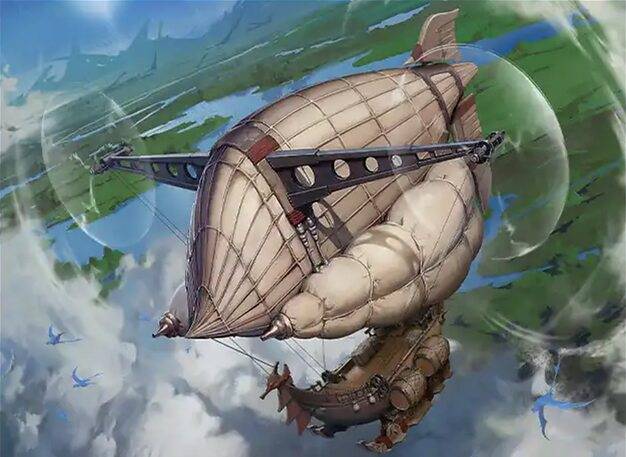
So Isaac and Garret, childhood friends from the village where the disaster happened, set out to stop them and rescue the kidnapped. They meet a shy wind mage and a spiky cleric along the way and run into a lot of really weird stuff. Talking trees that magically drug an entire village. Sea monsters. A traitorous healer who may or may not be from a place a lot like the legends of Atlantis. Pirates and evil bandits and magic monks. And most important of all, magical Djinn, elemental spirits that grant our heroes special powers for use in and out of battle. As disjointed as it all seems, Camelot deserves credit for giving this world and its oddities an unshakable logic that never shatters your sense of suspended belief.
Golden Sun had everything that qualified an RPG for "great" status.
- A completely fresh setting and story
- A big world map with good incentive to explore
- Well-designed puzzles
- Flexible character building with a lot of viable possibilities
- Deep, but fast turn-based battles
- Optional superbosses
- Exceptional visual and audio direction
Sure, it might've borrowed generously from some of the all-time greats. You could draw a mostly unbroken line between Golden Sun's Djinn and Final Fantasy V's character classes, for example, and world maps and superbosses were hardly unique to Golden Sun. The big difference — the thing that set Golden Sun apart, that we don't get much of anymore — is how original it all is, despite shared heritage.
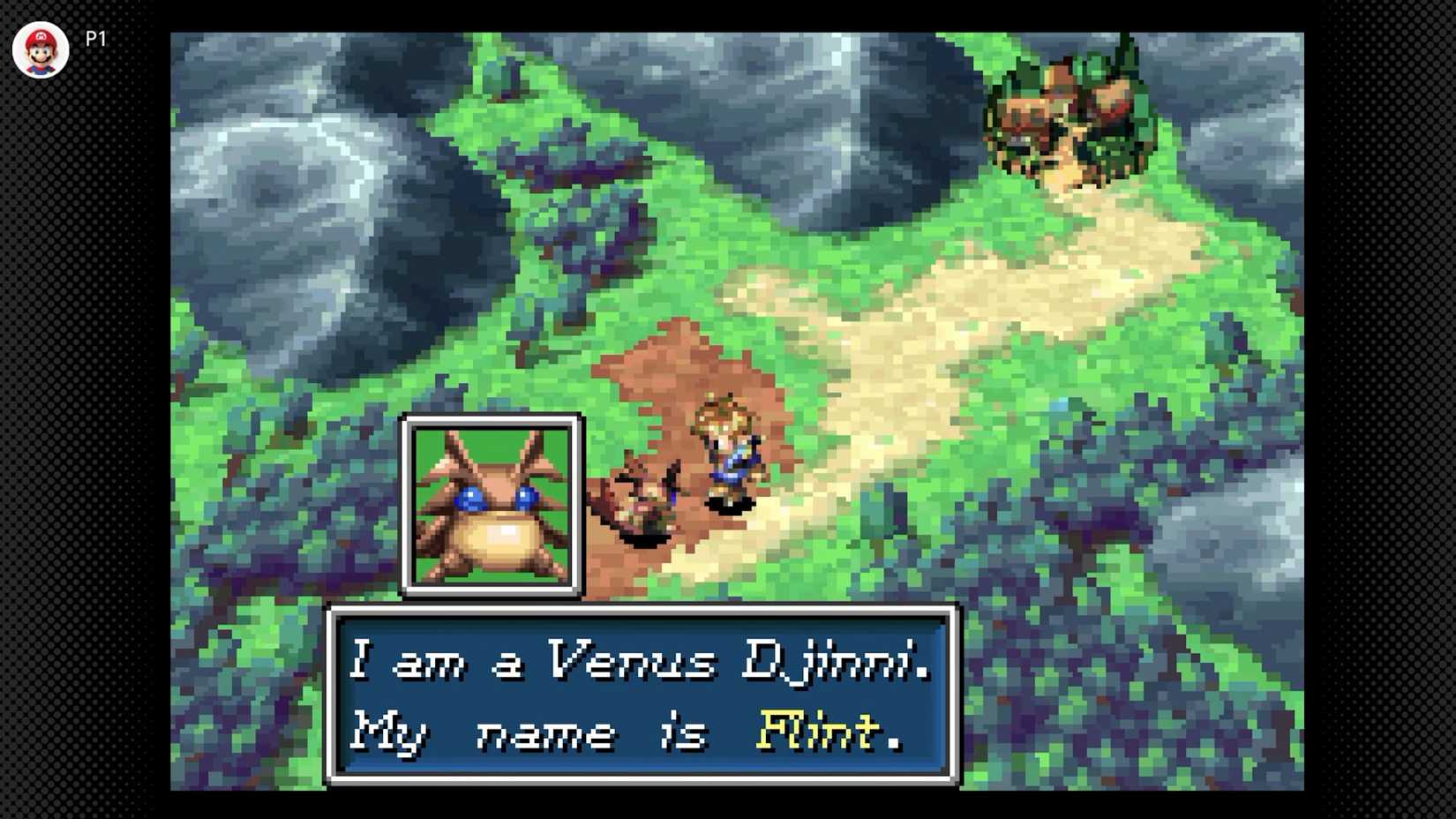 Image: Camelot Software Planning/Nintendo
Combat classes in Golden Sun are reliant on Djinn combinations. You can stuff a bunch of earth-aligned spirits onto a character and turn them into a planet-shaking powerhouse specializing in certain stats, but you're missing out on a range of other spells and will have zero luck against enemies resistant to earth. Or you can mix and match elements to unlock some wildly powerful classes, like making a speedy samurai out of earth and wind, complete with a range of useful support skills. Djinn also have singular abilities that put them on standby, and with enough on standby, you can summon spectacularly powerful entities. But! Until those Djinni recover, their power is unavailable to the character they're attached to, which means their class changes. Tough battles become a constant struggle to balance spells, summons, and other abilities without putting the party at a huge disadvantage, which is partly why Golden Sun's optional bosses loom large in my memory. That, plus the visual direction and combat animations turn these big fights into showstoppers.
Your class abilities are vital outside of combat, too, as Camelot built most of the game's puzzles around them. Sometimes it feels gratuitous, like using "move" magic to shove a statue just because it's bigger than you. But the puzzle design is almost always so good that these silly moments don't stand out much. They're just the right side of challenging, where you have to stop and think about what you're doing — and then feel real smart for figuring it out — or risk messing it up and having to start over. There's a healthy balance between straightforward combat areas and dungeons crammed with puzzles, too, so it never gets dull or repetitive.
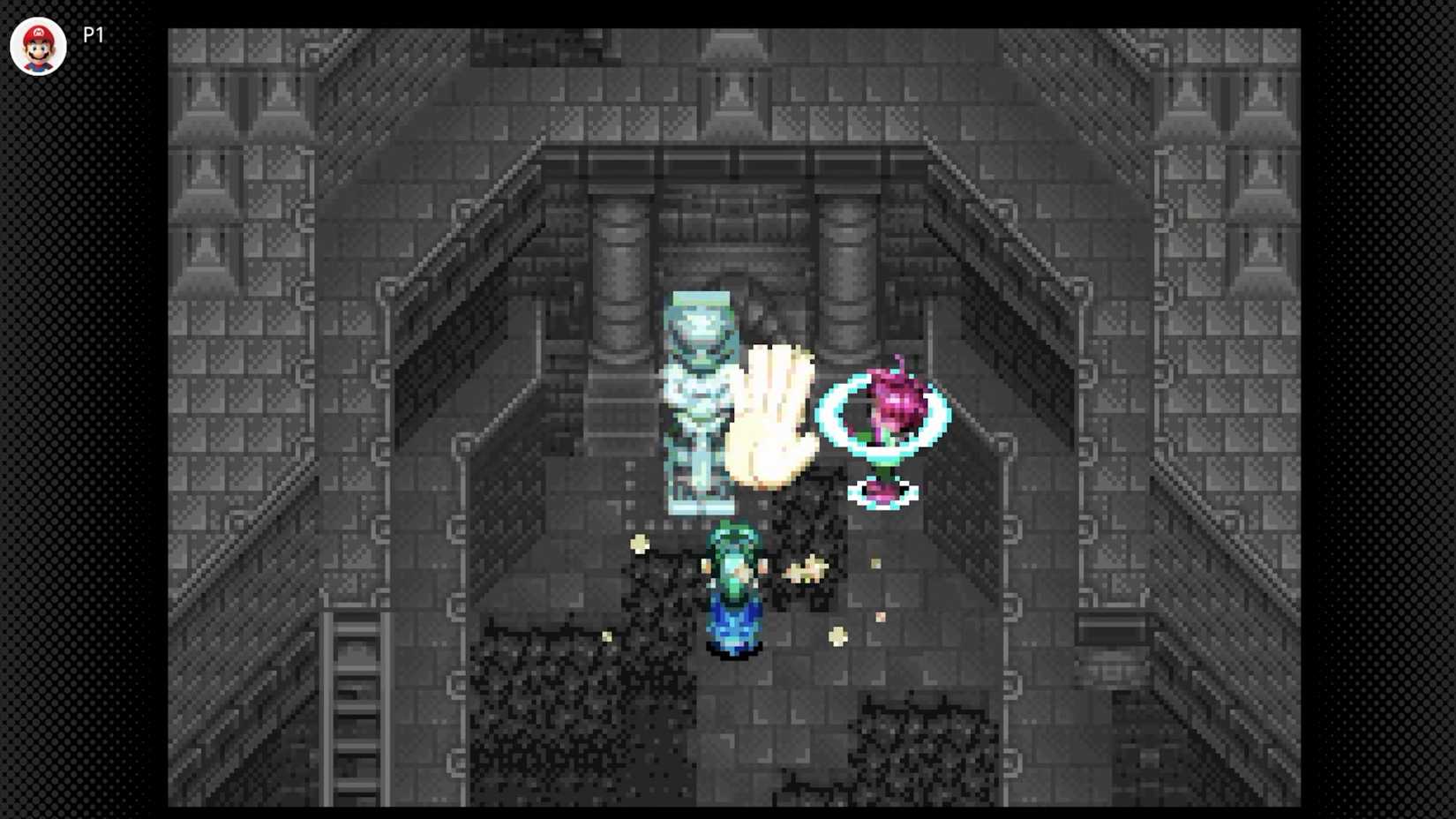 Image: Camelot Software Planning/Nintendo
Golden Sun wasn't the dawn of a new era for RPGs, though. It was the sunset for an old way of play. After 2001, we started seeing fewer turn-based RPGs in that vein. Those that did break through inevitably belonged to an established franchise like Final Fantasy and Dragon Quest. They were busy either trying to reinvent the RPG wheel, or clung too stubbornly to the old ways to make much of a splash compared to the edgier, more ambitious games of the era, like Knights of the Old Republic and Mass Effect. Time passed, and we saw a new generation of RPGs designed to inspire the same sense of wonder the classics did.
Few do more than recall the past, though. Sea of Stars, for example, borrows from Mario and Luigi and Chrono Trigger, and you can see their imprints clearly. Combat is fun, but more as a different flavor of Mario and Luigi — not for anything new it brings to that style. Chained Echoes relies on vibes and does little with its setting, seemingly more determined to be less grindy than its predecessors than anything else. Clair Obscur: Expedition 33, also inspired by Golden Sun, is one of the closest things to a wholly original RPG since the early 2000s, the way it mixes its inspirations into something mostly new.
Even Expedition 33 doesn't hit quite the same highs, though. Most modern RPGs, including the newer Final Fantasies, don't even try adding puzzles anymore. They opt for dungeon-crawler-like setups instead, pushing you down long corridors filled with enemies and a few switches to pull here and there. It's fine, but certainly not engaging. And it completely ignores the untapped potential of combining combat and exploration abilities for something more rewarding.
Meaty, bold RPGs are on the rise again, though. Developers like Metaphor ReFantazio's Studio Zero are realizing that retaining the classic qualities of turn-based RPGs and streamlining for quality-of-life aren't mutually exclusive. The fevered rush to make another game inspired by Chrono Trigger seems to be gradually fading out. Camelot is, seemingly, out of the RPG-making business, having shifted focus almost exclusively to Nintendo’s Mario Golf and Mario Tennis series since the mid-2000s. But, after 25 long years, maybe a new sun is rising for the genre after all.





 English (US) ·