
 2 weeks ago
47
2 weeks ago
47
I have a real dislike for most of what I call e-waste cameras on the market, which are those that are capturing the world through the lens of a literal dashcam. They tend to be cheaply built, take poor photos, and are littered with many frustrating compromises. I am instantly skeptical anytime a new cheap $45 point-and-shoot comes across my radar.
The novelty of this camera is tied directly to the transparent viewfinder, which is neither accurate nor fun to use.
Pros
- The body design is cute and it's comfortable to hold
- The light meter functionality is nice
Cons
- The viewfinder doesn’t line up with actual images
- Close focus distance is poor
- Integrated battery is always a long-term pain
- Image quality is bad
- No exposure or controls of any kind
- Horrendous video quality
This is why I was so surprised when the C100 showed up. The novel design of composing via a large LCD window was very intriguing, and my first instinct was that the shooting experience would be a fun one. I let my guard down, but soon realized that I should have kept my skepticism. My future was about to be filled with frustration.
Godox C100 Review: How It Feels
Now, Godox absolutely knows how to make cool designs and, as proof of this belief, I love the IT32 flash unit that I recently purchased for myself. For the most part, the Godox line of products is functional and affordable. This extends to the C100.
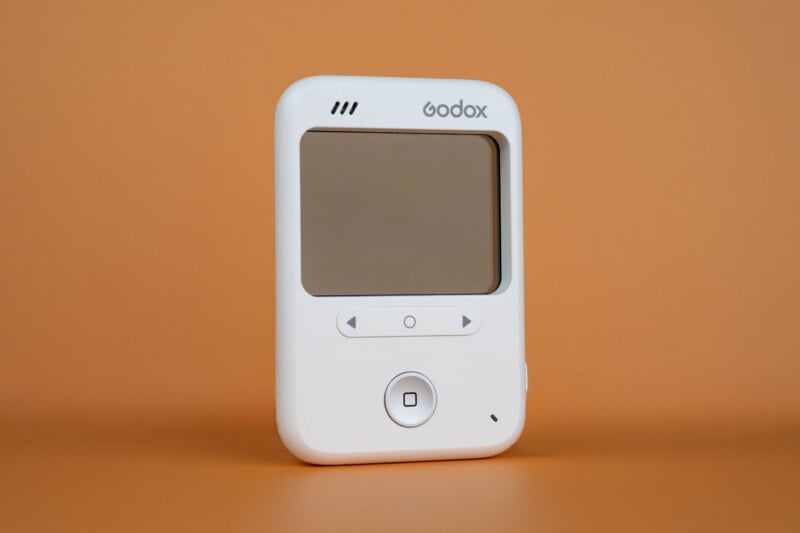
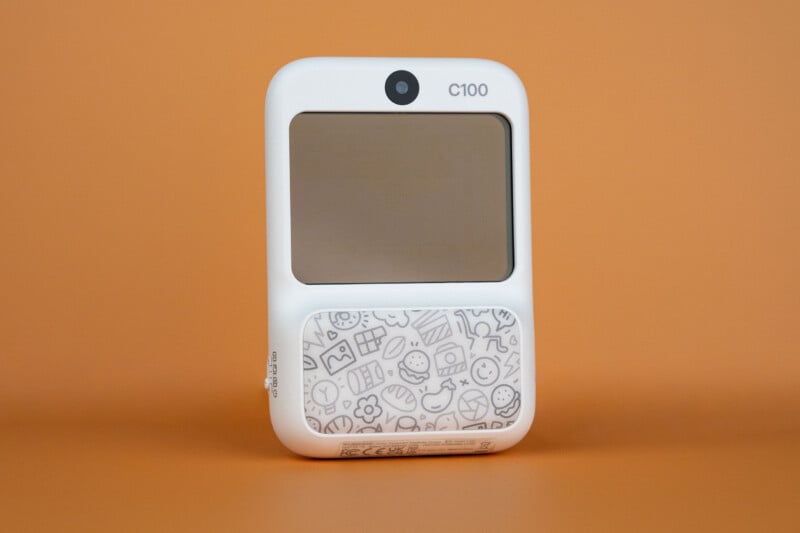
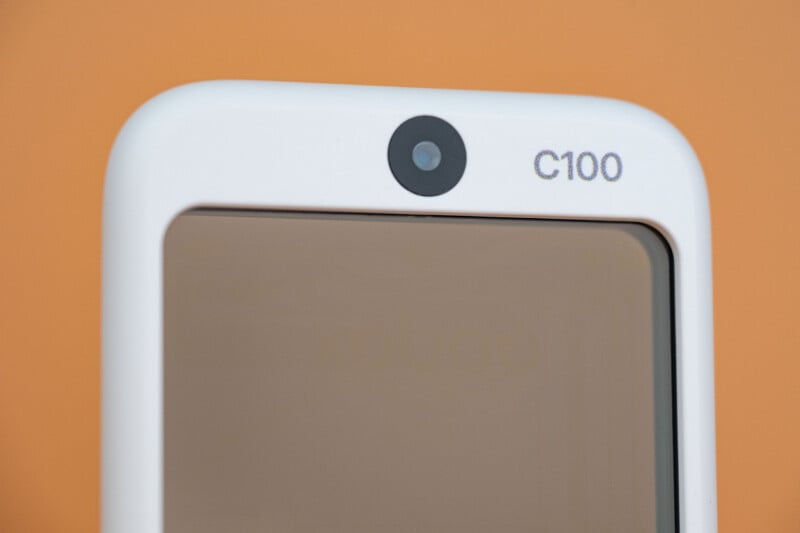
The outside of the C100 is charming, and the simple design is actually quite comfortable to hold. At only 65 grams, the C100 is pocketable and is definitely not a burden to carry around.
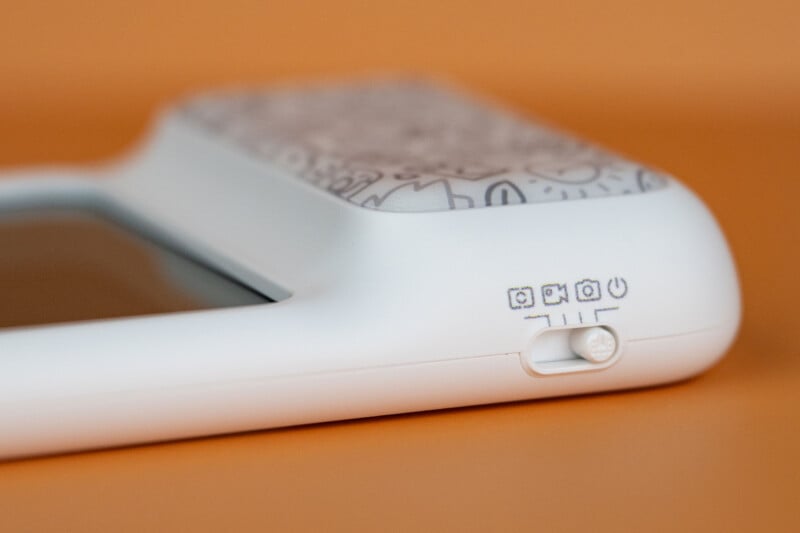
The controls are simple, with a control bar on the front positioned over a generously large shutter button. You can click a switch on the side to cycle between the photo mode, video mode, and light meter function. This switch is hard to precisely click into place, however, and often ends up in the wrong position as you likely expend too much effort switching it only to blow past the mode you were aiming for.
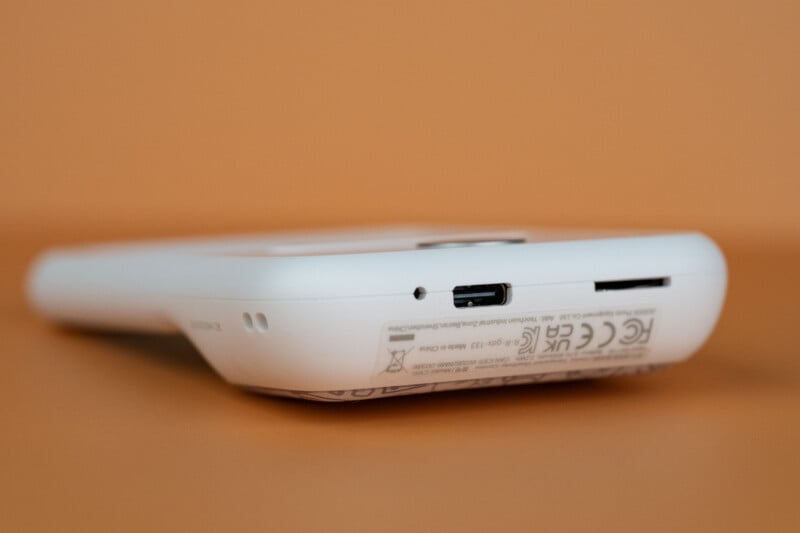
Within the camera lies an integrated lithium battery. I generally hate non-removable batteries even if they can run for fifteen hours straight. However, it’s more commonplace nowadays, unfortunately. I tend to be against them because they significantly reduce the overall useful lifespan of a camera system.
If an internal battery exists, I at least hope for internal memory, but no chance of that here: you must also add a microSD card for storage purposes.
The view screen is a set of two see-through pieces of plastic with an LCD display sandwiched between. This display can then show you your battery life, aspect ratio frame lines, and light meter information when in that mode.
There is also an indicator for the center of the image, but keep in mind that the lens is located at the top of the screen and will often shoot high when composing subjects up close. I also found this screen to be very easy to scratch, and after a few days in my pocket it was scuffed and marked.
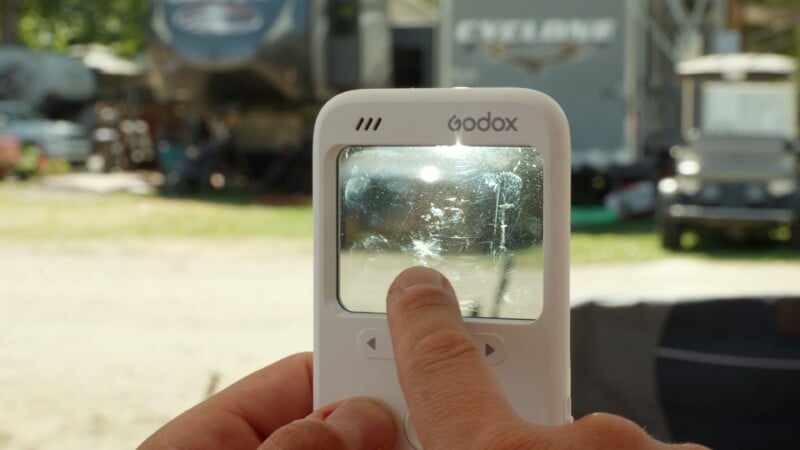 The screen is easily damaged, so you better baby the camera.
The microSD card I used was not properly formatted for the C100, but I had no way of knowing that until I checked the card after my first day of using it. The C100 chimed and made noises like it was taking photos, but my first series never got recorded. That’s not a great feeling.
Once I figured out what format the camera worked with (I went with exFAT), I was able to shoot. You do not need a high-capacity memory card, given the 2-megapixel size of the images. The camera takes 16:9 aspect ratio images, but you can press the left and right arrows on the camera to cycle between 3:2, 4:3, and 1:1 ratio photos. You obviously give up what amounts to already minimal resolution by doing this.
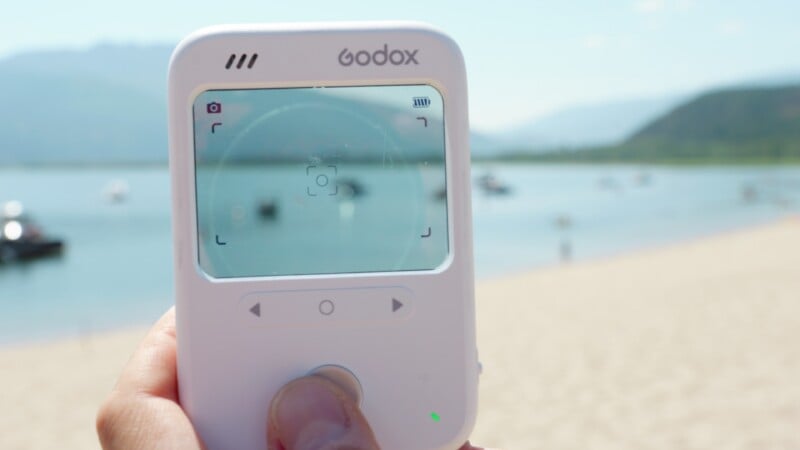 You get an assortment of aspect ratios.
Godox C100 Review: How It Shoots
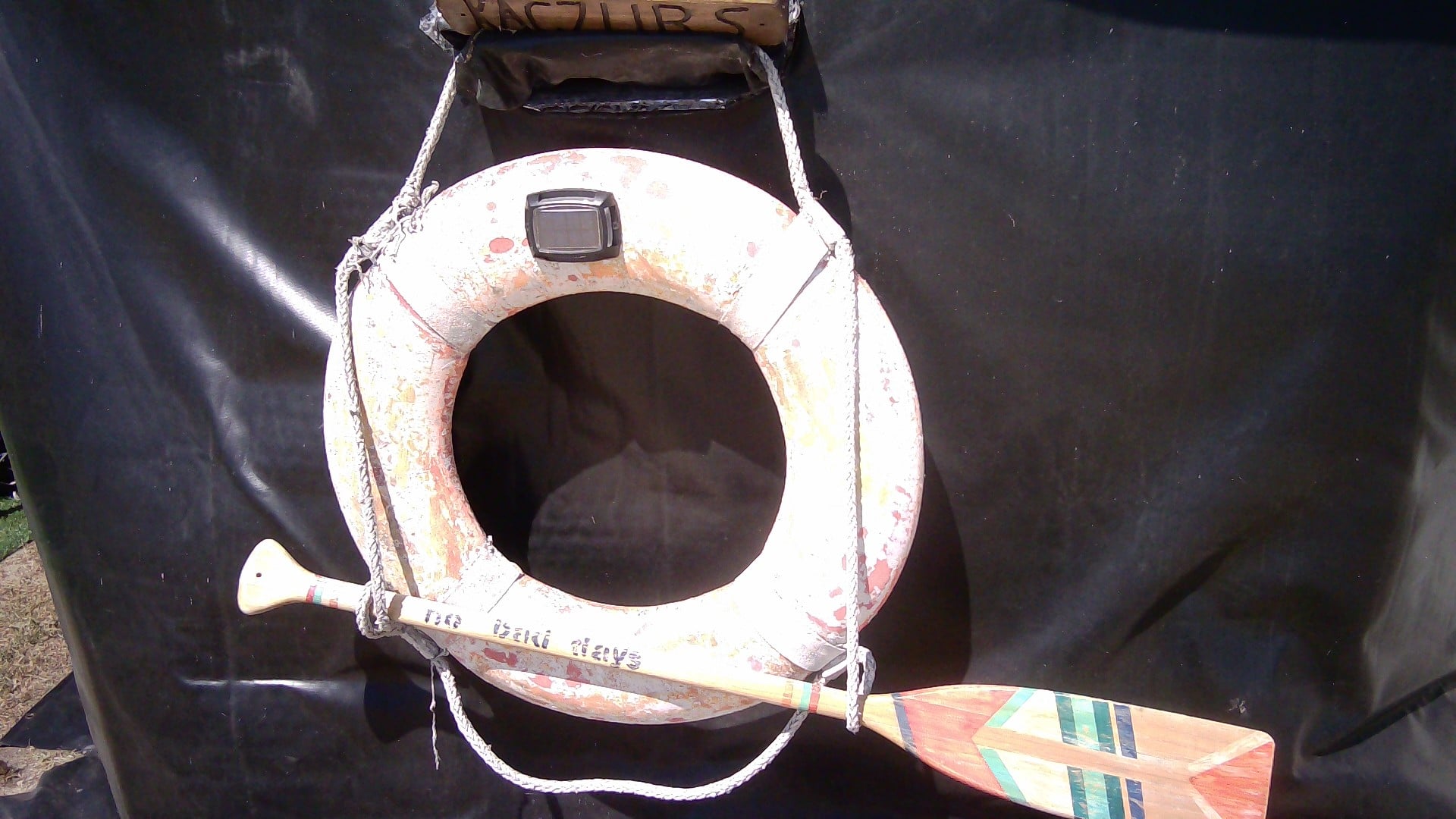
The quality of the images is predictably poor, with softness and noise present everywhere. You can’t change the exposure, and there is no real meat to the images to allow for exposure changes in post-production. Backlit subjects will be cast into shadow, and it doesn’t have a flash, so you’re stuck with ambient light.
 The C100 is intended for casual grab-shots along the way.
 Backlit subjects will go very dark.

The images suck, and yet this is the aspect of the camera I have the least issue with. I understand that the camera is intended for casual shooters who want to take pictures of friends and meals, parties and people, and don’t mind the rough image vibe. However, it is the actual taking of pictures that I really don’t enjoy.
 Don’t expect high resolution or good detail out of the images.
When a photo is taken, the C100 creates an obnoxiously loud, digital shutter noise which is very obvious to anyone nearby. I have not yet found a way to disable this, so it’s fair to assume you can’t. The response time is immediate because there is no need to autofocus the lens. However, I did notice that subjects within arm’s reach, or even portrait distances, are often just outside of the zone of focus and look quite soft. This means that people shots or favorite meals need to be taken from a farther distance than is natural.
 Subjects that are too close will go soft.

That’s all annoying, but the real issue for me is the viewfinder accuracy — or rather, the lack thereof. All the marketing photos show happy people shooting the C100 at arm’s length, but this very natural position does not line up with the viewfinder frame lines at all. In truth, the lens shoots far wider than the viewfinder suggests, and although your subject will undoubtedly be captured within the image, there will be so much extra in your shot than was intended.
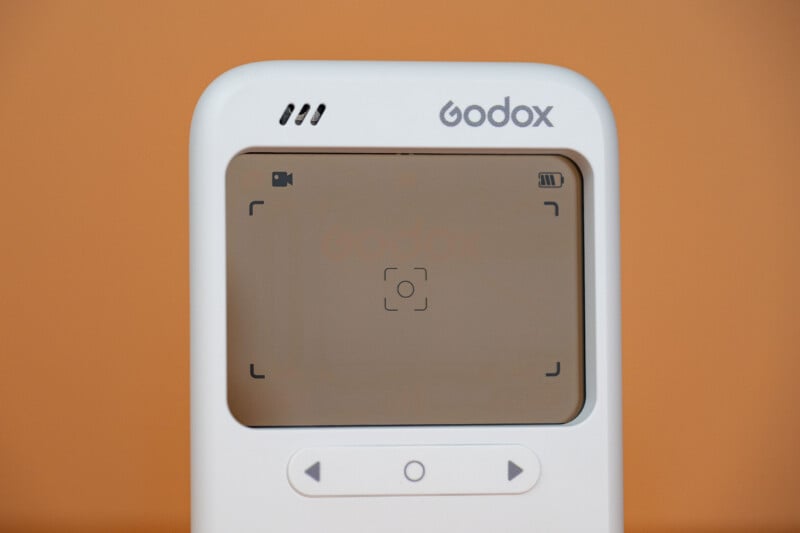
Only by placing the viewfinder right against the face do the framelines have any chance of being accurate. Also consider that if your hand is anything but parallel to your eyes, the shot will be off to the right or left. In short, accurately framing with this camera is a nearly impossible task, and you’ll get better results by just winging it.
 If you mash the camera up against your face, the framelines might just work.

There is a light meter function that is actually useful. You can set an ISO, shutter speed, and aperture, and the C100 will give you a proper exposure value.
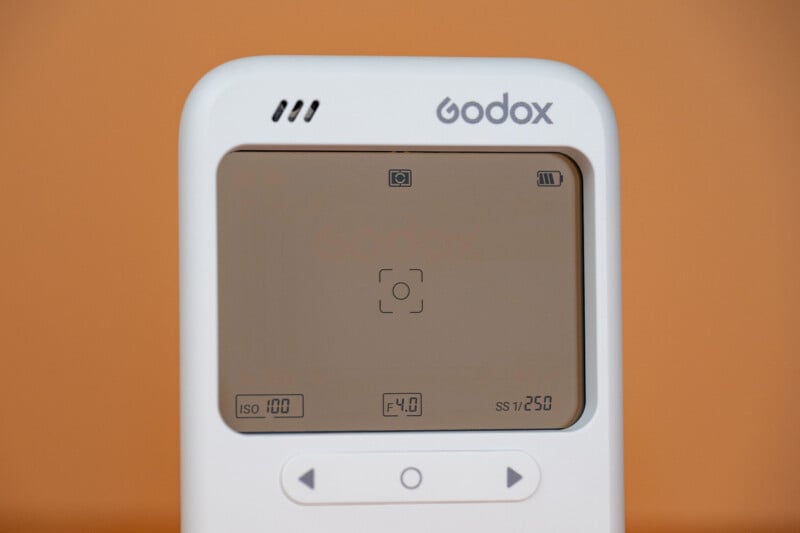
The constant pushing of buttons to cycle through the settings is a little convoluted, but the C100 does function as a tool for analog photographers. Frankly, I would rather use an app on my smartphone, but if you happen to be carrying the C100 and an old-school film camera, you might use it occasionally.
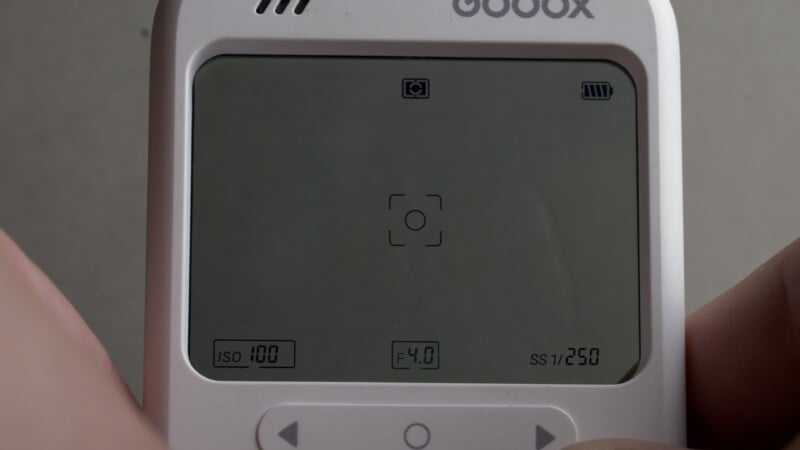 The light meter function is slow to use but it is accurate.
Godox C100 Review: A Frustrating Experience
The novelty of using this camera is completely integral to the use of that transparent viewfinder. The problem is that the viewfinder isn’t fun to use. Therefore, the camera experience isn’t very fun either, and this camera becomes both silly and frustrating. Most people will probably want to shoot this camera vertically for smartphone usage, but the design doesn’t easily lend itself to this task.
The video quality is also embarrassingly poor, with tons of rolling shutter and a hollow-sounding internal microphone. In the end, the Godox C100 is just another repackaged dashcam camera that will likely end up in a landfill or box in the basement, forgotten forever. Its only claim to fame will be a deceptive viewfinder experience that doesn’t live up to the hype.
Are There Alternatives?
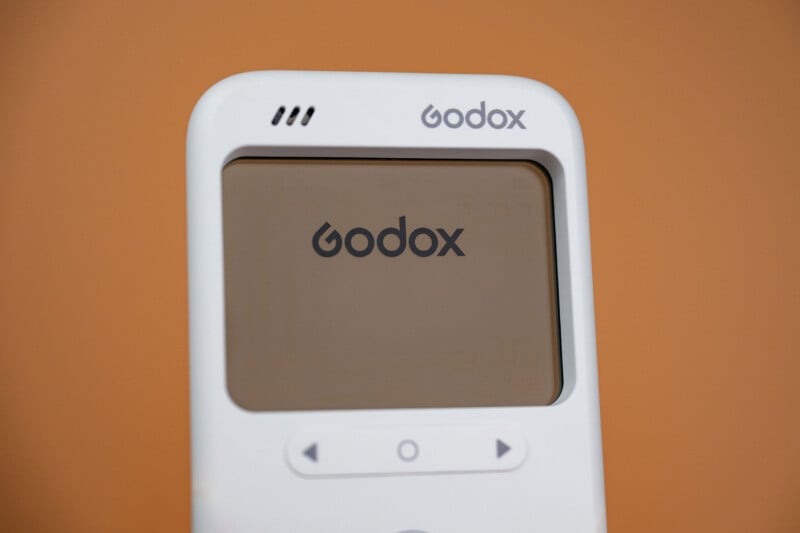
At a price of only $45, the C100 will basically give the same image quality as thousands of other dashcam-equipped point-and-shoots. That said, the C100 is effectively the first of its kind to hit major production and distribution. The Escura InstantSnap did have the idea first (although it has no active LCD screen, just a “dumb” display) and is similarly priced.
 The camera looks cool, but the experience is lacking.
Should You Buy It?
No. The experience is fun in concept but poor in execution.
Affiliate Disclosure PetaPixel articles may include affiliate links; we may earn a commission if you buy through one.







 English (US) ·