
Sustainability Week 2026
This article is part of a series of sustainability-themed articles we're running to observe Earth Day 2026 and promote more sustainable practices. Check out all of our Sustainability Week 2026 content.
Even the best smartwatches have a big sustainability problem. Like most other smart gadgets these days, they are sealed units, without the ability to be mended and repaired, unless you send one back to the original company under warranty — and even then, they often end up on the scrap heap anyway. E-waste is a major concern of any small gadget containing tiny computing technology and lithium batteries.
However, there’s a new wearable frontier on the horizon — one of self-powering, sustainable smart devices. Best of all, they won’t even look like gadgets: they’ll be your shirt, your wristband, your yoga mat or even your bedsheet. These devices have technology woven into their fabrics, both to monitor your health and to power themselves using sunlight, moisture, movement or body heat. The smart textiles revolution is on its way.
Article continues below
What are smart textiles?
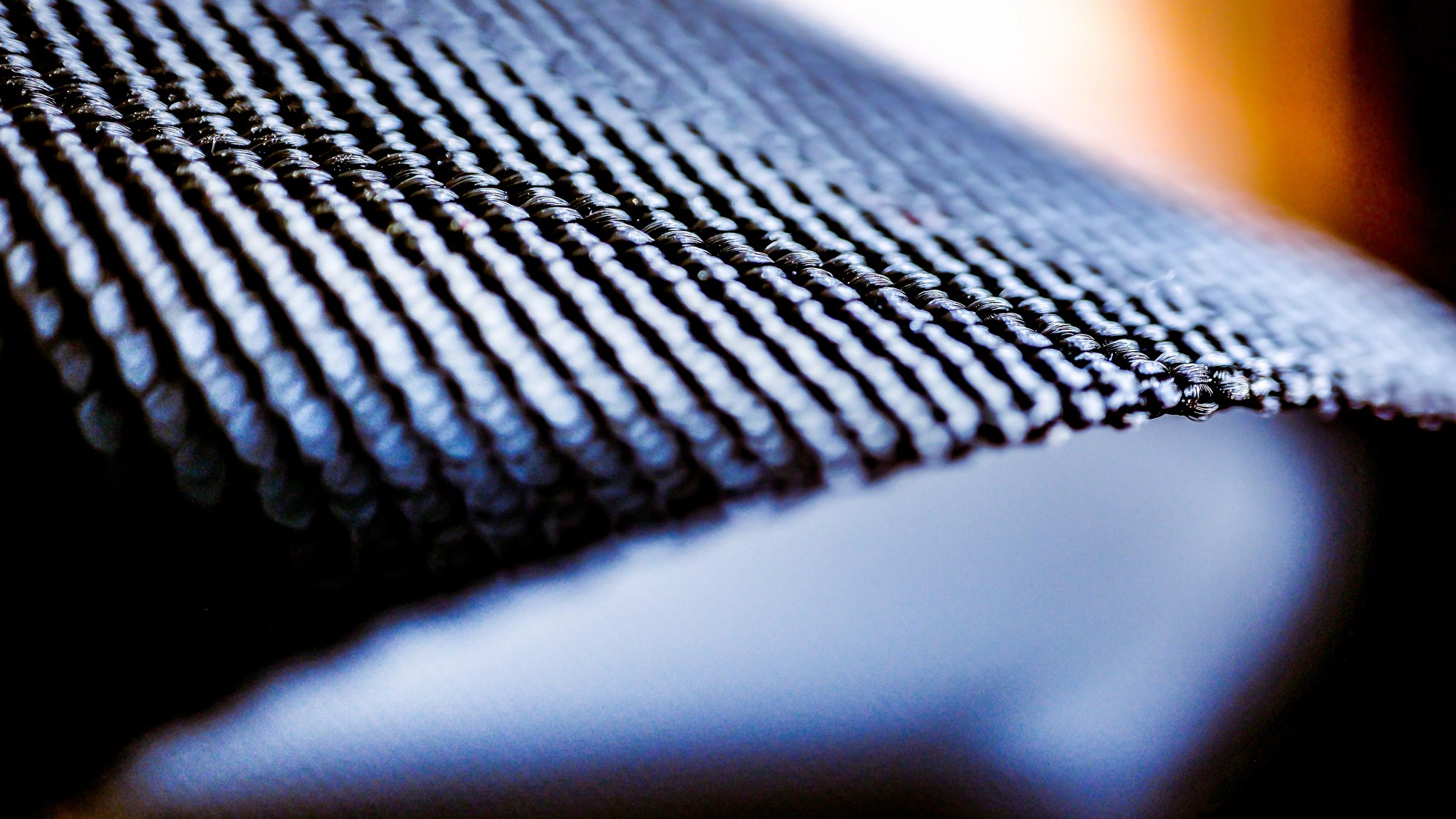
Smart textiles are described in a review paper published in the Chemical Engineering Journal as ‘sustainable, self-powered, portable and durable wearable textiles for human health monitoring’. MIT researchers gave a broader definition of ‘sensor-embedded garments’. They’re fabrics studded or woven with sensors and other technology that allow the textile to monitor some aspect of the wearer, and connect to a smart device to report and present their findings. A bit like a Whoop band or an old-school Fitbit, but imagine the device spread across a much larger, thinner surface area instead of a single metal-and-plastic puck.
“We can have any commercially available electronic parts or custom lab-made electronics embedded within the textiles that we wear every day, creating conformable garments,” Canan Dagdeviren, the LG Electronics Career Development Assistant Professor of Media Arts and Sciences at MIT, said in this report. “These are customizable, so we can make garments for anyone who needs to have some physical data from their body like temperature, respiration rate, and so forth.”
The Chemical Engineering Journal article, a big study and review of existing technology, makes for fascinating (and often intimidating) reading. Scientists have already found a ton of uses for both clinical and at-home health-monitoring settings. A “structure-gradient fibre mat” with sensors, for example, can be used for rehabilitating joints, acting as part of a “miniature intelligent medical system”. At TechRadar, we’ve tested a smart yoga mat before, one using similar technology, sensing movement and pressure to score you on your practice.
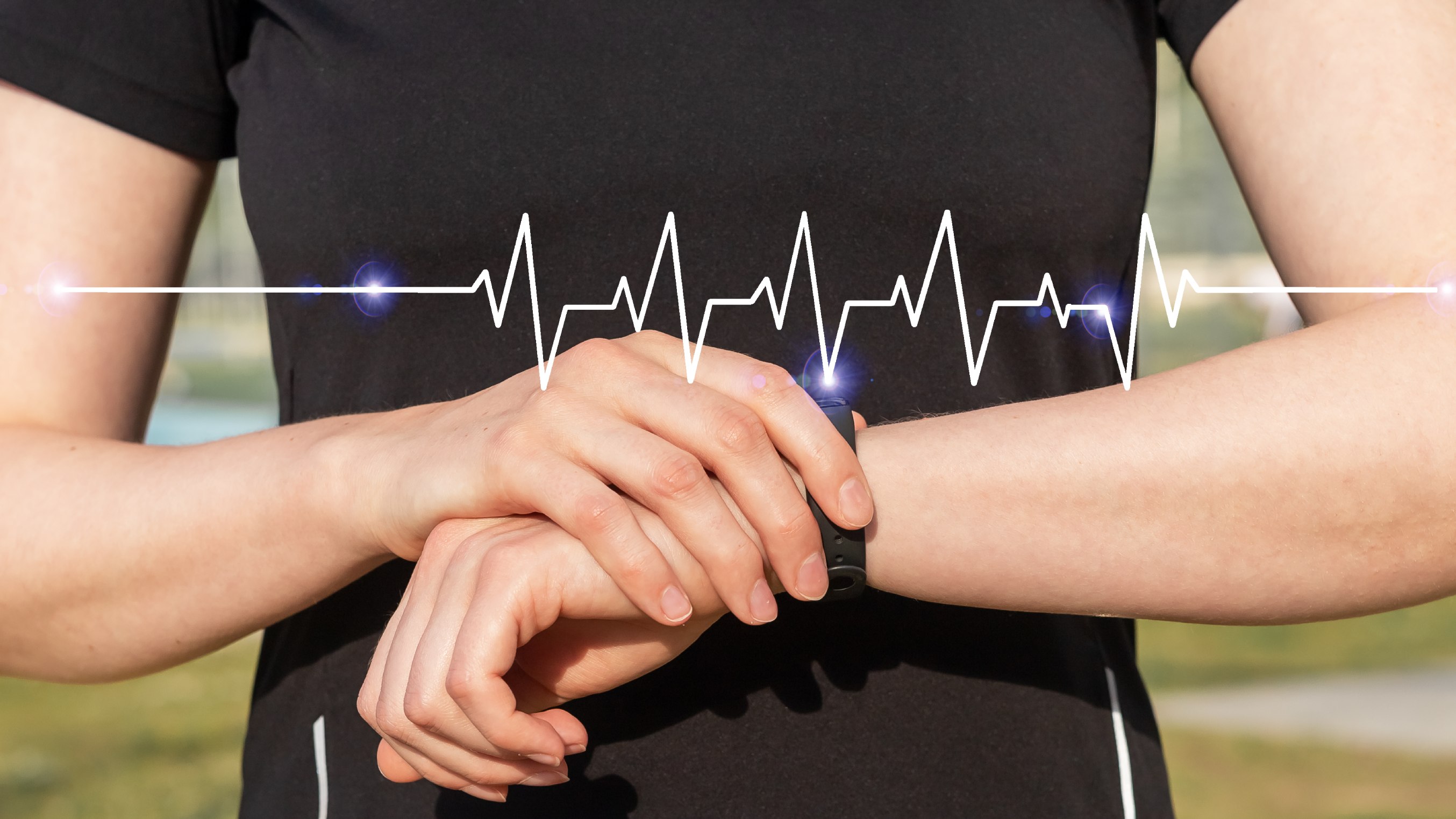
Elsewhere, wearable textiles could sense heart rate and body temperature for exercise optimization, or even biomarkers for certain diseases — such as cancers. Some textile sensors have been able to accurately identify breast cancer biomarkers, and the potential exists to have those biomarkers flagged up in a corresponding app in your smartphone.
Health-sensing, wearable, washable stockings are also being trialled to monitor swelling in a patient's legs. Not being shackled to one location like your wrist opens up new avenues for sensor tech, and it’s all comfortable, discreet and non-invasive.
How would smart textiles be more sustainable?
The Chemical Engineering Journal report looked at five different ways these textiles might power themselves. They include piezoelectric (another word for a method of powering that turns mechanical joint movement and stress on the fabric into kinetic energy), triboelectric (using static electricity generated through friction and converting that into power for the device), photovoltaic (sunlight), thermoelectric (converting heat — especially body heat — into energy), and moisture-electric (using water vapor, sweat or similar to turn moisture into electrical energy).
All of them seem to have their strengths and weaknesses. Sunlight is possible to harness in the wearables space, as we’ve seen with Garmin’s watches, while thermoelectric smart textiles “enable the device to harness body heat for wireless communication systems by generating 2.6 mW of power” according to the report, which concludes “this flexible thermoelectric generator offers a viable solution for sustainable, self-powered electronic devices.”
Having a wearable wristband, shirt, patch or something else that takes energy from your body or the sun, converting it into its own power source, is a lot more sustainable than throwing away a lithium battery-powered device every few years because its parent company stopped making the software to support it.
Potential pitfalls of the technology
The problem? While “important breakthroughs have been made”, and we’re seeing the first smart textiles come to market, it’ll be a while before self-powering devices are the norm. The researchers state that “while offering advantages such as uninterrupted monitoring, comfortable wearability, and low total cost of ownership”, the biggest barriers to wide adoption at the minute include sensing accuracy “falling short of clinical devices” and an absence of unified standards.
Manufacturing costs are still relatively high, and other issues include reduced sensor effectiveness after repeated washing, and long-term sweat corrosion. If your sensors don’t work after a spin in the washing machine, a sweaty run or a feverish night, you’ll have to get a new shirt, contributing both to e-waste and the fast fashion crisis at the same time.
So, while it will be a few years yet before we see smart textiles that power themselves come to fruition, it’s an exciting prospect. Not only will wearables get smaller and thinner, they’ll also become more sustainable, reducing the amount of smartwatches and other health monitoring devices in landfill and opening up new avenues for monitoring patients in healthcare. The future looks bright — bright enough, maybe, to power your shirt for a few days.

Follow TechRadar on Google News and add us as a preferred source to get our expert news, reviews, and opinion in your feeds.







 English (US) ·