
 Image via Prime Video

Published Mar 27, 2026, 12:08 AM EDT
Anja Djuricic was born in Belgrade, Serbia, in 1992. Her first interest in film started very early, as she learned to speak English by watching Disney animated movies (and many, many reruns). Anja soon became inspired to learn more foreign languages to understand more movies, so she entered the Japanese language and literature Bachelor Studies at the University of Belgrade.
Anja is also one of the founders of the DJ duo Vazda Garant, specializing in underground electronic music influenced by various electronic genres.
Anja loves to do puzzles in her spare time, pet cats wherever she meets them, and play The Sims. Anja's Letterboxd four includes Memories of Murder, Parasite, Nope, and The Road to El Dorado.
Sign in to your Collider account
We already know that Sherlock Holmes is the most portrayed literary character on screen, but it's not just about adapting Sherlock for television or film; many mystery shows are inspired by the world's greatest detective. And while we love adaptations and variations, it's always the best when artists tap into the source material for new inspiration.
The 21st century has been particularly kind to the master detective because he's been the lead of many series: from prestige BBC dramas and network procedurals to Japanese adaptations and supernatural twists. Modern television has reinvented Holmes for every possible audience, turning the character into a cultural phenomenon and gaining devoted cult followings across the globe. Here is every modern Sherlock Holmes TV show.
7 'The Irregulars' (2021)
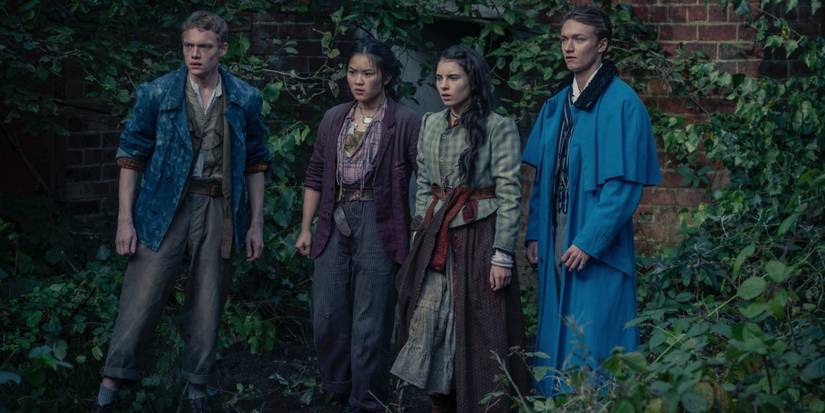 Image via Netflix
The Irregulars is a show you've likely not heard of because it was cancelled almost as soon as it landed on streaming, having no chance of ever getting traction. It's loosely related to Sherlock Holmes because it follows the characters from Arthur Conan Doyle's stories who assist Sherlock rather than himself. The Baker Street Irregulars are usually orphans living in the streets who serve as Sherlock's eyes and ears across London; there are variations of the Irregulars across adaptations, with even the most recent series, Young Sherlock, paying homage to them. However, a show about them alone wasn't enough to win over wider audiences.
The Irregulars is set in Victorian London and has a supernatural twist; it shifts focus from Sherlock himself to a gang of street kids who take direct instructions from Dr. Watson while Sherlock Holmes remains drug-addled and reclusive. The Irregulars are tasked with investigating occult crimes that threaten the city, reimagining them as the true heroes, with Sherlock appearing as a broken, secondary figure hiding in the shadows. While the show has supporters who appreciate the supernatural twist, it ranks last among modern adaptations for failing to satisfy either Holmes purists or newcomers looking for a reliable entry point into that whole universe.
6 'Miss Sherlock' (2018)
 Image via HBO
Japanese adaptations of Western shows are rare, but adapting Sherlock was expected in some way; the detective is the most famous literary character within the mystery/crime genre, and any show or film that wants to go along the same lines will undoubtedly look and feel like Sherlock. Yuko Takeuchi stars as the first female version of Sherlock Holmes, and she delivers a memorable performance as the eccentric detective, bringing a distinct energy and warmth to the role. The show has eight episodes, and it's unsure whether there were meant to be more since Takeuchi died in 2020.
Miss Sherlock is set in modern-day Tokyo and flips the classic dynamic of Sherlock and Watson by introducing Sara Shelly "Sherlock" Futaba (Takeuchi), an eccentric police consultant whose deductive abilities make her the go-to investigator for impossible cases. She works on cases with her roommate, Dr. Wato Tachibana (Shihori Kanjiya), who, in the series, returns from her volunteer doctor's work in Syria. Each episode presents a mystery that tests the growing bond between the two women while cleverly solving cases in a stylish and glamorous series. For those seeking a fresh cultural perspective on Holmes, Miss Sherlock is a genuine gem.
5 'Watson' (2025–Present)
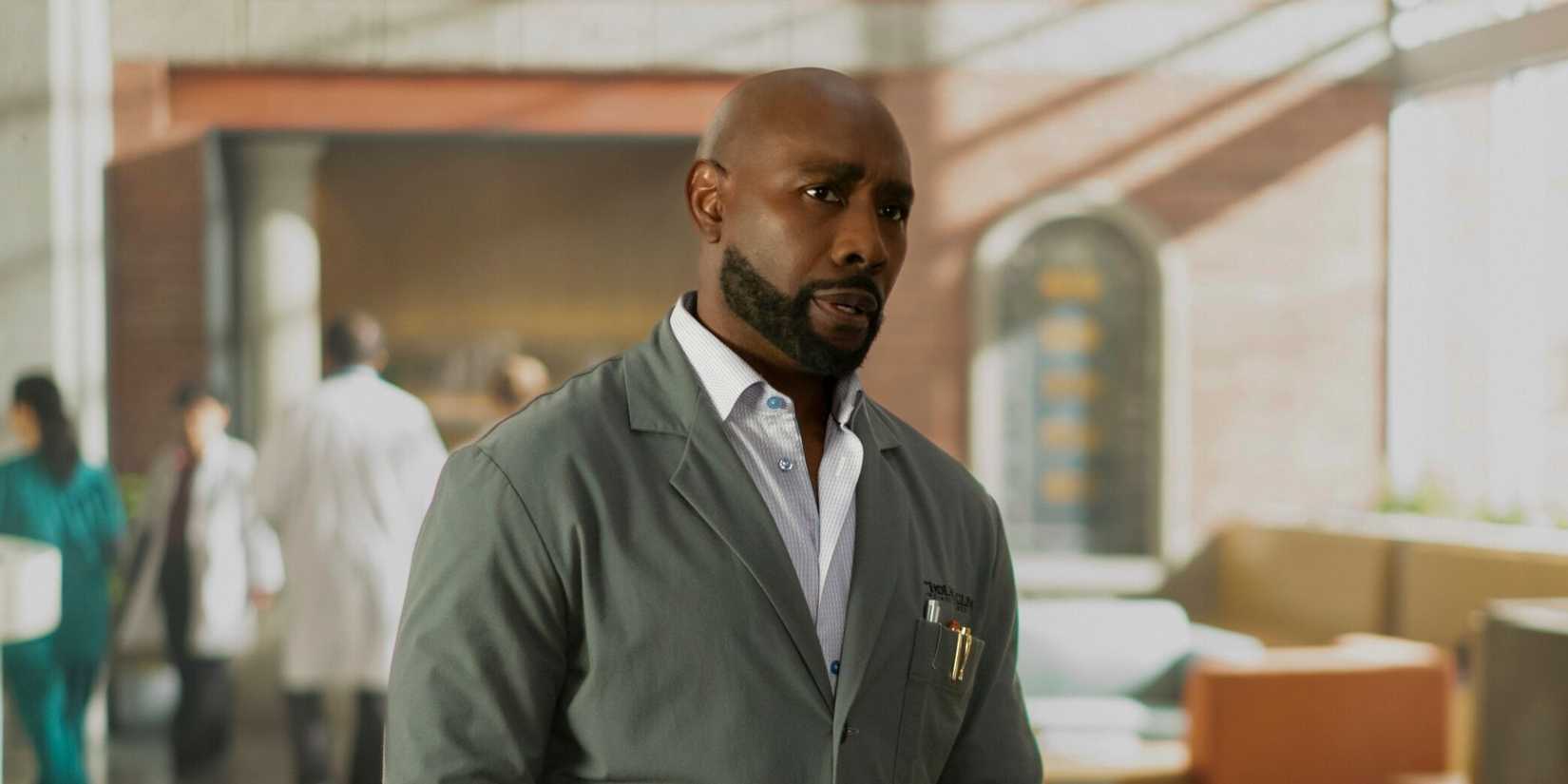 Image via CBS
If you genuinely missed network versions of a Sherlock Holmes story, well, it seems so did CBS, because the same team that created Elementary has also decided to create the series called Watson, starring Morris Chestnut as Dr. John Watson. It's essentially a medical procedural first and a Holmes adaptation second, leaning more toward House than Elementary. Watson becomes the protagonist, following the events of Doyle's short story The Final Problem, which was meant to be Sherlock's last (until Doyle was convinced to revive him and write more). In The Final Problem, Sherlock apparently dies at the Reichenbach Falls together with his nemesis, James Moriarty.
Watson is set six months after Sherlock Holmes' apparent death and follows Dr. John Watson (Chestnut) returning to medicine by opening a clinic in Pittsburgh dedicated to treating patients with rare and undiagnosed disorders. Surrounded by a team of young specialists, including a neurologist who suspects she's a sociopath and identical twins who are infectious disease experts, Watson investigates medical mysteries while getting evidence that Sherlock (Robert Carlyle) and Moriarty (Randall Park) may still be around. Watson is great, particularly when it focuses on its characters, and Morris Chestnut is greatly enjoyable. Watson has a 50% Rotten Tomatoes score, but its second season is currently airing on CBS.
4 'Sherlock & Daughter' (2025–Present)
 Image via The CW
In a wild turn of events, Sherlock Holmes, in a brand-new rendition, has a long-lost daughter; how has no one thought of this before? A long-lost relative or child is definitely a way to refresh and amp up source material, even if it's slightly predictable and even cliché. Yet, when you learn David Thewlis portrays Sherlock, it's more than redeemable—it warrants a watch. He delivers Sherlock in ways he rarely appears, diving into the role naturally and with tremendous ease. His chemistry with Blu Hunt, who plays his daughter, is pretty heartwarming, and while he might be typical Sherlock—standoffish and cold at the beginning—his demeanor shifts, and we see an interesting character.
Sherlock & Daughter is set in 1896 London, and it introduces Amelia Rojas (Hunt), a young Native American woman who arrives at 221B Baker Street and claims Sherlock Holmes (Thewlis) as her father. Sherlock is already dealing with a devastating mystery that occurred just days before—Watson (Seán Duggan) and Mrs. Hudson's (Mary O'Driscoll) kidnapping—so he reluctantly accepts Amelia as an assistant, allowing her to investigate cases he has been forbidden from handling. Together, they uncover a plot involving a shadowy crime syndicate, the disappearance of the American ambassador's daughter, and, eventually, Holmes' nemesis, Professor Moriarty (Dougray Scott). The possible daughter is a fun and welcome twist because of the performances in the series, making Sherlock & Daughter a truly entertaining romp.
Collider Exclusive · TV Medicine Quiz
Which Fictional Hospital
Would You Work Best In?
The Pitt · ER · Grey's Anatomy · House · Scrubs
Five hospitals. Five completely different ways medicine goes sideways on television — brutal, chaotic, romantic, brilliant, and ridiculous. Only one of them is the ward your instincts were built for. Ten questions will figure out exactly where you belong.
🚨The Pitt
🏥ER
💉Grey's Anatomy
🔬House
🩺Scrubs
FIND YOUR HOSPITAL →
01
A critical patient comes through the door. What's your first instinct? Medicine under pressure reveals who you actually are.
AStay completely present — block everything else out and work through it step by step, right now. BTriage fast and delegate — get the right people on the right problems immediately. CTrust my gut and move — I work best when I stop overthinking and just act. DAsk the question everyone else is ignoring — what's the thing that doesn't fit? ETake a breath, make a joke to cut the tension, and then get to work — panic helps no one.
NEXT QUESTION →
02
Why did you go into medicine in the first place? The honest answer says more about you than the one you'd give in an interview.
ABecause I wanted to be where it matters most — right at the edge, when someone's life is actually on the line. BBecause I wanted to help people — genuinely, one patient at a time, in a system that makes it hard. CBecause I was drawn to the intensity of it — the stakes, the drama, the feeling of being fully alive. DBecause medicine is the most interesting puzzle there is — and I needed a problem worth solving. EBecause I wanted to make a difference — and also, honestly, I didn't know what else to do with my life.
NEXT QUESTION →
03
What do you actually want from the people you work with? Who you want beside you under pressure is who you are.
ACompetence and calm — I need people who don't fall apart when things get bad. BTrust and reliability — I want to know that when I pass something off, it's handled. CConnection — I want colleagues who become family, even if that gets complicated. DIntelligence and the willingness to be challenged — I have no interest in people who just agree with me. EFriendship — people I actually like spending twelve hours a day with, because those hours are going to happen either way.
NEXT QUESTION →
04
How do you actually perform under extreme pressure? The worst shifts reveal things about you that the good ones never will.
AI narrow in — everything irrelevant falls away and I become completely focused on what's in front of me. BI lead — pressure is when I'm at my most useful, keeping everyone else on track while managing my own fear. CI feel it fully and work through it — I don't pretend the fear isn't there, I just don't let it win. DI get sharper — high stakes are clarifying. This is exactly the environment I think best in. EI hold it together in the moment and fall apart slightly afterwards — which I've made my peace with.
NEXT QUESTION →
05
You lose a patient you fought hard to save. How do you carry it? Every doctor who's worked a long shift has had to answer this question.
AI carry it. All of it. I don't look for ways to put it down — that weight is part of doing this work honestly. BI process it and move — you have to, or the next patient suffers for the one you just lost. CI feel it deeply and lean on the people around me — I don't think you're supposed to handle that alone. DI go back over every decision — not to punish myself, but because I need to understand what I missed. EI grieve it genuinely, find some way to laugh about something unrelated, and try to be kind to myself — imperfectly.
NEXT QUESTION →
06
How would your colleagues describe the way you work? Your reputation on the floor is usually more accurate than your self-image.
AIntense and completely present — no small talk during a shift, but exactly who you want there. BSteady and dependable — not the flashiest in the room but never the one who drops something. CPassionate and occasionally chaotic — brilliant on the hard cases, prone to drama everywhere else. DBrilliant and difficult — right more often than anyone else, and everyone knows it, including me. EWarm and self-deprecating — not the most intimidating presence, but genuinely good at this and easy to like.
NEXT QUESTION →
07
How do you feel about hospital protocol and procedure? Every institution has rules. What you do with them is a choice.
AProtocol is the floor, not the ceiling — I follow it until the patient needs something it can't provide. BI respect it — the system is broken in places, but the structure is there for a reason and I work within it. CI follow it until my instincts tell me not to — and my instincts are usually right, even when they cause problems. DRules are for people who haven't thought hard enough about when to break them. EI try to follow it and mostly do — with a few memorable exceptions that still come up in meetings.
NEXT QUESTION →
08
What kind of medical work do you find most compelling? What draws your attention when you walk through those doors matters.
AEmergency and trauma — I want to see everything, handle anything, and never know what's coming next. BGeneral emergency medicine — breadth over depth, keeping the whole machine running under impossible conditions. CSurgery — I want to be in the room where the most consequential thing happening is happening right now. DDiagnostics — the cases no one else can solve, the symptoms that don't add up, the answer hiding underneath everything. EWhatever needs doing — I'm a generalist at heart and I find something interesting in almost every patient.
NEXT QUESTION →
09
What does this job cost you personally? Nobody works in medicine without paying a price. What's yours?
AEverything outside these walls — I've given this job my full attention and the rest of my life has gone around it. BMy idealism, mostly — I came in believing the system could be fixed and I've made a complicated peace with that. CStability — my personal life has been as chaotic as the OR, and that's not entirely a coincidence. DMy relationships — I am not easy to know, and the people who've tried to would probably agree. EMy sense of gravity — I use humour as a coping mechanism, which not everyone appreciates in a hospital.
NEXT QUESTION →
10
At the end of a long shift, what keeps you coming back? The answer to this question is the most honest thing about you.
AThe fact that it's real — that nothing else I could be doing would matter this much, right now, today. BThe patients — individual human beings who needed something and got it because I was there. CThe people I work with — I have walked through impossible things with these people and I'd do it again. DThe next unsolved case — there's always another puzzle, and I'm not done yet. EBecause despite everything — the exhaustion, the loss, the absurdity — I actually love this job.
REVEAL MY HOSPITAL →
Your Assignment Has Been Made You Belong In…
Your answers have pointed to one fictional hospital above all others. This is the ward your instincts, your temperament, and your particular brand of dysfunction were built for.
The Pitt
You are built for the most unsparing version of emergency medicine television has ever shown. The Pitt doesn't romanticise the work — it puts you inside a single fifteen-hour shift and doesn't let you look away. You are someone who needs their work to be real, who finds meaning not in the drama surrounding medicine but in medicine itself, and who has made peace with the fact that this job will take from you constantly and give back in ways that are harder to name. You don't need the chaos to be aestheticised. You need it to be honest. Pittsburgh Trauma Medical Center is exactly that — and you would not want to be anywhere else.
ER
You are the person who keeps the whole floor running — not the most brilliant in the room, but possibly the most essential. County General is built on the shoulders of people who show up, do the work, absorb the losses, and come back the next day without requiring the job to be anything other than what it is. You care deeply about patients as individual human beings, you believe in the system even when it fails you, and you understand that emergency medicine at its core is about holding the line between order and chaos for just long enough. ER is television about endurance, and you have it.
Grey's Anatomy
You came to medicine with your whole self — your ambition, your emotions, your relationships, your history — and you have never quite managed to leave any of it at the door. Grey Sloan is a hospital where the personal and the professional are permanently, chaotically entangled, and where that entanglement produces both the greatest disasters and the most remarkable saves. You are someone who feels things fully, who forms deep attachments to the people you work with, and who understands that the most extraordinary medicine often happens at the intersection of clinical skill and profound human connection. It's messy here. You would not have it any other way.
House
You are drawn to the problem above everything else. Not the patient as a person — though you are capable of caring, even if you'd deny it — but the case as a puzzle, the symptom that doesn't fit, the diagnosis hiding underneath the obvious one. Princeton-Plainsboro is a hospital that exists to house one extraordinary, impossible mind, and everyone around that mind is there because they are smart enough and stubborn enough to keep up. You work best when the stakes are highest, when the standard answer is wrong, and when the only way forward is to think harder than everyone else in the room. That is exactly what you would do here.
Scrubs
You understand that medicine is tragic and absurd in almost equal measure, and that the only sane response is to hold both of those things at the same time. Sacred Heart is a hospital where the laughter and the grief are genuinely inseparable — where a terrible joke can get you through a terrible moment, and where the most ridiculous people are also, on their best days, remarkably good doctors. You are warm, self-aware, and funnier than most people in your field. You lean on the people around you and you let them lean back. Scrubs is a show about learning to become someone worthy of the job — and you are still very much in the middle of that process, which is exactly right.
↻ RETAKE THE QUIZ
3 'Sherlock' (2010–2017)
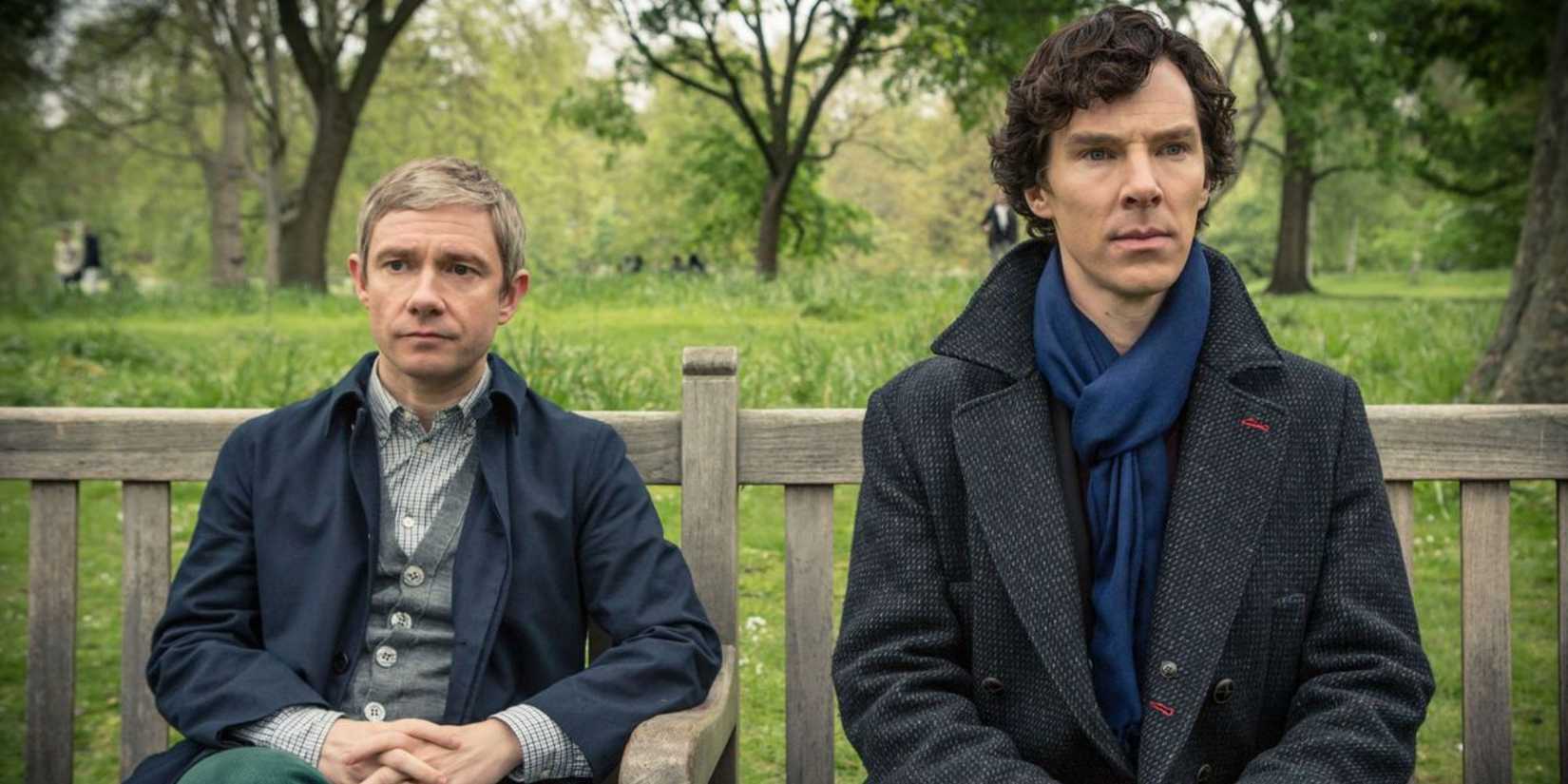 Image via BBC
Sherlock is a cultural phenomenon that has an immeasurable cultural impact: it made Benedict Cumberbatch and Martin Freeman global stars, gave Andrew Scott a career boost, and sparked a wave of Sherlock-like shows that followed the same high-concept thread of intelligent, twisty storytelling. The writing by Mark Gatiss and Steven Moffat is relentless and clever, packing each episode with more plot than most shows manage in a season. Despite reaching heights of immortality in modern canon, Sherlock becomes slightly overstuffed in later episodes, reaching for conclusions that feel out of the blue and more for shock value; some parts haven't aged as well, though the series overall is great.
Sherlock follows consulting detective Sherlock Holmes (Cumberbatch) and his flatmate and partner John Watson (Freeman) as they solve impossible cases that baffle Scotland Yard. Over the course of 13 episodes (including a special), the show reimagines Holmes for the 21st century, complete with text message overlays, rapid-fire deduction scenes, and a queer-coded Moriarty arc that dominated pop culture worldwide. Cumberbatch and Freeman's chemistry is the stuff of television legend, encapsulating the spirit of the initial collaboration, and the show is a great gateway into the modern world of Sherlock Holmes.
2 'Elementary' (2012–2019)
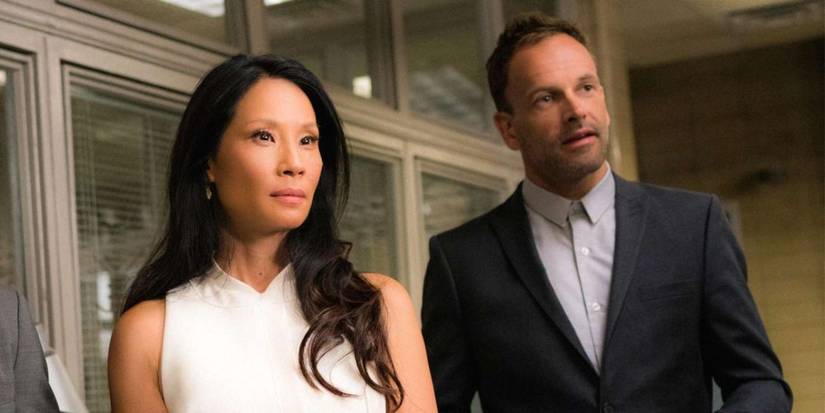 Image via CBS
Elementary is genuinely a triumph of modern Sherlock adaptations, which, of course, didn't go without its own set of doubts and controversy. Firstly, setting Sherlock in NYC and then introducing a female Watson was enough for hardcore fans to boycott, but Lucy Liu isn't just anyone. Her Watson is just as brilliant and intuitive, which even Sherlock acknowledges in the series. Jonny Lee Miller thrills as Sherlock, too, showing a human and flawed side unlike many other actors have. The show holds a 95% Rotten Tomatoes score and maintains quality across seven seasons, serving as an ideal murder mystery that is also basically a Sherlock Holmes story.
After a fall from grace in London, a recovering addict, Sherlock Holmes, moves to New York City, where his father forces him to live with a sober companion—former surgeon Dr. Joan Watson. Together, they consult the NYPD on impossible cases, gradually building one of television's most compelling platonic partnerships across seven seasons and 154 episodes. This is what constitutes a slow burn, indeed, since rare TV shows have as many seasons and episodes today; for those who do prefer this kind of pace and solid, continuous character development over flashy set pieces, Elementary is the best possible version of Sherlock Holmes you can wish for.
1 'Young Sherlock' (2026–Present)
Young Sherlock is fresh in our minds and might not be exactly what we expect out of a classic Sherlock story, but isn't that good? It is, in all respects, a typical Guy Ritchie show and a perfect companion to his equally tongue-in-cheek and kinetic Sherlock Holmes movies with Robert Downey Jr. Young Sherlock pays attention to the source material without being an over-the-top Ritchie thing. It also introduces the first-ever genuinely likable Moriarty, and Dónal Finn will be very difficult to dislike if the show continues, and we get to see his nemesis arc.
Young Sherlock serves as an origin series, following a 19-year-old Sherlock Holmes (Hero Fiennes Tiffin) as a genius troublemaker given a menial job at Oxford University by his older brother Mycroft (Max Irons). There he meets James Moriarty (Finn), a fellow brilliant outsider, and Princess Shou'an (Zine Tseng), whose stolen precious scrolls draw them into a murder investigation that expands into a globe-trotting conspiracy. Whether you consider Young Sherlock just dumb fun and unlike any other Sherlock venture, you'll likely enjoy Elementary or a rewatch of Sherlock a lot more—and that's perfectly OK. Young Sherlock still has a mind palace, a complete lack of fighting skills, and incredible humanity that makes him sympathetic and likable enough to want to watch him evolve, and that is just as great.
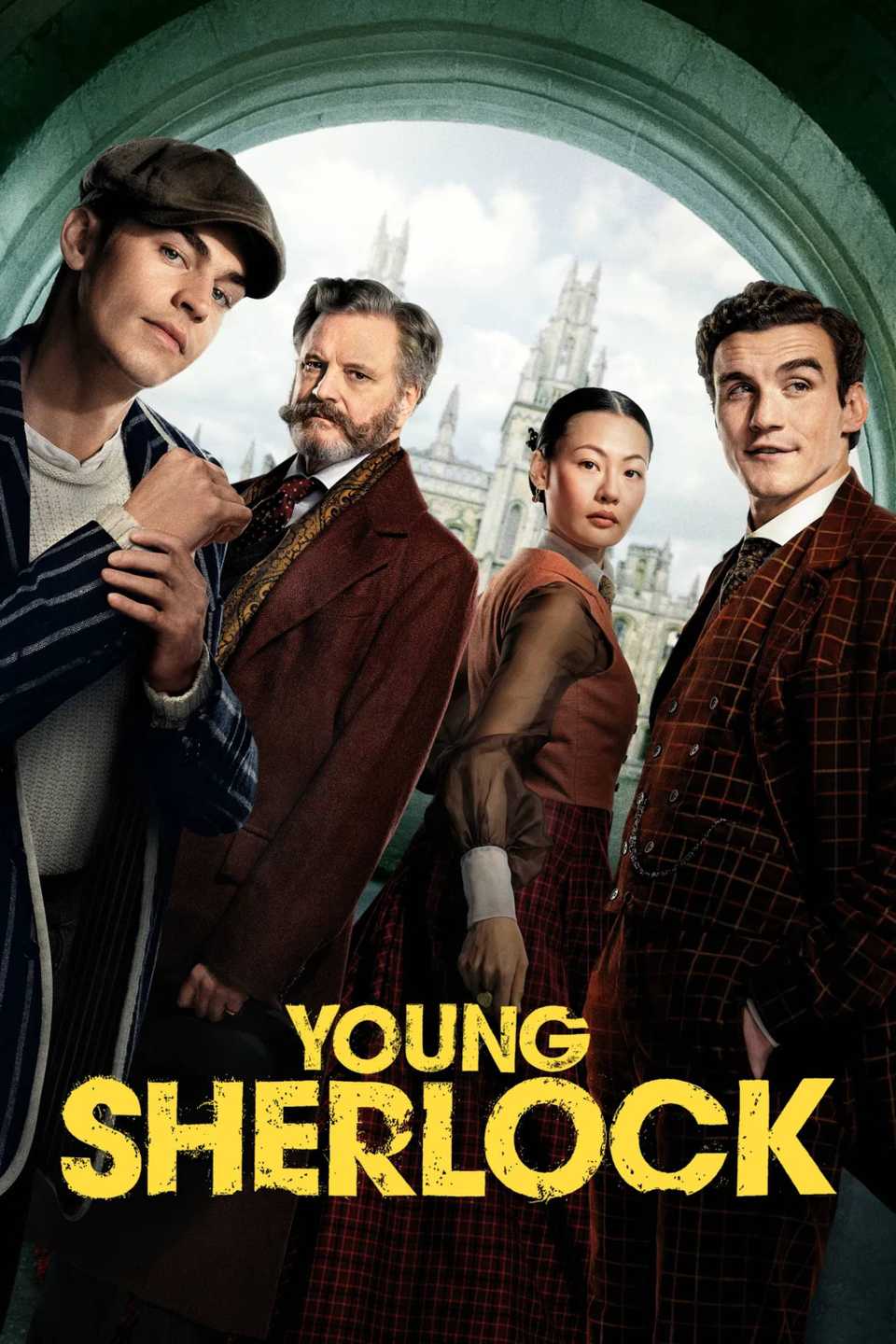
Young Sherlock
Release Date March 4, 2026
Network Prime Video
Showrunner Matthew Parkhill
-

-

Zine Tseng
Princess Gulun Shou’an






 English (US) ·