
 Image via Warner Bros. /Courtesy Everett Collection

Published Feb 21, 2026, 6:52 PM EST
Liam Gaughan is a film and TV writer at Collider. He has been writing film reviews and news coverage for ten years. Between relentlessly adding new titles to his watchlist and attending as many screenings as he can, Liam is always watching new movies and television shows.
In addition to reviewing, writing, and commentating on both new and old releases, Liam has interviewed talent such as Mark Wahlberg, Jesse Plemons, Sam Mendes, Billy Eichner, Dylan O'Brien, Luke Wilson, and B.J. Novak. Liam aims to get his spec scripts produced and currently writes short films and stage plays. He lives in Allentown, PA.
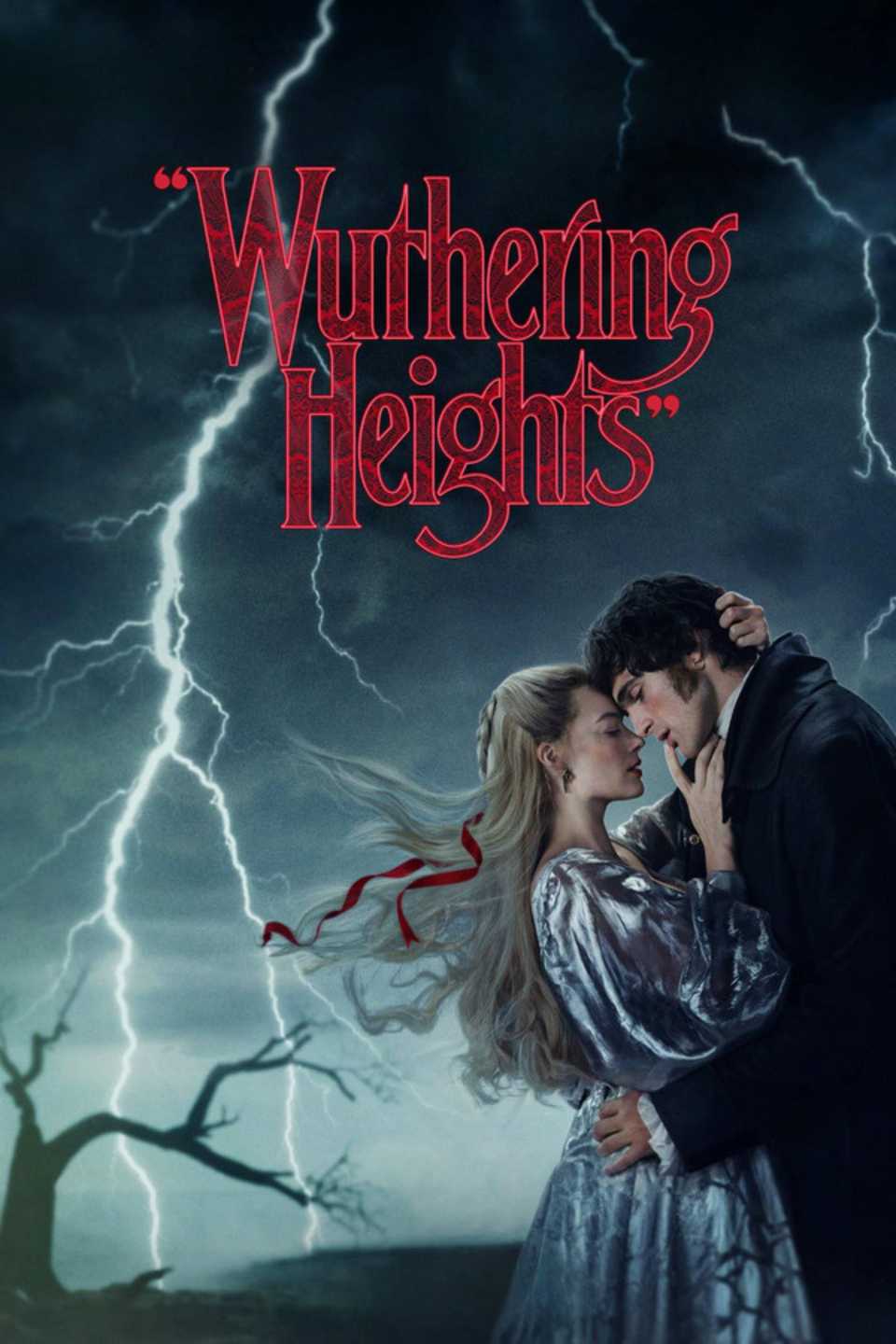
The oddest aspect of Emerald Fennell’s adaptation of Wuthering Heights is that the film has been marketed on the exact quality that is absent in the novel. While Warner Bros. had proclaimed that Wuthering Heights is “the greatest love story of all-time,” it’s not a description that actually reflects the relationship between Catherine Earnshaw and Heathcliff, which is fraught with vengeance, nastiness, and emotional violence. It may have been Fennell’s intention to make something new out of the material that has nothing in common with the novel, but her originality doesn’t make the glaring issue with Wuthering Heights any less prominent. The relationship between Catherine (Margot Robbie) and Heathcliff (Jacob Elordi) is based on lust and separation, and the film erases that tension by making them intimate with one another.
As is the case with the novel, a young Catherine (Charlotte Mellington) meets Heathcliff (Owen Cooper) when her father (Martin Clunes) takes him off the street, and decides to become his paternal figure, despite also treating him as a second-class citizen. Although the relationship between Catherine and Heathcliff initially resembles that of siblings, they grow to become more infatuated with each other. Wuthering Heights works as a novel because both Catherine and Heathcliff’s desires for one another are unfulfilled when they are married to Edgar Linton (Shazad Latif) and his sister Isabella (Alison Oliver), respectively. Creating a sexual relationship between Catherine and Heathcliff doesn’t just contradict the source material, but renders the story’s tragic conclusion less effective.
Emerald Fennell’s ‘Wuthering Heights’ Lacks Romantic Tension
The most effective moments in Fennell’s version of Wuthering Heights occur within the first half, in which Catherine feels that she cannot be with Heathcliff because of the class differences between them; although the fact that she does not engage with the racial politics of the novel does make it harder to grasp the point, it still results in a heartbreaking moment when Heathcliff departs from Wuthering Heights to find fortune. Heathcliff’s return is less impactful because he is able to secretly have an affair with Catherine, which destroys the idealistic dream that they share of being together and finally being fulfilled. That they are able to consummate the relationship means that the sexual tension is diluted, as Fennell’s film is so packed with sex scenes (none of which are particularly raunchy) that they eventually lose their impact.

Related
This 'Wuthering Heights' Moment Exposes the Movie’s Biggest Heathcliff Problem
‘Wuthering Heights’ includes one of the novel’s most iconic moments without putting in the work to justify it.
The relationship is less complex in Fennell’s Wuthering Heights because there’s never the suggestion that Catherine or Heathcliff are ever actually in love with their respective partners. The novel depicts Catherine as being generally happy with Edgar, who treats her kindly and plans to raise a daughter with her; conversely, the film depicts Edgar as a mustache-twirling villain whom Catherine only marries in order to gain class legitimacy. Similarly, Heathcliff’s relationship with Isabella, which is more cruel and destructive in the book, is framed as a mutually agreed-upon partnership in the film. The Heathcliff of the novel marries Isabella, knowing that she is enamored with him, and uses her affection as a way of tormenting Catherine; however, the film gives more agency to Isabella, and suggests that she was aligned with Heathcliff’s goals. It’s a less interesting adaptive change because it ends up making Heathcliff and Catherine more sympathetic; Wuthering Heights is supposed to be a portrayal of two unhealthy, dangerous people who are drawn to one another, for better or worse. To portray it as a traditionally tragic romance makes it harder to justify the film’s rough edges and makes it easier to predict some of the moments intended to be gut-punching.
Margot Robbie and Jacob Elordi Don’t Have Chemistry in ‘Wuthering Heights'
The more explicit aspects of Wuthering Heights don’t register becausethe film is unclear about the characters’ ages, which makes their behavior less believable. The novel shows that, as adolescents, Catherine and Heathcliff were unable to suppress their hormonal feelings and became completely controlled by their most primal desires. It’s simply not believable to cast Robbie and Elordi as teenagers, especially when considering that the two younger stars cast as the child versions of the characters have much better chemistry. There’s also the issue of Heathcliff’s ethnicity; while literary pundits have debated what race the character is intended to be, it is clear that Heathcliff is not of the same culture as Catherine, which is part of the reason that she finds him so alluring. That the characters in the film are both clearly of the same ethnic background (and are both played by Australian actors) ensures that this quality is nonexistent.
While the lack of chemistry between Robbie and Elordi might simply be a matter of how they were directed, the 2026 Wuthering Heights removes some of the thornier aspects of the characters’ relationship. The character of Catherine’s older brother Hindley, who in the novel is also Heathcliff’s abuser, ensures that there isn’t someone objecting to their relationship who is in their age range; that the second generation of characters, including Catherine’s daughter Cathy and Heathcliff’s son Linton, aren’t present means that the ramifications of their failed marriages don’t haunt the rest of the story. Fennell also hints at interesting ideas that aren’t fully explored; for example, Catherine says that she names Heathcliff after her dead brother, but there isn’t any exploration of the theory that they might be actual siblings due to an extramarital affair on Mr. Earnshaw’s part. Although Fennell’s ambition may have been to make a version of Wuthering Heights that is “hot and heavy,” the film is quite heavy, but not hot at all.
Wuthering Heights is now playing in theaters.
Release Date February 13, 2026
Runtime 136 Minutes
Director Emerald Fennell
Writers Emerald Fennell, Emily Brontë






 English (US) ·