


Published Feb 2, 2026, 8:00 PM EST
Adrienne Tyler is a movies & TV features writer, with a focus on horror. She has written for Netflix, FanSided, & more. She was a regular guest on the Netfreaks podcast and was a YouTuber at some point. Guillermo del Toro said “hi” to her once.
2026 has some big movies scheduled for a theatrical release, among them a book adaptation that is on its way to being the most controversial of the year. Book adaptations are often successful and can even spawn franchises, such as The Hunger Games, but others fail at bringing their source material to life.
2026 has a couple of book adaptations coming to the big screen, among them Wuthering Heights. Directed by Emerald Fennell, Wuthering Heights comes from the classic 1847 novel of the same name by Emily Brontë, and stars Margot Robbie and Jacob Elordi.
Wuthering Heights is one of the most anticipated movies of 2026, but also one of the most controversial, and its problems began when it was in pre-production.
Emerald Fennell’s Wuthering Heights Controversies Explained
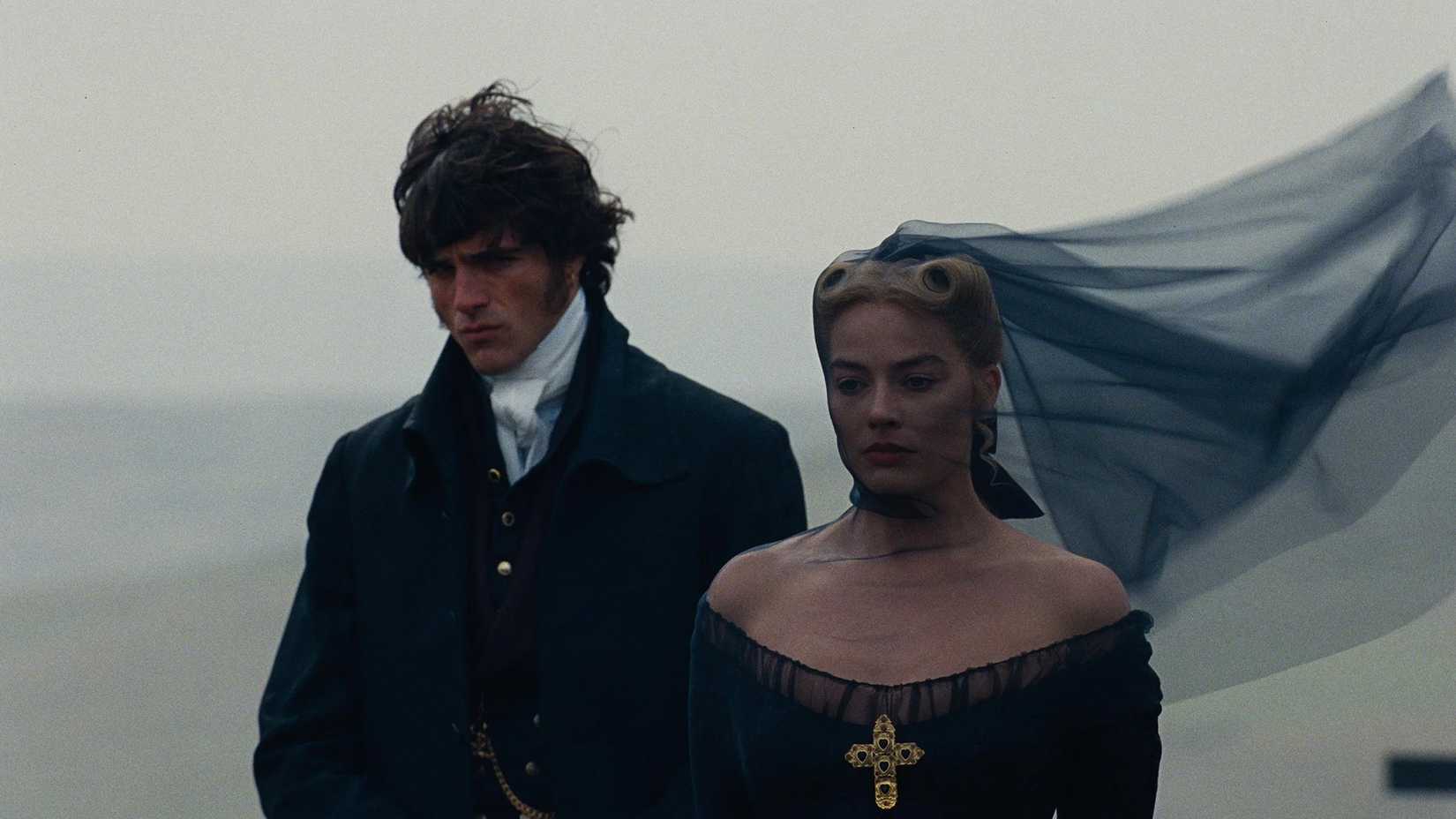
After the success of Promising Young Woman and Saltburn, Emerald Fennell announced her next project in July 2024: an adaptation of Brontë’s Wuthering Heights. Given the success of Fennell’s previous works, there was excitement around her adaptation of Wuthering Heights until the casting choices for the main characters were announced.
In September 2024, Margot Robbie was cast as Catherine Earnshaw and Jacob Elordi as Heathcliff, and so controversy around Fennell’s Wuthering Heights began. Readers pointed out on social media that Heathcliff isn’t a white man, though it’s important to point out that Heathcliff’s origins have been debated for years, as the novel gives different and even contradicting clues.
What most readers and experts seem to agree on, however, is that Heathcliff isn’t white, though some point out that the novel’s ambiguity can make way for different interpretations, including having Jacob Elordi playing the character. Fennell defended Elordi’s casting in 2025 (via BBC News), saying that, when she met him while filming Saltburn, he looked “exactly like the illustration of Heathcliff” in the first book she read.
The casting controversy wasn’t over when the first trailer for Wuthering Heights was revealed, which only made the controversy and backlash even bigger. The biggest complaints were the tone of the trailer and one line that reads “inspired by the greatest love story”, which only confirmed to those familiar with the book that major changes had been made to the story.
Fennell’s Wuthering Heights is already facing allegations of romanticizing a toxic relationship and omitting the darkest but very important parts of the novel, which alter the message and essence of the novel.
Is Wuthering Heights An Adaptation Of The Novel?

With all those controversies and changes, the biggest question around Fennell’s Wuthering Heights movie is if it’s an adaptation of the novel or something else. When the project was announced, it was labeled as an adaptation of Brontë’s novel, but the more it was revealed about it, the less it seemed like an adaptation.
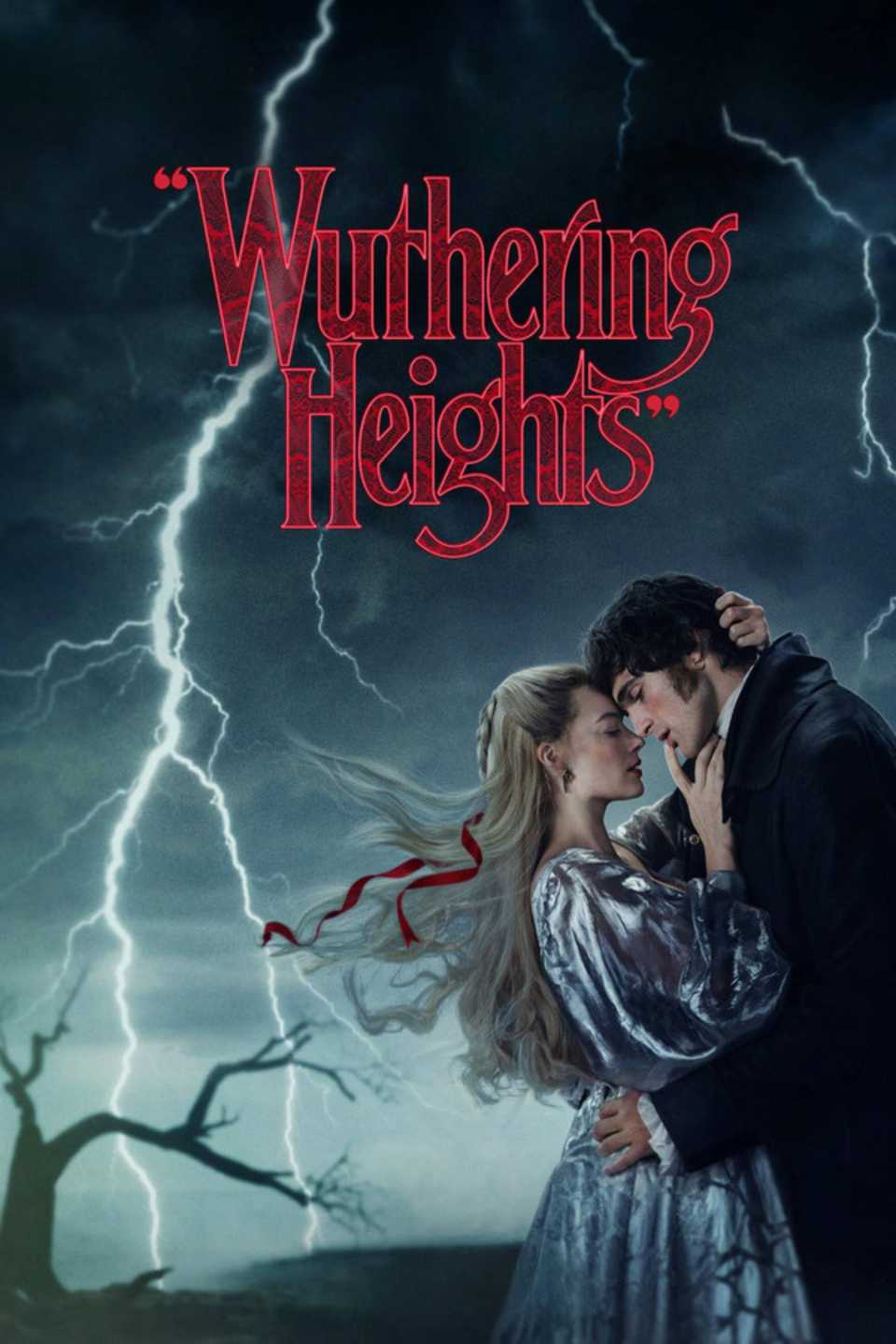
Wuthering Heights is now being marketed as a “reimagining” of the novel, with Fennell defending her version in different interviews. Fennell told BBC that she wanted to make something that made her “feel like I felt when I first read it”, which, along with the quotation marks accompanying the movie’s title, points to it being Fennell’s own interpretation of the book.
1 Wuthering Heights Theory Explains The Movie’s Biggest Controversy

The quotation marks on the title and the changes to the story, based purely on the trailers, have led to an interesting theory that explains Wuthering Heights’ story controversies. Fennell is no stranger to twists in her movies, and Wuthering Heights might not be the exception.
The theory suggests that the events of Wuthering Heights are happening inside Catherine’s mind. This would explain the romantic tone of the movie that’s unlike the one in the novel, as well as other story details that don’t add up. Catherine’s pain and loneliness could be driving her to insert herself in this romance narrative with Heathcliff, while her reality is the entire opposite.
This is why the movie’s title is in quotations, as the audience is seeing what Catherine has been imagining and not her reality, and definitely not what Brontë wrote. Another theory says that the movie is what a reader imagines the characters and their relationship to be like, hence the quotations and the romantic tones, though that would still be a controversial take.
Despite Its Controversies, Wuthering Heights Can Still Succeed
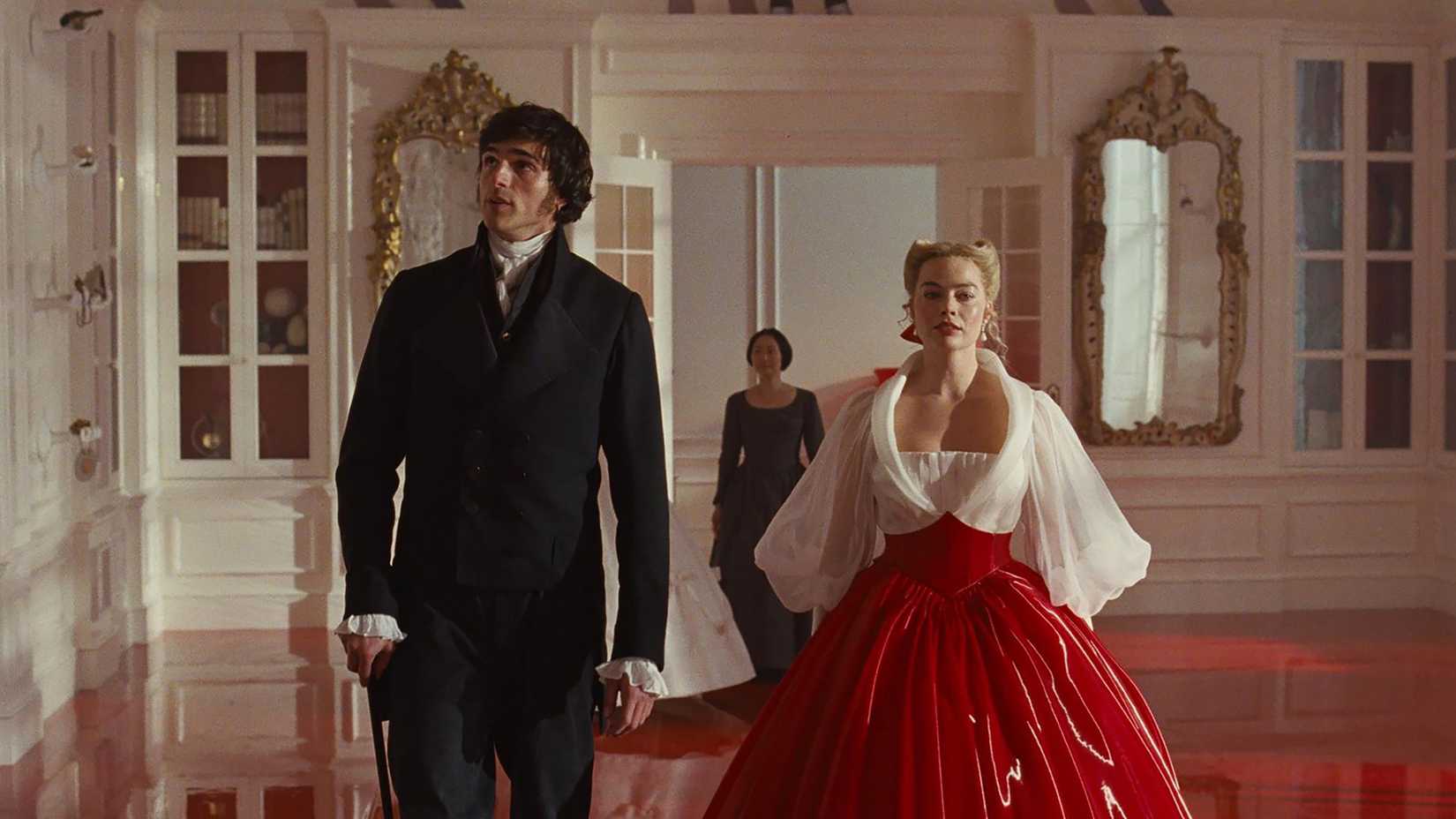
A movie’s controversies can either destroy it before its release or benefit it, and in Wuthering Heights’ case, it will most likely be the latter. Wuthering Heights has already generated conversation on social media, which has also created curiosity around it, whether out of genuine interest or to have solid reasons to not like it.
Wuthering Heights also has two strong lead actors who have been highly popular in recent years – Margot Robbie with projects like Barbie and Jacob Elordi with Guillermo del Toro’s Frankenstein – and who have a solid fanbase that will surely watch the movie. These are enough reasons for Wuthering Heights to succeed, and it can be even bigger if it justifies the changes made to the novel.
Wuthering Heights is already the most controversial book adaptation of 2026, and whether that controversy grows or dies down is to be seen. Wuthering Heights will most likely succeed at the box office and win some critics over, but the real critics, in my opinion, will be those who have read the book.
Source: BBC News.
Release Date February 13, 2026
Runtime 136 Minutes
Director Emerald Fennell
-

-

Owen Cooper
Young Heathcliff
-

-

Alison Oliver
Isabella Linton



 English (US) ·