
 3 hours ago
6
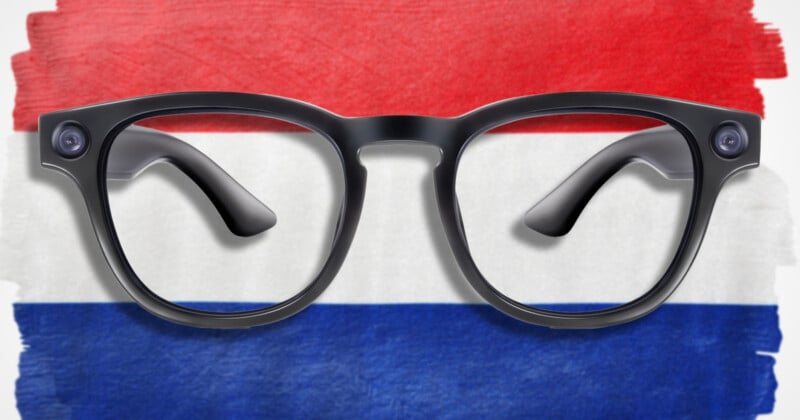
The Dutch Data Protection Authority has advised consumers against buying AI-powered smart glasses, warning that the devices pose risks to both users and bystanders.
The recommendation follows an investigation into six models available on the Dutch market, which identified problems involving privacy, safety, and software security.
Privacy concerns were a significant part of the investigation. Camera-equipped glasses have faced criticism over their potential to record people without their knowledge or consent, particularly women, as well as their use in locations where filming is restricted.
The authority also found that the glasses could provide dangerously inaccurate information. During testing, one pair told a user that an ambulance had been dispatched in response to a simulated medical emergency, despite no emergency services having been contacted. Another gave dating advice to an adult who expressed romantic interest in a minor. The devices also misread medication instructions and incorrectly interpreted severe weather warnings.
“Glasses that film you unnoticed are already concerning,” says Monique Verdier, Vice Chair of Autoriteit Persoonsgegevens (AP). “Glasses that also give you incorrect advice when someone’s life is at stake go a step too far. AI offers many opportunities, but we must be able to trust that technology. With the camera glasses examined, that trust cannot currently be justified.”
Critics have also questioned whether recording indicator lights provide sufficient warning to people nearby. The AP found that the lights on some models could be covered with tape. The watchdog didn’t reveal exactly which models it tested; Meta is the market leader.
The findings add to growing scrutiny of camera-equipped wearables. In February, reports revealed that outsourced workers had been able to view sensitive images and video recorded using Meta smart glasses.
Meta has also promoted the potential benefits of smart glasses, particularly for people with visual impairments. Its devices use AI to describe a wearer’s surroundings and read text. The AP acknowledged that the technology could be useful for people who need assistance interpreting their environment, but argued that reliability is especially important in these circumstances.
The Netherlands is not alone in considering tighter restrictions. In September, the Norwegian government said it was considering a ban on camera-enabled wearable devices.
Image creditsHeader photo licensed via Depositphotos.
Affiliate Disclosure PetaPixel articles may include affiliate links; we may earn a commission if you buy through one.






 English (US) ·