

Published Sep 16, 2026, 9:01 AM EDT
Ben Sherlock is a Tomatometer-approved film and TV critic who runs the massively underrated YouTube channel I Got Touched at the Cinema. Before working at Screen Rant, Ben wrote for Game Rant, Taste of Cinema, Comic Book Resources, and BabbleTop. He's also an indie filmmaker, a standup comedian, and an alumnus of the School of Rock.
It’s been almost two years since we lost David Lynch. As a cinematic visionary, Lynch was in a league of his own. No one else ever has or ever will make movies quite like Lynch. The dream logic, the ambiguity, the deeply disturbing visual symbolism, the refusal to explain anything or give an audience the comfort of closure — other directors have borrowed these hallmarks from Lynch, but none of his imitators have come close to reaching the same level of profundity or visual poetry.
Lynch was an entirely unique voice in filmmaking. From Eraserhead to Blue Velvet to Mulholland Drive, Lynch’s films are mysteries that his fans are still trying to solve; we’re still dissecting and deciphering his work to this day. Technically, Lynch’s final feature film was Inland Empire. Released in 2006, Inland Empire might be Lynch’s most experimental movie (and boy, is that saying a lot). In chronicling Laura Dern’s descent into madness, Lynch experimented with low-resolution digital cameras, stop-motion animation, and the joys of improv.
Inland Empire serves as a fitting swansong for Lynch’s directorial career. It sees one of the defining filmmakers of the 1970s adapting to a changing cinematic ecosystem. Where he once used film grain to give his movies texture and atmosphere, he used digital noise to the same effect in Inland Empire. As far as final films go, it’s pretty impressive. But, while it was the last feature that Lynch directed, it wasn’t his last piece of filmmaking.
Twin Peaks: The Return Was Essentially David Lynch's Last Movie

More than a decade after he directed Inland Empire, Lynch got back behind the camera to make a short film, What Did Jack Do? (a wonderful little piece where Lynch interrogates a talking monkey), and to keep a promise he’d made to Twin Peaks fans 25 years earlier. In 1991, before Twin Peaks was cancelled on a cliffhanger, Laura Palmer told Dale Cooper, “I’ll see you again in 25 years,” foreshadowing his 25-year stay in the Black Lodge.
25 years (and change) later, Twin Peaks returned to our screens and we did, indeed, see Cooper again. In the early ‘90s, Lynch took a break from making gonzo psychological horror epics for the big screen to make a gonzo psychological horror epic for the small screen. Twin Peaks set up a typical small-town soap opera populated with quirky, colorful characters, then added a creepy, Lynchian undercurrent with ghosts and demons and a portal to a dark dimension on the edge of town.
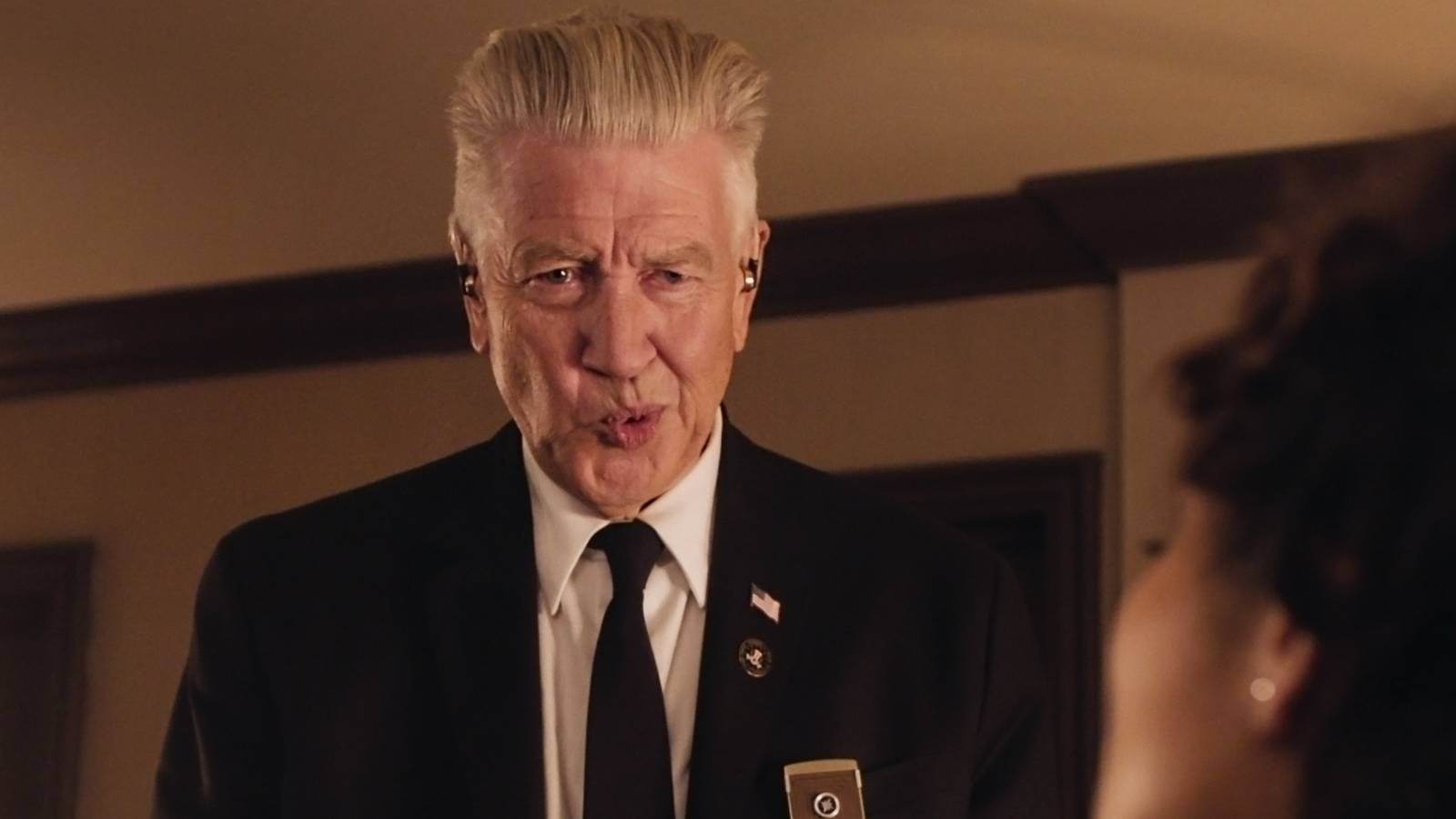
In 2017, Lynch got back in the director’s chair and finally went back to Twin Peaks to pick up Cooper’s story. It was advertised as a revival and not a third season for legal reasons, but Twin Peaks: The Return isn’t a reboot or a legacy sequel; it’s completely its own thing. It uses the first two seasons of Twin Peaks as a jumping-off point to explore all the themes and ideas and stories and characters that were nagging at Lynch later in life.
While it was released as an 18-part TV show on a TV network, Twin Peaks: The Return is basically just a really long movie. Some pundits have even categorized it as a film: Cahiers du Cinéma named Twin Peaks: The Return the best movie of the 2010s, and the 2022 Sight & Sound critics’ poll voted it the 152nd greatest film of all time.
Twin Peaks: The Return Was The Culmination Of Lynch's Entire Career

Cinematically and thematically, Twin Peaks: The Return was the culmination of Lynch’s entire career. It brought all the themes and motifs and aesthetics he’d been obsessed with throughout his oeuvre into one big, ambitious, cosmic gumbo.
The anxieties of Eraserhead, the nostalgia of Wild at Heart, the digital experimentation of Inland Empire — it’s all rolled into Twin Peaks: The Return. This is Lynch’s final statement on cinema, and what a statement.
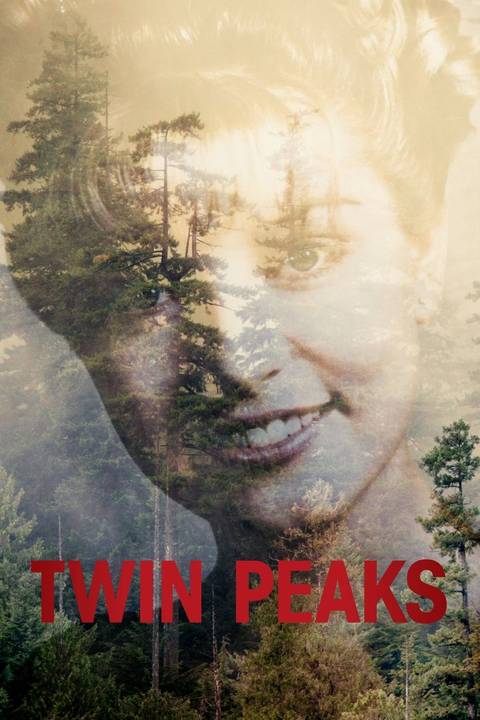
Twin Peaks

10/10
Release Date 1990 - 2017-00-00
Showrunner Mark Frost
Directors Lesli Linka Glatter, Caleb Deschanel, Duwayne Dunham, Tim Hunter, Todd Holland, Tina Rathborne, Diane Keaton, Graeme Clifford, James Foley, Jonathan Sanger, Mark Frost, Stephen Gyllenhaal
-
-

Piper Laurie
Katherine Martell



 English (US) ·