
 Image via Disney

Published Feb 19, 2026, 3:54 PM EST
Amanda M. Castro is a Network TV writer at Collider and a New York–based journalist whose work has appeared in Newsweek, where she contributes as a Live Blog Editor, and The U.S. Sun, where she previously served as a Senior Consumer Reporter.
She specializes in network television coverage, delivering sharp, thoughtful analysis of long-running procedural hits and ambitious new dramas across broadcast TV. At Collider, Amanda explores character arcs, storytelling trends, and the cultural impact of network series that keep audiences tuning in week after week.
Born and raised in Puerto Rico, Amanda is bilingual and holds a degree in Communication, Film, and Media Studies from the University of New Haven.
Long before nostalgia cycles started spinning, Christy Carlson Romano had already locked in one of Disney Channel’s most enduring performances. While many viewers first met her as the hyper-competitive Ren Stevens on Even Stevens, her most defining work came shortly after, and it didn’t even require being on camera.
With Kim Possible, Romano helped create a heroine who felt genuinely different from the animated leads surrounding her in the early 2000s. The show wasn’t just another Disney hit; it was a tonal tightrope walk that mixed spy parody, teen comedy, and sincere character work — and somehow made it all feel effortless.
‘Kim Possible’ Knew Exactly What Kind of Show It Wanted To Be
 Image via Disney
From the jump, Kim Possible had clarity of purpose. Bob Schooley and Mark McCorkle created a series about a teenage hero who leads two lives: one as a super-achieving high school student, the other as an international crime-fighter. Between preparing for algebra tests and cheerleading practice, Kim joins her best friend Ron Stoppable (Will Friedle) and his pet naked mole rat named Rufus (Nancy Cartwright) in an effort to stop Dr. Drakken (John DiMaggio) and his sidekick Shego (Nicole Sullivan) from carrying out their evil plans.
While the concept alone might have seemed gimmicky, this program makes good use of the combination of two genres. The pace of each episode is fast, the dialogue is quick and comedic, and the fight scenes borrow enough from classic spy movies to have a satirical feel without being actual parodies.
What really keeps the series humming is its understanding that saving the world isn’t actually Kim’s biggest challenge — being a teenager is, and isn't that concept ever relatable? The show repeatedly mines humor and tension from that contrast, giving the story emotional grounding that many action cartoons of the era lacked.

Related
How Netflix’s Oscar-Nominated ‘KPop Demon Hunters’ Made Its Speaking Trio the Voices of a Phenomenon
Ji-young Yoo, May Hong, and Arden Cho reveal how their personal backgrounds and identities allowed them to connect deeply with their roles.
Christy Carlson Romano Gives Kim Possible Her Staying Power
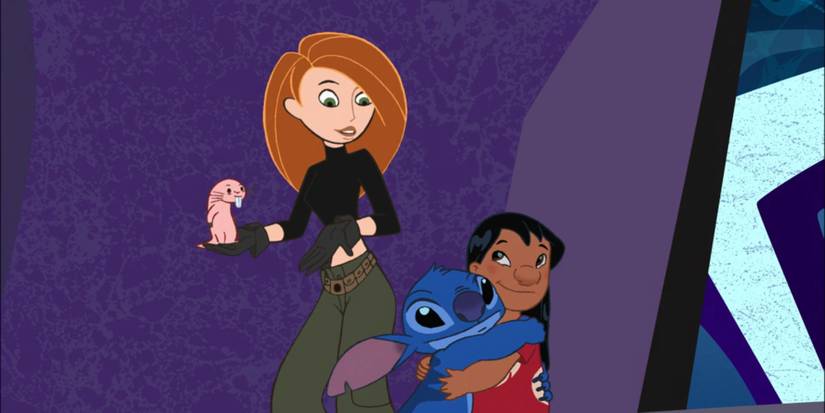 Image via Walt Disney Television Animation
Voice acting can make or break an animated lead, and Romano’s performance is a huge reason Kim still works today. Where her Ren Stevens leaned sharp and overtly comedic, Kim required a more careful balance. She performed with self-assuredness without coming across as egotistical; very confidently but not too obviously to the point of appearing unbeatable or indestructible. There was always an underlying suggestion that she had more challenging circumstances to deal with than she may have initially portrayed to others, especially as it pertained to the pressures of being in school, and that it was becoming increasingly difficult for her to manage than it was with the evil actions of super villains. This hidden vulnerability made the character relatable, no matter how big the problem became. It’s also what separates this role from Romano’s earlier Disney fame. Ren was memorable, but Kim became aspirational for a generation of viewers. The performance carries warmth, timing, and just enough teenage exasperation to keep the character grounded.
Another reason Kim Possible remains so watchable is that the series never relied on Kim alone to carry the weight. Ron’s anxious energy gave the show much of its comedy engine, while Shego’s dry, unimpressed menace provided a perfect foil on the villain side. Wade (Tahj Mowry), her guy in the chair, meanwhile, quietly foreshadowed the hyper-connected tech culture that would soon become an everyday reality.
The writing also deserves credit for trusting its audience. Humor is frequently used for self-agreement rather than dismissed, and there is enough character growth across the four seasons that the emotional beats hit hard. By the end of the series in 2007, the show had created something that felt more united than most of its contemporaries.
Why This Remains Christy Carlson Romano’s Defining Role
 Image via Disney Channel
Romano has taken on plenty of projects throughout her career, but Kim Possible stands apart. The role gave her longevity, cultural staying power, and a character with real dimensionality — not just a punchline machine or stock Disney protagonist.
Just as importantly, the show arrived at a moment when female-led action animation on American TV still wasn’t the norm. Kim wasn’t framed as an exception or a novelty; she was simply the hero, full stop. The series' enduring appeal stems largely from its seamless blend of humor, storytelling, and adolescent angst.
The show's formula of snappy dialogue, fast-paced narrative, and a lead actor who knows when to keep her composure and when to show some teenage anxiety, including Romano's rise to fame and, ultimately, as Kim Possible, positions Kim Possible as one of her most successful shows.



 English (US) ·