
 9 hours ago
5
9 hours ago
5
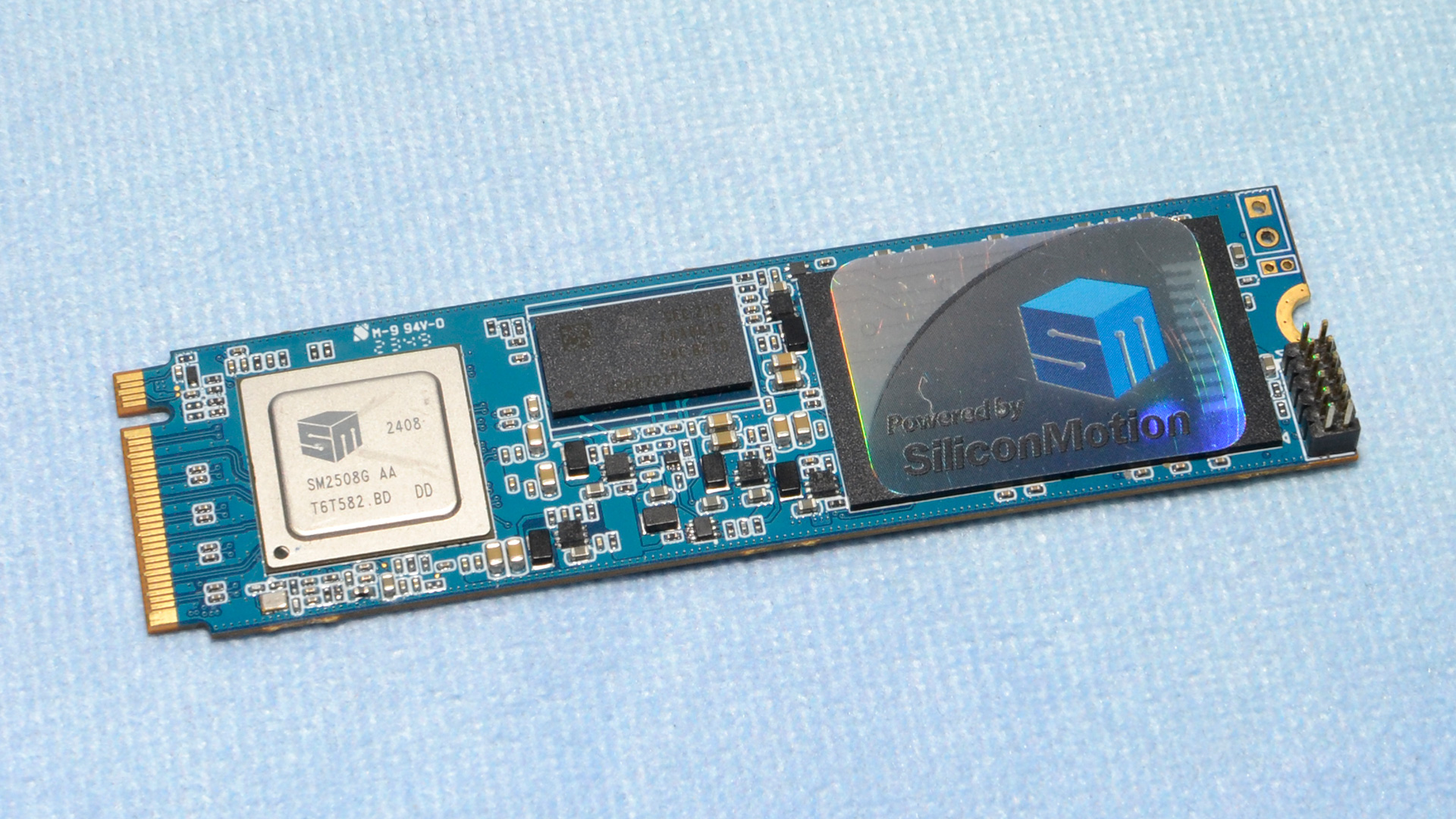
China-based manufacturers of memory modules and solid-state drives may have an unexpected advantage over their overseas peers. That advantage could be China's government guidance for domestic memory makers to ship more chips to local makers of DRAM modules, SSDs, PCs, and smartphones to support these industries, said Nelson Duann, a senior vice president of Silicon Motion, in an interview with Tom's Hardware.
"China has domestic NAND and DRAM makers, and their strategy is not the same as that of foreign memory suppliers," Duann told us during the interview. "Because they receive government support, they also have a responsibility to help maintain the health of the local market."
Sales of memory modules and solid-state drives have declined drastically in retail in recent quarters due to massively increased prices of DRAM and NAND as the Big Three memory makers prioritize shipments of their chips to AI and data center customers that buy higher volumes and can pay higher prices for premium chips, which is why all memory devices are getting more expensive. As a result, not only memory module and SSD producers have been affected, but also suppliers of smartphones and PCs.
But China-based manufacturers of DRAM and flash memory, such as CXMT and YMTC, may be obliged to support local industries, including producers of DRAM and SSD modules as well as smartphones and PCs, by China's federal or local governments.
"Foreign suppliers generally follow the highest-return opportunities and can allocate most of their supply to data centers," Duann said. "Chinese suppliers cannot do that in the same way because the government can provide guidance and encourage them to support certain local industries."
Indeed, while companies like ChangXin Memory and Yangtze Memory employ thousands of people, the DRAM and SSD module, smartphone, and PC industries employ hundreds of thousands of workers. While domestic AI and data center sectors are important, keeping the electronics industry afloat is even more crucially important for China's federal and local governments, as unemployment can hurt the country more than the lack of an AI model or service.
That said, it is not surprising that Lenovo has already adopted memory made in China in its systems, while other multinational vendors like Acer, Dell, and HP are evaluating such chips. Furthermore, even well-known module brands like Corsair and Patriot Memory have started using Chinese DRAM chips and SSD platforms in a bid to ensure a steady supply.
For more details, check out the whole interview with Nelson Duann on Tom's Hardware.

Follow Tom's Hardware on Google News, or add us as a preferred source, to get our latest news, analysis, & reviews in your feeds.





 English (US) ·