


Published Apr 22, 2026, 8:30 PM EDT
Ben Sherlock is a Tomatometer-approved film and TV critic who runs the massively underrated YouTube channel I Got Touched at the Cinema. Before working at Screen Rant, Ben wrote for Game Rant, Taste of Cinema, Comic Book Resources, and BabbleTop. He's also an indie filmmaker, a standup comedian, and an alumnus of the School of Rock.
Until a couple of years ago, Blumhouse was an untouchable hit factory. They turned low-budget, low-risk horror movies like The Purge and Paranormal Activity into blockbuster franchises. They could spend a couple of million dollars on a fiercely original cinematic vision like Get Out, and get hundreds of millions (and maybe even a Best Picture nomination) in return. Even when the studio broke into bigger I.P. with Halloween and Five Nights at Freddy’s, they continued to pump out hit after hit.
But, in the last couple of years, Blumhouse has started taking bigger risks with more expensive (and more experimental) movies. Bigger risks yield bigger rewards, but they also leave the door open to bigger losses. M3GAN 2.0 was supposed to be a guaranteed hit — and, honestly, I loved it — but the audience that fell in love with the campy horror style of the original didn’t jibe with the new action thriller aesthetic, and the sequel was an unmitigated box office disaster.
In 2020, Blumhouse released one of its most critically and commercially successful films, The Invisible Man. Saw co-creator Leigh Whannell reimagined the classic Universal monster movie as a modern-day thriller about abuse. Whannell told a genuinely engaging story about the horrors of domestic violence, and layered the horror on top of it, using the titular invisible man as a visual metaphor for the trauma of an abusive relationship hanging over a survivor.
The Invisible Man proved to be so lucrative for Blumhouse that they decided to turn it into a mini cinematic universe. In Q1 of 2025 and Q2 of 2026, Blumhouse released two follow-ups to The Invisible Man, reenvisioning other Universal monsters into a modern domestic drama. They remade The Wolf Man as Wolf Man, a relationship drama about a married couple on the brink of divorce (directed and co-written by Whannell himself), and now, they’ve remade The Mummy as Lee Cronin’s The Mummy (directed and written by — you guessed it — Lee Cronin), a family drama about the return of a missing child. Granted, Blumhouse’s Universal monster movie universe has been a lot more successful than Universal’s own failed Dark Universe, but that’s not saying much.
In both cases, a Universal monster movie masterpiece is revamped as a modern low-budget Blumhouse production, with a small handful of main characters and a couple of major locations. They’re the Insidious versions of The Mummy and The Wolf Man, and they have a lot in common, but Blumhouse’s The Mummy is a massive improvement over Blumhouse’s Wolf Man.
The Emotional Core Of Lee Cronin's The Mummy Actually Resonates
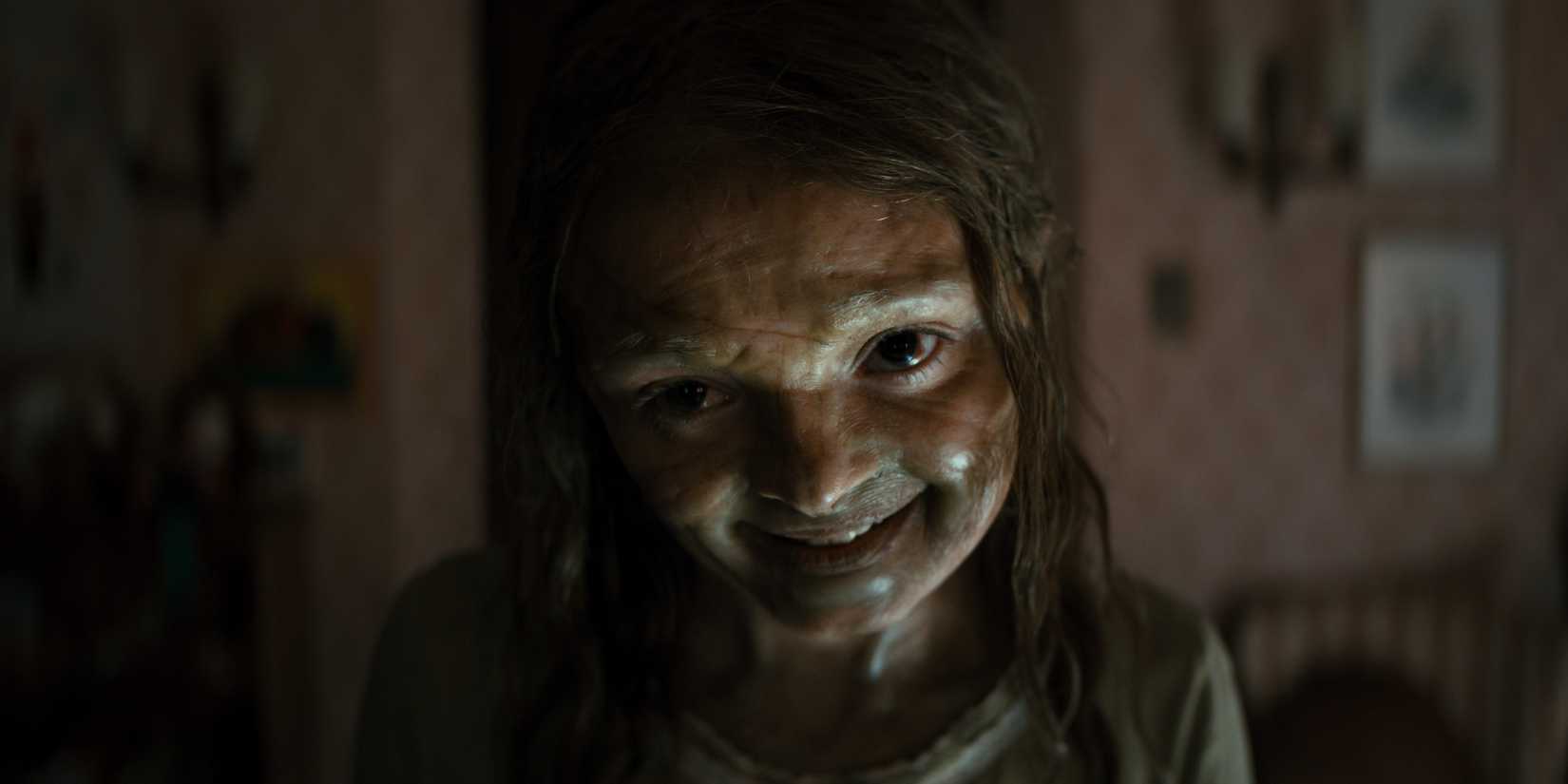
Both Wolf Man and Lee Cronin’s The Mummy try to emulate what made The Invisible Man work so well, by blending a real-life social issue into the familiar supernatural horror, in order to make it feel “important.” Both of these reboots have an emotional core underneath the thrill of the monster’s rampage. In Wolf Man, a husband and wife reckon with the dissolution of their marriage, and the husband deals with the generational trauma passed down by his monster-obsessed dad.
It’s a solid baseline for a Wolf Man movie that’s about more than just slashings and silver bullets and moonlight metamorphoses. Christopher Abbott’s failure to communicate with his wife is symbolized through his The Fly-like transformation into an animal, and his dad’s memory haunting him is symbolized through his dad’s werewolf form terrorizing him through the night. But that dramatic story just falls flat, because it’s generic, undercooked, and worst of all, predictable.
About an hour before the reveal of the Wolf Man’s tattoo was treated as a mind-blowing twist, I guessed that the werewolf tormenting the family was Christopher Abbott’s dad — it was just too neat a metaphor for the character’s generational trauma — and, lo and behold, that was exactly the case. Wolf Man doesn’t work as a horror movie, and it doesn’t work as a drama. But Lee Cronin’s The Mummy is different; it does work as a horror movie, and it works as a drama, too.
Much like The Omen and The Exorcist, The Mummy uses the story of a child being possessed by a demon and turning into a killer as a monstrous metaphor for the anxieties of parenthood. It touches on every parent’s fear of losing their child, being unable to protect their child, and raising their child to be a bad person. The dramatic stuff doesn’t land quite as smoothly or delicately as Ellen Burstyn’s incredible performance as Chris MacNeil, but it lands much, much better than any of the drama in Wolf Man.
Lee Cronin's The Mummy Is Built On A Solid Story
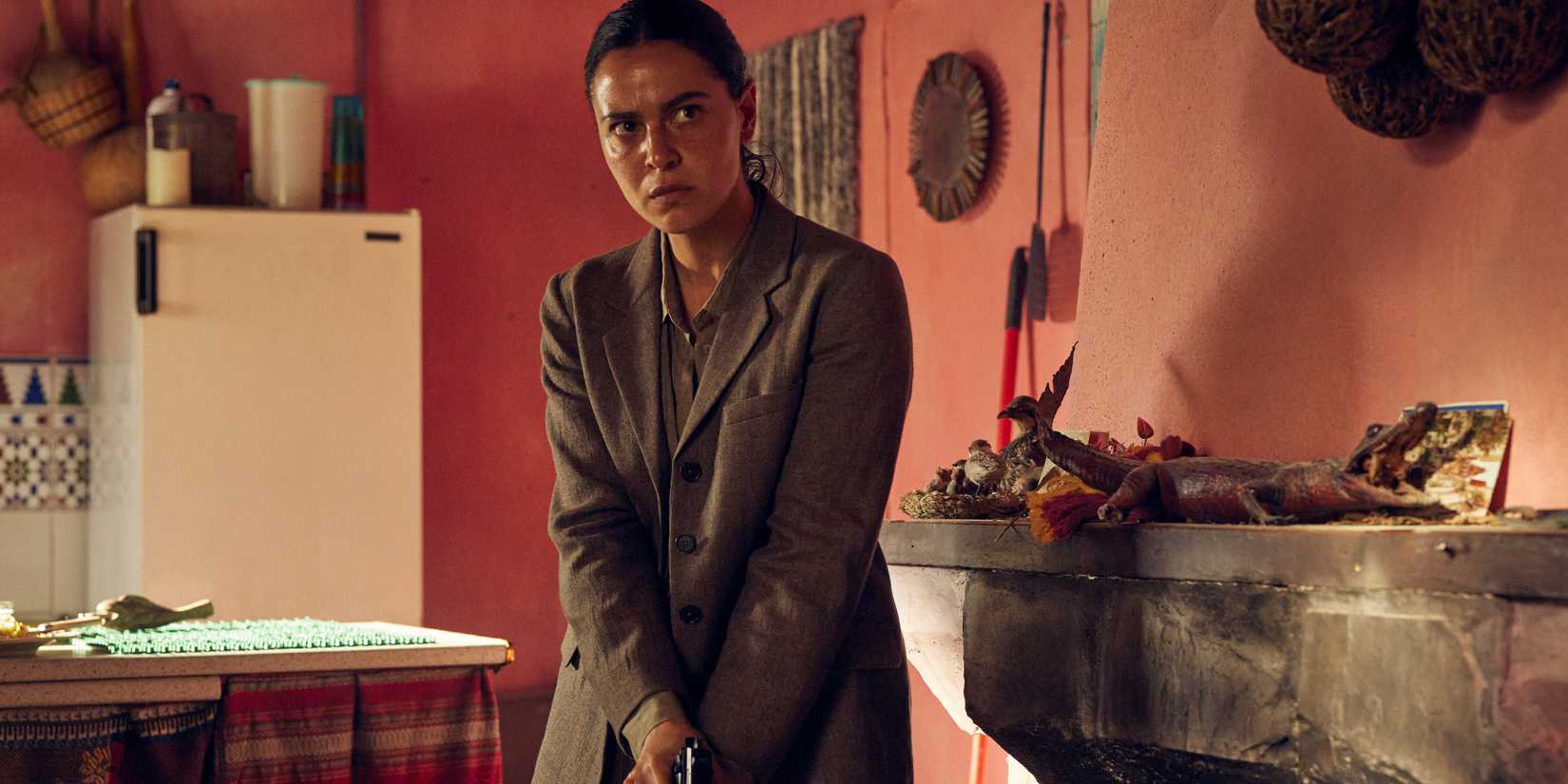
Although the script could’ve done with a couple more drafts to tighten it up and streamline some of the more convoluted subplots, Lee Cronin’s The Mummy is a damn good story. It’s nothing groundbreaking, and it touches on tropes and themes we’ve seen in hundreds of other horror films: the old recordings of ancient curses are ripped straight from The Evil Dead (which makes sense, because Cronin’s last movie was Evil Dead Rise), and everything from the possessed little girl to the religious artifact unearthed in the desert is taken from The Exorcist.
But it’s a solid enough story, about compelling enough characters, to keep you engaged from start to finish, which is more than Wolf Man managed to do. I was never particularly interested in the story of Wolf Man, and I completely checked out about halfway through. But I was with Lee Cronin’s The Mummy from the moment the sarcophagus was first unearthed to the moment all the cast members converged at the family home for the relentlessly intense, delightfully gruesome finale.
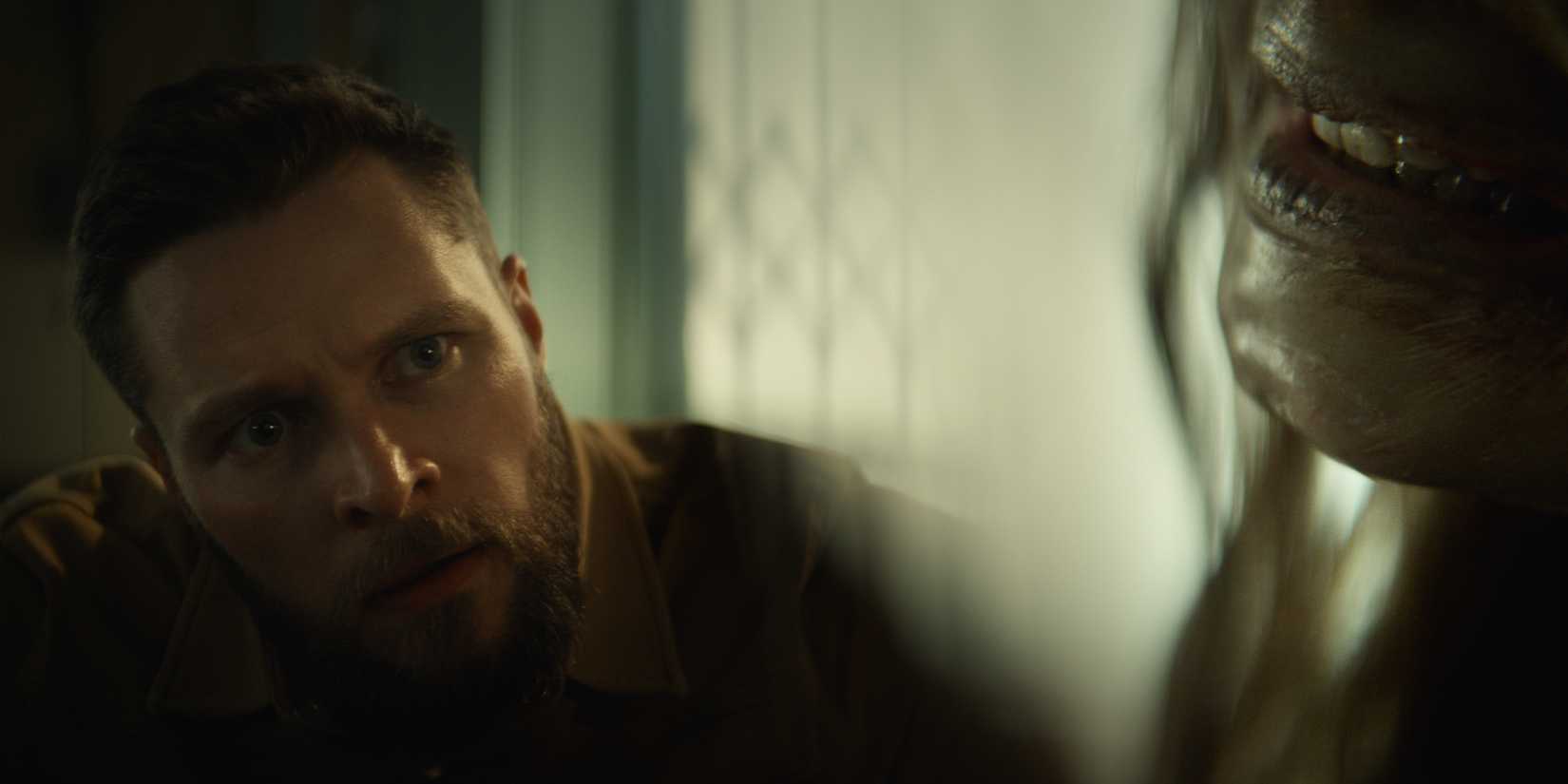
While it fixes a lot of the problems I had with Wolf Man, Lee Cronin’s The Mummy does share one glaring flaw with Blumhouse’s last monster movie remake: the actors’ chemistry often feels stiff and unconvincing. In Wolf Man, I never believed Christopher Abbott and Julia Garner as a married couple for a second.
In Lee Cronin’s The Mummy, the family dynamic is more believable, but there are a few false notes in the performances. Whenever Jack Reynor flew off the handle as a desperate father searching for his daughter, I just didn’t buy the rage. When Laia Costa broke down like she was standing in front of a fainting couch, I felt like I was watching a cheesy soap opera.
Lee Cronin's The Mummy

7/10
Release Date April 17, 2026
Runtime 136 Minutes
Director Lee Cronin
Writers Lee Cronin





 English (US) ·