

Hannah is a senior writer and self-publisher for the anime section at ScreenRant. There, she focuses on writing news, features, and list-style articles about all things anime and manga. She works as a freelance writer in the entertainment industry, focusing on video games, anime, and literature.
Her published works can be found on ScreenRant, FinanceBuzz, She Reads, and She Writes.
For nearly twenty years, Avatar: The Last Airbender has been treated as one of the safest bets in modern animation. It’s a generational touchstone, endlessly rewatched, endlessly merchandised, and endlessly cited as proof that Western animation can rival anime in scope and emotional weight. A theatrical animated comeback always felt inevitable.
That’s why Paramount’s decision to yank The Legend of Aang: The Last Airbender from theaters and dump it exclusively onto Paramount+ feels less like a scheduling change and more like a quiet execution. This wasn’t just another animated movie. It was supposed to announce Avatar’s future. Instead, it confirms that streaming has fundamentally changed how studios value even their most beloved franchises.
The Legend of Aang Went From Event Film to Streaming Content
Pulling The Legend of Aang from theaters sends a blunt message about how Paramount sees Avatar’s ceiling. Theatrical releases are reserved for projects studios believe can cut through cultural noise and justify massive marketing spends. By moving the film to Paramount+, the company is effectively admitting it no longer views Avatar as a box office driver.
This decision stings because Avatar should be tailor-made for theaters. Its bending battles, elemental powers, and painterly environments were built for large screens. Animation fans routinely show up for visually ambitious films, and Avatar’s art direction has always been one of its biggest selling points. Choosing streaming over cinemas undercuts the franchise’s biggest strengths.
The move also reframes The Legend of Aang as “content” rather than an event. Streaming premieres are disposable by design, swallowed by algorithms and release schedules. A theatrical debut would have given the film cultural gravity, reviews, box office headlines, and a sense of permanence. On streaming, it risks becoming another thumbnail.
Without theatrical receipts to justify sequels, The Legend of Aang now carries the unspoken pressure of having to be a viral phenomenon like KPop Demon Hunters just to survive beyond one installment.
Worse, this likely kills any long-term film ambitions. Studios don’t greenlight trilogies based on streaming buzz unless numbers are overwhelming. Without theatrical receipts to justify sequels, The Legend of Aang now carries the unspoken pressure of having to be a viral phenomenon like KPop Demon Hunters just to survive beyond one installment.
Avatar is a Franchise Caught in Corporate Limbo

The timing of this decision exposes deeper instability at Paramount. Post-merger leadership shifts have left the studio cautious, conservative, and increasingly risk-averse. Rather than betting on theatrical animation, Paramount appears content to retreat into streaming exclusivity, even if that means shrinking the perceived scale of its biggest properties.
Avatar Studios was originally pitched as a bold expansion of the universe, spanning films, series, and new eras of storytelling. Moving everything exclusively to Paramount+ reframes that ambition. Instead of building a multimedia powerhouse, the studio is consolidating Avatar into a retention tool designed to keep subscribers from canceling.
This strategy becomes more questionable when you look at Paramount’s 2026 theatrical slate. Without The Legend of Aang, the schedule is thin, relying on legacy horror sequels, family franchises, and brand recognition rather than true four-quadrant hits. Avatar could have been the crown jewel. Instead, it’s been sidelined.
There’s also an uncomfortable comparison to be made with other animated franchises. Family and fantasy animation still perform theatrically when studios commit to them. The success of visually driven animated films proves audiences will show up when studios treat animation as cinema, not just streaming filler.
By choosing the safer streaming route, Paramount isn’t protecting Avatar. It’s limiting it. The franchise’s future is now tied to internal metrics rather than public success, making its long-term survival far more fragile.
What This Means for Avatar’s Long-Term Future
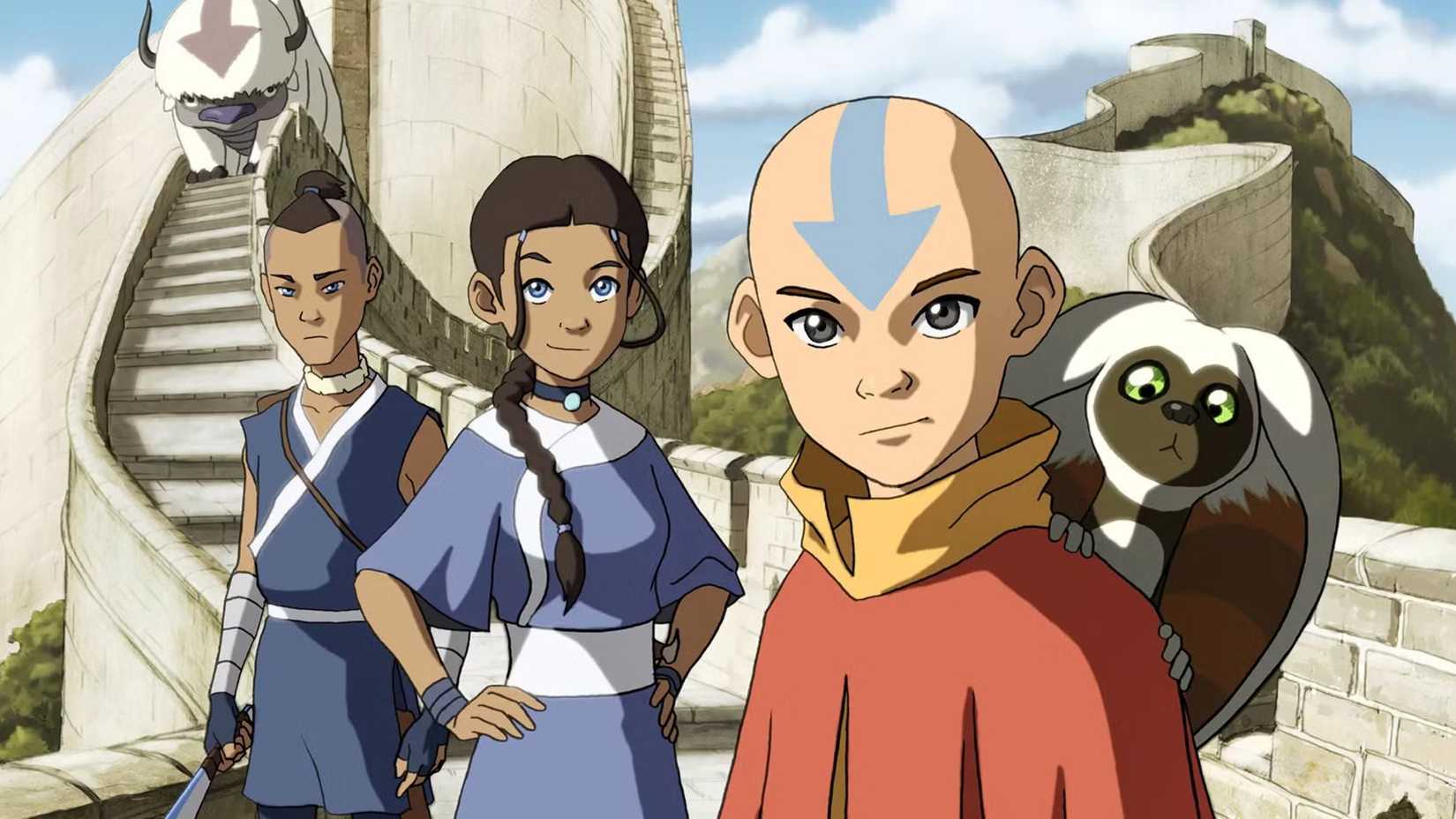
Streaming exclusivity fundamentally changes how audiences engage with Avatar. The franchise shifts from a shared cultural experience to something fragmented, watched at different times, on different screens, with far less collective momentum. That loss of communal viewing weakens Avatar’s cultural footprint over time.
The irony is that Avatar remains enormously popular across platforms. The original series thrives on Netflix, consistently pulling in new fans years after its finale. That success highlights a growing contradiction, because Avatar’s biggest wins aren’t happening where Paramount wants them to, but where accessibility and visibility are highest.
This raises uncomfortable questions about ownership versus reach. Paramount may control Avatar Studios, but Netflix controls much of Avatar’s modern audience pipeline. By locking future content behind Paramount+, the franchise risks shrinking instead of expanding, especially among casual viewers unwilling to subscribe for a single property.
The introduction of new projects like Avatar: Seven Havens further reinforces this streaming-first philosophy. While new stories are welcome, their impact will likely be muted without theatrical fanfare. Instead of feeling like the next era of Avatar, these projects risk blending into the endless scroll of original programming.
Streaming didn’t just pull the trigger on this movie’s release plan, it fundamentally reshaped what Avatar: The Last Airbender is allowed to be moving forward.
Ultimately, pulling The Legend of Aang from theaters feels like the moment Avatar’s future quietly narrowed. Not ended outright, but downsized, cautious, and confined. Streaming didn’t just pull the trigger on this movie’s release plan, it fundamentally reshaped what Avatar: The Last Airbender is allowed to be moving forward.
Created by Michael Dante DiMartino, Bryan Konietzko
Latest TV Show Avatar: The Last Airbender

 English (US) ·