


Published Feb 25, 2026, 3:34 PM EST
Tom is a Senior Staff Writer at Screen Rant, with expertise covering everything from hilarious sitcoms to jaw-dropping sci-fi epics.
Initially he was an Updates writer, though before long he found his way to the TV and movies team. He now spends his days keeping Screen Rant readers informed about the TV shows of yesteryear, whether it's recommending hidden gems that may have been missed by genre fans or deep diving into ways your favorite shows have (or haven't) stood the test of time.
Tom is based in the UK and when he's not writing about TV shows, he's watching them. He's also an avid horror fiction writer, gamer, and has a Dungeons and Dragons habit that he tries (and fails) to keep in check.
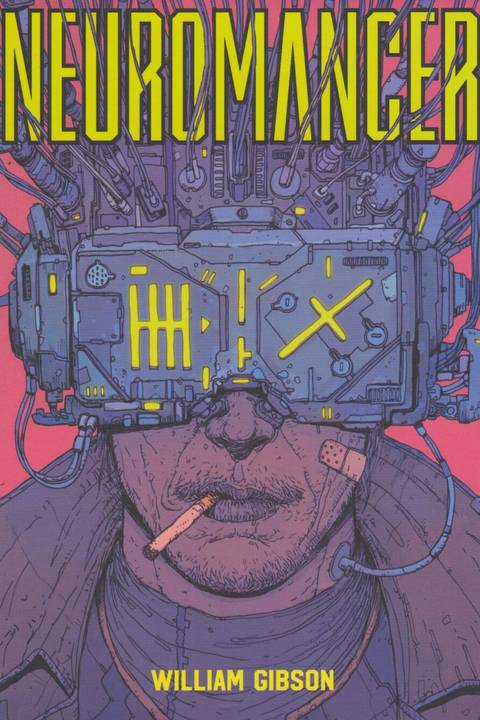
Apple TV+ has built one of the strongest libraries of literary sci-fi adaptations available to stream. From Silo to Foundation, the platform has shown it understands how to translate dense, idea-driven novels into gripping television. That track record makes its upcoming adaptation of William Gibson’s Neuromancer more than just another project. It makes it essential viewing in the making.
Pairing Apple’s prestige-TV track record with one of the most influential sci-fi novels ever written is exciting on its own. However, Neuromancer has the potential to be more than another Apple sci-fi hit. It could become a defining cultural moment, one that pushes cyberpunk beyond niche sci-fi subgenre and into the mainstream conversation.
Published in 1984, William Gibson’s Neuromancer novel effectively birthed the cyberpunk subgenre. Its vision of cyberspace, megacorporations, and digital consciousness shaped decades of storytelling. Film and television have flirted with the aesthetic, but few have perfected it. If Apple TV’s Neuromancer delivers, it could finally put cyberpunk at the center of pop culture.
Apple’s Neuromancer Can Put Cyberpunk On The Pop Culture Map
A Prestige Apple Adaptation Could Finally Make Cyberpunk A Household Term
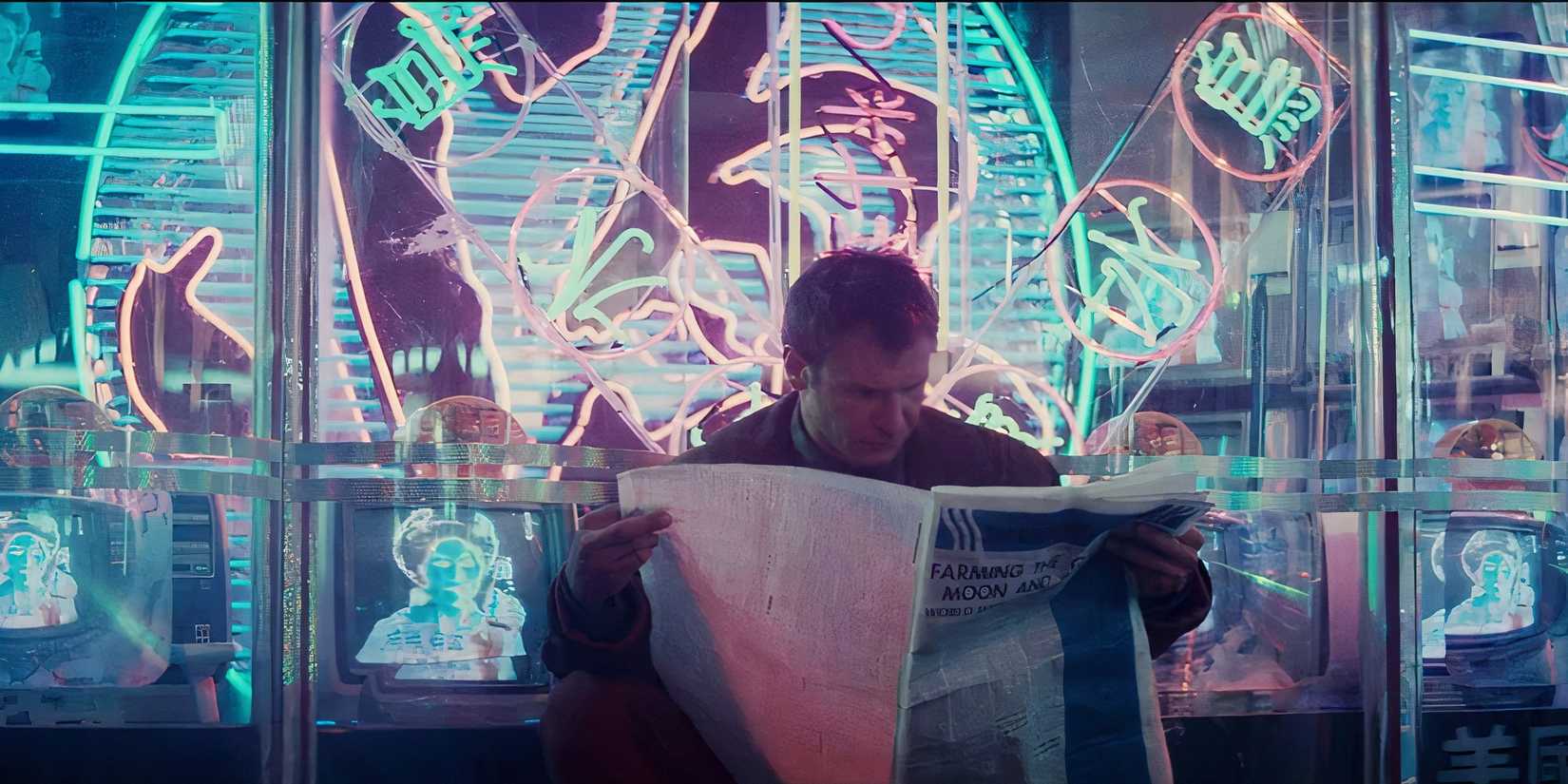
For all its influence, cyberpunk remains strangely underappreciated outside core sci-fi circles. The genre’s neon-drenched skylines and corporate dystopias are instantly recognizable, but the term itself still feels niche. Ask a casual viewer what cyberpunk means, and many might struggle to define it, even if they’ve seen its imagery countless times.
The clearest exception is Blade Runner, where Rick Deckard (Harrison Ford) wandered through rain-soaked, neon streets that became the genre’s visual blueprint. Decades later, 2017's Blade Runner 2049 reinforced that aesthetic for a new generation. Yet even those movies are often discussed as standalone stories rather than as gateways into cyberpunk itself.
Elsewhere, the genre has struggled to fully break through. Countless cyberpunk movies and shows have come and gone. While many received praise and were hardly flops, they’ve also failed to sell their existence as part of a wider subgenre to audiences.
That’s where Apple TV’s Neuromancer comes in. With high-concept hits like Severance and For All Mankind, Apple has cultivated science-fiction credibility among both critics and general audiences. It has proven it can turn ambitious sci-fi into appointment television rather than cult favorites.
If Neuromancer becomes the kind of must-watch show Severance was, cyberpunk could finally gain a clear, recognizable identity in popular culture. Instead of being an aesthetic borrowed by other stories, it would stand as a fully realized genre in its own right. That shift would be significant and long overdue.
It’s The Right Time For Cyberpunk To Go Mainstream
Real-World Tech Has Finally Caught Up To Cyberpunk’s Darkest Predictions

Culturally, the arrival of Apple’s Neuromancer TV show couldn’t be more timely. Author William Gibson’s vision of a hyper-connected world once felt speculative and distant. Now, many of its ideas seem startlingly close to reality. Artificial intelligence, corporate power, digital surveillance, and immersive virtual spaces dominate modern headlines.
Cyberpunk has always been about more than style. It’s about high tech and low life, the collision between dazzling innovation and social decay. In an era defined by debates over AI ethics, data privacy, and algorithmic control, those themes resonate more strongly than ever.
Virtual reality, a staple of cyberpunk sci-fi, is becoming increasingly immersive. Brain-computer interface research is accelerating. AI tools are embedded in everyday workflows. The anxieties that powered cyberpunk in the 1980s now feel less like paranoia and more like plausible forecasts. That shift creates fertile ground for a mainstream breakthrough.
Recent sci-fi has explored adjacent territory and managed to create conversations even among audiences who don’t consider themselves sci-fi fans. TV shows like Netflix’s Black Mirror built entire episodes around technological dread, while HBO’s Westworld examined artificial consciousness and corporate ambition. However, neither fully embraced cyberpunk’s street-level grit and hacker ethos.
Neuromancer can bridge that gap. If it's anything like Gibson's novel, it will combine philosophical speculation with visceral stakes, grounding big ideas in personal struggle. At a time when society is actively negotiating its relationship with technology, a cyberpunk epic doesn’t just feel relevant. It feels necessary.
Neuromancer Is The Perfect Story To Bring Cyberpunk To The Masses
A High-Stakes Heist Narrative Makes Gibson’s Vision Surprisingly Accessible
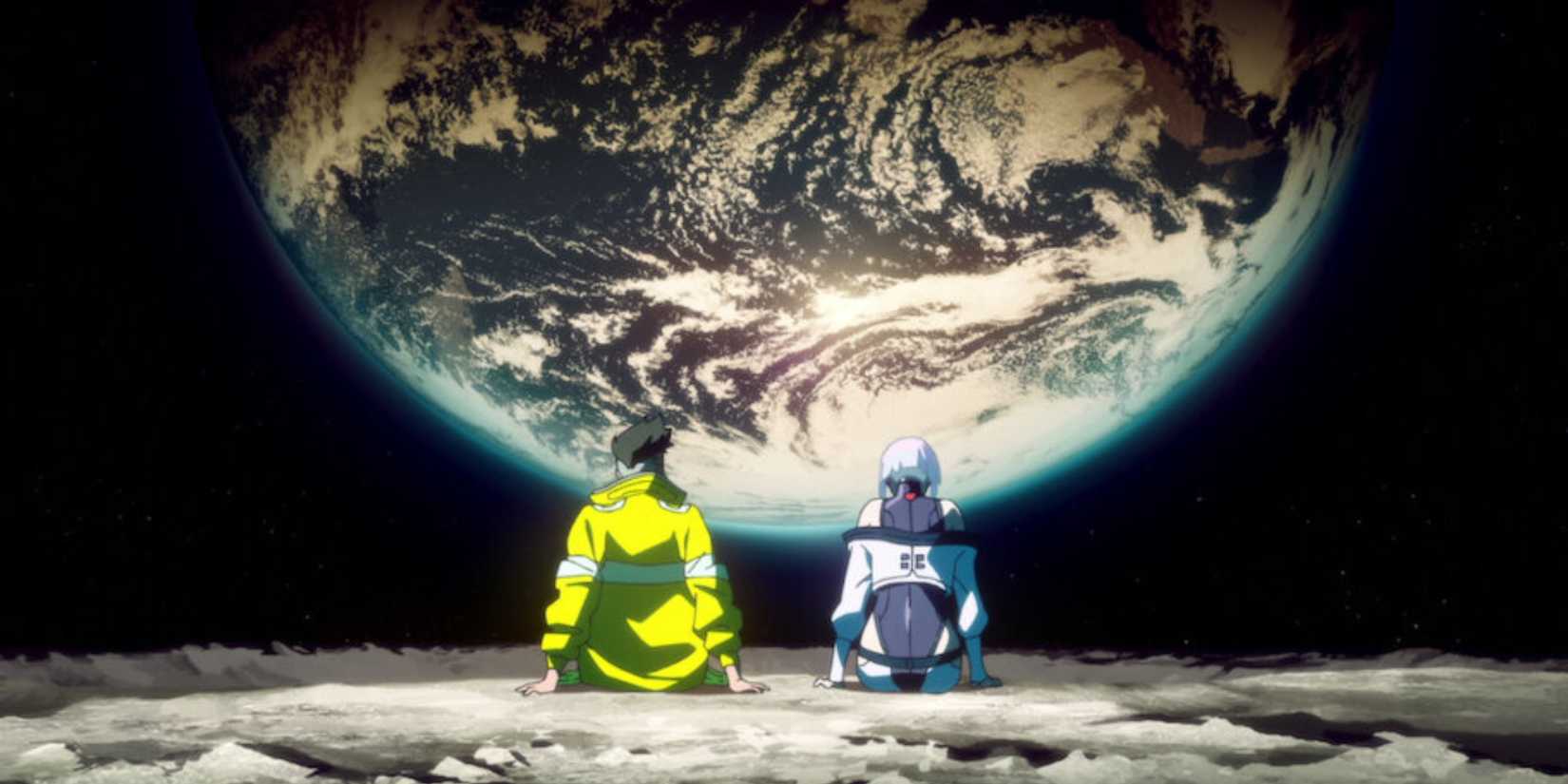
Timing alone isn’t enough. For cyberpunk to truly break out, it needs the right story, and Neuromancer is exactly that. Despite its genre-defining reputation, Gibson’s novel is fundamentally a heist narrative. It follows washed-up hacker Case as he’s recruited for an audacious digital break-in.
That structure gives general audiences something familiar to latch onto. The majority of viewers, especially casual ones, may not immediately grasp the intricacies of cyberpunk's staple themes, but they will understand moments like a crew assembling for a dangerous job. The mechanics of a mission provide much-needed narrative accessibility.
Other cyberpunk TV shows haven’t always offered that entry point. For example, Amazon’s The Peripheral leaned heavily into layered timelines and dense world-building that left some viewers confused. Netflix’s Cyberpunk: Edgerunners delivered emotional devastation, but its frenetic energy could overwhelm newcomers.
Neuromancer, by contrast, pairs its cerebral ideas with a propulsive and, most importantly, accessible plot. Corporate conspiracies, rogue AIs, and virtual landscapes are filtered through a straightforward objective: pull off the impossible job. That balance makes the story both ambitious and approachable.
If Apple captures that duality, philosophical depth wrapped in thriller pacing, the upcoming Neuromancer series could function as cyberpunk’s entry point. It wouldn’t just honor the novel’s legacy. It would invite millions of viewers into a genre that has been waiting, for decades, to step fully into the spotlight.
Network Apple TV+
Showrunner Graham Roland
Directors J.D. Dillard




 English (US) ·