

Published Oct 17, 2026, 3:00 PM EDT
Faith Roswell is a Senior Writer on Screen Rant's Classic TV team. Since earning her degree in Creative Writing over a decade ago, Faith has written articles on film and TV from a variety of different angles. Faith now combines her knowledge of psychology with her love of monster movies to give more insight into what makes the best ones.
You may have read her Screen Rant lists and features covering horror, sci-fi, and fantasy, or read her Amazon Top 10 book, "Movie Monsters of the Deep."
Faith has had an extensive career as a writer, appearing on BBC live radio, researching true crime for Rotten Mango podcast, and writing for publications including Mental Floss, Atlas Obscura, and The Daily Jaws before beginning here at Screen Rant.
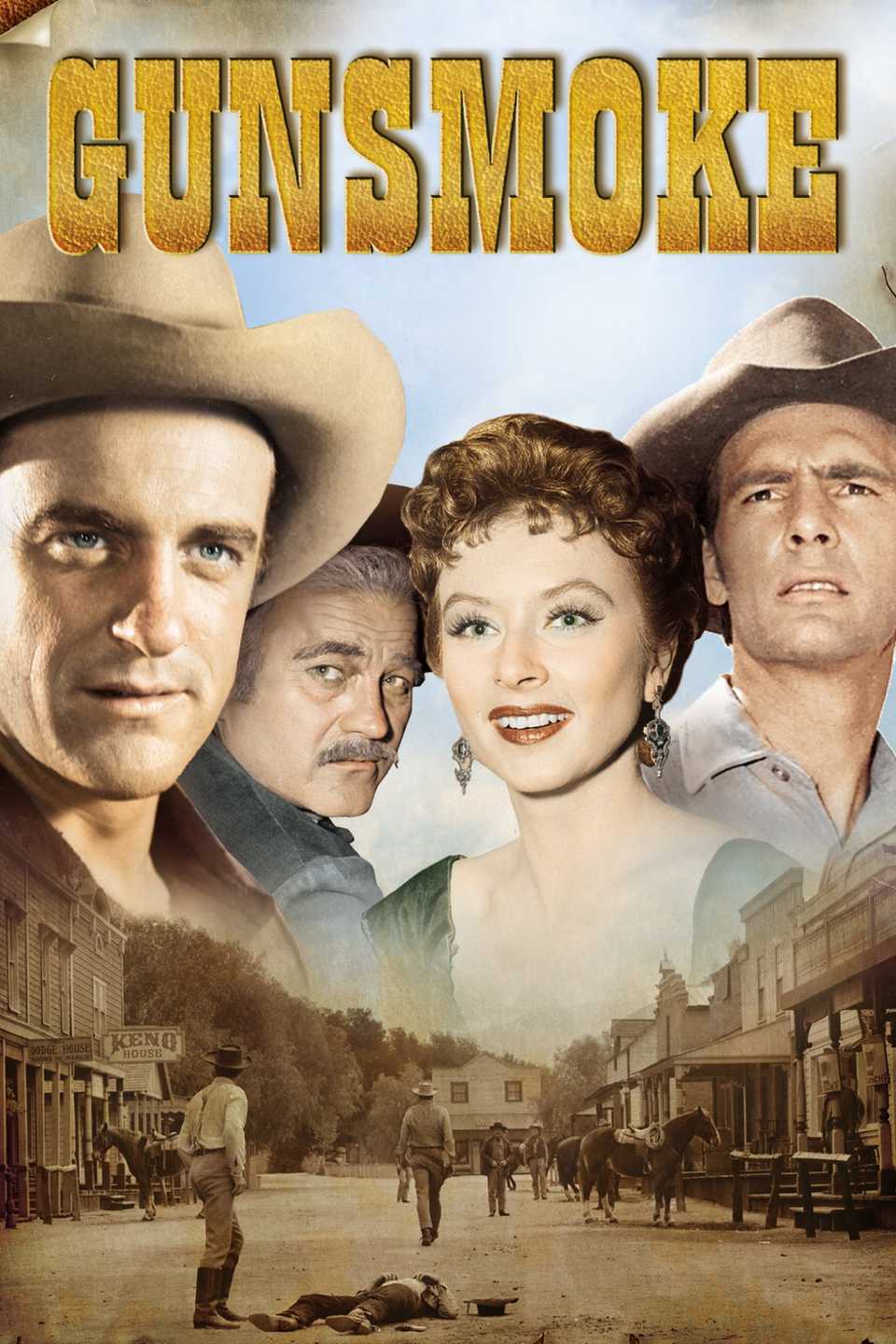
Few Westerns have had the immense cultural impact and enduring appeal that Gunsmoke has enjoyed, with even people unfamiliar with the show likely knowing its popular phrase "get out of Dodge." While the Western genre has not always aged well, with a new wave of excellent neo-Western shows overshadowing many of the older classics, Gunsmoke still remains one of the best Western TV shows of all time, and a must-watch for fans of the genre. Introduced and endorsed by John Wayne, the show went from strength to strength, with even the spinoff movies getting mostly solid reviews.
The longest-running Western TV show began as a radio drama, with Gunsmoke following US Marshall Matt Dillon as he fights to maintain the law in the real-life Dodge City in Kansas. Many of the classic shows in the Golden Age of Westerns were written with children in mind, with cowboys often presented as superhero-like figures. However, Gunsmoke was written for a much more mature audience, exploring difficult moral choices and the loneliness of the frontier. These insights and complicated characters have allowed the series' lore to expand, with each installment in the Gunsmoke saga building on its world.
Gunsmoke (1952-1961)

The original Gunsmoke radio series offered something completely different for Western fans, taking the themes and settings recognizable in the most popular classic Western movies and presenting them as a grittier drama rather than an action adventure in which the villains always lost. While the role would be recast for the TV series, William Conrad's distinctive voice helped to make Matt Dillon into one of the best Western TV lawmen of all time, by sounding world-weary rather than adopting a more upbeat delivery.
It is a testament to the success of Gunsmoke as a story and as a radio show that the script and voice actors were able to convey the multilayered plots and moral dilemmas featured. These often included heavy themes like mental illness and poverty, with Dillon's home life containing much more trouble and turmoil than might be expected in a Western. This set the scene for the TV show, and is well worth listening to for a deeper study of its iconic main character.
Gunsmoke (1955-1975)
 MovieStillsDB
While Gunsmoke had begun its life on the radio, the TV show brought the characters to a much wider audience and put faces to the names, and this is where the show really began to gain traction. With the part of Dillon recast to the legendary Western TV actor James Arness, his performance became central to Gunsmoke's success. With Arness bearing a significant resemblance to John Wayne, the show felt like a longer version of a great Western movie, and rather than remaining in the past, Gunsmoke moved with the times and advances in technology.
In 1961, the episode length doubled, giving the show an hour in which to tell a more detailed story, and the series would then move to color format. Even so, despite its enduring popularity, the cast and viewers would be surprised to learn that after 20 seasons and 635 episodes, Gunsmoke was canceled without a finale. With the final episode, "The Sharecroppers" having more of a comedic tone, Arness was especially frustrated by this lack of a proper ending and would go on to play Dillon in all the show's follow-ups, except for its ill-fated TV spinoff series, Dirty Sally.
Dirty Sally (1974)

Dirty Sally is Gunsmoke's TV spinoff, which arrived in 1974, a year before the main show's cancellation, showing that TV executives had faith in the wider world beyond Dodge City, even without Matt Dillon as the main character. Unfortunately, while many of Gunsmoke's best episodes had their funny moments, making the spinoff into a comedy was not necessarily the right move for the franchise, and Dirty Sally was placed in an unpopular timeslot before coming to an end without airing all the produced episodes.
The show followed the existing and popular Gunsmoke guest character, "Dirty" Sally Fergus (Jeanette Nolan) as she traveled across the Old West towards the California gold rush, solving problems with another fan favorite character, Cyrus Pike (Dack Rambo.) The chemistry between the grumpy old woman and the former outlaw had been so well-received in Gunsmoke that it is understandable that the two could have carried their own show. However, Dirty Sally had such a drastically different tone from Gunsmoke that it needed to build a new audience, but never really had the chance, and is not available for streaming anywhere.
Return To Dodge (1987)

12 years after Gunsmoke finished with a humorous episode that left many viewers dissatisfied, Arness returned to play Matt Dillon once again, beginning a series of TV movies that continued the story Gunsmoke began. Return to Dodge also starred other cast members from Gunsmoke, including Amanda Blake, who played Kitty Russell in the original show. The movie begins with Dillon now living a peaceful life as a fur trapper, having left law enforcement, but drawn back into his old world after being attacked and left for dead.
While a rumor stated that John Wayne was considered for the part of Matt Dillon, this is not accurate, and he even recommended James Arness for the role.
The 94-minute movie follows Dillon and Kitty as they prepare to face a dangerous gunslinger who has vowed revenge on Dillon for sending him to prison. While this follows a fairly typical Western movie storyline complete with common tropes, the appeal of Return to Dodge was a combination of nostalgia and seeing many of Gunsmoke's actors and characters reunited. This set the scene for the story to continue, and began a greater legacy for Gunsmoke.
The Last Apache (1990)

The Last Apache does not just expand the world beyond Dodge City, but adds to Matt Dillon's family, with the movie revealing that he has a daughter, Beth. Earning a 53% audience rating on Rotten Tomatoes, the second Gunsmoke movie might not have been a perfect Western movie masterpiece, and it was not as well-received as other entries in the Gunsmoke saga, but it did something interesting with the show's lore. Rather than referencing events that happened between seasons and episodes, The Last Apache used an existing storyline, through Dillon's romance with the widowed Mike Yardner in season 19.
Rather than feel like an extended episode of Gunsmoke, the story took Dillon away from Dodge City and into Arizona and Mexico and then, with Beth in danger, highlighted his skills as a negotiator, a lawman, and a father. The Last Apache suffers from a common issue in older Westerns, which is the portrayal of Native American characters, which prevents the movie from aging well, but it breaks away from the nostalgia factor and allows Dillon's story to continue with Beth.
To The Last Man (1992)
 Image via MovieStillsDB
To the Last Man continues the adventures of Dillon as a retired US Marshall, still finding himself involved in conflicts and drawing from his life experience to resolve events. Now working as a cattle rancher, Dillon is pulled into The Pleasant Valley War, which is based on real events. While other installments in the Gunsmoke saga have received higher Rotten Tomatoes scores, To the Last Man has been described as one of the best made-for-TV movies of all time for the way it escalates Dillon's role in the world from a small town lawman to an impactful peacemaker.
Like the original series, the movie does not shy away from serious subjects, with the title referring to the feudal logic that each act of violence requires an act of revenge, potentially resulting in one person left. In To the Last Man, Dillon deals with murders, bitter family feuds, and his daughter's desire for independence, resulting in an even grittier story that takes the themes explored in Gunsmoke to the next level.
The Long Ride (1993)

Gunsmoke is an essential Western TV show to watch, but the movies are often just as good, with The Long Ride getting a perfect 100% Rotten Tomatoes rating from audiences despite it being a made-for-TV movie that is the fourth in the follow-up series. The Long Ride introduces even higher stakes when Dillon is mistaken for another man and accused of murder, and forced to go on the run from a gang who are willing to frame him in order to get the reward money for the murderer's capture.
By the time The Long Ride was made, The Golden Age of Westerns had been over for decades, but the movie was well ahead of its time in its representation of law enforcement and its flaws. Dillon discovers that while he has a moral compass, other lawmakers can fail through intimidation, corruption or cowardice, and he is forced to take matters into his own hands. Themes of police corruption were not commonplace in 1990s Westerns, proving once again that the Gunsmoke saga could be extremely progressive.
One Man's Justice (1994)
 Credit: MovieStillsDB
One Man's Justice ended the 40-year franchise and while it did not reach the level of acclaim that The Long Ride saw, it is still a worthy final outing for Matt Dillon. Even long after Gunsmoke ended, the movie proved that there was still more to its iconic character, revealing that his father was killed in the line of duty as a lawman, which the original TV show never mentioned.
The movie's focus on grief is a fitting theme, given the fact that it is James Arness' final time playing his best role, and while the ending is far from an explosive finale, it is a much better farewell than the one originally given by the Gunsmoke TV show. One Man's Justice takes the saga back to the gritty tone and moral dilemmas that set the original show apart, ending the franchise with a story about compassion, restraint and the decision not to continue on a violent path.
Gunsmoke
Release Date 1955 - 1975-00-00
Directors Andrew V. McLaglen, Harry Harris, Ted Post, Bernard McEveety, Vincent McEveety
Writers John Meston, Charles Marquis Warren, Paul Savage
-

James Arness
Marshal Matt Dillon
-

 English (US) ·