Dalton is a freelance writer, novelist, and filmmaker from Orlando Florida. He currently lives in Charlotte, North Carolina, and pursues writing full-time. He is an avid reader, film buff, and amateur historian who also publishes novels on the side. Dalton graduated from the University of Central Florida with a BFA in Film and he often applies his industry-specific knowledge when writing about film and television. Along with his blog, Dalton's critical essays on film have been published in various places online.
Though the Star Trekfranchise is generally considered safe for viewers of all ages, these seven episodes were banned for quite some time. With its utopian view of the future, Star Trek is unique among the major science fiction franchises. Optimism and curiosity are the driving forces behind the franchise's philosophy, so the shows generally carry a great message for viewers of any age.
However, a few episodes weren't just controversial, but scandalous enough to get banned by some broadcasters. Interestingly, no Star Trek episode has ever been fully banned in the United States, though many have caused a stir for the aforementioned reasons. Even when the franchise continued in Star Trek: The Next Generation, a few episodes were too much for TV in other territories.
The why behind the bans is quite interesting. Many were deemed too gruesome or shocking, while others were seen as promoting violent political rhetoric. With nearly 1,000 total episodes of Star Trek across six decades, a handful of episodes are bound to live in infamy. Thankfully, all the episodes that were once banned have been released in the territories that initially outlawed them, and no episode has been banned since the early '90s.
Stardate 47988.1 · Crew AssessmentThe Final Frontier Trivia Challenge
🚀ShipsEnterprise!
⭐CrewMake it so
☠EnemiesResistance is…
⚡TechWarp speed!
📖LoreLive long…
ENGAGE →
01
The USS Enterprise is the most iconic starship in science fiction. What is the registry number of Captain Kirk’s original Enterprise from The Original Series?
ANCC-1701-D
BNX-01
CNCC-1701
DNCC-74656
✓ Correct! NCC-1701 is the registry of Kirk’s original Constitution-class Enterprise. The “-D” suffix belongs to Picard’s Galaxy-class ship, NX-01 is Archer’s Enterprise, and NCC-74656 is Voyager.
✗ Red alert! The answer is NCC-1701. Kirk’s original Constitution-class Enterprise carried this now-legendary registry. NCC-1701-D is Picard’s Enterprise from TNG, NX-01 is Captain Archer’s, and NCC-74656 belongs to Voyager.
NEXT →
02
Kirk’s most trusted officer is a half-human, half-Vulcan science officer famous for his logic and iconic salute. Who is this legendary character?
AData
BSpock
CTuvok
DSarek
✓ Correct! Mr. Spock, played by Leonard Nimoy, is the half-Vulcan science officer whose “Live long and prosper” salute became a cultural icon. His struggle between logic and emotion defines the heart of the Original Series.
✗ Red alert! The answer is Spock. Data is an android from TNG, Tuvok is Voyager’s Vulcan tactical officer, and Sarek is Spock’s Vulcan father. Only Spock is the half-human, half-Vulcan first officer of Kirk’s Enterprise.
NEXT →
03
Starfleet’s most important regulation forbids interference with the natural development of alien civilizations. What is this guiding principle called?
AThe Temporal Accord
BGeneral Order One
CThe Omega Directive
DThe Prime Directive
✓ Correct! The Prime Directive (also known as General Order 1) is Starfleet’s most sacred law. It prohibits interfering with less-developed civilizations — though Kirk, Picard, and Janeway have all famously bent or broken it when lives were at stake.
✗ Red alert! The answer is the Prime Directive. While “General Order One” is technically another name for it, the Prime Directive is the universally known term. The Omega Directive and Temporal Accord are separate, more specialized Starfleet protocols.
NEXT →
04
“Resistance is futile.” This chilling declaration belongs to a cybernetic collective that assimilates entire civilizations into its hive mind. What is this fearsome species called?
AThe Borg
BThe Dominion
CThe Romulans
DSpecies 8472
✓ Correct! The Borg are Star Trek’s most terrifying villains — a hive-mind collective that forcibly assimilates species and technology. Captain Picard was famously assimilated and transformed into Locutus in the landmark TNG episode “The Best of Both Worlds.”
✗ Red alert! The answer is the Borg. The Dominion is the Gamma Quadrant empire from DS9, the Romulans are a rival empire, and Species 8472 is actually one of the few species that the Borg themselves fear. Only the Borg declare “Resistance is futile.”
NEXT →
05
Captain Jean-Luc Picard commands the Enterprise-D in The Next Generation and later received his own series, Star Trek: Picard. Which acclaimed actor portrays him?
AWilliam Shatner
BAvery Brooks
CPatrick Stewart
DScott Bakula
✓ Correct! Sir Patrick Stewart brought gravitas, Shakespeare, and Earl Grey tea to the captain’s chair for seven seasons of TNG, four films, and three seasons of Star Trek: Picard. His “Make it so” is one of TV’s most iconic catchphrases.
✗ Red alert! The answer is Patrick Stewart. William Shatner plays Captain Kirk, Avery Brooks is Captain Sisko on Deep Space Nine, and Scott Bakula captains the NX-01 Enterprise. Only Sir Patrick Stewart portrays the legendary Jean-Luc Picard.
NEXT →
06
Starfleet vessels travel faster than light by bending space around them using a matter-antimatter reaction. What is this propulsion system called?
✓ Correct! Warp Drive is the standard faster-than-light propulsion in Star Trek, powered by dilithium-regulated matter-antimatter reactions. Zefram Cochrane invented it in 2063, which led to humanity’s first contact with the Vulcans.
✗ Red alert! The answer is Warp Drive. Transwarp is an advanced Borg technology, Slipstream is an experimental quantum drive, and the Spore Drive uses mycelial network navigation (from Discovery). Standard Starfleet vessels use Warp Drive.
NEXT →
07
At Starfleet Academy, cadets face a notorious no-win scenario designed to test their character under impossible circumstances. James Kirk is the only cadet who ever beat it — by cheating. What is this test called?
✓ Correct! The Kobayashi Maru is an unwinnable rescue simulation that tests how cadets handle certain death. Kirk reprogrammed it so he could win — earning a commendation for original thinking. It was memorably featured in Star Trek II: The Wrath of Khan.
✗ Red alert! The answer is the Kobayashi Maru. The Corbomite Maneuver is a TOS episode, not an Academy test. The Kobayashi Maru is the famous no-win scenario that Kirk defeated by reprogramming the simulation — because he doesn’t believe in the no-win scenario.
NEXT →
08
In the widely regarded greatest Star Trek film, a genetically enhanced superhuman from Earth’s past seeks revenge against Captain Kirk. “KHAAAAN!” Who is this iconic villain?
AKhan Noonien Singh
BGeneral Chang
CQ
DGul Dukat
✓ Correct! Khan Noonien Singh, played by Ricardo Montalbán, is Star Trek’s greatest villain. First appearing in the TOS episode “Space Seed,” he returned in The Wrath of Khan (1982) for a devastating revenge plot that cost Spock his life.
✗ Red alert! The answer is Khan Noonien Singh. General Chang is a Klingon from Star Trek VI, Q is TNG’s omnipotent trickster, and Gul Dukat is DS9’s Cardassian antagonist. Only Khan inspired Kirk’s legendary scream across the cosmos.
REVEAL MY SCORE →
Mission CompleteYour Starfleet Record
/ 8
Are you an Admiral — or still a cadet on deck-scrubbing duty?
↻ RE-ENGAGE
7
"Miri" - Star Trek: The Original Series Season 1 Episode 8
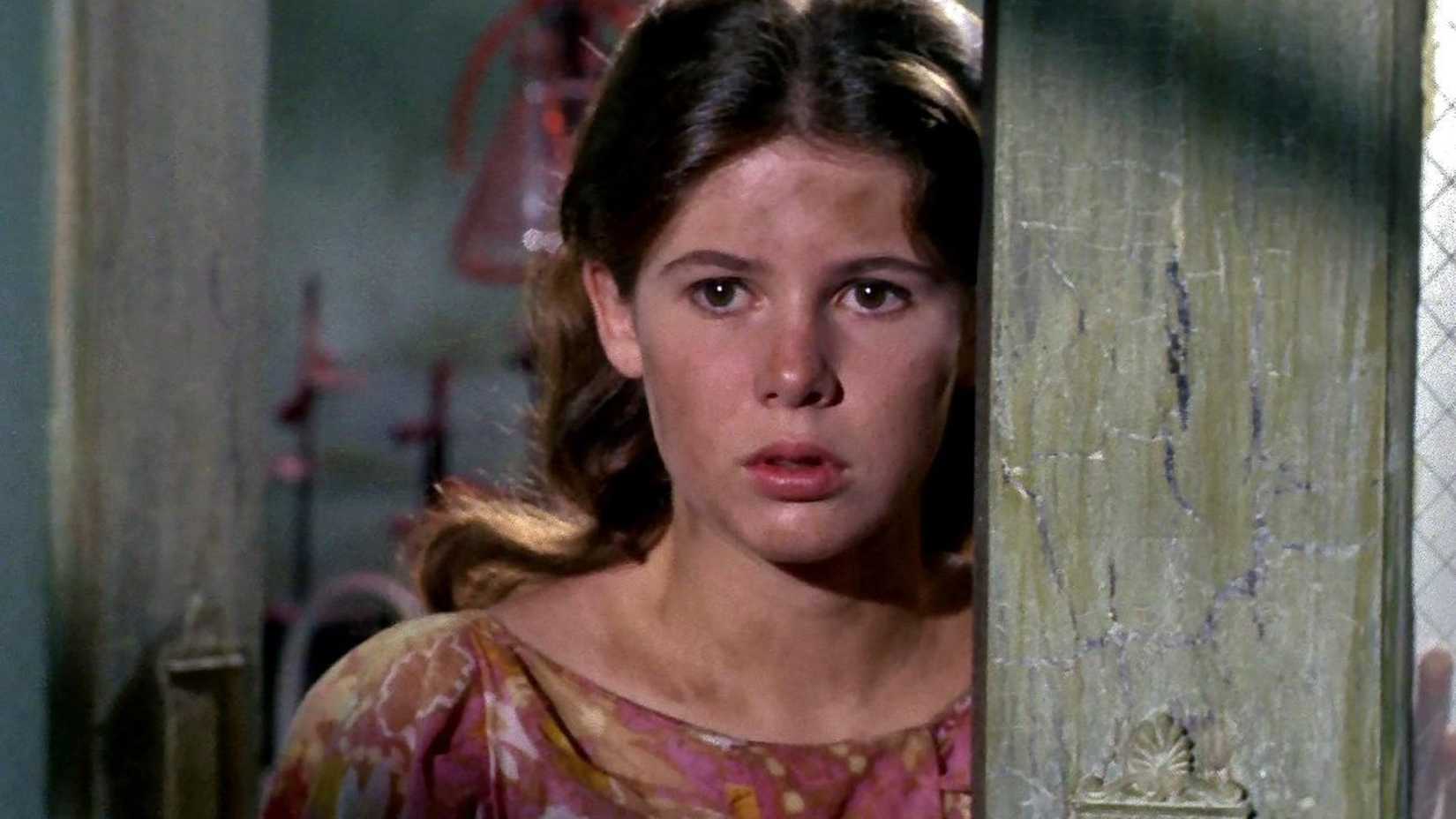
Though the episode aired during Star Trek's initial run on the BBC in 1970, "Miri" was left out of subsequent broadcasts in the UK. Complaints from viewers led to the episode being banned from rebroadcast for years, though many details about the ban are unknown. However, looking at the episode, it isn't hard to understand why the Brits were squeamish.
Kirk and crew discover an Earth-like planet where the adults have all died from a man-made plague, and the children are the only survivors. The plague itself manifests as strange lesions and temporary insanity, and it's quite startling to see the Enterprise crew succumb to the disease. Any time children are involved in anything horrific, censors tend to take notice.
The episode drew ire in the States as well, and was rarely included in reruns after it originally aired. Though it's one of the better episodes of season 1, "Miri" is no doubt one of the scariest of the series. The ban was eventually lifted in the UK, and the episode is often broadcast alongside the rest of the series.
6
"Patterns Of Force" - Star Trek: The Original Series Season 2 Episode 21
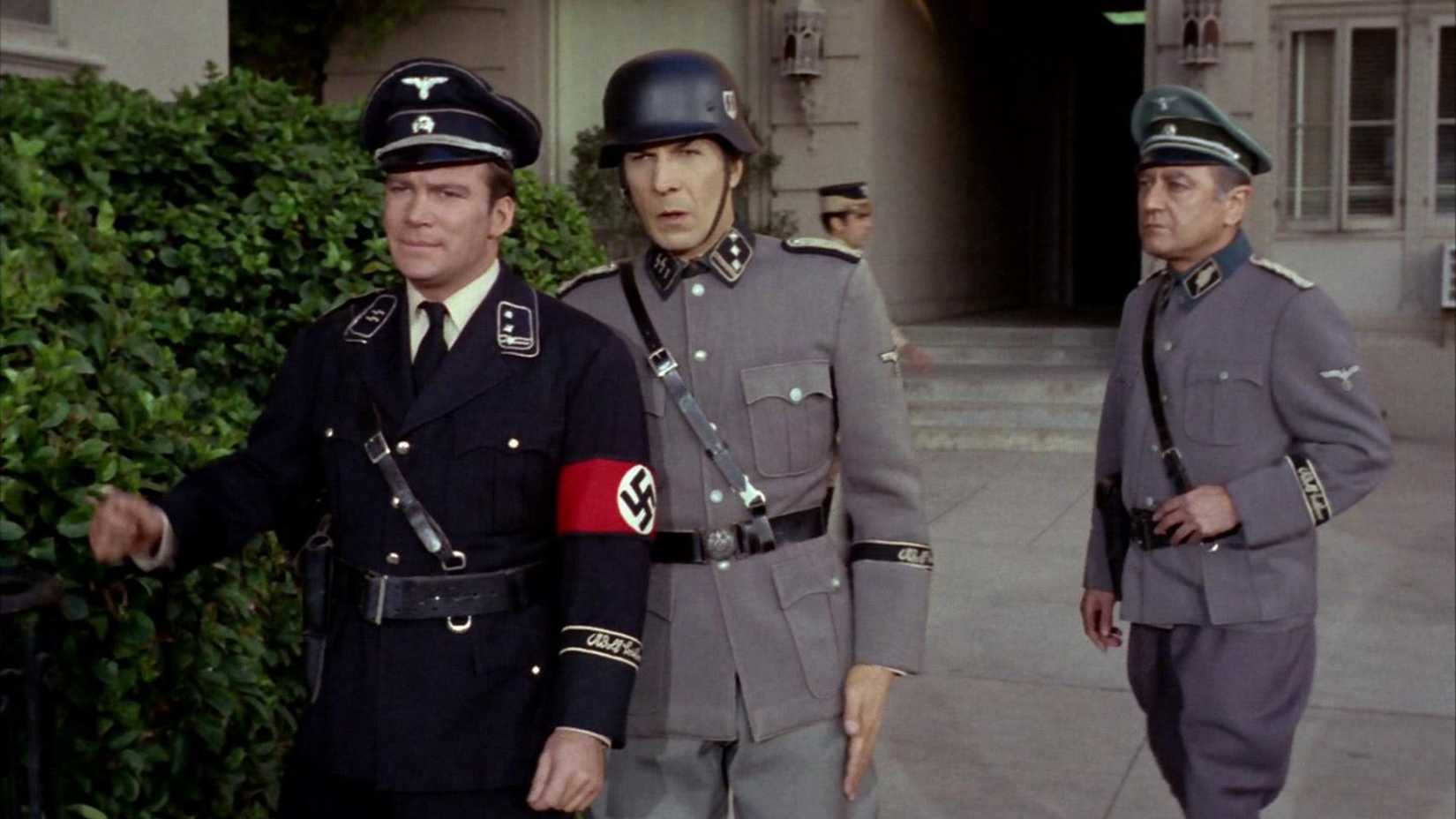
History has different meanings for audiences in different countries, and the episode "Patterns of Force" from season 2 is a perfect illustration of that idea. In the United States, it stood as a bitter reminder of how quickly evil can infiltrate government, but in Germany, it poked at a wound that was quite raw only two decades removed from WWII.
While searching for a missing historian, the Enterprise discovers a remote settlement of humans who have modeled their government after that of Nazi Germany from the 1940s. "Patterns of Force" pulls no punches and features all the horrific imagery of the Nazi regime in vibrant color. It's still a startling and important part of Star Trek history.
German television banned the episode outright for all the reasons listed above, deeming it lacked any entertainment value. Considering the strict laws around Nazi imagery in Germany at the time, it wasn't surprising that "Patterns of Force" didn't sit well. The episode was restored to the broadcast roster decades later in 1995.
5
"Plato's Stepchildren" - Star Trek: The Original Series Season 3 Episode 10
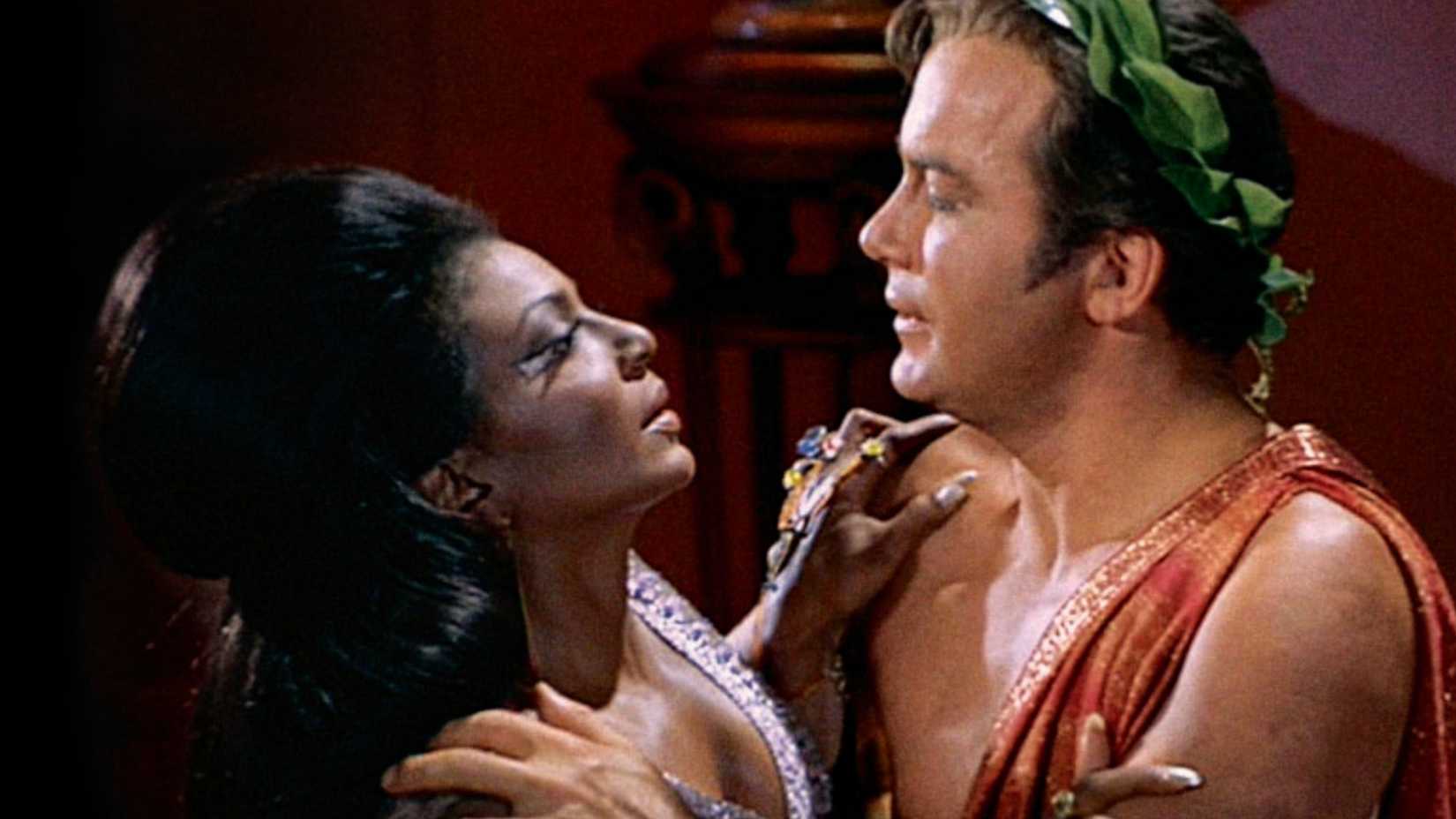
Like any groundbreaking moment in TV history, "Plato's Stepchildren" was quite controversial. Season 3 of Star Trek: The Original Serieshad a few clunkers, and the episode in question wasn't all that great. However, it is best remembered for featuring one of the earliest interracial kisses in American TV history.
The Enterprise stumbles across a race of telepaths that use their powers to control others. What results is a series of strange scenes where the crew are forced to do things against their will. This plot didn't sit well with the BBC, who banned the episode because of its graphic depiction of torture, sadism, and overt sexuality. It's unclear if the interracial kiss had anything to do with the ban.
The episode stayed out of circulation for years, but was eventually restored to BBC broadcasts. According to Nichelle Nichols in her autobiography, Beyond Uhura: Star Trek and Other Memories, TV executives in the US expected a huge backlash from Southern stations. However, as she writes, no such backlash occurred and the episode was well-received.
4
"The Empath" - Star Trek: The Original Series Season 3 Episode 12
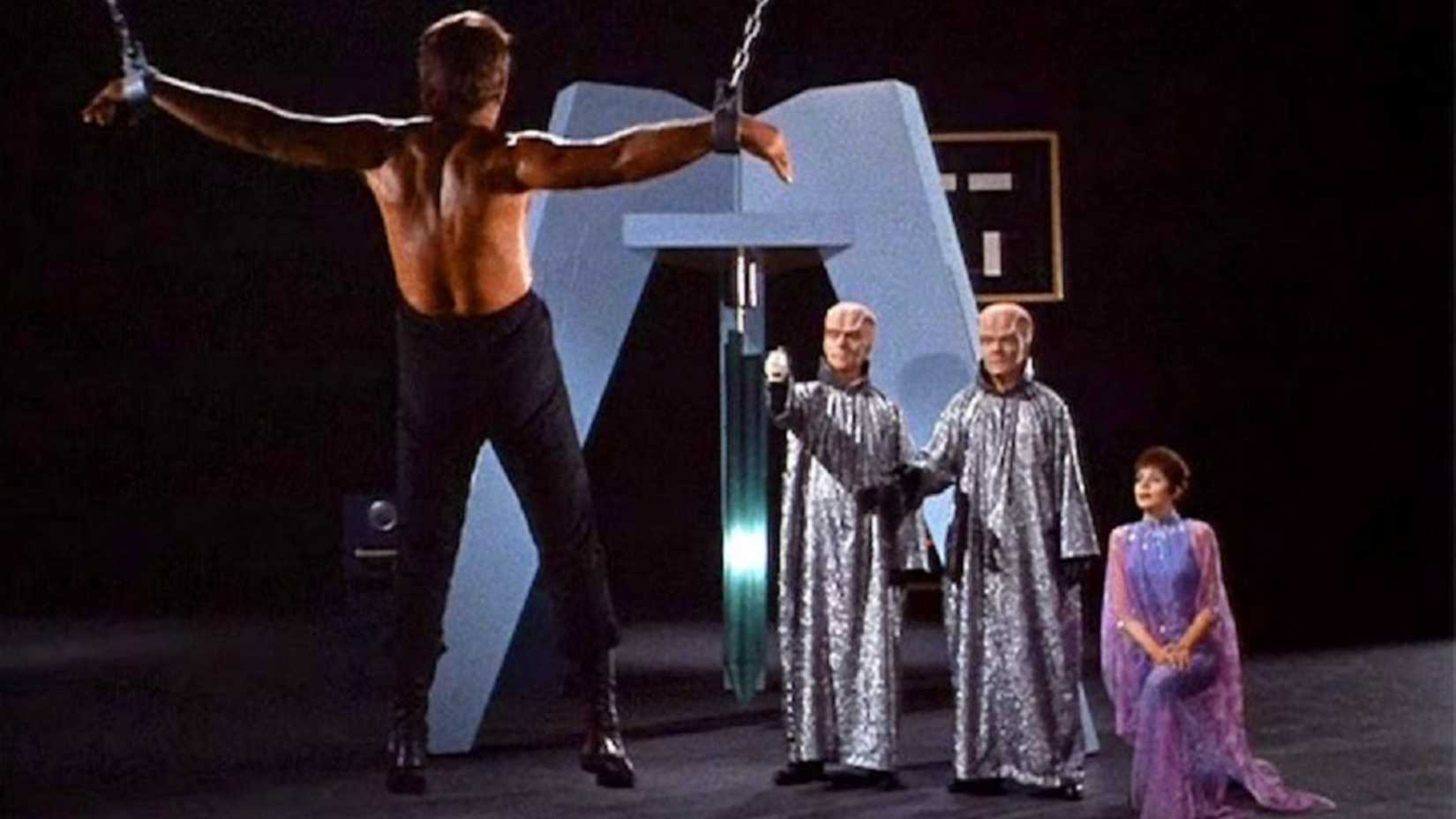
"The Empath" was yet another down episode in Star Trek: The Original Series' third season, and though it had great ideas, it mostly missed on its execution. However, because Star Trek was largely viewed as a children's show by the BBC, the episode's "graphic" content was just too much for viewers across the pond.
Once again, the Enterprise falls victim to a race of powerful aliens who use them to test theories about the inner workings of mankind. Like "Plato's Stepchildren", "The Empath" features several scenes of the heroes being tortured and subjected to grievous bodily harm. Hence, the episode was swiftly banned from broadcast in the UK until the 1990s, when the other offending episodes were restored.
3
"Whom Gods Destroy" - Star Trek: The Original Series Season 3 Episode 14
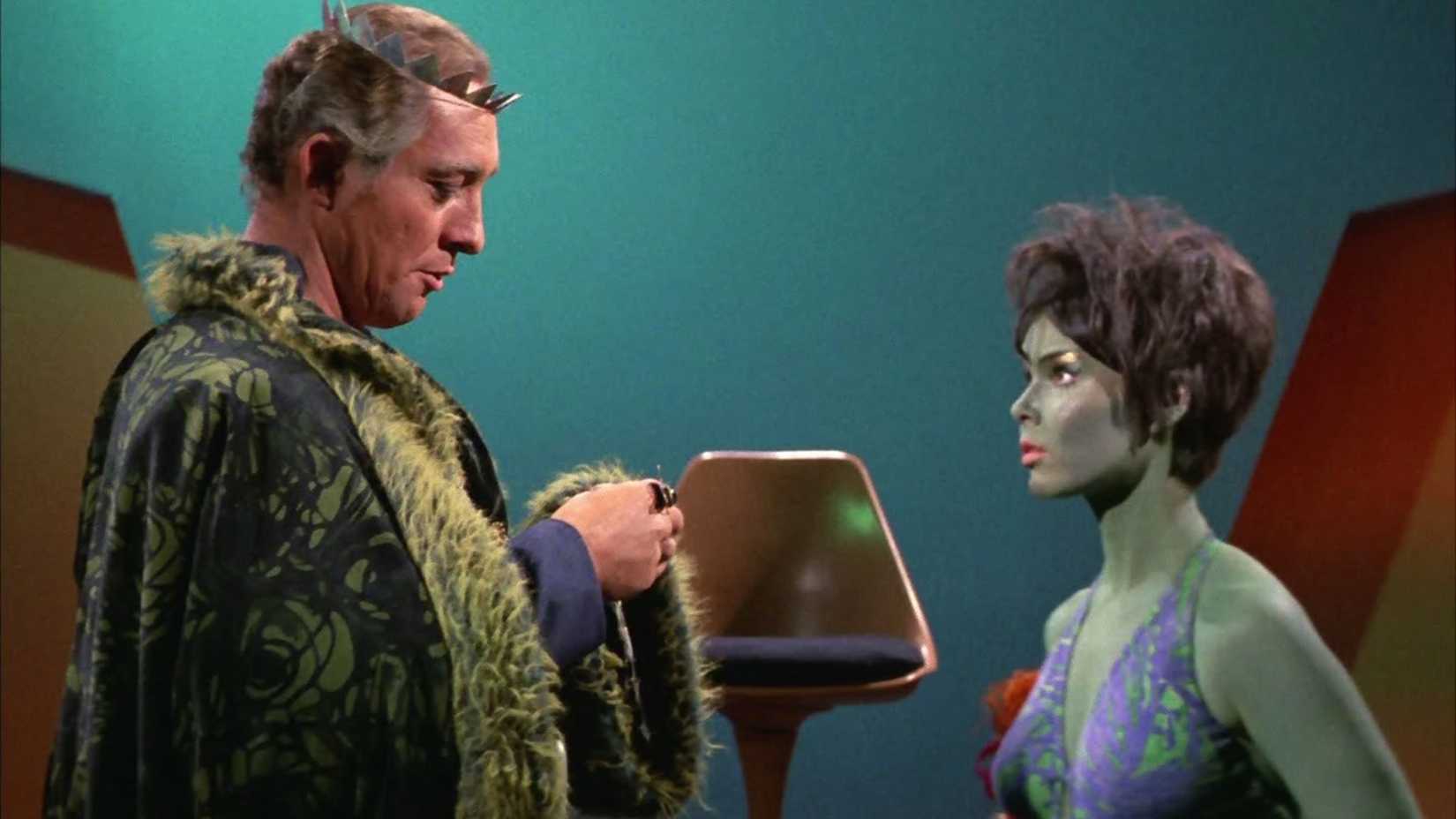
The sultry dance by Marta in "Whom Gods Destroy" is probably the episode's lasting legacy, and the biggest reason the season 3 outing was banned in the UK for decades. Episode 14 was one of the more underrated episodes of Star Trek: The Original Series, and was a prime example of the show's strong ideas, even if the execution was weaker.
Kirk and Spock beam down to an asylum planet to render medical aid, but are soon held captive by an ex-Starfleet captain who can change his form. Yvonne Craig co-stars as the Orion named Marta, and her one-off performance completely steals the show. Unfortunately, the episode was a bit too violent and sexy for the BBC until it was finally aired in 1994. Similarly, "Whom Gods Destroy" didn't air in Germany until the '80s.
2
"Conspiracy" - Star Trek: The Next Generation Season 1 Episode 25
The debut season of Star Trek: The Next Generation saw the show get off to a rocky start, but the penultimate episode was better than most. "Conspiracy" is one of the few episode of TNG to draw any sort of controversy, and it sticks out from the rest of the series like a sore thumb.
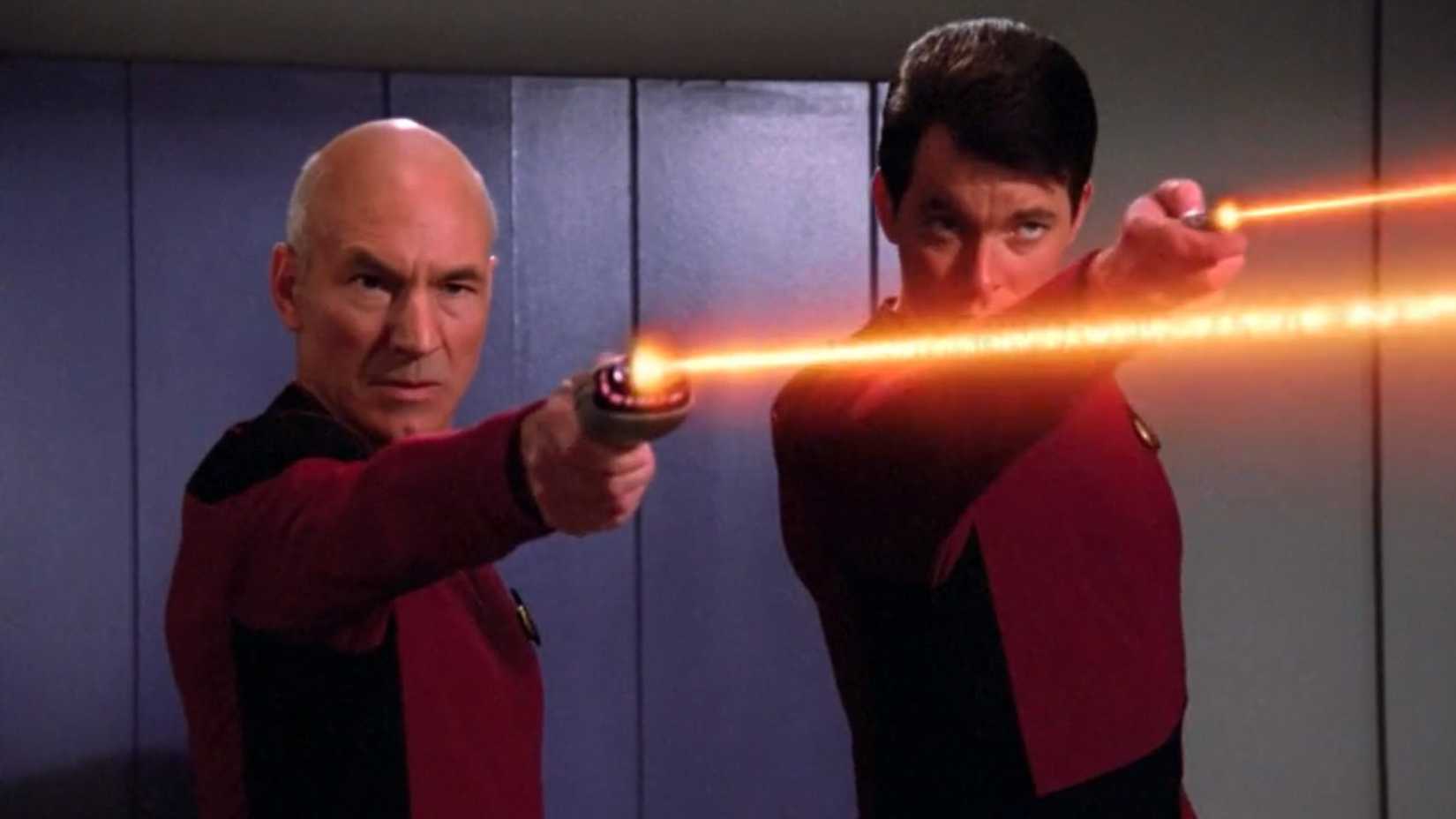
Captain Picard travels to Earth to dispel rumors of a conspiracy among the top brass of Starfleet, but what he finds is beyond his imagination. The shocking reveal at the end of the episode is perhaps the most gruesome and horrific moment in the entire franchise, and people don't typically tune in to an episode of Star Trek to see a character's head explode.
The BBC initially banned the episode outright, but it eventually aired with several moments censored from the broadcast. The Canadian broadcast featured a warning, and even the show's producers were a bit worried about its content on American TV. Ironically, the episode helped TNG secure an Emmy that year for Best Makeup.
1
"The High Ground" - Star Trek: The Next Generation Season 3 Episode 12
Star Trek: The Next Generation never shied away from tackling hot-button topics, but season 3's "The High Ground" was too hot for broadcasters in England and Ireland. The episode tried hard to pose a challenging philosophical question, but the episode itself was somewhat lackluster and certainly didn't get its point across very well.
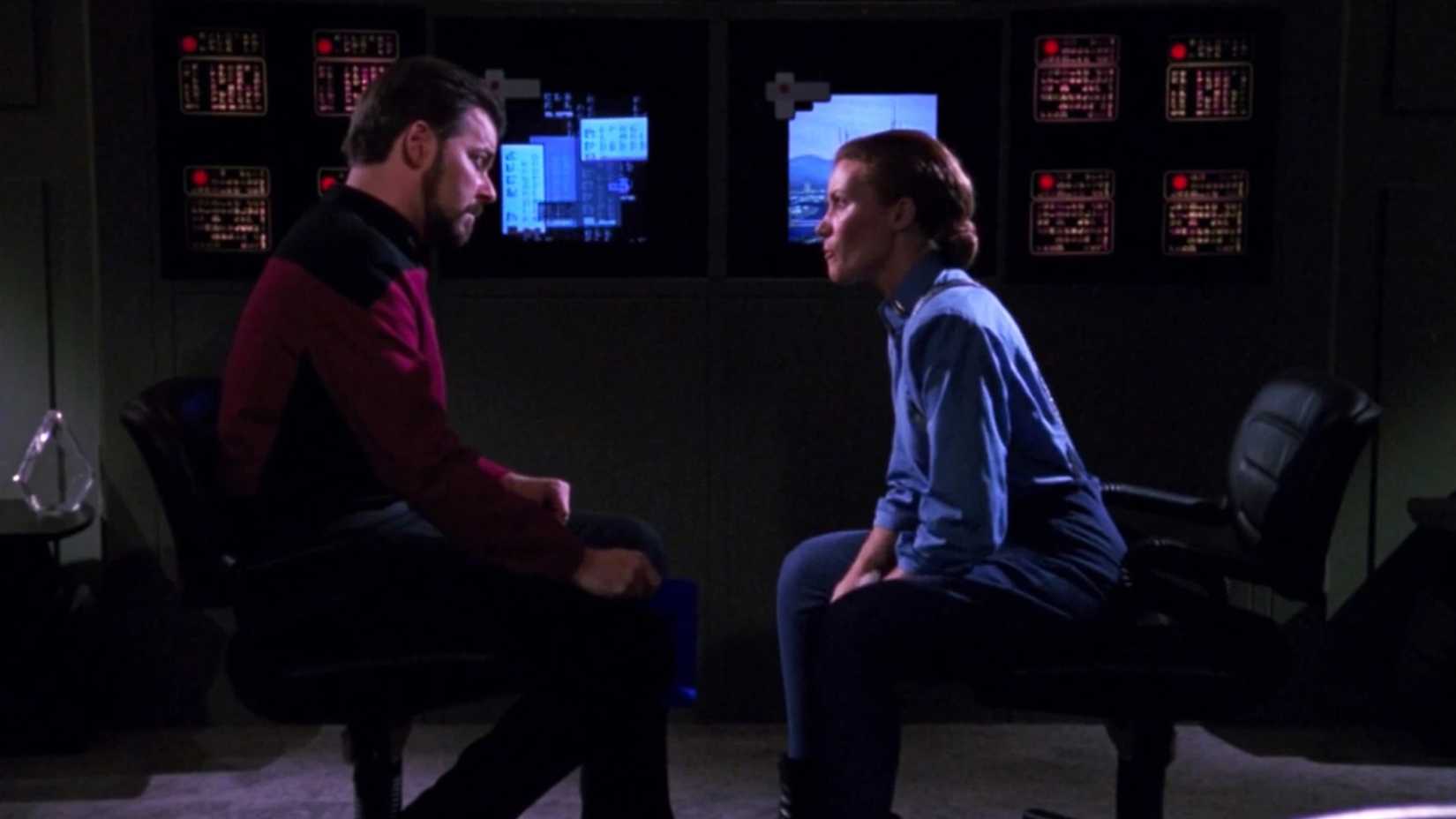
Dr. Crusher is kidnapped by a radical terrorist group on a planet in the middle of a civil war, and she leads them to question their own morality in the process. The episode draws direct parallels to "The Troubles" in the UK, and filters a 20th century issue through the moral relativism of the 24th.
The BBC felt much of the language was too incendiary, especially Data's mention of the "Irish Unification of 2024", so it didn't air until 1992. The unedited version wasn't available in the UK until 2007. Because Star Trekis set so far in the future, it's rare that such a contemporary issue catches up with the crew of the Enterprise.
Sources: SlashFilm, Nichelle Nichols, MeTV, Wired, The BBC







 English (US) ·