
 2 weeks ago
23
2 weeks ago
23
There are photographers who document history… and then there are photographers who stare it down. Abisag Tüllmann belonged to the second kind. Born in 1935 in Hagen, Germany, into a family scarred by Nazi persecution and wartime trauma, she didn’t just grow up around history — she survived it. And when she picked up a camera, she didn’t play it safe. She went straight for the truth.

© Abisag Tüllmann
Tüllmann’s early life was shaped by loss, displacement, and resilience. Her father was forced into labor during World War II. Her family’s Jewish roots made survival complicated. By the time she settled in Wuppertal with her mother after the war, she had already seen how fragile freedom could be. Maybe that’s why her photography never felt staged or sugar-coated. It was raw. It was human. It was real.
From the buzzing cultural streets of Frankfurt to crisis zones in Israel, from avant-garde theatre stages to the pages of major German newspapers, Tüllmann built a career that fused art and journalism with fearless intensity. She worked with major publications, embedded herself in artistic circles, and became a defining visual voice of postwar Germany.
This isn’t just the story of a photographer. It’s the story of a woman who refused to look away — and in doing so, forced the world to look closer.
More Info abotu Abisag Tullmann:
#1. Girl reading in the Paris Metro
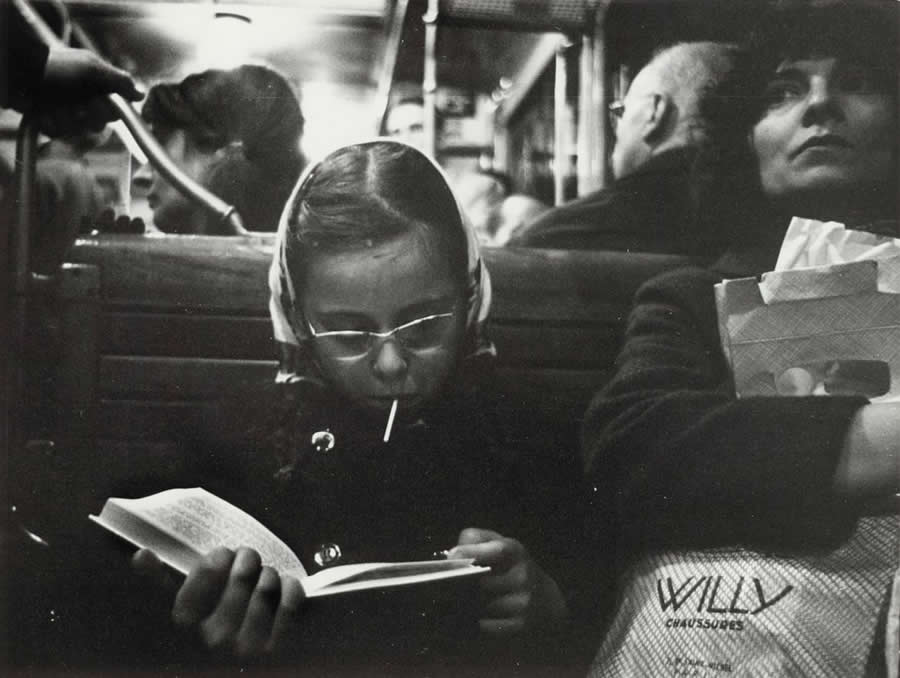
© Abisag Tüllmann
#2. Moretti holiday resort in Algiers – January 1970

© Abisag Tüllmann
#3. Roma and Sinti children and women in front of a caravan, May 1971
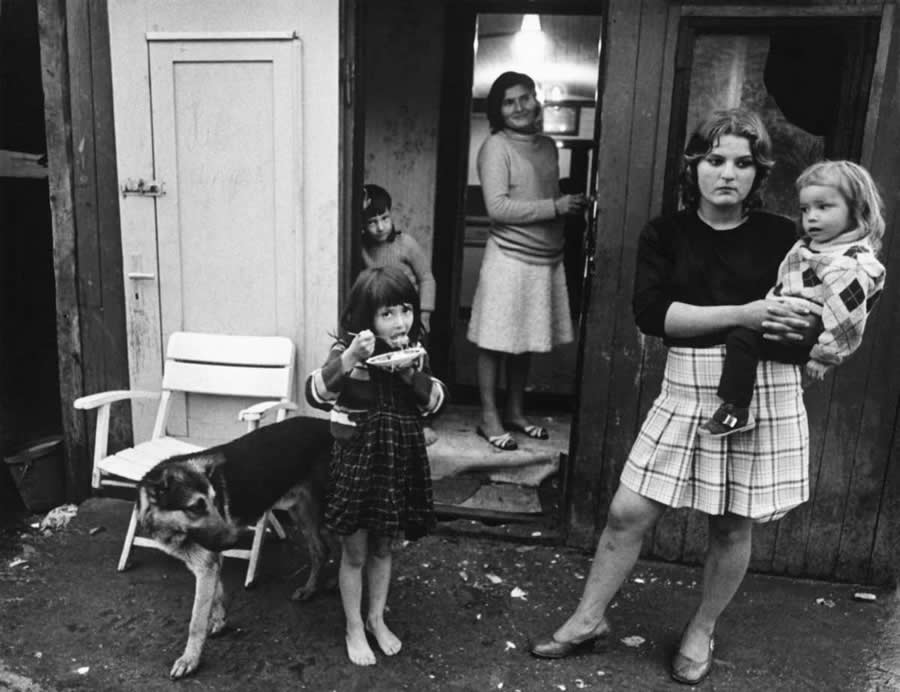
© Abisag Tüllmann
#4. Frankfurt am Main, Nordweststadt, May 1965
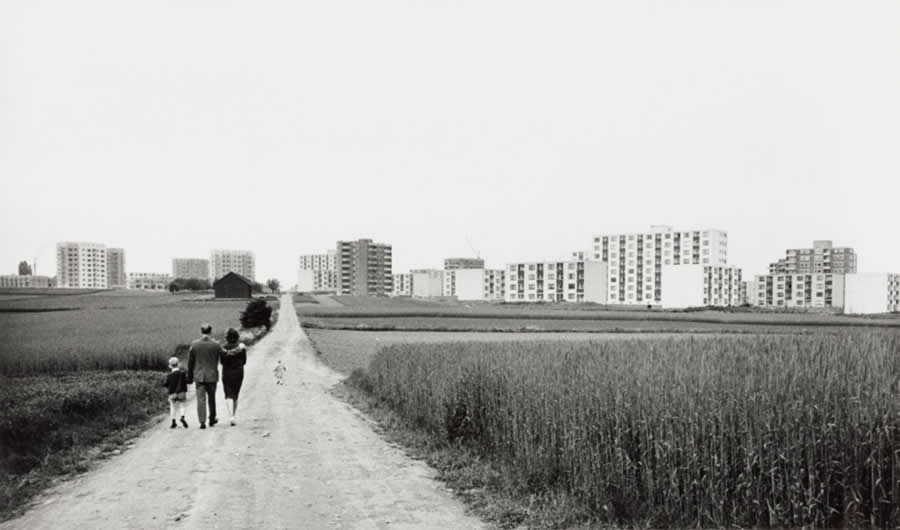
© Abisag Tüllmann
#5. Street in a Sinti and Roma caravan settlement near Cologne, May 1971

© Abisag Tüllmann
A Childhood Marked by War and Resilience
Abisag Tüllmann was born Ursula Eva Tüllmann in Hagen, Westphalia, in 1935. Her childhood unfolded during one of the darkest chapters in European history. Her grandfather came from a Jewish family, and under Nazi racial laws, her mother was classified as a “Half-Jew.” That label alone carried real consequences. Her father, who once ran a reading circle business, was forced to sell it and later sent into forced labor in 1944.
Growing up in the shadow of war wasn’t just a backdrop — it was formative. After 1946, she moved to Wuppertal with her mother and rebuilt life piece by piece. She finished school, trained briefly as a carpenter, and even studied interior design before dropping out. Nothing about her path was straight or polished. It was gritty and practical.
But here’s the thing: those early struggles sharpened her instincts. She understood injustice not as theory, but as lived reality. That depth would later echo in every frame she captured — quiet, observant, but never indifferent.
#6. Frankfurt am Main, Corpus Christi procession, May 1964
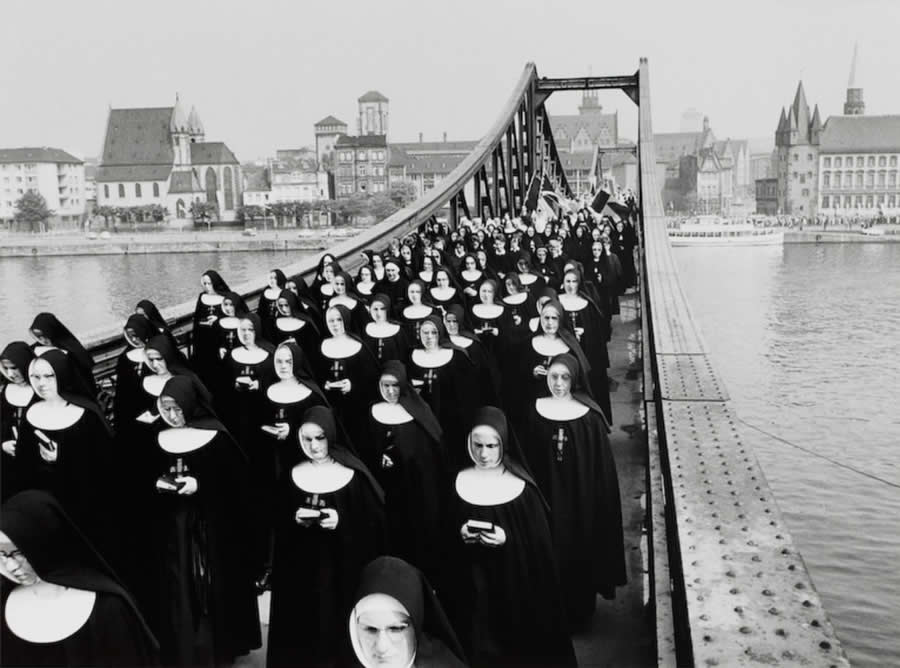
© Abisag Tüllmann
#7. Passerby on a bridge, April 1960
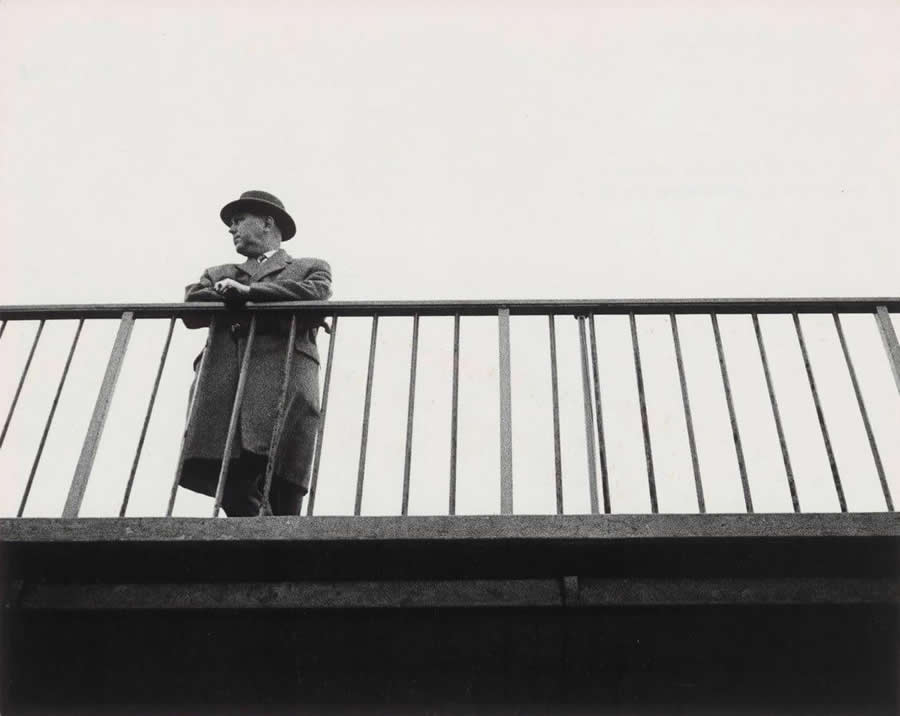
© Abisag Tüllmann
#8. Camogli, Italy, October 1968
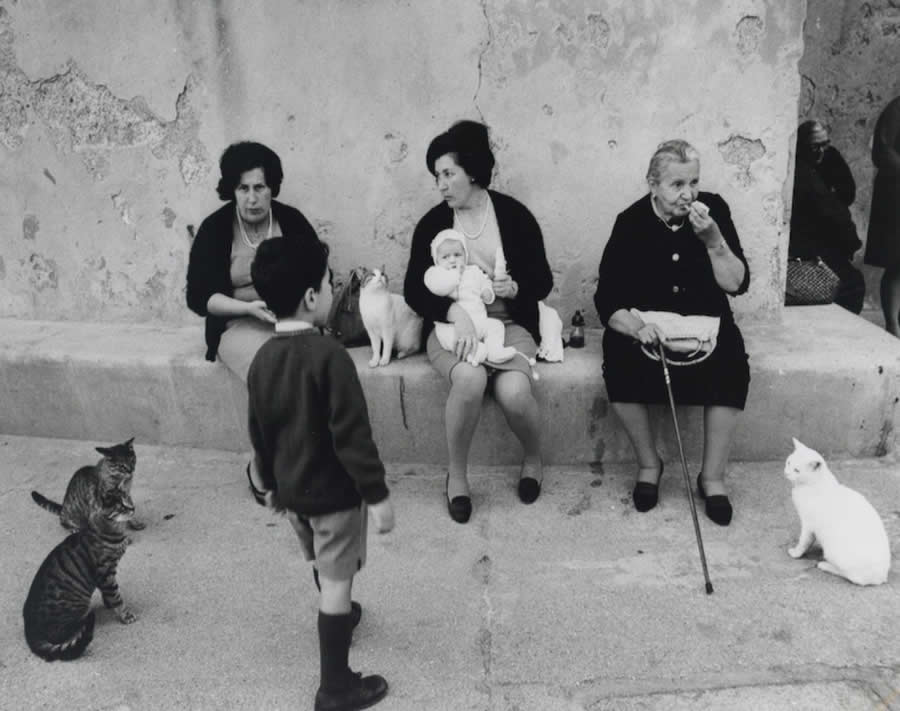
© Abisag Tüllmann
#9. Balconies barricaded with sandbags in Beirut. July 1982
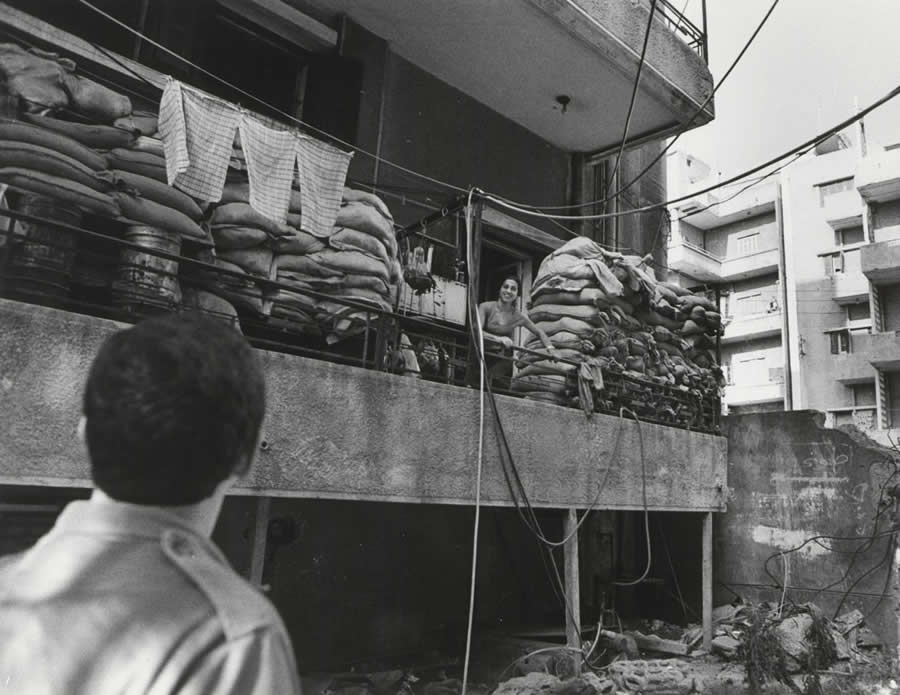
© Abisag Tüllmann
#10. Family living in a Sinti and Roma caravan site in Mainz. 1971
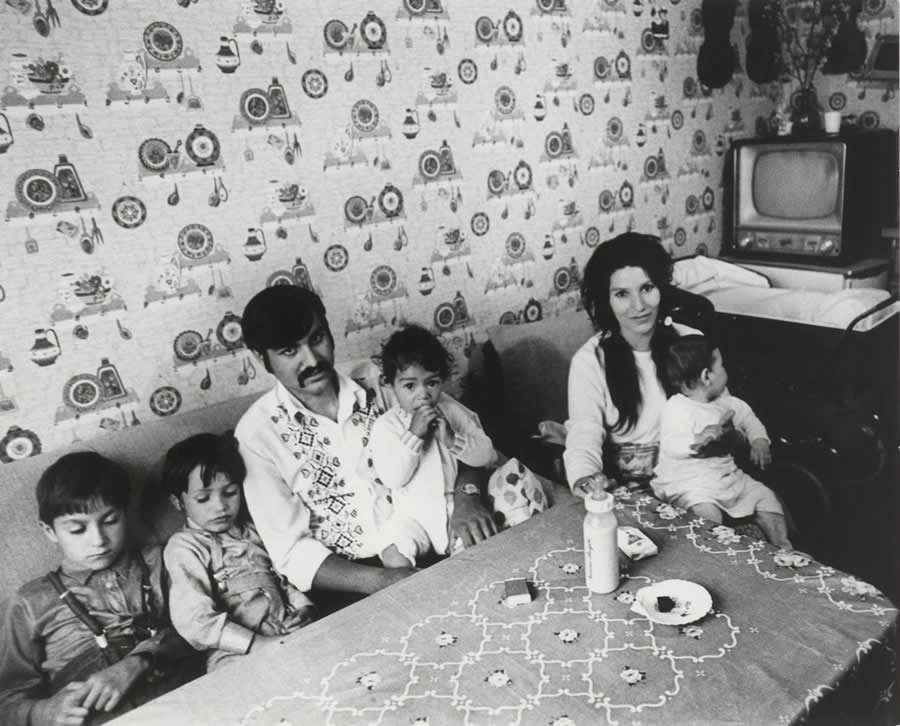
© Abisag Tüllmann
Finding Her Voice Behind the Camera in Frankfurt
In 1957, Tüllmann made a move that changed everything — she relocated to Frankfurt. There, she trained under advertising photographer Dieter Jörs and quickly realized that photography wasn’t just a job; it was her language.
By 1958, she was shooting for major newspapers like the Frankfurter Allgemeine Zeitung, Frankfurter Rundschau, and Frankfurter Neue Presse. In 1961, she joined the Deutscher Journalisten-Verband and officially stepped into the role of freelance photojournalist.
Frankfurt wasn’t just a city to her — it became her living canvas. She immersed herself in the art and literary scene, befriending writers and graphic artists. The city’s intellectual pulse shaped her vision. She wasn’t snapping random street shots; she was documenting a society rebuilding itself, wrestling with memory, identity, and modernity.
Her 1963 photo book on Frankfurt cemented her as more than a press photographer. She was becoming a visual historian of a new Germany.
#11. Heavy car traffic on the temporary motorway bridge, the so-called “flyover”, over Republic Square. 1968
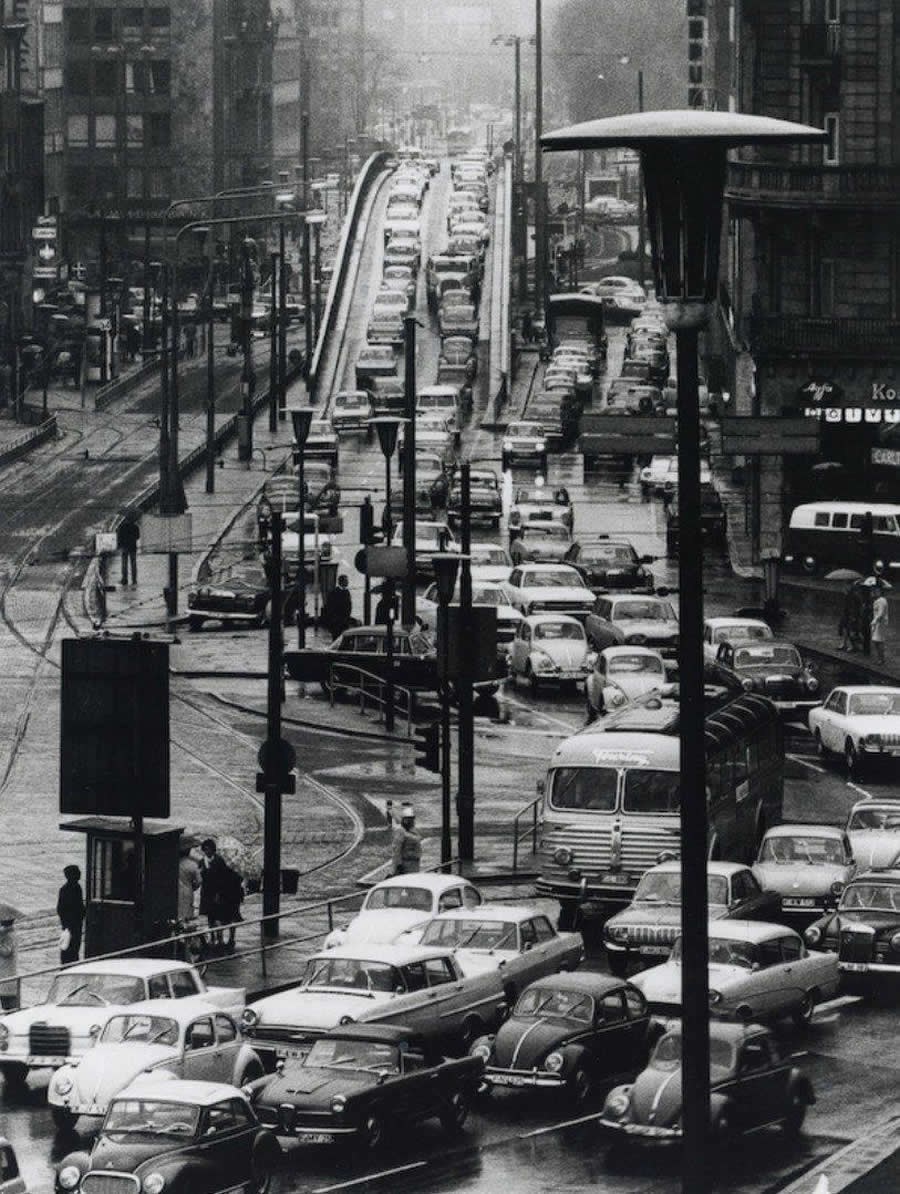
© Abisag Tüllmann
#12. Paris, 1969
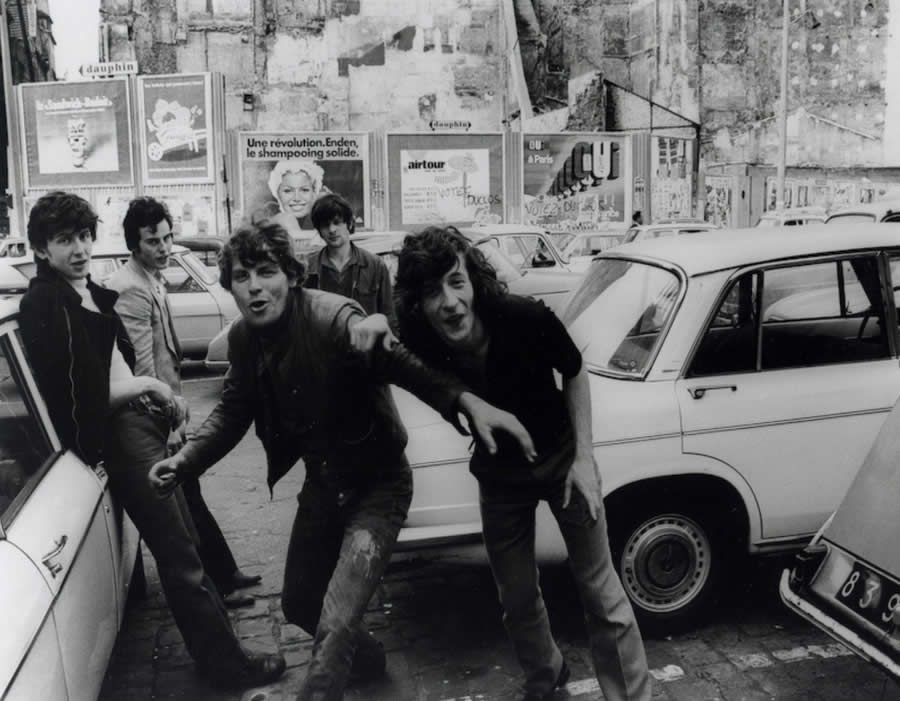
© Abisag Tüllmann
#13. Children in an emergency shelter for Sinti and Roma in Mainz – May 1971
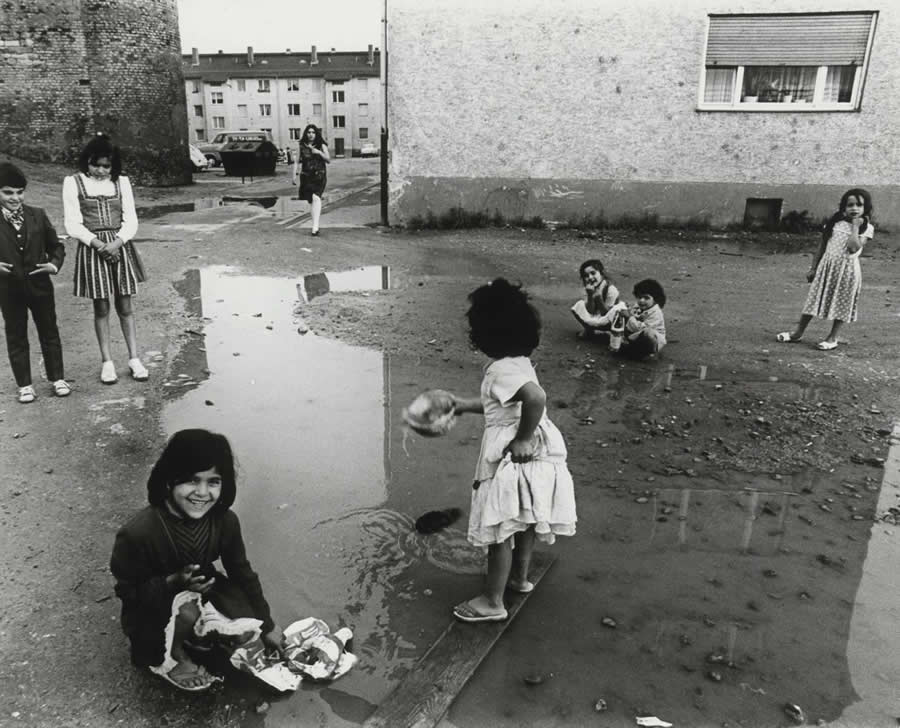
© Abisag Tüllmann
#14. Bus, Algeria, 1970
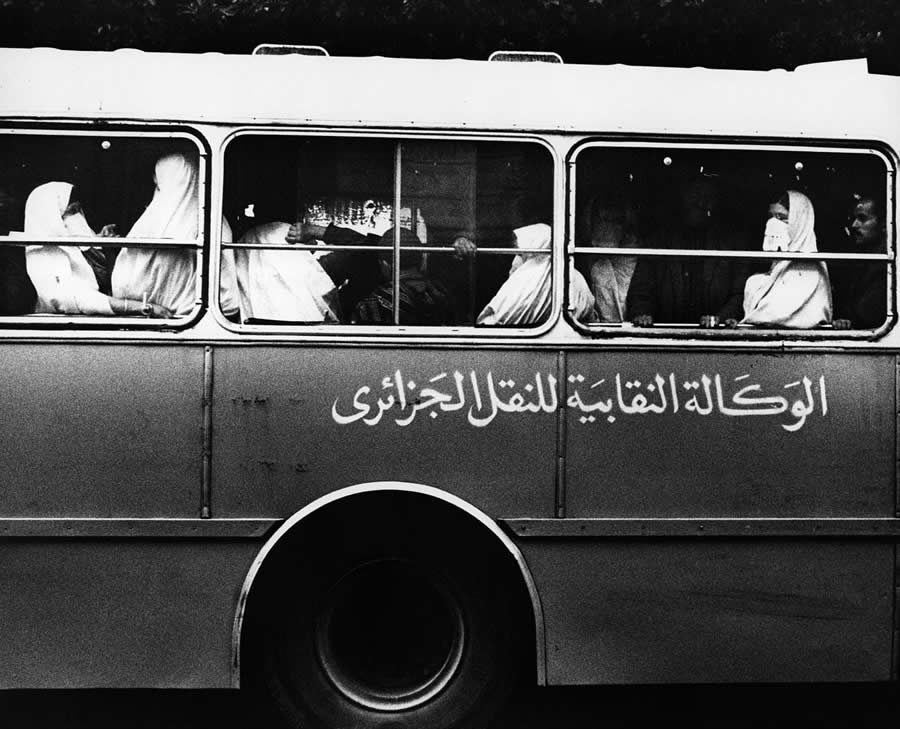
© Abisag Tüllmann
#15. Camogli, Italy, October 1967
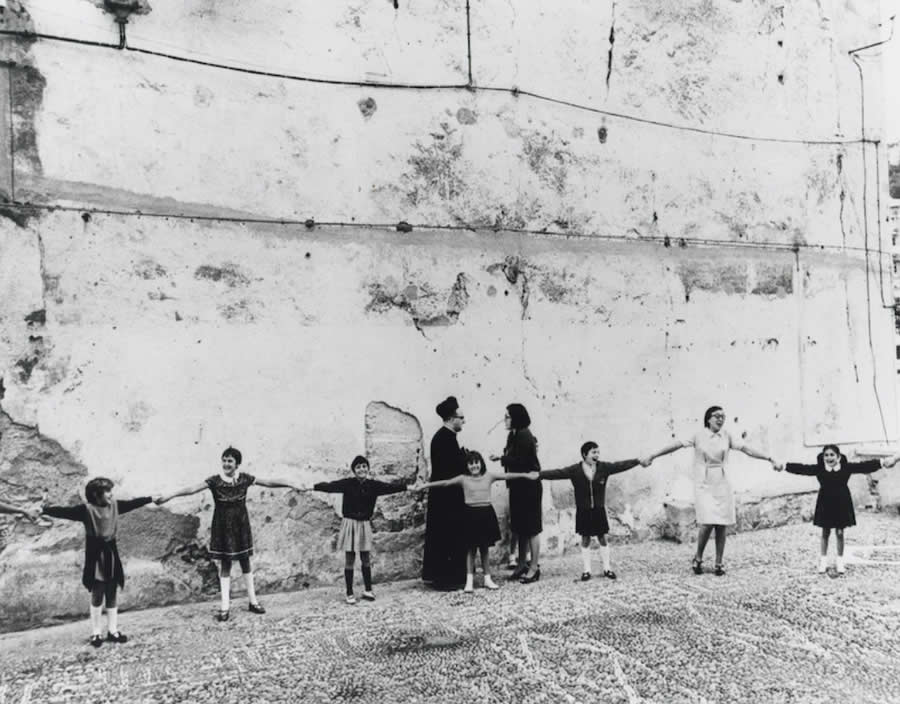
© Abisag Tüllmann
Theatre, Culture, and the Drama of Light
If journalism was her backbone, theatre photography was her playground. Starting in 1964, Tüllmann worked across major cultural institutions in Stuttgart, Bochum, Vienna, and Berlin. She photographed productions at avant-garde stages and prestigious festivals, including the Salzburg Festival.
Theatre photography isn’t easy. Lighting shifts in seconds. Emotion is explosive and fleeting. But Tüllmann thrived in that chaos. She didn’t just photograph performances — she translated atmosphere. Her images carried tension, vulnerability, and the electric stillness before a dramatic line hits.
Before her death, she donated her theatre archive to the Deutsches Theatermuseum in Munich, ensuring that decades of cultural memory would live on. That move says everything about her mindset. She wasn’t chasing fame. She was preserving art.
Her theatre work proved that documentary photography could be poetic without losing its edge.
#16. Berlin, May 1958

© Abisag Tüllmann
#17. View from a car of bombed-out houses in Sidon – July 1982
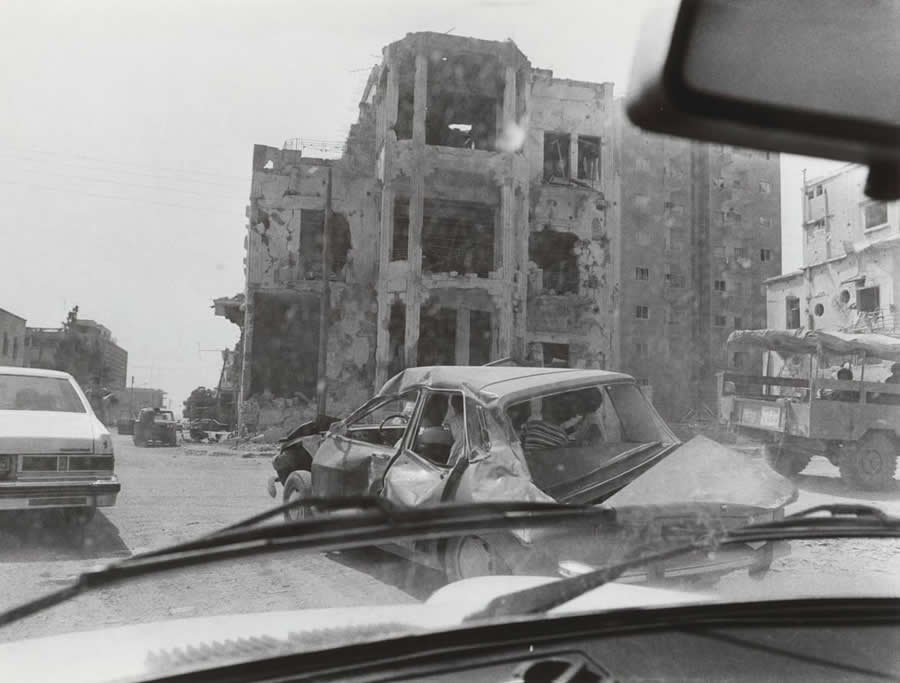
© Abisag Tüllmann
#18. Berlin, Kreuzberg, January 1977
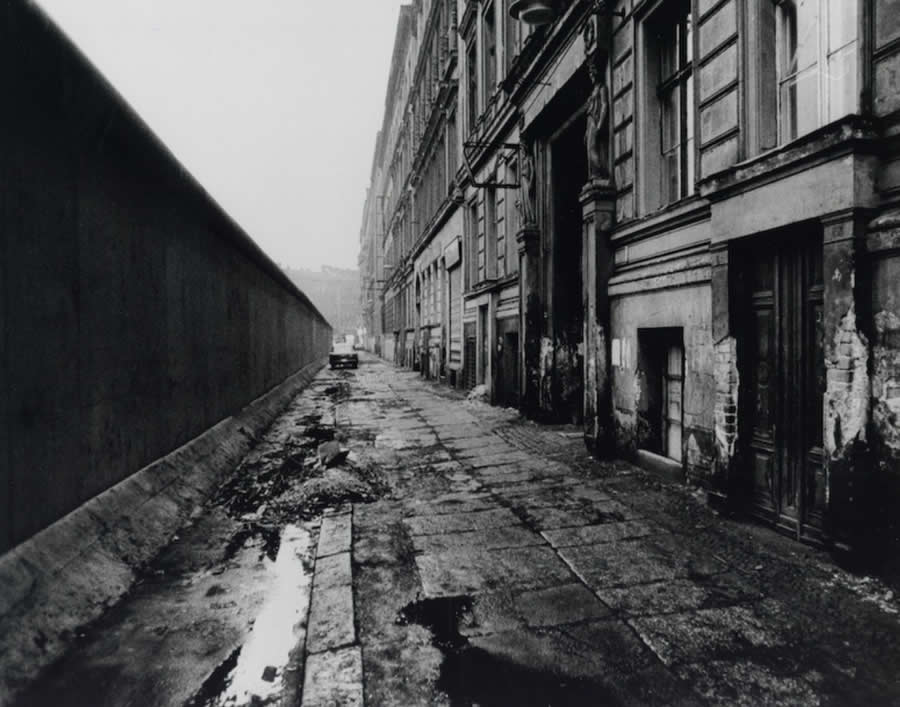
© Abisag Tüllmann
#19. Begin supporters at a Likud election rally in Lod, June 1981.
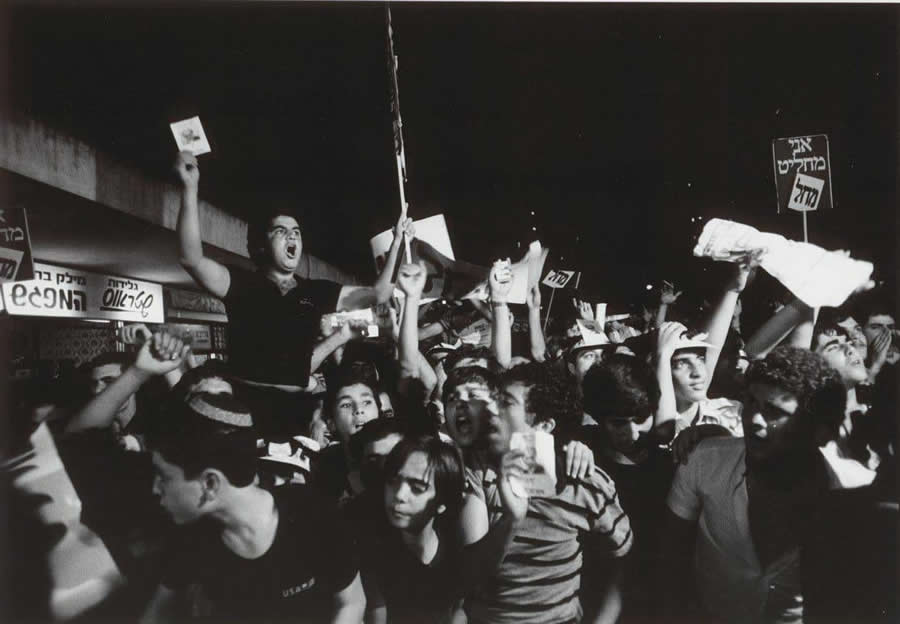
© Abisag Tüllmann
#20. Barefoot girl in a puddle at an emergency shelter for Sinti and Roma in Mainz
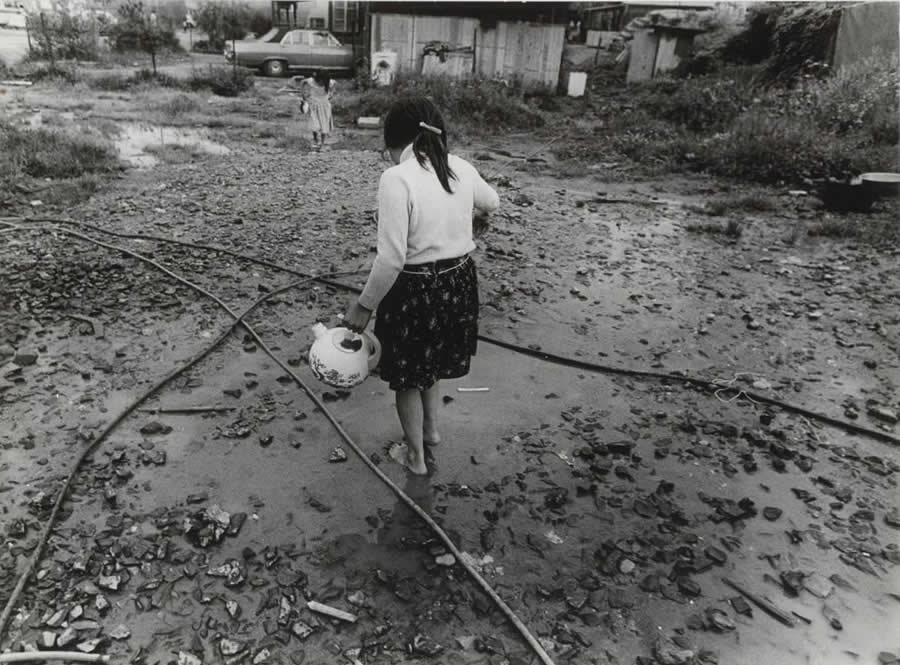
© Abisag Tüllmann
Reporting from Crisis Zones: Israel and Beyond
Tüllmann’s journalistic instincts pulled her far beyond Germany. She developed a strong interest in Israel and traveled there repeatedly, reporting from regions facing political tension and conflict.
This wasn’t parachute journalism. She approached crisis zones with empathy and context. Her family’s own wartime history likely deepened her sensitivity to displacement, trauma, and survival. She wasn’t hunting sensational images — she was seeking understanding.
Her work appeared in respected publications like Der Spiegel, Die Zeit, and even international outlets. She balanced cultural reporting with political awareness, never losing sight of the human element.
In an era when female photojournalists were rare in high-risk environments, Tüllmann stood her ground. Camera in hand, she documented moments many would rather ignore. That courage defined her career.
#21. Warning sign at the Oberbaum Bridge (Kreuzberg) 1977
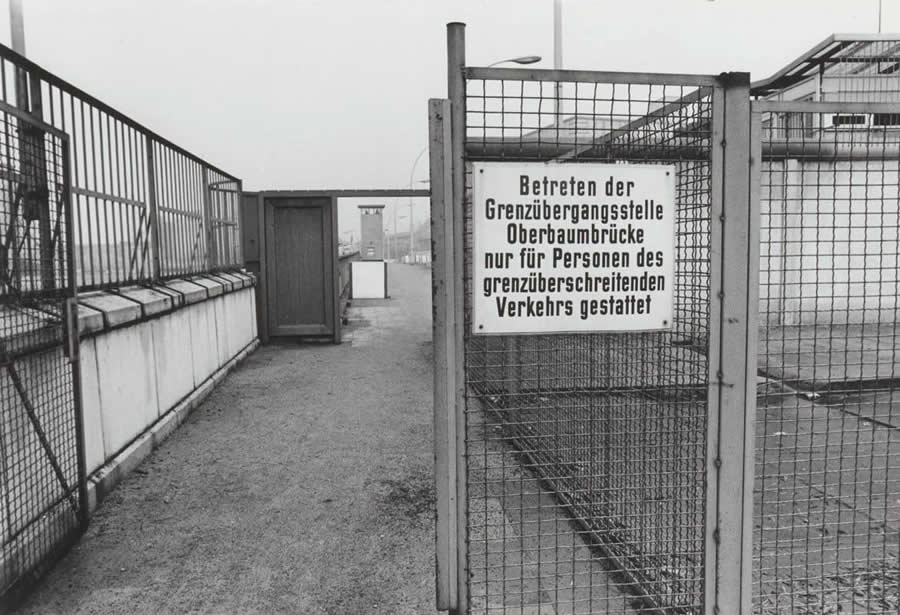
© Abisag Tüllmann
#22. Two girls in front of a bombed-out wall in a Palestinian refugee camp near Tyre – July 1982
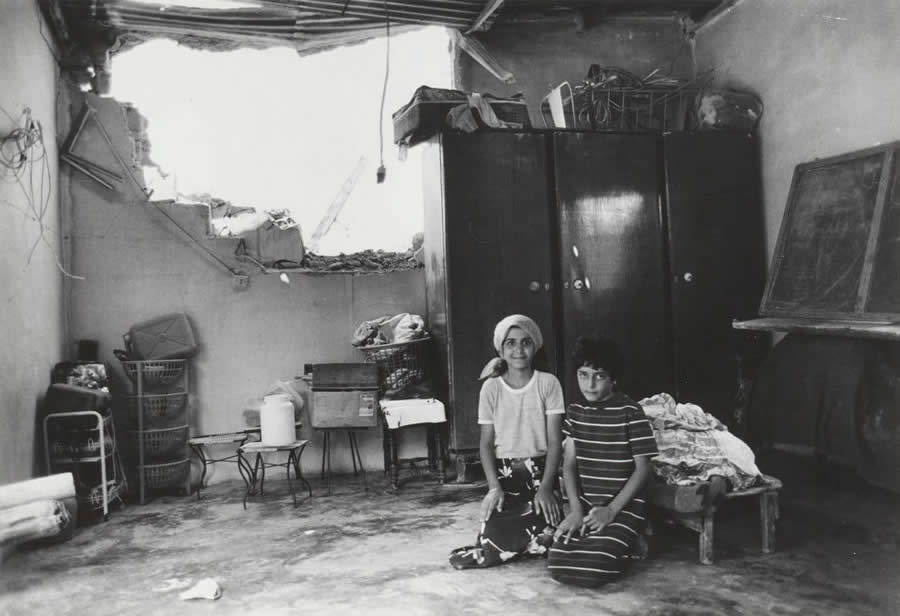
© Abisag Tüllmann
#23. ‘Whites Only’, South Africa, October 1971
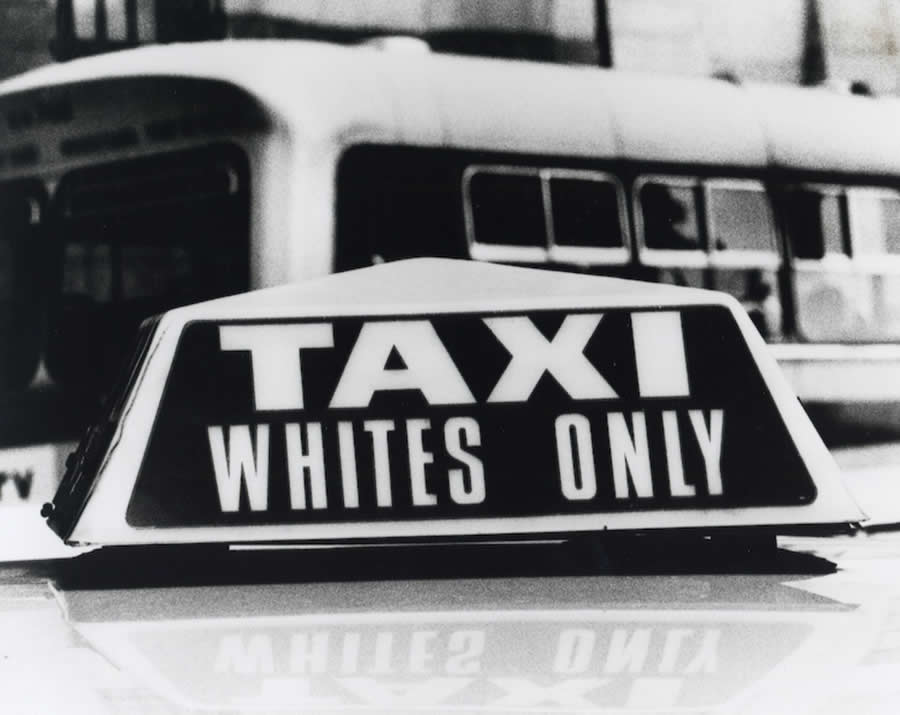
© Abisag Tüllmann
#24. ‘Whites Only’, South Africa, October 1971
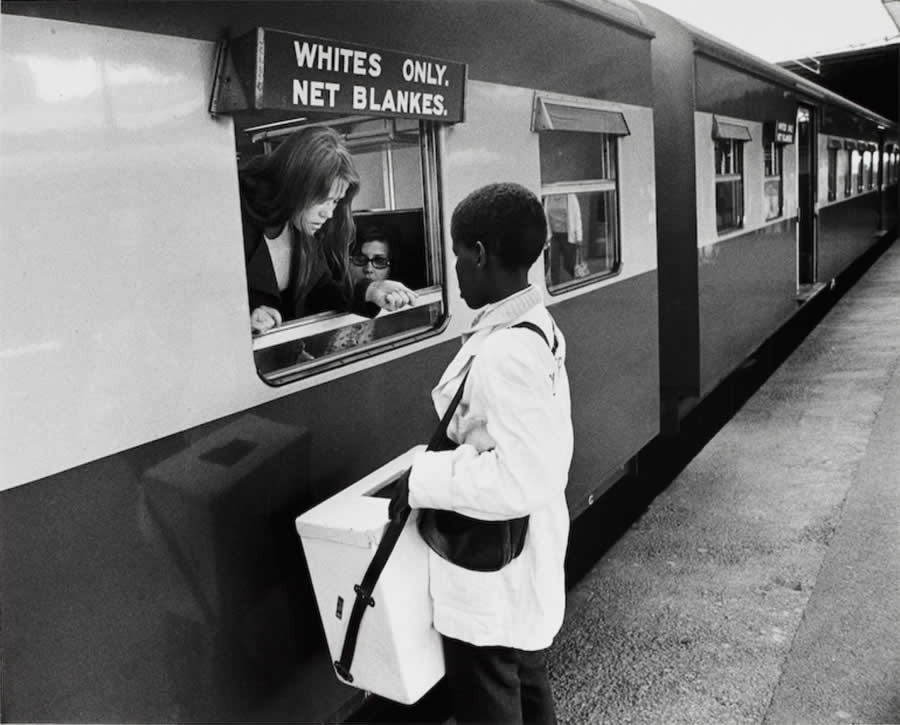
© Abisag Tüllmann
#25. Emergency shelter for Sinti and Roma in Mainz – a girl fetches water in a canister, May 1971

© Abisag Tüllmann
Teaching the Next Generation of Visual Thinkers
Around 1970, Tüllmann began teaching photography at the Deutsche Film- und Fernsehakademie Berlin and at colleges in Kassel, Mainz, Frankfurt, and Hamburg. She wasn’t just passing on technical skills — she was mentoring a mindset.
Her teaching philosophy leaned toward critical observation. Photography, to her, wasn’t about flashy composition alone. It was about responsibility. Who are you photographing? Why? What story are you telling — and who benefits from it?
Students remember her as sharp, intellectually engaged, and uncompromising about authenticity. She believed photojournalism was both art and civic duty.
By stepping into academia, she extended her legacy beyond her own portfolio. She helped shape the next wave of German visual storytellers, embedding ethics into their creative DNA.
#26. Mission Hospital Fatima, Rhodesia (now Zimbabwe), September 1971
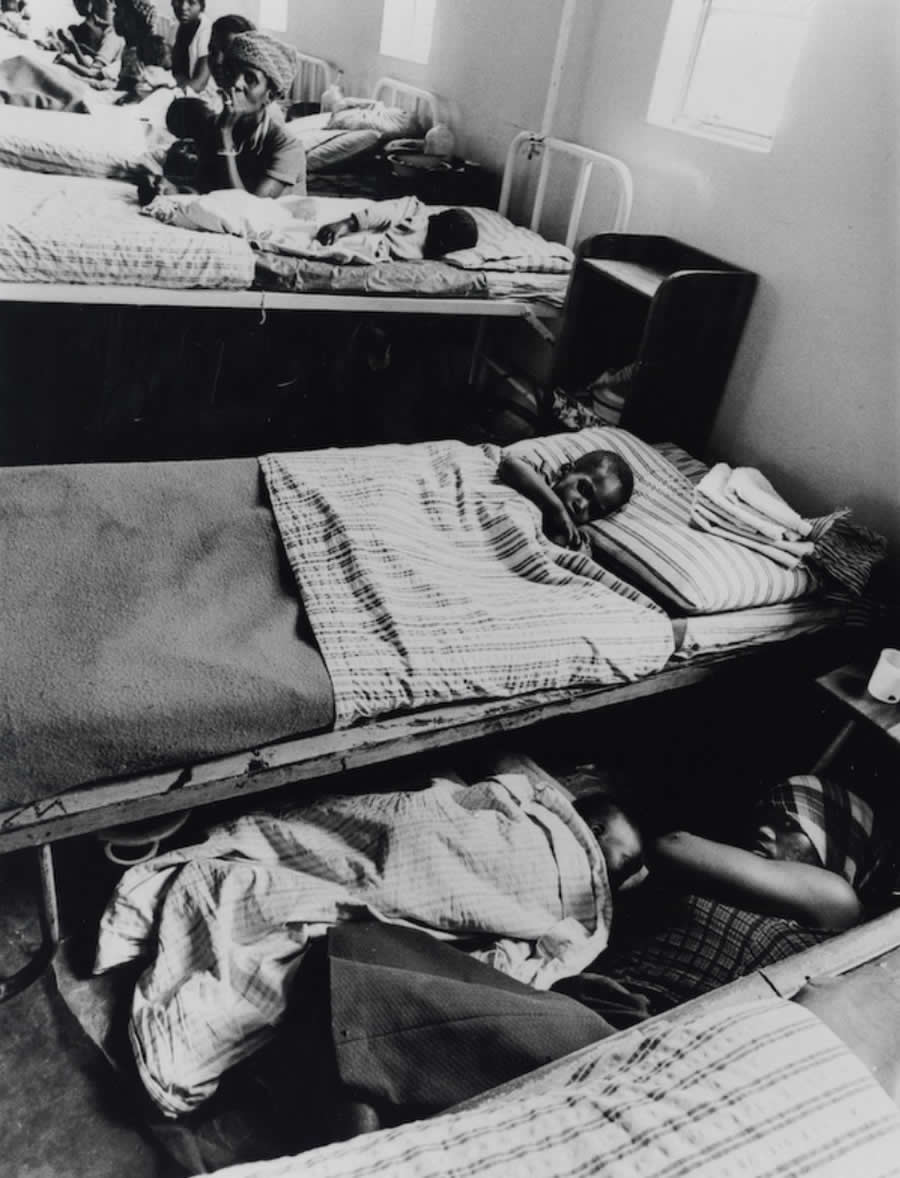
© Abisag Tüllmann
#27. Rhine-Herne Canal, July 1969
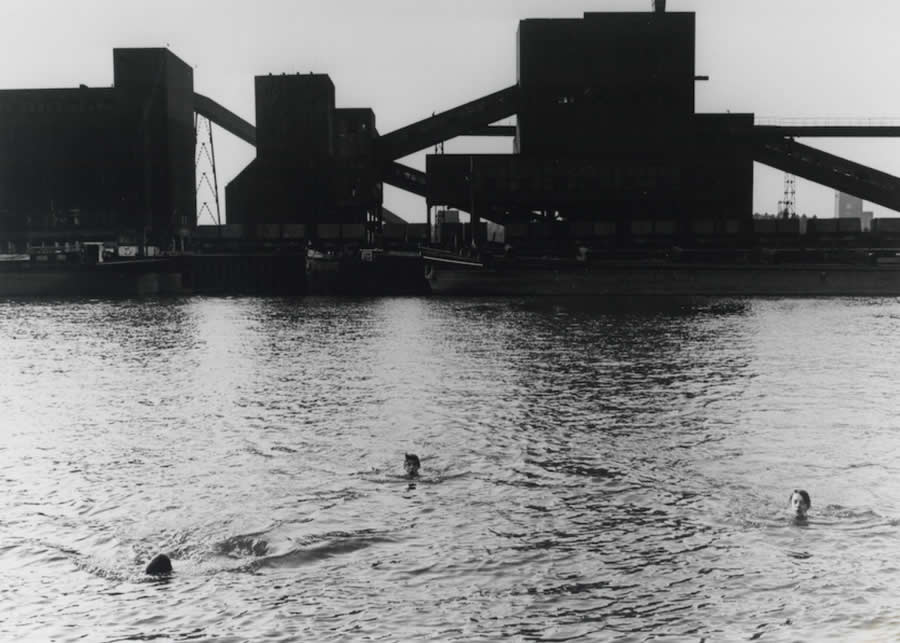
© Abisag Tüllmann
#28. St. Mark’s Square, Venice, June 1970
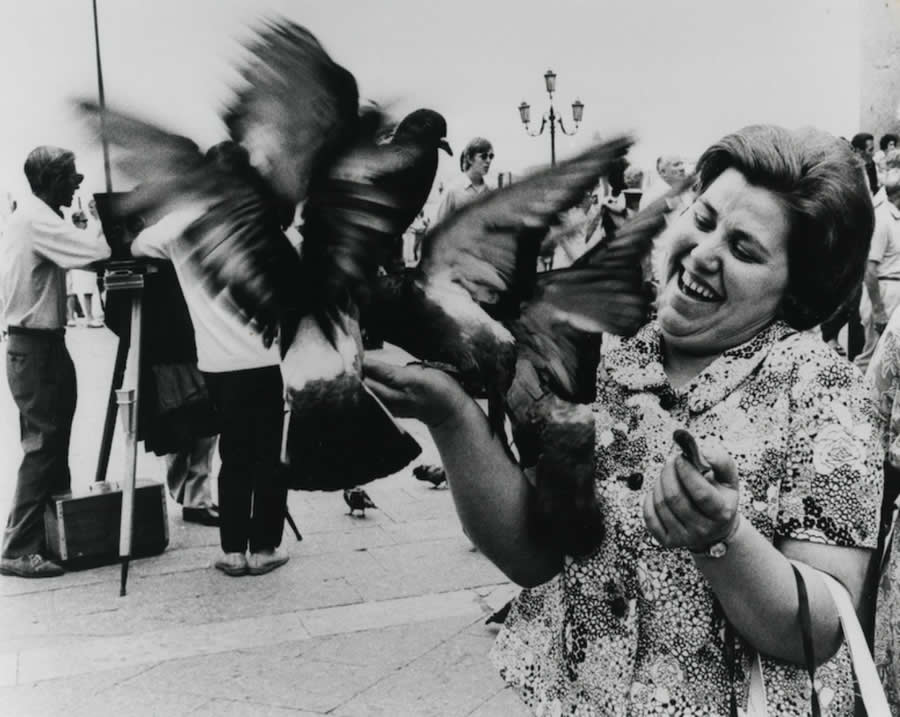
© Abisag Tüllmann
#29. Volterra, Italy, August 1985

© Abisag Tüllmann
#30. Man and boy with musical instrument – 1969
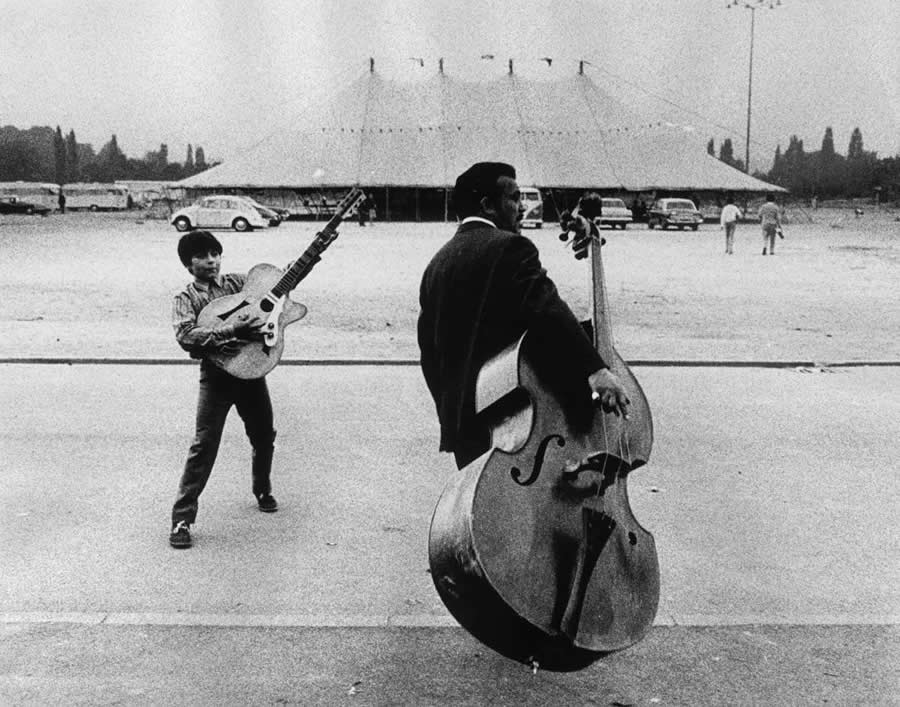
© Abisag Tüllmann
Legacy, Foundation, and the Abisag Tüllmann Prize
When Tüllmann passed away in 1996 in Frankfurt at just 60 years old, she left behind a body of work that demanded preservation. The Prussian Heritage Image Archive took over her complete photojournalistic oeuvre, safeguarding decades of cultural documentation.
In 2008, the Abisag Tüllmann Foundation was established in Frankfurt, funded through proceeds from her archive. The foundation promotes artistic photojournalism and supports publications and exhibitions of her work.
Most notably, the Abisag Tüllmann Prize continues her mission — encouraging photographers who blend artistry with journalistic integrity. That’s powerful. Her name isn’t just attached to history; it’s actively shaping the future.
Tüllmann didn’t just capture moments. She built a framework for fearless storytelling.
#31. Worship service at a meeting of Sinti and Roma from Germany, France, Belgium, and Switzerland in Frankfurt’s Ostpark on the occasion of the "Second European Gypsy Mission Conference."

© Abisag Tüllmann
#32. Homework assistance in an emergency shelter for Sinti and Roma in Cologne, May 1971
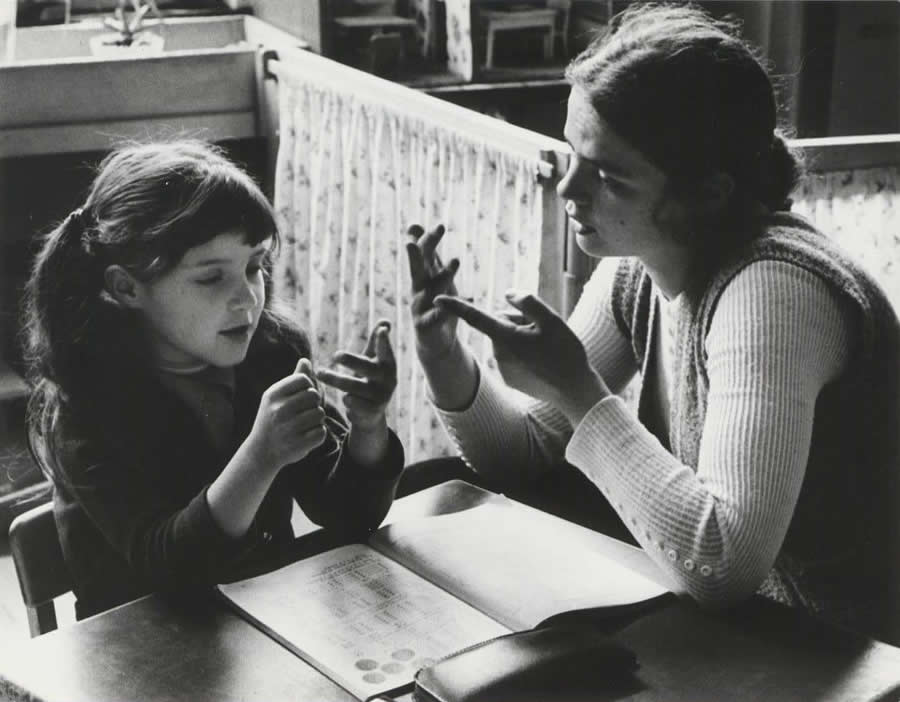
© Abisag Tüllmann
#33. Naples, Italy, April 1974
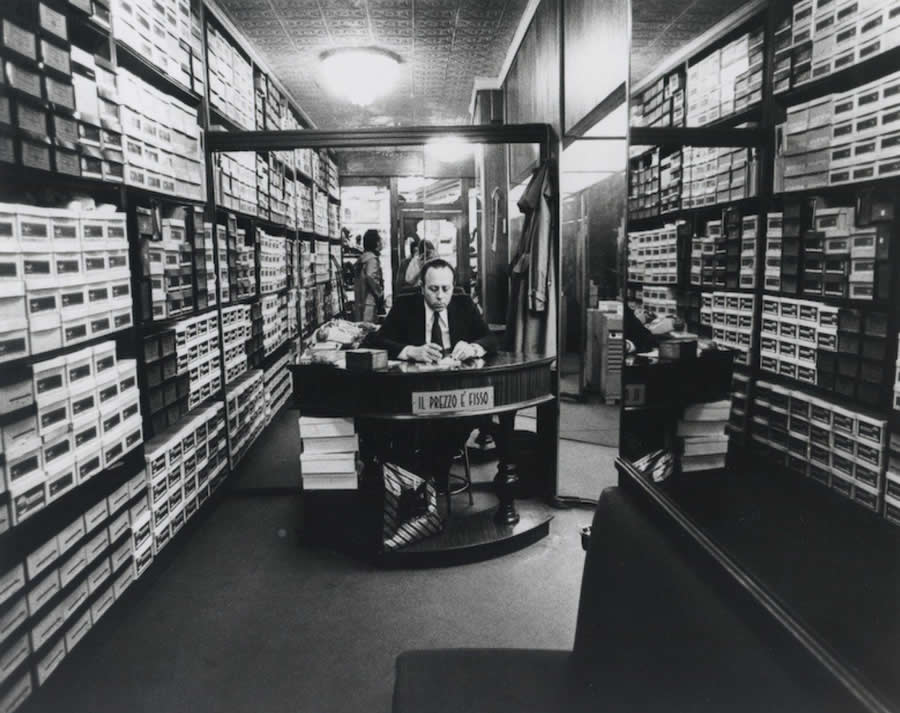
© Abisag Tüllmann
#34. War Damage Near Damour
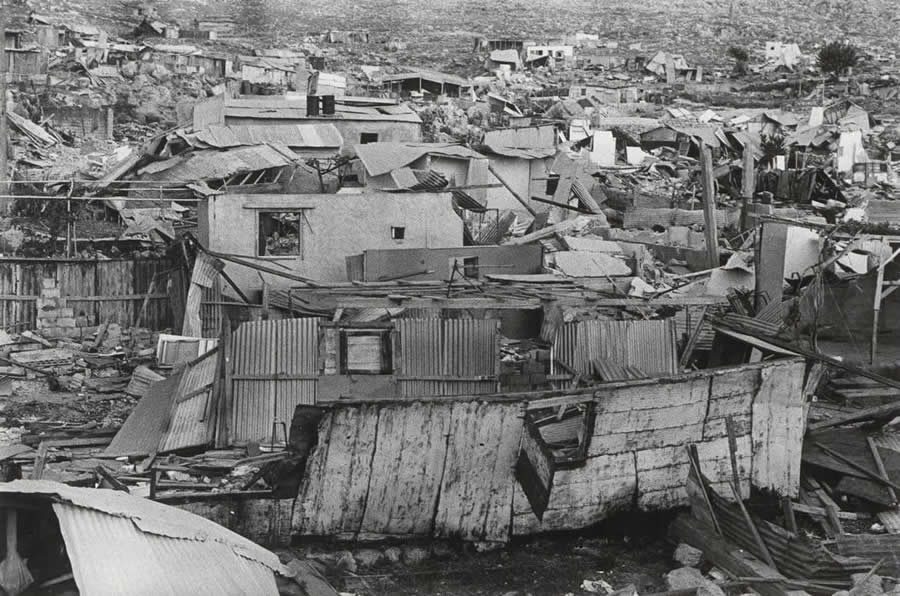
© Abisag Tüllmann
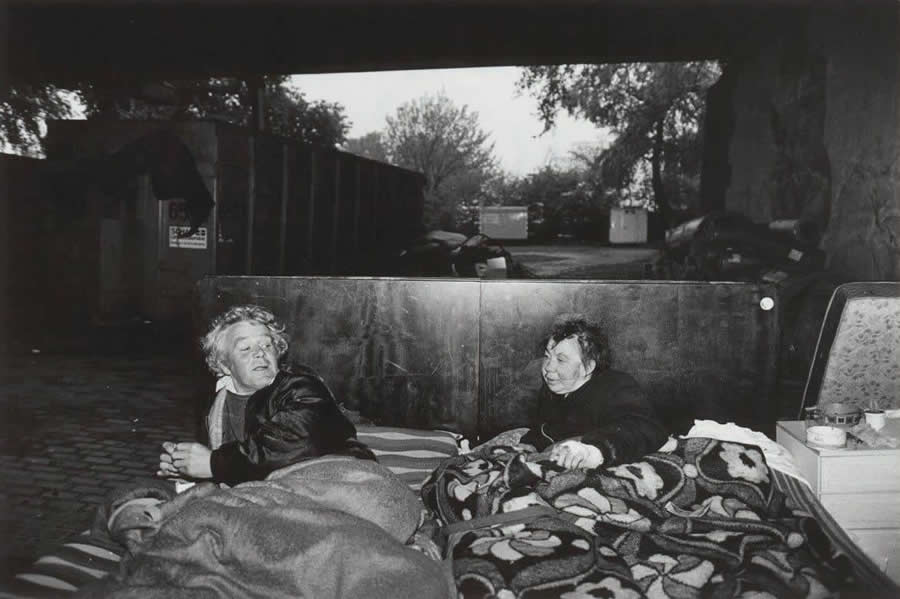
#35. Homeless people under the Peace Bridge, May 1991
© Abisag Tüllmann
In Summary
Who was Abisag Tüllmann?
- Abisag Tüllmann was a German photojournalist (1935–1996) known for her unfiltered documentation of postwar Germany, theatre photography, and crisis reporting.
What made Abisag Tüllmann significant?
- She combined artistic vision with journalistic integrity, documenting cultural, political, and theatrical life in Germany and Israel.
Where did Abisag Tüllmann work?
- She worked in Frankfurt and internationally, contributing to major publications and photographing theatre across Europe.
What is the Abisag Tüllmann Foundation?
- Founded in 2008 in Frankfurt, the foundation promotes artistic photojournalism and awards the Abisag Tüllmann Prize.
Where is her work preserved today?
- Her theatre archive is housed at the Deutsches Theatermuseum in Munich, and her photojournalistic archive is held by the Prussian Heritage Image Archive.






![20 Years Later, One of the Best Sitcoms of the 21st Century Returns With Hilarious First Look [Exclusive]](https://static0.colliderimages.com/wordpress/wp-content/uploads/2026/02/malcolm-in-the-middle-life-s-still-unfair-feature.jpg?w=1600&h=900&fit=crop)

 English (US) ·