
 3 weeks ago
29
3 weeks ago
29
Here's a scenario most photographers will recognize: you come home from a portrait session or family event with 800 frames on your memory card, feeling like you absolutely nailed it. Three hours of culling later, you've exported maybe 15 images worth keeping. The math on that works out to under 2%, which isn't a success rate so much as it is a coin flip repeated until something lands.
The strange part is that this workflow feels normal, even responsible. Burst mode is the default setting on virtually every modern camera, and tutorials rarely suggest turning it off. It feels like insurance against missing the shot, which sounds reasonable until you realize that insurance policy might be the very thing preventing you from developing the skills that would make it unnecessary.
The Decisive Moment, Outsourced
Henri Cartier-Bresson's famous concept of the decisive moment was built on a simple premise: there is one instant when all the elements of a scene align perfectly, and the photographer's job is to recognize it and press the shutter at precisely that fraction of a second. Burst mode fundamentally changes this relationship. Instead of capturing the moment, you're now capturing around the moment, firing a rapid sequence and hoping that somewhere in those 15 or 20 frames, one of them lands on the peak. The decision about which fraction of a second matters most has been deferred from the shoot to the edit.
This might seem like a technical distinction without practical difference, but it changes how you engage with your subject in real time. When you hold the shutter button down, something shifts in your attention. You're still looking through the viewfinder, but you've stopped actively observing. The mental process switches from anticipation to reaction, and reaction is always slower and less reliable. You're no longer predicting when the moment will peak; you're just recording everything and trusting that you'll sort it out later. The frame count feels productive because 400 shots seems like more work than 40, but productivity in photography has never been measured in shutter actuations.
The Costs That Don't Show Up on the Invoice
The most obvious cost of burst mode is time, specifically the hours you'll spend in Lightroom or Capture One scrolling through sequences of nearly identical frames. Every burst adds 10, 20, or 50 images to your culling pile, and the differences between them are often measured in millimeters of expression change or subtle shifts in body position. Choosing between frame 7 and frame 9 of a 15-shot burst is genuinely exhausting in a way that choosing between 15 distinct moments is not. Decision fatigue is a well-documented psychological phenomenon, and few things trigger it faster than comparing images where the differences are barely perceptible. (If your culling workflow itself needs streamlining, Fstoppers offers comprehensive tutorials on both Mastering Adobe Lightroom and The Complete Capture One Editing Guide.)
 Then there's storage. Memory cards keep getting larger and cheaper, which makes it easy to ignore how quickly burst shooting fills them, but those frames don't disappear after import. They live on hard drives, get backed up to secondary drives, sync to cloud services, and generally accumulate in ways that cost both money and organizational sanity over time. A photographer shooting 50,000 frames per year in burst mode might be keeping 1,000 of them. The other 49,000 are just taking up space, waiting to be accidentally included in a backup or to slow down a catalog search.
The subtler cost is to your development as a photographer. When you shoot in burst mode, the feedback loop between capture and learning gets stretched to the point of uselessness. You don't find out what worked until hours later when you're editing, and by then the context is gone. You can't remember exactly what you were seeing when you fired that particular burst, which means you can't connect the successful frame to any specific decision you made in the moment. The lesson that should have been immediate becomes abstract, if it registers at all.
The Skill That Burst Mode Lets You Skip
Watch an experienced photographer work and you'll notice something that looks almost like precognition. They seem to know when the smile is about to become genuine instead of polite, when the gesture is about to complete, when all the elements of a street scene are about to align for half a second before scattering again. This isn't mystical intuition; it's a learnable skill called anticipation, and it's built through thousands of repetitions of watching, predicting, shooting, and immediately seeing whether the prediction was right.
Portrait photographers develop an eye for the micro-expressions that precede a real laugh versus a forced one. Street photographers learn to read pedestrian flow and predict when a figure will step into the right position relative to a background element. Sports photographers internalize the biomechanics of their subject's movements so thoroughly that they know where the peak of a jump or the moment of contact will occur before it happens. This knowledge comes from shooting, missing, analyzing the miss, and adjusting. It requires a tight feedback loop between prediction and result.
Burst mode allows you to skip this entire process. Why learn to predict the peak when you can just capture the entire arc and pick the peak later? The answer is that skipping the lesson keeps you dependent on the workaround. Film photographers had no choice but to develop anticipation because they had 36 frames per roll, not 36 frames per second. The constraint forced the skill. Digital photographers have the option to avoid that constraint, which feels like freedom but functions more like a crutch.
A Test Worth Taking
Before dismissing this as purist nostalgia, try a simple experiment. Look at the last 10 photographs you've taken that you genuinely love, the ones you'd print or put in a portfolio. For each one, ask yourself: was this the first frame in a burst, or was it buried in the middle of one? Could you have gotten this shot with a single, well-timed press, or did you actually need 15 frames to extract it?
Most photographers who do this exercise honestly find that their best work wasn't the product of volume. The shots they're proudest of were moments they actually saw and timed correctly. The burst frames that occasionally yield keepers tend to feel more like luck than skill, and luck isn't a foundation you can build on. If your keeper rate is 2% and your best frames are the ones you timed deliberately anyway, the burst mode habit is costing you time without providing the safety net you think it is.
Breaking the Habit
The first step is simply to experience the difference. Switch your camera to single-shot mode for a full session, preferably something low-stakes like a walk around your neighborhood or a casual portrait of a willing friend. The goal isn't to come home with amazing photos; it's to notice how your shooting behavior changes when every frame has to be individually committed to. Most photographers find they start waiting more, watching more actively, and thinking about timing in a way that burst mode had been letting them ignore.
The second step is to impose artificial scarcity. Give yourself a hard limit of 50 frames for an outing and stick to it. This is what film photographers mean when they talk about shooting like film costs money, because it used to. Constraints create intentionality. When you only have 50 chances, you stop pressing the shutter at anything that looks vaguely interesting. You start waiting for it to become actually interesting.
The third step is the hardest: when you see something worth photographing, don't shoot immediately. Let the moment develop. Wait for the expression to build, the gesture to complete, the composition to resolve. You will miss shots doing this, and that's precisely the point. Missing teaches you to read the buildup. After enough misses, you start to recognize the patterns that precede peak moments, and your timing improves. This learning cannot happen if burst mode is catching everything regardless of your timing. This is why street photography can hone your skills so well.
Finally, track your keeper rate honestly over time. Divide your keepers by your total frames and watch that number. A 2% rate means 98% of your shutter presses produced nothing usable. The goal isn't to take fewer photos overall but to make more of them count. As your anticipation improves, that percentage should climb.
When Burst Mode Earns Its Place
None of this is a blanket condemnation of continuous shooting. Some situations genuinely benefit from it. Fast, unpredictable action where even professionals cannot reliably nail a single frame is the obvious case: sports with rapid directional changes, wildlife in motion (birds in flight being the classic example), or very young children whose movements are essentially random. In these contexts, burst mode is a legitimate tool rather than a substitute for skill.
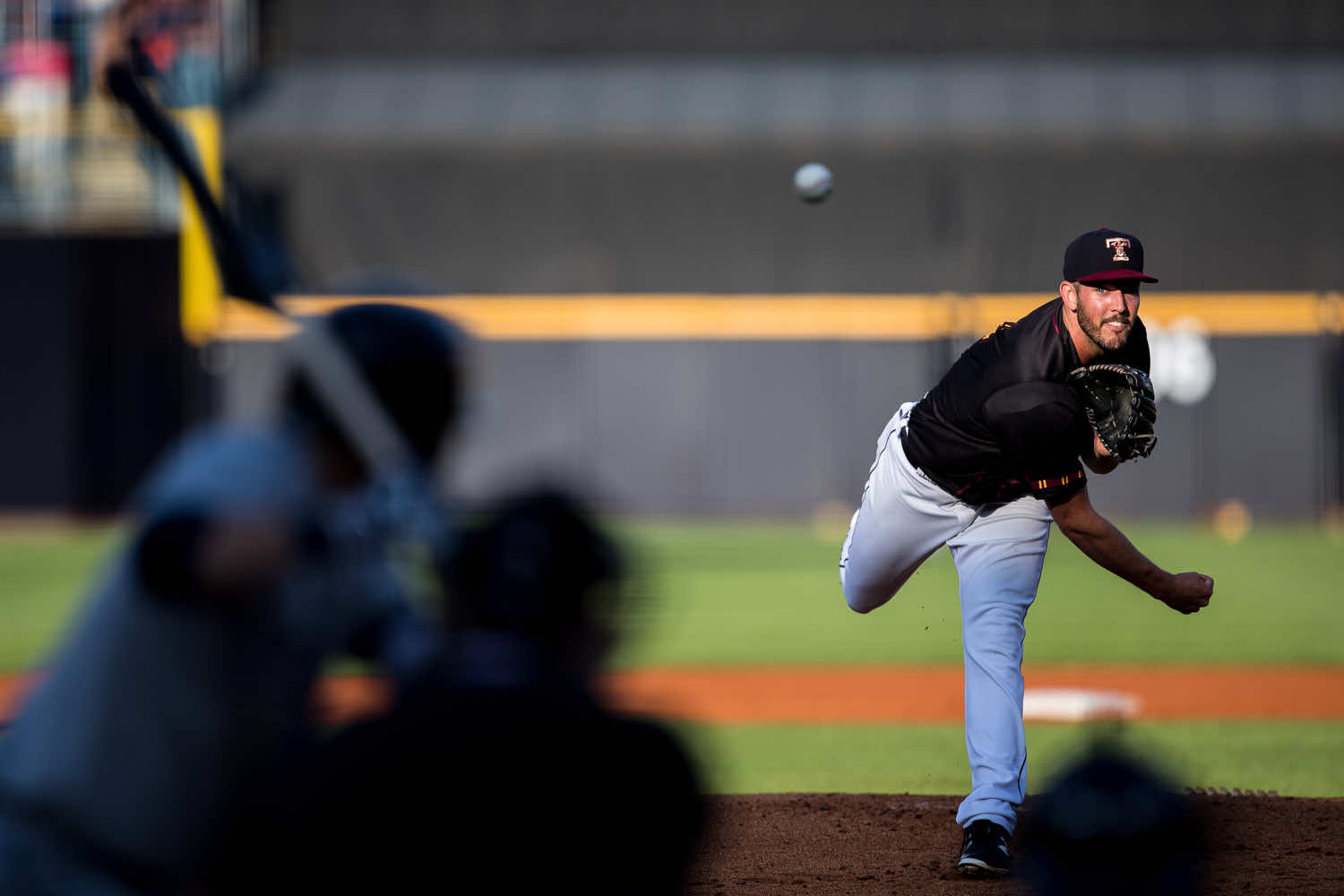 Even here, though, there's a difference between burst mode as a precision instrument and burst mode as a safety net. A controlled burst of 3 to 5 frames fired at the moment you've identified as the peak is a very different thing from a 40-frame spray fired because you weren't sure when the peak would occur. The first approach uses burst mode to increase the odds of catching a moment you've already anticipated. The second uses it to avoid having to anticipate at all.
What Changes When You Slow Down
Photographers who break the burst mode habit tend to report a similar progression. First, they start seeing moments earlier, recognizing the buildup before the peak arrives. Then their keeper rate climbs, sometimes dramatically, from 2% to 10% to 20% or higher as their timing improves. Culling sessions that used to take hours shrink to minutes because there are fewer frames to review and the differences between them are more meaningful. Perhaps most importantly, their photographs start to feel intentional rather than lucky. There's a qualitative difference between an image you saw and captured versus one you extracted from a sequence, and that difference shows in the work.
This is ultimately what separates photographers who can be trusted with an assignment from hobbyists who happen to own professional equipment. It's not the gear, and it's not even the eye for composition, though both matter. It's the ability to see a moment coming and be ready for it, to press the shutter once at the right instant instead of 20 times hoping one of them is right. That ability is built through practice, and burst mode lets you avoid exactly the kind of practice that builds it. For photographers looking to develop these instincts across multiple disciplines, The Well-Rounded Photographer covers anticipation and timing techniques across eight different genres.
The Challenge
Burst mode isn't evil, and this isn't an argument for returning to some imagined purist past where real photographers only shot single frames. The goal is to build skills that make burst mode optional rather than mandatory, to develop the anticipation that lets you choose when to use it as a tool instead of relying on it as a crutch. The next time you go out to shoot, leave the camera in single-shot mode and see what happens. You'll miss some frames. You'll also start learning how to stop missing them.




![20 Years Later, One of the Best Sitcoms of the 21st Century Returns With Hilarious First Look [Exclusive]](https://static0.colliderimages.com/wordpress/wp-content/uploads/2026/02/malcolm-in-the-middle-life-s-still-unfair-feature.jpg?w=1600&h=900&fit=crop)

 English (US) ·