

Published Feb 3, 2026, 1:00 PM EST
Hannah is a senior writer and self-publisher for the anime section at ScreenRant. There, she focuses on writing news, features, and list-style articles about all things anime and manga. She works as a freelance writer in the entertainment industry, focusing on video games, anime, and literature.
Her published works can be found on ScreenRant, FinanceBuzz, She Reads, and She Writes.
A Knight of the Seven Kingdoms isn’t just a lighthearted tale about a wandering knight and his sharp-tongued squire. From its earliest episodes, the series hums with the quiet threat of history repeating itself. In Episode 3, a simple song slips into the background, and with it comes a promise that Westeros’ past violence is already casting a shadow over its future.
The tune Egg sings might sound like a rough-and-tumble marching rhyme, but it’s actually a coded history lesson. For viewers who only know the television canon, the lyrics feel like flavor. For lore-watchers, they’re a warning flare. The show is telling us, plainly and early, that the Blackfyre Rebellion isn’t ancient dust, it’s a storm that will break again.
A Game of Thrones Song That Carries a War in Its Notes
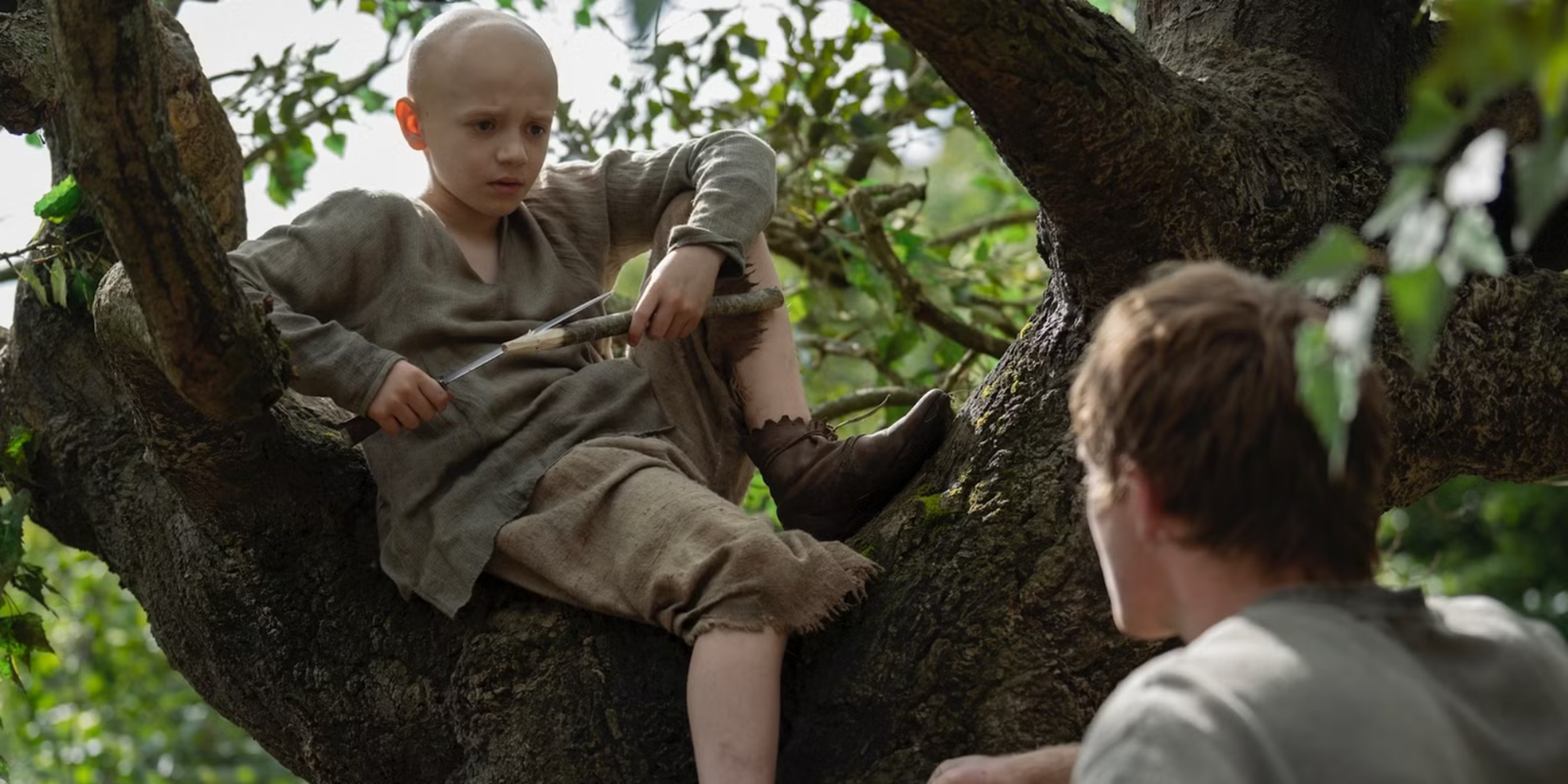
Egg’s ballad in “The Squire” episode works on two levels at once. On the surface, it’s a cheeky, half-censored ditty meant to pass the time on the road. Beneath that playful tone, the words outline a bitter civil war between brothers, bastards, and princes, previewing a conflict that will shape not just the next season, but the fate of the realm itself.
The lyrics sketch the famous “hammer and anvil” tactic, where royal forces crushed a rebel army between two advancing lines. It’s an image of inevitability, a closing trap that mirrors the show’s larger theme. No matter how far Dunk and Egg wander, they’re moving through a landscape built by past battles, and the ground beneath them is still stained by old blood.
What makes the moment so striking is its casual delivery. There’s no grand speech, no dramatic flashback. Instead, a child sings about mass death as if it were a nursery rhyme. The series quietly suggests that in Westeros, war becomes folklore, and folklore becomes destiny. By the time the story reaches its second season, those playful words will carry heavy, personal consequences.
For fans who missed the deeper meaning, the song is essentially a spoiler hidden in plain sight. It outlines the central question that will haunt the narrative: who truly deserved the throne, and who gets to decide what “treason” looks like when history is written by the winners.
The Roots of a Family That Couldn’t Stay United

At the heart of the Blackfyre conflict is a tangled royal family tree that practically begs for disaster. The war grew from rumors, jealousies, and a king who legitimized his own bastards on his deathbed. That single act blurred the line between rightful heir and charismatic usurper, turning personal grievances into banners that armies could rally behind.
Daemon Blackfyre, the most famous of those legitimized sons, became a symbol of what many nobles wanted their king to be. He looked the part, fought like a legend, and carried the famous blade that bore his name. In contrast, King Daeron II ruled through alliances and diplomacy, particularly with Dorne, a choice that alienated powerful lords across the realm.
The show’s subtle references to this history deepen the tension between characters like Baelor and Maekar. Their strained bond isn’t just sibling rivalry; it’s a leftover fracture from a war that forced them to stand on the same side while competing for the same glory. The battlefield victory they shared planted seeds of resentment that will echo through their family for generations.
By weaving this backstory into a traveling knight’s tale, the series reminds viewers that grand wars aren’t just fought by kings. Their consequences ripple outward, shaping the lives of hedge knights, exiled families, and children who grow up singing about battles they never saw but will inevitably be pulled into.
Winners, Losers, and the Price of Picking a Side in Westeros
 Image Created by Lukas Shayo
One of the most haunting aspects of the Blackfyre legacy is what happened after the swords were sheathed. The defeated weren’t simply pardoned and folded back into the realm. Their lands were stripped, their titles erased, and their children sent away as hostages or exiles. Loyalty became a stain that could follow a family across continents.
Future seasons are set up to explore this fallout through characters who backed the losing cause. These aren’t cartoon villains or power-hungry schemers. Many believed, genuinely, that Daemon would be a better king. Their punishment forces Dunk and Egg to confront a hard truth, because in Westeros, morality often depends on which banner ends up flying over the castle.
This perspective challenges the clean narratives that usually define heroic fantasy. The rebellion isn’t framed as good versus evil, but as two imperfect claimants shaped by rumor, pride, and politics. Even the question of who was truly born to rule is left deliberately murky, a reminder that bloodlines in this world are as contested as any battlefield.
By humanizing those labeled as traitors, the series sets up a moral tension that will drive its later arcs. Dunk’s instinct to see the world in simple terms will be tested as he meets people whose “crimes” were choosing the wrong king and losing everything because of it.
Egg’s Secret and the Weight of a Crown to Come
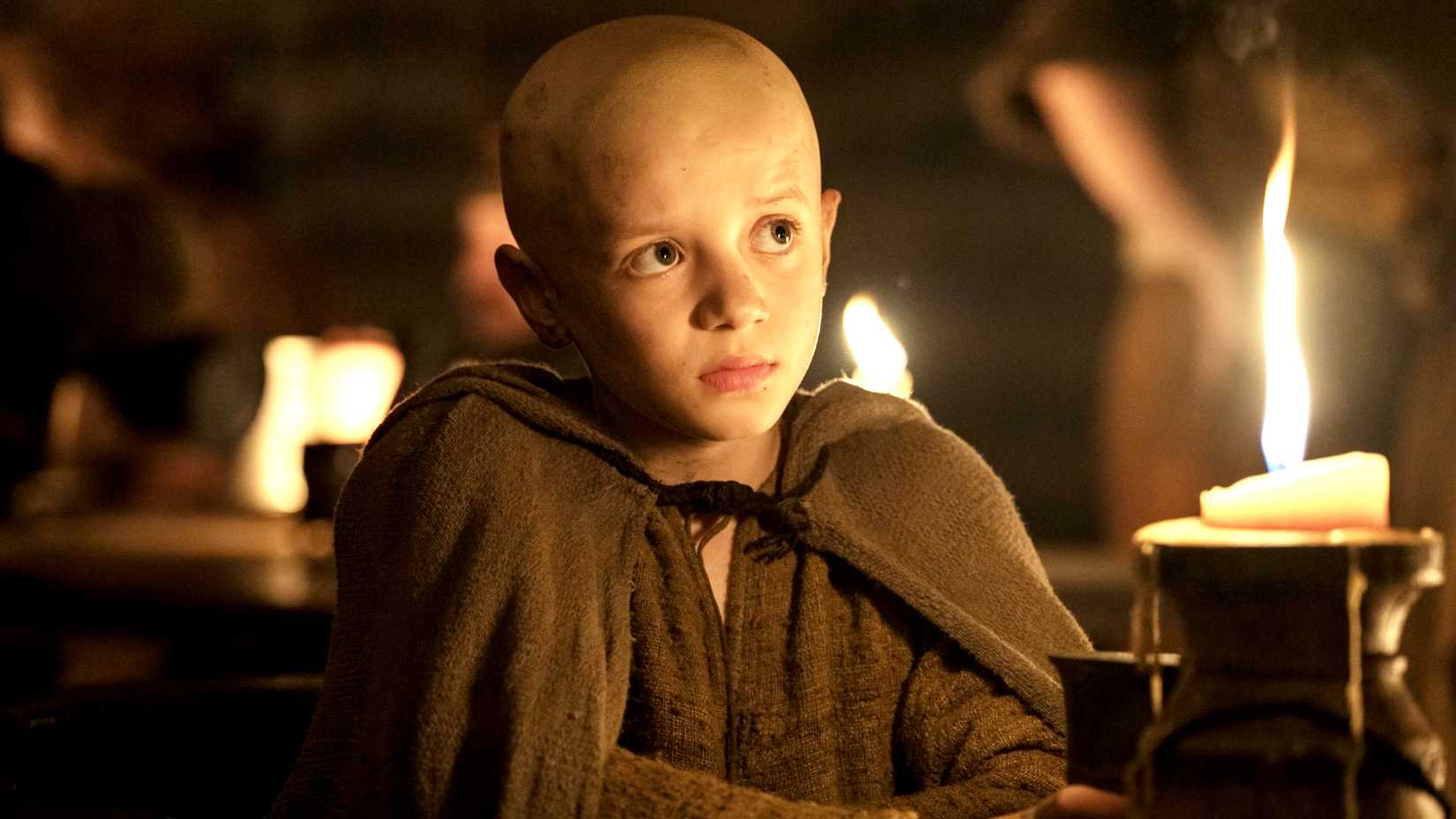 Image via HBO
The song’s most personal meaning, however, is the one that circles back to Egg himself. What sounds like a history lesson is actually a family story. The princes he sings about aren’t distant figures from a dusty chronicle, they’re his father and uncle. The rebellion he references isn’t ancient; it’s part of his own bloodline.
That revelation reframes every earlier scene where Egg downplays his origins. His nervousness around Targaryens, his quick tongue when nobility is mentioned, and his fierce loyalty to Dunk all take on new significance. He isn’t just hiding a name. He’s carrying the weight of a dynasty that has torn itself apart before and could do so again.
The show uses this twist to link personal identity with political destiny. Egg’s future as a king isn’t just a matter of birthright; it’s a challenge shaped by the failures of those who came before him. The Blackfyre conflict becomes a cautionary tale he’ll have to reckon with when he eventually sits the throne.
By placing this revelation alongside the song, the series suggests that history isn’t something Egg can escape. He literally sings his own inheritance, unaware that the same stories of divided loyalties and contested crowns will one day define his reign.
Why Westeros' Past Refuses to Stay Buried
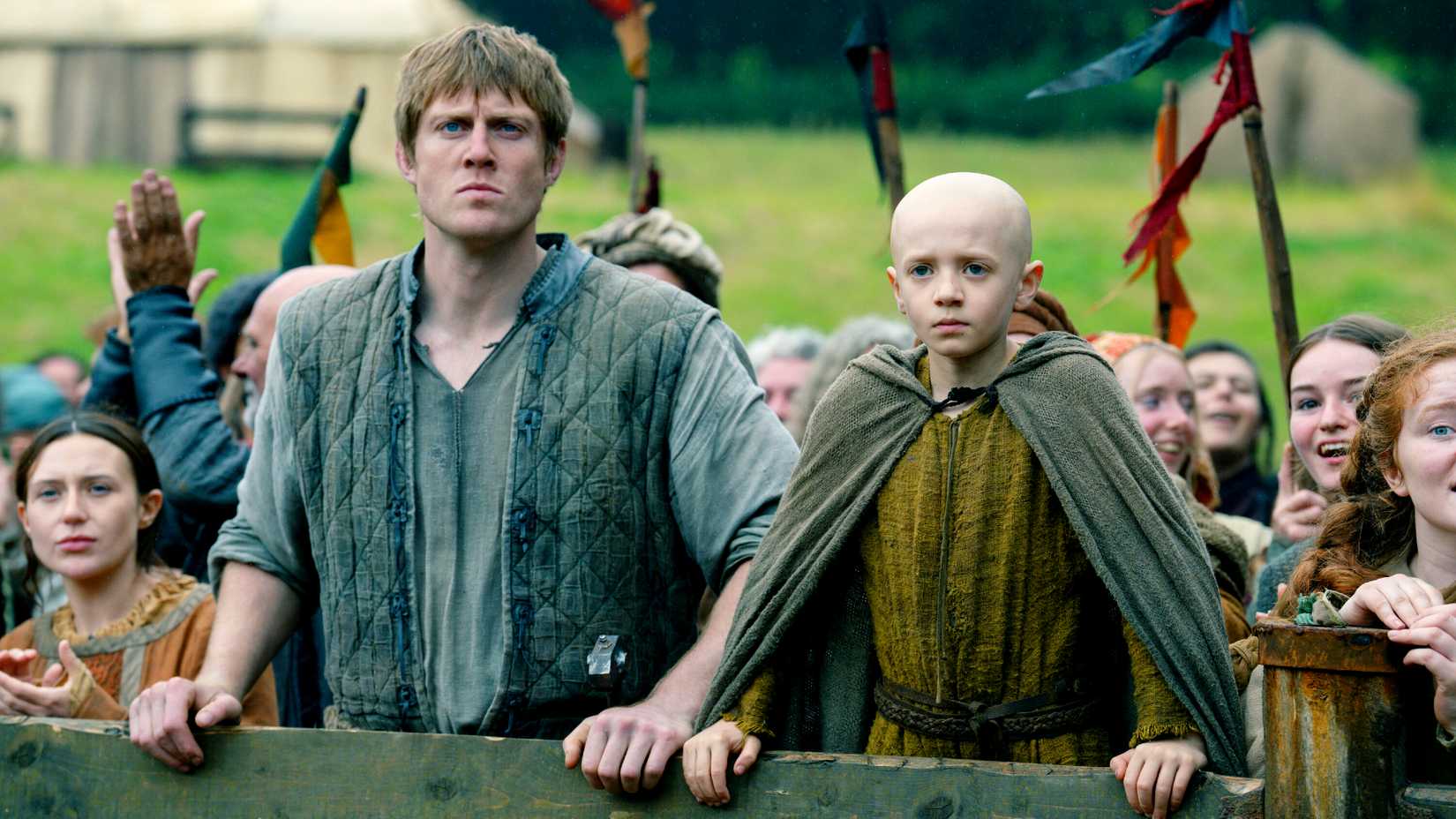
What makes this Easter egg so powerful is its timing. The series introduces the Blackfyre Rebellion not at the height of political drama, but during a quiet, character-driven episode. It’s a reminder that in Westeros, peace is often just the pause between conflicts, and the seeds of the next war are planted long before the first sword is drawn.
The creators have hinted that future seasons will lean heavily into this history, bringing old supporters of the rebellion back into the spotlight. Their presence will force Dunk and Egg to see the realm from perspectives they were never meant to consider, blurring the lines between loyalty, justice, and survival.
For viewers, this means the story is evolving from a simple adventure into a meditation on how societies remember their own violence. Songs become propaganda, victories become legends, and the defeated become villains in tales told to children. The Blackfyre Rebellion isn’t just a plot point, it’s a mirror held up to the world the characters inhabit.
By the time the inevitable echoes of that war surface again, the audience will already know the melody. It will be the same tune Egg once sang for fun, now transformed into a reminder that in Westeros, history doesn’t just repeat itself. It waits patiently, humming in the background, until the realm in A Knight of the Seven Kingdoms is ready to bleed again.
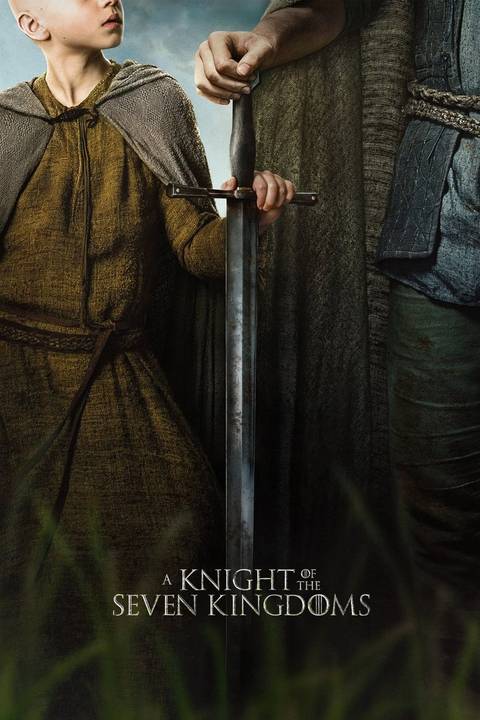
Release Date January 18, 2026
Network HBO
Showrunner Ira Parker
Directors Owen Harris
Writers George R. R. Martin, Ira Parker
-

Peter Claffey
Ser Duncan 'Dunk' the Tall
-




 English (US) ·