
 3 weeks ago
29
3 weeks ago
29
A "hammer blow" for games retail.
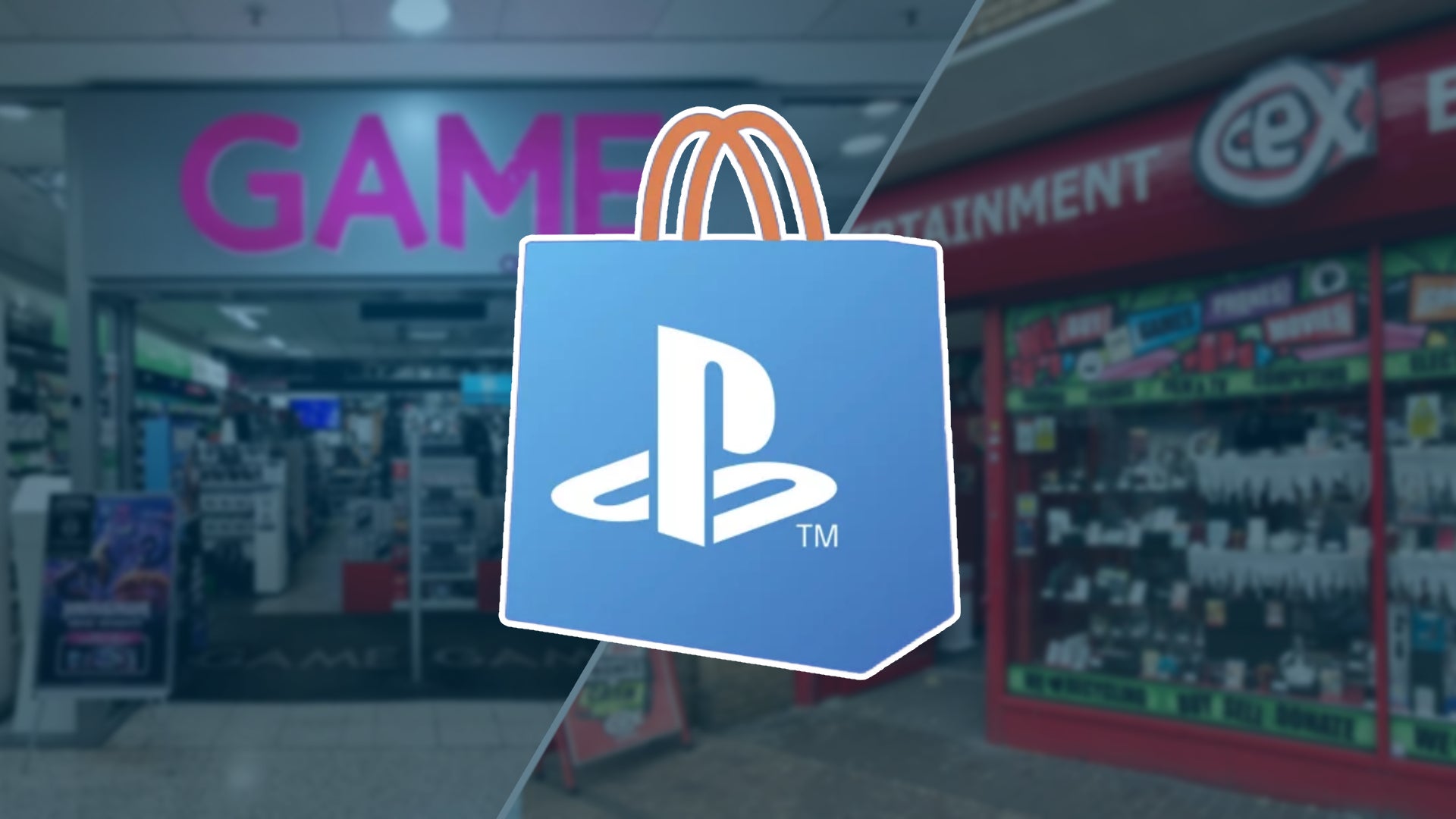
Last week, Sony announced that in January 2028, large-scale production of physical discs for new games would cease. This sent waves throughout the industry, raising questions about what it meant for other console manufacturers, game preservation, and more.
It also came across for many as yet another kick to the chest for high street retailers. It's no secret that physical video game stores have been suffering for years, as spending habits have drifted gradually to digital and the practice of actually leaving the house to buy a game has lost its lustre.
To learn more about how bad these stores could be hit by Sony's lean away from the physical market, I spoke to industry experts to gather the potential impact of such a decision on the remnants of brick and mortar gaming shops, and the second-hand games market.
"PlayStation games do sell well at physical retail," says Chris Dring at The Game Business. "It's a smaller part of the business than digital, of course, but we're still talking millions of sales worldwide. So the news surprises me. From a retail perspective, it's clearly a blow." Dring notes how there aren't many retailers actually left these days, and that Nintendo makes up a major part of the retail business alongside Sony.
Dring ponders how Sony will continue to work with retailers moving forward, saying the code-in-a-box solution could be a precursor to stores participating in digital sales of PlayStation games. It is what Rockstar and GTA 6 are doing, after all. He says: "That could be quite significant, offering customers choice on where to buy all games, not just the big ones."
Rhys Elliot from Alinea Analytics described the news as a "hammer blow for games retail", and described the pre-owned market as "one of rusty engines keeping specialist retailers alive." He believes this news is yet another blow to a flailing industry.
"The margins on new physical games are so thin for retailers, but used games are where the real money was," Elliot said. "I used to work in GAME in the UK between 2006 and 2013, and we always had targets from head office for selling a certain share of used games. That engine has been sputtering for a while. GAME has already stopped accepting trade-ins, and CEX is basically gone.
"Why pre-order a 'physical' copy from Amazon or GameStop when what arrives is a slip of cardboard with a download code, no better than buying it on the PlayStation Store, and often slower? A code-in-box has none of the things that made physical worth choosing: no resale value, no lending, less collectability. The physical channel has no reason to exist."
Piers Harding-Rolls from Ampere Analytics does agree that a major impact of Sony's decision will be the "undermining of the pre-owned games market." However, given the gradual decline in physical sales we've seen over the years, this is an "ever-shrinking" part of the market for newer releases, according to Harding-Rolls.
Still, for Harding-Rolls, this could be the push this industry needs for some much-needed innovation. He tells Eurogamer: "Many of these chains have massively reduced in size compared to two decades ago and have diversified their businesses to deal with the shift to digital sales. Calling time on physical media will mean innovating around digital games sales in-store to try and replace lost business. Overall, putting retail sales on a stronger commercial footing may prompt publishers to keep selling in shops for longer than they might have done under the current conditions."
So, all in all, it's not look especially great for retail stores and the physical market. It's another stone through the window, and for these businesses to survive some back-to-the-blackboard thinking may be needed. There may be a path forward certainly, but it's looking increasingly like the physical game industry is a thing of the past on the world's shopping streets.






 English (US) ·