

Published Jun 15, 2026, 11:47 PM EDT
Dani Kessel Odom (they/them) is an autistic lead writer and TV critic who frequently covers sci-fi shows like Doctor Who and Pluribus, fantasy shows like The Magicians and Percy Jackson, horror, and superheroes. Their specialty is onscreen book adaptations. Their TV reviews can be found on Rotten Tomatoes.
They have covered events, such as the Denver Fan Expo. Professionals in the field, such as Damien Leone and Lucy Hale, have shared their articles. Their review for Ponies was quoted in the show's TV trailer.
In university, they majored in English Writing with a minor in psychology. They have always had a passion for analyzing TV and movies, even taking filmography and scriptwriting classes in university. They also studied and participated in onstage and onscreen acting extensively from the ages of 7 to 18.
Aside from working at Screen Rant, Dani has worked as a freelance editor and writer over the past decade, often in a ghostwriting capacity.
While the original books are often superior to their adaptations, these ten TV shows exceed the expectations set by their source material. Book-to-TV adaptations are nothing new, dating back to the advent of the medium. However, most of the time, it holds true that the original story is better. Just look at The Secret Circle and Hemlock Grove, both of which were butchered. Then there are examples like Netflix's controversial series 13 Reasons Why, which is already based on a problematic book, yet it still makes it worse on screen.
However, there are miracle exceptions. Occasionally, shows pop up that defy the odds. They provide more compelling plots, deeper characters, and more interesting themes. These popular TV shows are so great that they surpass their source material.
Dexter
 ©Showtime/courtesy Everett Collection
While the books grow repetitive, the Dexter TV show remains fresh, adding more variety to the storylines. The supporting characters feel more developed. Michael C. Hall makes Dexter feel so real that he could practically walk off the screen into reality. The adaptation also removes frustrating book lore. Namely, Dexter in the Dark gives the Dark Passenger a supernatural origin, which lessens Dexter’s impact as a villain. The TV show scrubs this mistake.
The only major area where the books beat the show is that the adaptation plays a little fast and loose with Harry’s Code. Considering this is a foundational part of the story, it would be better if they had tightened it up. That said, this weakness isn’t enough to change the fact that the Dexter TV show is better than the books.
The 100
The 100 books and TV show are extremely different, so they could easily be seen as separate entities. They share the same basic premise and about four major characters, but nothing more. That said, The 100 TV show thrives whereas the books flounder – sometimes hitting and sometimes really missing the mark. The onscreen adaptation shifts the story from a teen romance set in a dystopian world to a brutal, bleak survival story. The writing style underestimates the intelligence of young teens, who are the target audience.
The books’ storylines get wrapped up too quickly and easily. Luckily, the tone and story are darker on screen, with a sense of never-ending dread and wartime terror. The biggest positives of the book over the TV show are that Bellamy and Clarke are endgame, and there’s more class commentary.
Interview With The Vampire
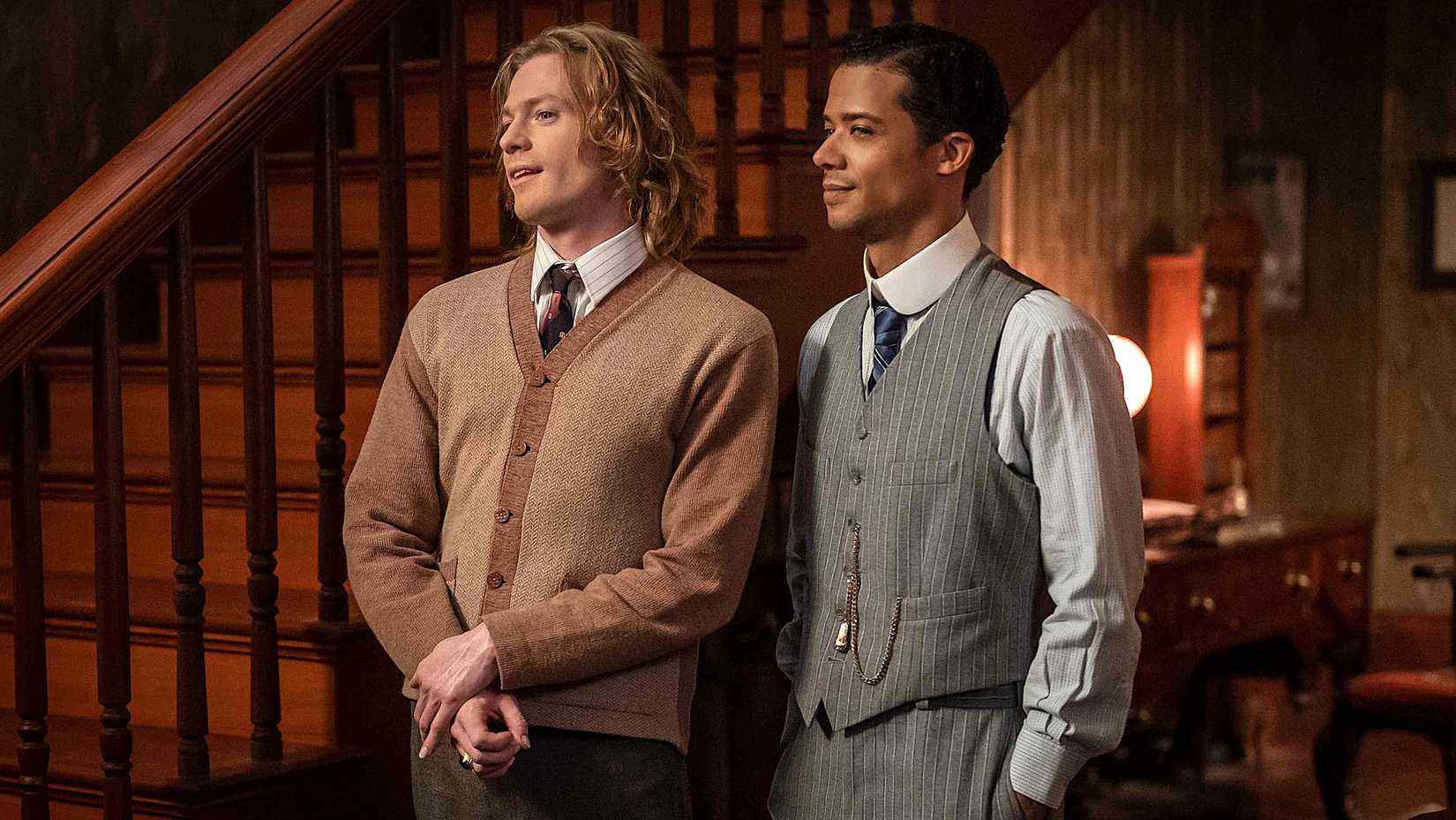
Perhaps the most controversial choice on this list is Interview with the Vampire. I love both the books and the TV versions, but the series fixes some elements of the story that haven’t aged well. The AMC+ show makes Louis and Lestat’s relationship explicitly gay from the start, rather than keeping it subtextual.
Interview with the Vampire shifts the setting from the 18th to the 20th century. We need to root for Lestat and Louis as characters, and that’s hard when one is a slave owner and both feed on slaves. The 1920s setting removes a flaw that could’ve doomed the TV show. The most divisive change is Claudia’s age, but Anne Rice made that choice first when writing the movie. Moreover, making her 14 allowed her to play a larger, more active role, which benefited the story.
The Queen’s Gambit

The Netflix miniseries and the book by Walter Tevis are extremely similar, with mostly the same characters and dialogue. However, the show starring Anya Taylor-Joy edges out the book for three reasons. First, The Queen’s Gambit isn’t the most accessible. I am a chess nerd, so I could visualize the games described in the book. However, less familiar audiences benefit from a TV show's visual medium.
Additionally, Beth Harmon is a complex and unlikable antihero in both formats. However, Anya Taylor-Joy’s performance makes it easier to invest in her story. Finally, the show gives supporting characters more development. The only change that didn’t help the story is the choice to have the men from earlier in her life root her on at the end. However, the benefits of the TV show far outweigh the single downfall.
The Handmaid’s Tale
 Hulu
HuluThe Handmaid’s Tale is a brilliant book, but it suffers from the fact that the readers really only experience the story from Offred’s very limited perspective. The other characters don’t really feel fully fleshed out, acting more as props or archetypes. Luckily, the already wonderful dystopian book became an even more incredible TV show by expanding the narrative beyond Offred.
The Hulu series explores the experiences of many women in Gilead. By widening the scope, audiences can get a better understanding of the horrifying society. The oppression feels much heavier when it’s not just one person’s account but that of multiple women from different backgrounds. What’s more, by expanding the TV show, viewers can see the actual consequences of the resistance. Ultimately, the story feels more tangible as a TV show.
The Magicians

The Magicians books are extremely difficult to get into for a lot of readers because Quentin is an absolutely insufferable main character, and it’s hard to root for him when he constantly makes bad decisions. While he is still the central character from the start, The Magicians TV show feels much more like an ensemble series. Julia, Margo (who is Janet in the books), and Penny are better developed. The characters are all lovable despite being deeply, deeply flawed individuals who make mistakes. The chemistry among The Magicians’ cast is incredible, allowing the audience to invest in the relationships as much as in the individuals. What’s more, like with most fantasy shows, the magic feels more real onscreen. Fillory is more tangible. The spells seem more complex onscreen.
Bridgerton

Julia Quinn's hit series is a bestseller for a good reason. However, it’s hard to deny that Netflix’s Bridgerton outdoes the books in many different ways. The Bridgerton family feels more like an actual family in the TV show, whereas the books come across as more insular. The characters have more time to develop on screen, and the writers have given them much more depth. Honestly, some of the men characters make it hard to root for them on the page, but they’re better onscreen.
Netflix’s series also feels more magical and fantastical than the books, which is part of what makes Bridgerton so beloved by critics and audiences. The cinematography, costumes, and music all contribute to the show's dreamy feel. Ultimately, Julia Quinn’s Bridgerton books laid the groundwork, but the romance TV show took it to another level.
You

Joe Goldberg is a terrible person in both the TV show and the books. However, the books are harder to get through because they take the creepiness and sexual content to an unbearable level. Joe masturbates constantly. His thoughts are even more depraved and disgustingly misogynistic. For some, this will be a positive. I agree that it was upsetting, to say the least, how much viewers romanticized Joe in Netflix’s You.
That said, I would never under any circumstance watch a TV show about book Joe. I could barely get through the novels. By making him a little less vomit-inducing, they had the opportunity to introduce interesting characters and storylines that never existed in the book. The show’s take on Love Quinn is more interesting. The second, third, and final seasons are worlds better, story-wise, than anything in the books.
The Vampire Diaries
 MovieStillsDB
The Vampire Diaries is a classic TV show that has led to two spinoffs and more potential TVD shows in the works. However, this would not be the case if they stuck to the books, which are interesting but far less enjoyable. Elena Gilbert onscreen is nothing like Elena Gilbert on the page. She might be a little Mary Sue in the show, but that is immensely better than her mean-girl, vapid, cruel personality in the book. Caroline is a bully in the books, but a lovable and fiercely loyal friend onscreen.
The TV show's lore makes much more sense than the books, which constantly jump around in their mythology. The Originals also don’t have as much of a role in the books, and they became so popular that they got their own titular spinoff, which is even better than the original TVD show.



 English (US) ·