
 Image via Warner Bros.

Published May 16, 2026, 2:53 PM EDT
Jeremy has more than 2500 published articles on Collider to his name, and has been writing for the site since February 2022. He's an omnivore when it comes to his movie-watching diet, so will gladly watch and write about almost anything, from old Godzilla films to gangster flicks to samurai movies to classic musicals to the French New Wave to the MCU... well, maybe not the Disney+ shows.
His favorite directors include Martin Scorsese, Sergio Leone, Akira Kurosawa, Quentin Tarantino, Werner Herzog, John Woo, Bob Fosse, Fritz Lang, Guillermo del Toro, and Yoji Yamada. He's also very proud of the fact that he's seen every single Nicolas Cage movie released before 2022, even though doing so often felt like a tremendous waste of time. He's plagued by the question of whether or not The Room is genuinely terrible or some kind of accidental masterpiece, and has been for more than 12 years (and a similar number of viewings).
When he's not writing lists - and the occasional feature article - for Collider, he also likes to upload film reviews to his Letterboxd profile (username: Jeremy Urquhart) and Instagram account.
He has achieved his 2025 goal of reading all 13,467 novels written by Stephen King, and plans to spend the next year or two getting through the author's 82,756 short stories and 105,433 novellas.
Sign in to your Collider account
There have been an overwhelming number of science fiction movies released throughout the course of cinema history, and so highlighting the best of the best is always going to be difficult. To emphasize this, here are some honorable mentions that have not made it onto the following ranking: The Matrix, all the Star Wars movies except for one, Arrival, Children of Men, and Close Encounters of the Third Kind.
And a bunch of other movies that are all universally acclaimed, but this intends to highlight the super acclaimed and beloved ones. They might not even be the very best, or among your personal favorites, but they're all classics in one way or another, and each has a place in cinematic history because they're well appreciated by almost everyone… especially critics, though that doesn’t mean some of these aren’t crowd-pleasers, too.
8 'Alien' (1979)
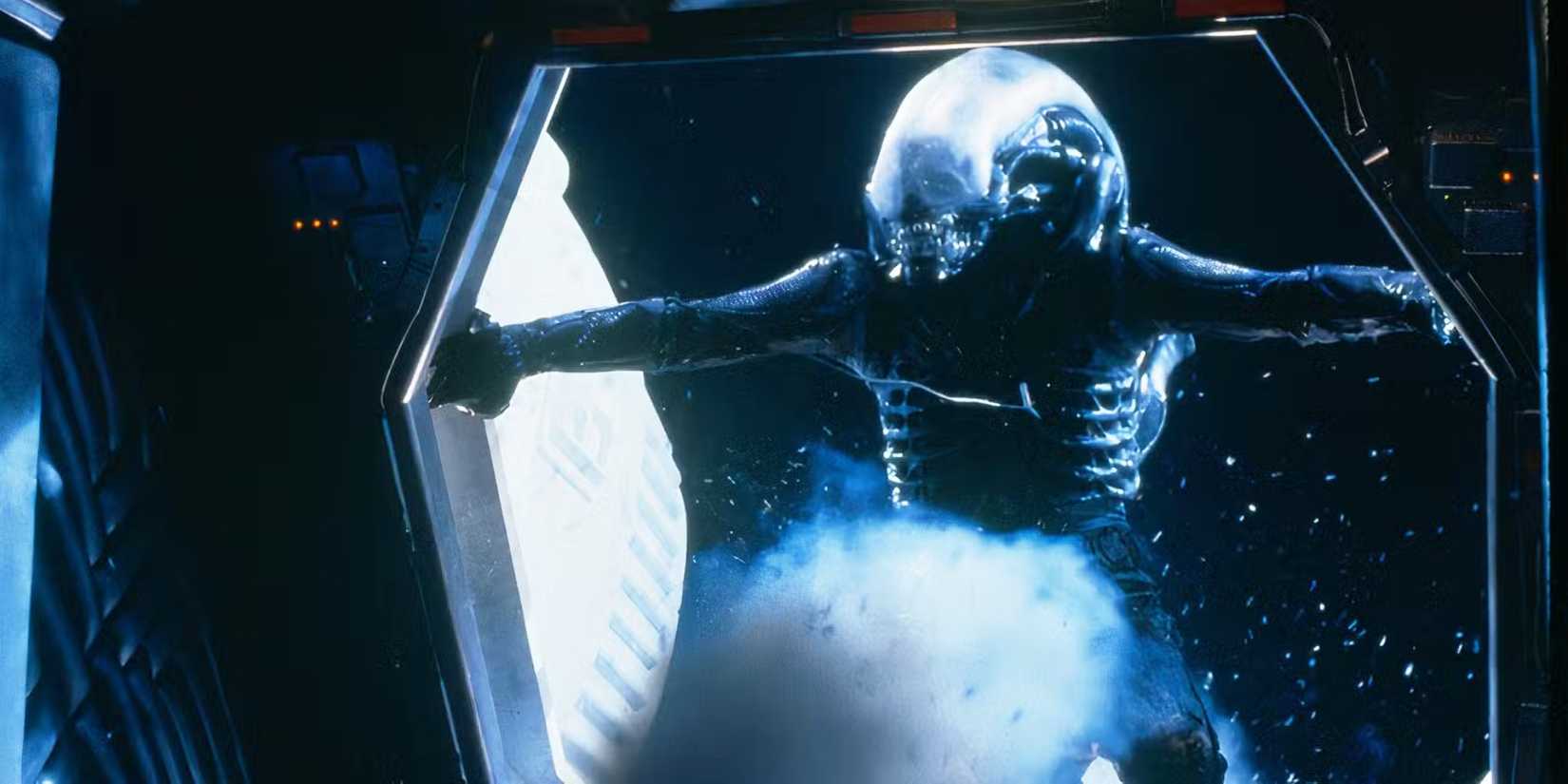 Image via 20th Century Studios
Alien ended up being the starting point for a surprisingly long-lived franchise, and it’s accurate to call it a franchise, rather than a movie series, because Alien has been continued or spun off in other mediums. That’s somewhat surprising when you look back on the first film and think about how self-contained and simple it is, as it’s essentially like a sci-fi slasher movie, set technically in space, but mostly contained to a single spaceship.
Also, Alien is quite slow by modern standards, though the pacing here ends up working well and making the climax feel more thrilling once it does finally come around. Aliens is worthy of an honorable mention, for doing something a little different genre-wise (lots more action in that one) while still maintaining certain elements from the original that worked within that new context, but Alien feels like the “more” perfect of the two, and it’s held in slightly higher regard on a critical front, too.
7 'Eternal Sunshine of the Spotless Mind' (2004)
 Image via Focus Features
Technically, Eternal Sunshine of the Spotless Mind can be called a romantic science fiction movie, but it’s the kind of romantic movie that’s more about breaking up than getting together and falling in love in that nice sort of ordinary romance movie way. The sci-fi elements come about because it’s about a technology that lets people forget all memories associated with an ex-partner.
Two people who used to be in love do this, and then Eternal Sunshine of the Spotless Mind explores the immediate consequences of such a procedure, or maybe even pre-immediate consequences, as much of the film takes place within memories as they're being wiped, one by one. It’s all psychologically devastating, sometimes harrowing, and ultimately quite intense throughout, but all in purposeful and brutally effective ways. The sadness of it all is the point, and it’s executed in a fashion that does prove simultaneously cathartic and upsetting.
6 'Metropolis' (1927)
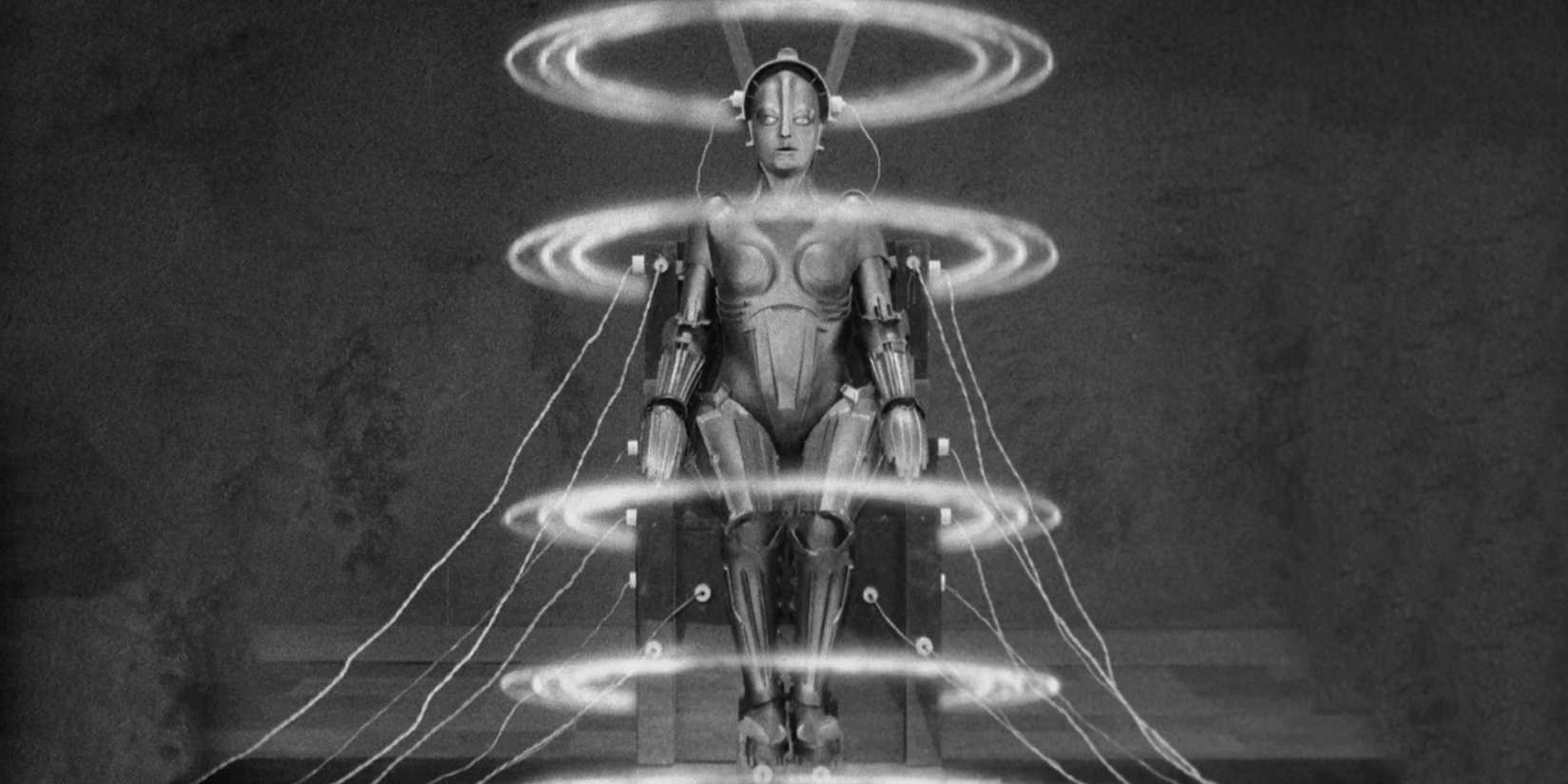 Image via Parufamet
There are only so many ways to talk about Metropolis and what it means for the science fiction genre, so if you know even a little about movie history, nothing that can be said here within 150-ish words will seem very insightful or fresh. This film’s possibly the first feature-length undisputed masterpiece, at least among sci-fi movies, and then if you're comparing it to all movies made approximately a century ago, it’s also about as good as they get.
What it does as a movie about a city that’s a utopia for some and a dystopia for others might seem a bit blunt and simplistic by modern standards, but Metropolis is also so far from a modern movie. Check the year of release. That’s a century ago. It’s easy to appreciate this film paving the way for so many to follow, and then further a surprise (of the pleasant variety, of course) how much of Metropolis genuinely just holds up and proves compelling, even if you're not the sort of person who usually finds cinema history (or silent films generally) particularly interesting.
5 'Stalker' (1979)
 Image via Goskino
Stalker is very much an arthouse science fiction film, so if you go into it expecting something thrilling or traditionally exciting/explosive, you might be disappointed. But it has a reputation for being slow and thought-provoking, and the kind of thing you have to concentrate on pretty significantly to fully appreciate, and that’s also the sort of thing that can be expected from any title found in the filmography of Andrei Tarkovsky.
Stalker is technically about something simple: three men traveling into an area known as the Zone, and questioning various things about reality and existence as they go deeper.
Also, that means that summarizing the plot feels a bit pointless, but Stalker is technically about something simple: three men traveling into an area known as the Zone, and questioning various things about reality and existence as they go deeper. That means there's a good deal more to it than "just" the process of seeing characters go on a physical journey. It’s a sometimes challenging but ultimately rewarding film, and it does ultimately stand out for how singular/distinctive it is, atmospherically.
4 'Mad Max: Fury Road' (2015)
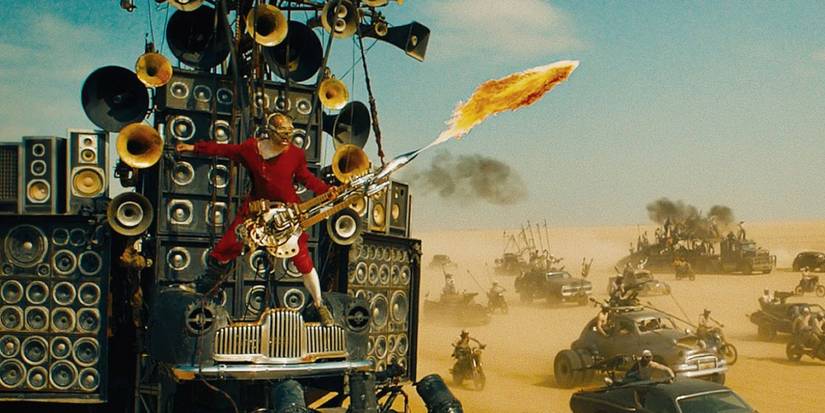 Image via Warner Bros. Pictures
For more than 30 years, the second Mad Max movie stood as the ultimate and best one, and also felt about as good as post-apocalyptic action movies could ever get, and then Fury Road came around and sort of felt like The Road Warrior 2.0. And The Road Warrior was already Mad Max 2.0 on top of literally being Mad Max 2, so maybe Fury Road was, like, Mad Max squared.
It’s a lot. It was a lot of movie packed into just two hours, but in the best of ways. People have gone on and on about how thrilling, exciting, and overall spectacular Mad Max: Fury Road is for the entirety of its runtime, and yes, it is all those things. Also, if you felt it was a bit light on character development, story, and world-building, the underrated Furiosa (2024) works as an excellent companion piece, impressing a little less with its action, but thankfully containing all those aforementioned things some people (not all) might’ve felt were lacking in Fury Road.
3 'The Empire Strikes Back' (1980)
 Image via Lucasfilm
As promised, or mentioned before, here’s the one Star Wars movie that stands out as the very best of the bunch: The Empire Strikes Back, which was the second one to be made, but chronologically, it takes place right in the center of the Skywalker Saga. It’s Episode 5 out of 9, and even if the whole saga is flawed and uneven in quality, it’s nice that, for now, the literal centerpiece is as strong and narratively important as The Empire Strikes Back.
Basically, everything that the first movie in 1977 did well (lots of things; maybe even most things) gets done even better here. There’s more emotional complexity here, the story gets more interesting, and then it’s also arguably more successful in terms of spectacle, too. The Empire Strikes Back gets everything right, and the only reason one could argue that it should be disqualified here is that it (and most Star Wars movies) are science fantasy, or at least not really hard sci-fi, so purists might raise an eyebrow at the suggestion of any episode in the saga being considered alongside other sci-fi classics.
2 'Blade Runner' (1982)
If not for Blade Runner, the previously mentioned Alien might well be considered Ridley Scott’s magnum opus, unless you want to go with something else altogether, like one of his action movies with a historical setting. They're usually pretty great. Gladiator is pretty great. But… sticking to Blade Runner, this one would be the easiest to pick, for the crown of Scott’s best movie. It’s a difficult one to fault.
Like with Stalker, the premise is very simple, as Blade Runner is more or less just about a man (seemingly a man, at least) tasked with tracking down and killing a bunch of rogue replicants that already have shortened lifespans. It’s what it does with that premise that makes it special, because there’s so much else to unpack here thematically, on top of the film also feeling timeless as a purely cinematic experience. In terms of how it looks, sounds, and feels, it really hasn’t aged a day.
1 '2001: A Space Odyssey' (1968)
 Image via Metro-Goldwyn-Mayer
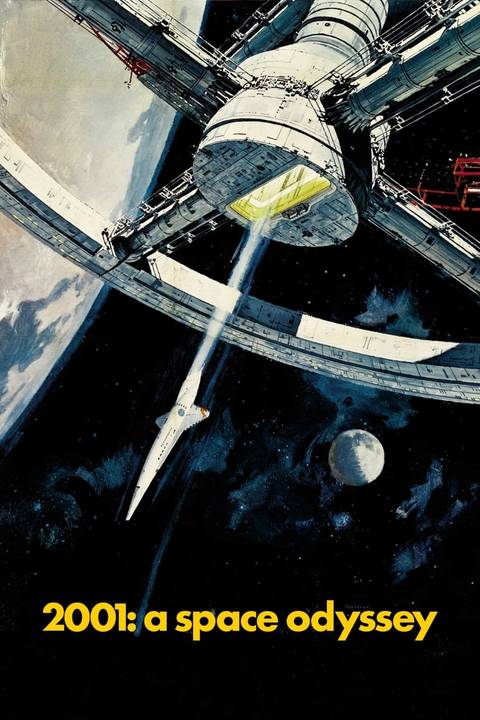
It’s not easy to argue that many sci-fi movies might well be even better than the aforementioned Blade Runner, but with 2001: A Space Odyssey, such an argument could potentially be mounted with something approaching ease. This is perhaps the quintessential sci-fi epic, with Metropolis maybe tying with it, owing to that silent film’s age and the extent to which it was forward-thinking, but 2001: A Space Odyssey was also incredibly ahead of its time and ultimately influential.
The premise here is about evolution, and while lots of epics span years, and slightly fewer span decades, 2001: A Space Odyssey stands out for spanning more time than just about any other movie out there, beginning in the distant past and ending in the (somehow) even more distant future. It’s also one of the definitive “gets better the more you watch and think about it” movies, representing cinematic science fiction at its most enduring and continually rewarding.
Collider Exclusive · Sci-Fi Personality Quiz Which Sci-Fi Hero Are You Most Like? Paul Atreides · Captain Kirk · Princess Leia · Ellen Ripley · Max Rockatansky
Five iconic heroes. Five completely different ways of facing an impossible universe. One of them shares your instincts, your values, and your particular way of refusing to back down. Eight questions will tell you which one.
🏜️Paul Atreides
🖖Capt. Kirk
✊Princess Leia
🔦Ellen Ripley
🔥Max Rockatansky
FIND YOUR HERO →
01
How do you lead when the stakes couldn't be higher? The way you lead under pressure is the most honest thing about you.
AI absorb everything — every variable, every pattern — and move only when I know the path forward. BI read the room, make the call, and own the consequences. Hesitation costs more than mistakes. CI rally people. A cause needs a voice, and I refuse to let fear be louder than conviction. DI assess the threat, establish what needs doing, and get it done without waiting for permission. EI don't lead. I act. Others can follow or not — I'm already moving.
NEXT QUESTION →
02
What is your greatest strength in a crisis? The quality that keeps you alive when everything else fails.
APrescience — the ability to see further ahead than anyone else and plan accordingly. BImprovisation — I'm at my best when the plan falls apart and I have to invent a new one. CConviction — I know what I'm fighting for, and that certainty doesn't waver under fire. DComposure — I stay functional when everyone around me is falling apart. Panic is a luxury. EEndurance — I outlast things. I take the hit and keep moving long after others have stopped.
NEXT QUESTION →
03
What is the thing you'd sacrifice everything else for? Your deepest motivation is your truest compass.
AThe survival and dignity of my people — even if I have to become something frightening to ensure it. BThe safety of my crew — every single one of them. No one gets left behind. CFreedom — for my people, for every world still crushed under the weight of an empire. DThe truth — what actually happened, what's actually out there, whether anyone believes me or not. EThe one person — or the one memory — that still makes any of this worth surviving for.
NEXT QUESTION →
04
How do you relate to the people around you? Who you are to others under pressure is who you really are.
AWith intensity and distance — I care deeply, but the weight I carry makes closeness complicated. BWith warmth and irreverence — I take the mission seriously, not myself. CWith directness and trust — I say what I mean, and I expect the people I work with to rise to it. DWith professional care but clear limits — I'll protect you, but I won't pretend we're family. EWith wariness that slowly becomes loyalty — I don't trust easily, but when I do, it holds.
NEXT QUESTION →
05
You're facing a threat that no one else believes is real. What do you do? How you respond when you're the only one who sees it defines everything.
APrepare in silence. If they won't listen, I'll be ready when they finally have to. BKeep pushing until someone listens — and if no one does, handle it myself. CBuild the case, find the allies, and make the threat impossible to ignore. DDocument everything. The truth matters even if no one believes it yet. EStop trying to convince anyone. Survive it. That's the only argument that counts.
NEXT QUESTION →
06
What has your heroism cost you personally? Every hero pays. The question is what — and whether they'd pay it again.
AMy innocence — I've seen what I'm capable of, and I can't unsee it. BPeople I loved — the command chair has a view, but it's a lonely one. CA normal life — I gave up everything ordinary the moment I chose the cause. DMy sense of safety — I know exactly what's out there now, and I can't pretend otherwise. EAlmost everything — and I'm still not sure what I'm carrying it all for. But I keep going.
NEXT QUESTION →
07
How do you feel about the rules of the world you're in? Every hero has a relationship with the system. What's yours?
AI understand them deeply — and I know exactly which ones must be broken, and why. BI respect the spirit of them and bend the letter when the situation demands it. CThe system is the problem. I'm not here to work within it — I'm here to dismantle it. DI follow protocol until protocol stops being useful. Then I make the call myself. EThe rules collapsed a long time ago. What's left is instinct, and mine are reliable.
NEXT QUESTION →
08
When everything is on the line, what keeps you going? The answer is the most honest thing about you.
ADestiny — or something that feels so much like it that the difference no longer matters. BThe people on my ship — their faces, their trust, the fact that they're counting on me. CThe belief that what we're fighting for is worth every sacrifice, including this one. DSheer refusal to let it win — whatever it is. I don't stop. That's just who I am. EI'm not sure anymore. But the road is still there, and I'm still on it.
REVEAL MY HERO →
Your Hero Has Been Identified Your Sci-Fi Hero Is…
Your answers point to the iconic sci-fi hero who shares your instincts, your values, and your particular way of facing the impossible.
Paul Atreides
You carry a weight most people would crumble under — the knowledge of what you're capable of, and the burden of what you might have to become.
- You see further ahead than others and you plan accordingly, even when the vision frightens you.
- You are driven by loyalty to your people and a sense of destiny you didn't ask for but can't escape.
- Paul Atreides is not simply a hero — he is someone who understands the cost of power and chooses to bear it anyway.
- That gravity, that willingness to carry what others won't, is exactly you.
Captain Kirk
You lead with instinct, warmth, and an absolute refusal to accept a no-win scenario — because you've always believed there's a third option nobody else has thought of yet.
- You take the mission seriously without ever taking yourself too seriously.
- Your crew would follow you anywhere, not because you demand it, but because you've earned it.
- Kirk's genius isn't tactical — it's human. He reads people, bends rules with purpose, and wills outcomes into existence through sheer conviction.
- That combination of warmth, audacity, and relentless optimism is unmistakably yours.
Princess Leia
You are the kind of person who holds the line when everyone else is losing faith — not because you're fearless, but because giving up simply isn't something you're capable of.
- You lead through conviction. Your voice carries because your belief is unshakeable.
- You gave up everything ordinary the moment you chose the cause, and you've never looked back.
- Leia is not a supporting character in her own story — she is the moral centre of the entire rebellion.
- That same fierce, principled, unbreakable core is what defines you.
Ellen Ripley
You are not reckless, not grandiose, and not particularly interested in being anyone's hero — you just refuse to stop when it matters.
- You see threats clearly, you document the truth even when no one listens, and when the time comes you handle it yourself.
- Ripley's heroism is earned, not performed. She doesn't have a speech — she has a flamethrower and a plan.
- You share her composure under the worst possible pressure, and her refusal to pretend the monster isn't there.
- When it counts, you don't flinch. That's everything.
Max Rockatansky
You have been through fire that would break most people — and what came out the other side is something the world underestimates at its peril.
- You don't ask for help, don't need validation, and don't wait for anyone to tell you the rules no longer apply.
- Your loyalty, when it finally arrives, is absolute — but it's earned in silence and tested in action, not in words.
- Max is not a nihilist. He is someone who lost everything and found, against his will, that he still has something worth protecting.
- That bruised, stubborn, ultimately human core is exactly yours.
↻ RETAKE THE QUIZ
2001: A Space Odyssey
Release Date April 10, 1968
Runtime 149 minutes
Director Stanley Kubrick
Writers Stanley Kubrick, Arthur C. Clarke
-

Keir Dullea
Dr. David Bowman
-
Gary Lockwood
Dr. Frank Poole








 English (US) ·