Vampire movies are one of those things I keep going back to, even when I know exactly what they’re going to be about. The story rarely changes in a big way, yet it never really gets old. We’ve all been collectively obsessed at one point or the other with vampires since The Twilight Saga and The Vampire Diaries. I especially never went back. But there have been other vampire movies that hit the mark exactly, and then some remakes stood apart.
A remake, in particular, can do something interesting when it stops trying to copy the original too closely. A small change in tone or character can make the story feel different, even if the core idea stays the same. So when it comes to vampires, the remakes were actually a fresh change of pace. These vampire remakes were genuinely good. Allow me to explain the hows and whys below.
8
7
‘Fright Night’ (2011)
Image via DreamWorks
Fright Night approaches its remake with a different kind of energy, leaning into a more direct and fast-moving style. Charley Brewster (Anton Yelchin) starts to suspect that his neighbor Jerry (Colin Farrell) is not who he appears to be, and the film doesn’t take long to act on that idea. It sets up the conflict quickly and keeps things moving without spending too much time on buildup.
At the same time, the film doesn’t lose sight of its characters while pushing the story forward. Charley’s reactions feel grounded enough to keep the situation believable, even as things start to spiral. Peter Vincent (David Tennant) adds another layer to the story, and his involvement shifts the tone in a way that keeps the film from feeling one-note. It stays focused on the central conflict while still allowing room for those smaller interactions.
6
‘Dracula Untold’ (2014)
Image via Universal Pictures
Dracula Untold tries to explain how the legend begins, and it does that by staying close to Vlad III (Luke Evans) before he becomes something people fear. The film opens with him as a ruler trying to protect his family and his land, and that choice shapes everything that follows. When he turns to an ancient power to fight back, the story keeps returning to his decision instead of treating it like a simple transformation.
That decision keeps showing up in small ways as things get worse around him. His strength grows, but so does the cost, and the film spends time with those moments instead of rushing past them. Mirena (Sarah Gadon) remains part of that struggle, especially in how she sees the change happening. The film works best when it stays with Vlad as a person dealing with what he chose, not just the version of him everyone already knows.
5
‘Van Helsing’ (2004)
Image via Universal Pictures
Van Helsing goes all in from the start, and it never really slows down to question that choice. Gabriel Van Helsing (Hugh Jackman) is already deep into his role as a monster hunter when the film begins, and he is quickly pulled into a conflict that brings together Dracula, werewolves, and everything in between. It doesn’t spend time building a grounded setup, and instead moves straight into action, letting the scale carry the story forward.
That approach shapes how the film handles its characters as well. Anna Valerious (Kate Beckinsale) keeps the story anchored to a clear goal, while Count Dracula (Richard Roxburgh) is given enough presence to hold the chaos together. Even when things start to feel crowded, the film keeps your focus on the story. It doesn’t aim for subtlety, and it doesn’t need to, because it stays consistent with the kind of world it chooses to create.
4
‘Let Me In’ (2010)
Image via Overture Films/Relativity Media
Let Me In takes a much quieter approach, and it stays focused on a very small group of characters. Owen (Kodi Smit-McPhee) lives a lonely life, and his connection with Abby (Chloë Grace Moretz) begins in a way that feels simple at first. The film doesn’t rush to explain who she is, and it allows their interactions to develop in small, careful steps that feel natural.
As their bond grows, the film keeps returning to the same idea, showing how much Owen is willing to accept without fully understanding it. Abby’s presence changes how he sees everything around him, and that shift becomes clearer over time through their conversations and shared moments. The story stays close to them, which makes even the quieter scenes feel important without needing to push the pace.
3
‘Nosferatu’ (2024)
Image via Focus Features
Nosferatu has always carried a certain reputation, so revisiting it again in 2024 already feels like a careful decision rather than an easy one. With Robert Eggers behind the film, the focus shifts toward atmosphere and detail instead of trying to modernize everything too quickly. Count Orlok (Bill Skarsgård) is not presented as a typical vampire, and the film seems more interested in keeping that sense of unease intact rather than reshaping him into something more familiar.
That choice keeps the story close to its original tone, even as it introduces new elements through performance and pacing. Ellen Hutter (Lily-Rose Depp) remains central to how the tension builds, and her presence grounds the film in a way that feels consistent throughout. Instead of rushing toward larger moments, the film allows scenes to sit a little longer, which helps maintain a steady sense of discomfort without needing constant escalation.
2
‘Bram Stoker’s Dracula’ (1992)
Image via Columbia Pictures
Bram Stoker’s Dracula leans heavily into mood and performance, and that choice shapes how the story is told from the start. Count Dracula (Gary Oldman) is not kept at a distance here, and the film spends time showing him as both a figure of fear and someone driven by memory. Mina Murray (Winona Ryder) becomes central to that idea, especially in how her connection to him is handled across different parts of the story.
The film keeps returning to that connection instead of treating Dracula as just a threat moving through the plot. Jonathan Harker (Keanu Reeves) and Van Helsing (Anthony Hopkins) push the story forward, though the focus often circles back to Dracula and Mina whenever things begin to shift. That choice gives the film a very specific tone, where the story moves through emotion and presence instead of relying only on action.
1
‘Nosferatu the Vampyre’ (1979)
Image via 20th Century Fox
Nosferatu the Vampyre stays very close to its central idea, and it doesn’t try to reshape it into something faster or more modern, and that’s why it stands out. Count Dracula (Klaus Kinski) is introduced as a quiet but unsettling presence, and the film builds around that without forcing sudden changes in tone. Jonathan Harker (Bruno Ganz) enters his world without fully understanding it, and the story allows that unease to grow slowly.
Lucy Harker (Isabelle Adjani) becomes an important part of how the story holds together, especially in how she responds to what is happening around her. The film keeps returning to her perspective, which adds a sense of stillness even when things become more serious. It doesn’t rush through its moments, and that steady pace allows the tension to settle in without needing constant movement.

 Image via Overture FIlms/Relativity Media
 Image via DreamWorks
 Image via Universal Pictures
 Image via Universal Pictures
 Image via Overture Films/Relativity Media
 Image via Focus Features
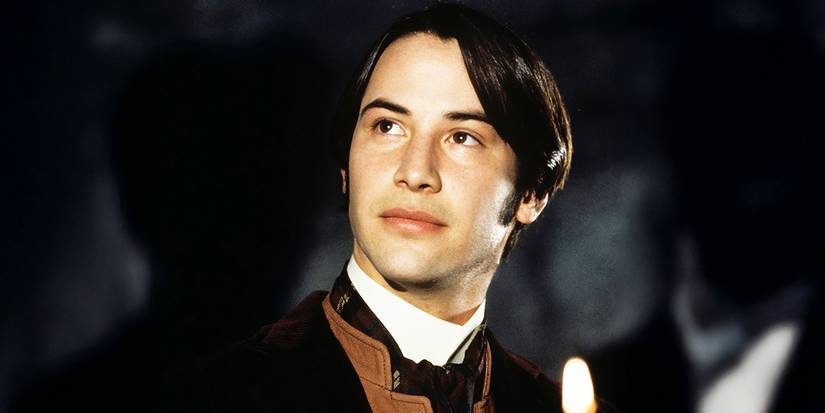 Image via Columbia Pictures
 Image via 20th Century Fox



 English (US) ·