When you think of a fairy tale, what comes to mind? A medieval European setting, with soaring castle spires, imposing forests, brave knights, and fair maidens?
Your first example probably wouldn’t be a video game from the late 1990s that opens with a group of eco-terrorists planning to bomb an electricity plant. And yet, Final Fantasy 7 has tons of narrative elements plucked directly from fairy tales — and it’s likely part of the reason this story has continued to resonate with players for nearly three decades.
But Square Enix’s beloved adventure goes a step further, giving us an ensemble cast of flawed and fascinating characters who wouldn’t be out of place in a prestige TV drama. The anime-inspired aesthetics might be colorful and cute, but FF7 isn’t a kids story — it’s a fairy tale for adults. Here are seven reasons why.
7
The heart of the kingdom
Image: Square Enix
Whether it’s the Knights of the Round Table or Cinderella, one of the most recognizable tropes of a fairy tale is a castle at the center of it all, which represents strength, wealth, security, and the prevailing social order. FF7 may not have Camelot, but it does have Midgar, the epicenter of the Shinra Corporation’s planet-devouring operation and a gleaming metal monument to its power. Sure, it’s a lot larger than a typical castle, but it’s got soaring towers in the form of Mako reactors and the skyscraper at the center of it all. It’s even got a pseudo-royal family in the form of President Shinra, his son Rufus, and a gaggle of dipshit henchmen. Cloud and his companions’ adventure begins in Midgar, and though it takes them elsewhere, the super-city exerts a gravitational pull over the fate of the planet and all its inhabitants throughout the story.
6
A humble hero
Image: Square Enix
FF7’s Cloud Strife is kind of an inverted version of King Arthur. Arthur was a humble countryside squire until he pulled a magic sword out of a rock. Cloud is a weird kid from the sticks who joined Shinra’s armed forces to impress a girl. While Arthur eventually learns he’s secretly the king’s son, Cloud has the opposite experience — he’s not the person he thought he was, or the hero he always wanted to be. He spends much of his journey figuring out how to live with his flaws, regrets, and shortcomings. All the flashy sword acrobatics and one-liners in the world are never quite enough to totally eradicate Cloud’s impostor syndrome, and that’s why we love him. He’s just like us. With a cooler haircut.
5
Practical magic
Image: Square Enix
Many fairy tales presuppose a world in which magic exists, whether it’s Fairy Godmother transforming a pumpkin into a carriage, or The Lady of the Lake cloaking an entire island behind a veil of mist. In Final Fantasy 7, magic comes in the form of a tangible substance known as Mako.
Mako is essentially a combination of real-world petroleum (made from dead things, potentially harmful, gloopy) and the Force from Star Wars (an energy field that permeates all living things, a source of mystic power, granola). The concept of magic spells may be child’s play, but it takes a jaded grown-up to realize that if anything close to Mako existed in real life, some group of scumbags would find the dumbest possible way to make money from it, consequences be damned.
4
A shadowy threat
Image: Square Enix
The Shinra corporation isn’t the only villain in FF7: the top honors go to Cloud’s silky-haired tormentor Sephiroth. The former SOLDIER turned planetary annihilator manipulates our heroes throughout the story, conjuring apparitions that (usually) only Cloud can see. For the player, it seems like the party encounters Sephiroth many times, but for most of the story our villain is actually chilling out at the Northern Crater. It’s a lot like a witch casting spells and hexes over a bubbling cauldron, or uttering curses in a mirror. So what’s behind Sephiroth’s crone-like obsession with Cloud, anyway? Maybe he still hasn’t gotten over that one time Cloud stabbed him in Nibelheim.
3
Fantastic beasts
Image: Square Enix
Dozens of classic fairy tales feature talking animals, like the Big Bad Wolf or Puss in Boots. Often, these characters are a way to convey to readers that the full power and mystery of the natural world is beyond our narrow understanding. It works the same way in FF7, where one of your party members is Red XIII, a highly articulate jambalaya of a wolf, a dog, and a large feline. (He looks great in a sailor suit and plays a killer game of Queen’s Blood, too.)
When the party journeys to Red’s hometown, Cosmo Canyon, they get a massive lore-dump about Mako, the Lifestream, and the spiritual energy of the planet from his grandfather. It’s not unlike the sequence in The Empire Strikes Back where Luke trains with Yoda; we learn that the stakes of Cloud’s journey are far bigger than we’d previously realized.
Free sign-up
Get Polygon’s Wishlister newsletter
A weekly cheat sheet to what you’ll eventually love to play. No buying, no
commitment — just saving for later.
Don’t let strangers into your house! Listen to your parents! Don’t eat that! Most fairy tales center around some kind of universal moral lesson, often for children. Final Fantasy 7 also contains at least two valuable lessons, but they make more sense once you’ve gotten a bit older.
The first lesson: stick it to the man. Whether you’re blowing up power plants (please don’t) or using plush-covered robots to commit corporate espionage (OK fine), many big companies are nefarious and greedy and should be regarded with suspicion. Just because they are inescapable does not mean we have to like them.
The second lesson: you are good enough, even if you aren’t who you want to be yet. Cloud is an abject professional failure with catastrophic mental health problems and a complete inability to talk to women. Cloud is also the coolest guy who ever lived, with a smooth one-liner for every occasion and a gaggle of hotties (all genders) who adore him. All of these things can be 100% true at the same time. You do not need to be SOLDIER First Class to smooch Tifa on the ferris wheel.
1
Sleeping beauty
Image: Square Enix
Most fairy tales feature a woman waiting to be rescued. In FF7, it’s Aerith’s job to save everyone else. When we first meet her, she’s a scrappy flower vendor from Midgar’s Sector 5 slums. In what’s almost an inverse of Cloud’s story, we later learn she is the bearer of a big, important destiny. She’s the last of the Cetra, the distant ancestors of humanity who can commune with the Lifestream and the planet. When she leaves the group at The City of the Ancients, she’s embracing that big, important destiny — at least in part because there’s quite literally no one else who can do the job.
In the original game, our last image of Aerith is surrounded by the lifestream, hands clasped in prayer, spiritually present though not quite alive. Like Snow White or Sleeping Beauty, she’s in a sort of limbo state between life and death. It’s a noble fate, though not a particularly happy one.
With two parts down and the final installment of the trilogy on the horizon, a central question around the FF7 remakes has been “can we save Aerith this time”? We’ll find out Final Fantasy 7 Revelation is released on April 8, 2027.

 3 hours ago
18


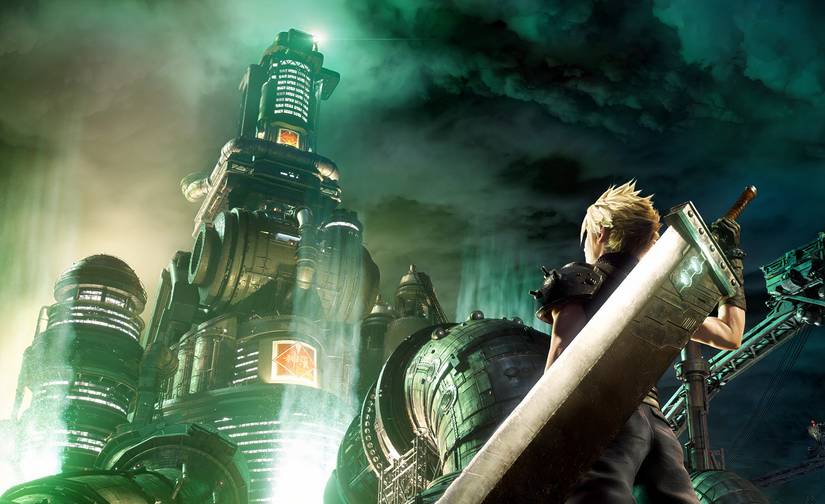 Image: Square Enix
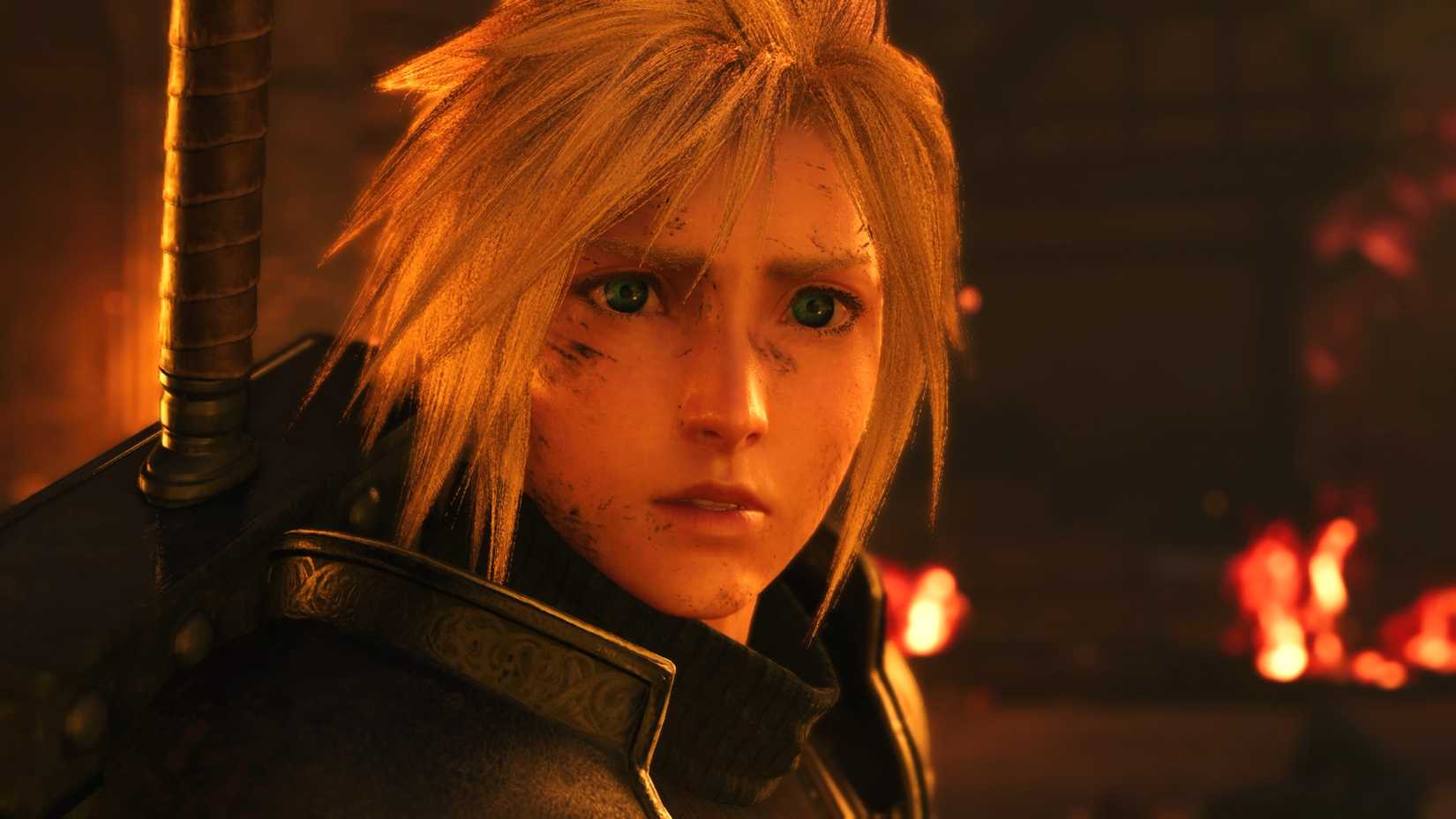 Image: Square Enix
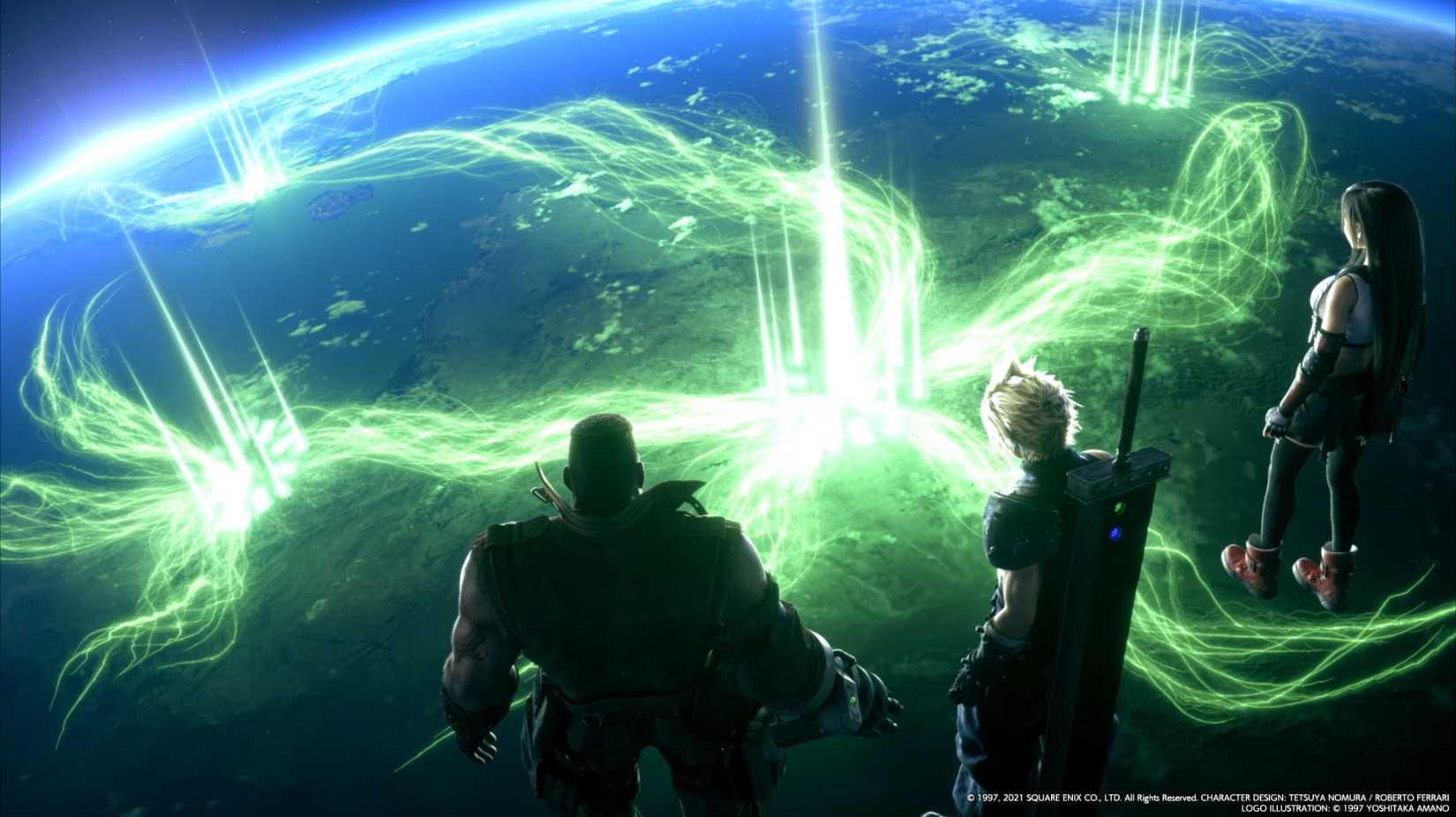 Image: Square Enix
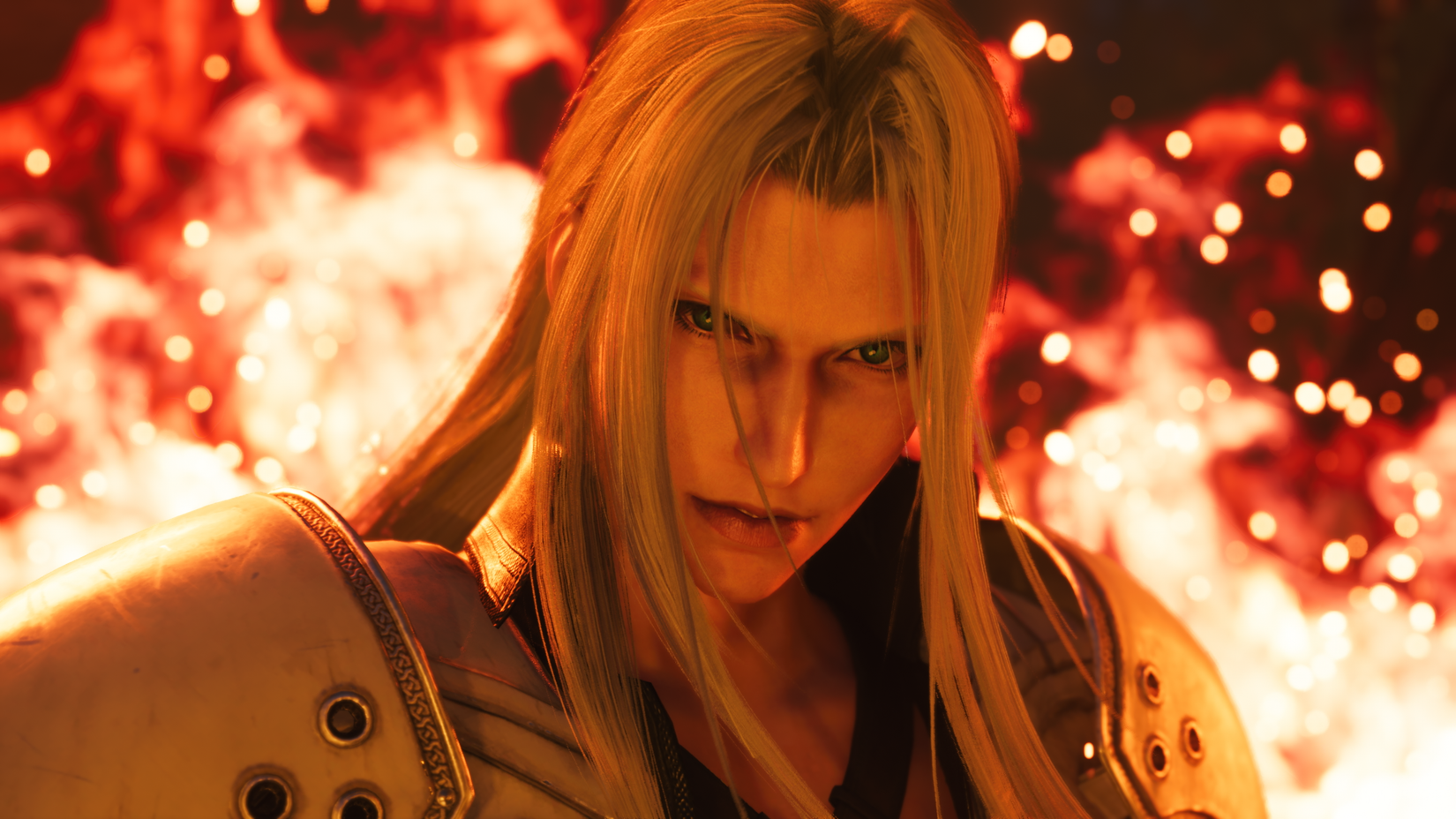 Image: Square Enix
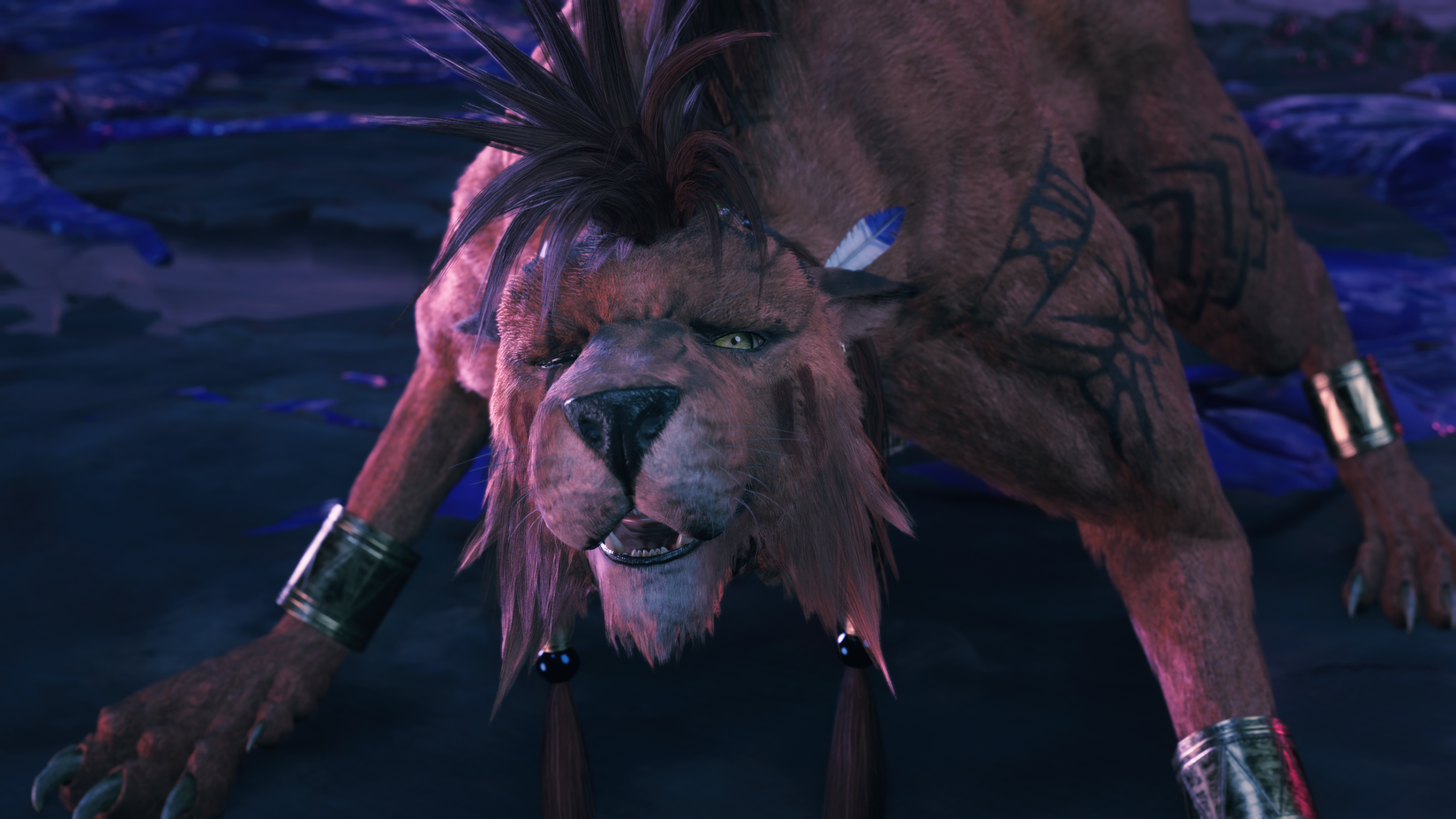 Image: Square Enix

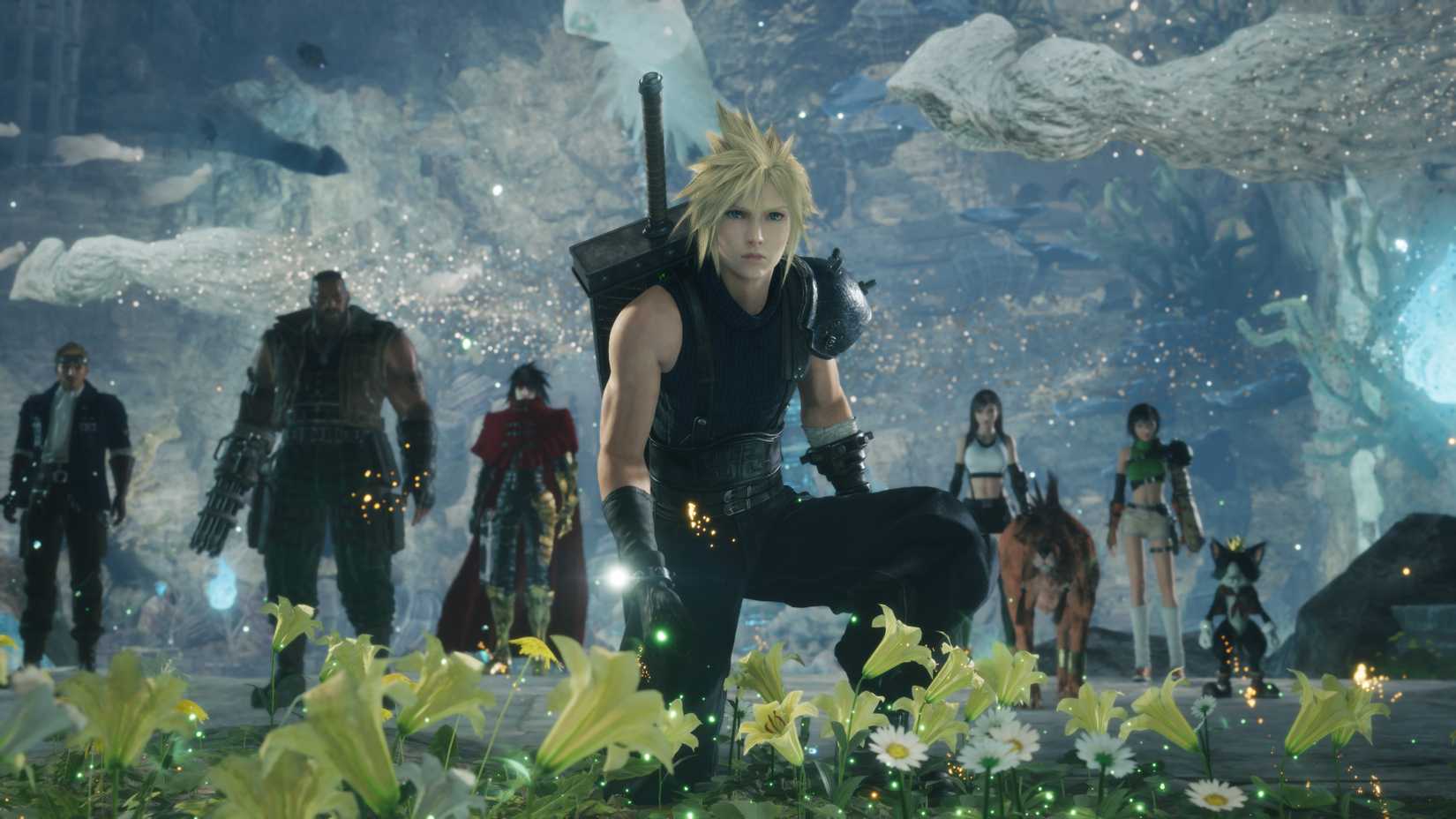 Image: Square Enix
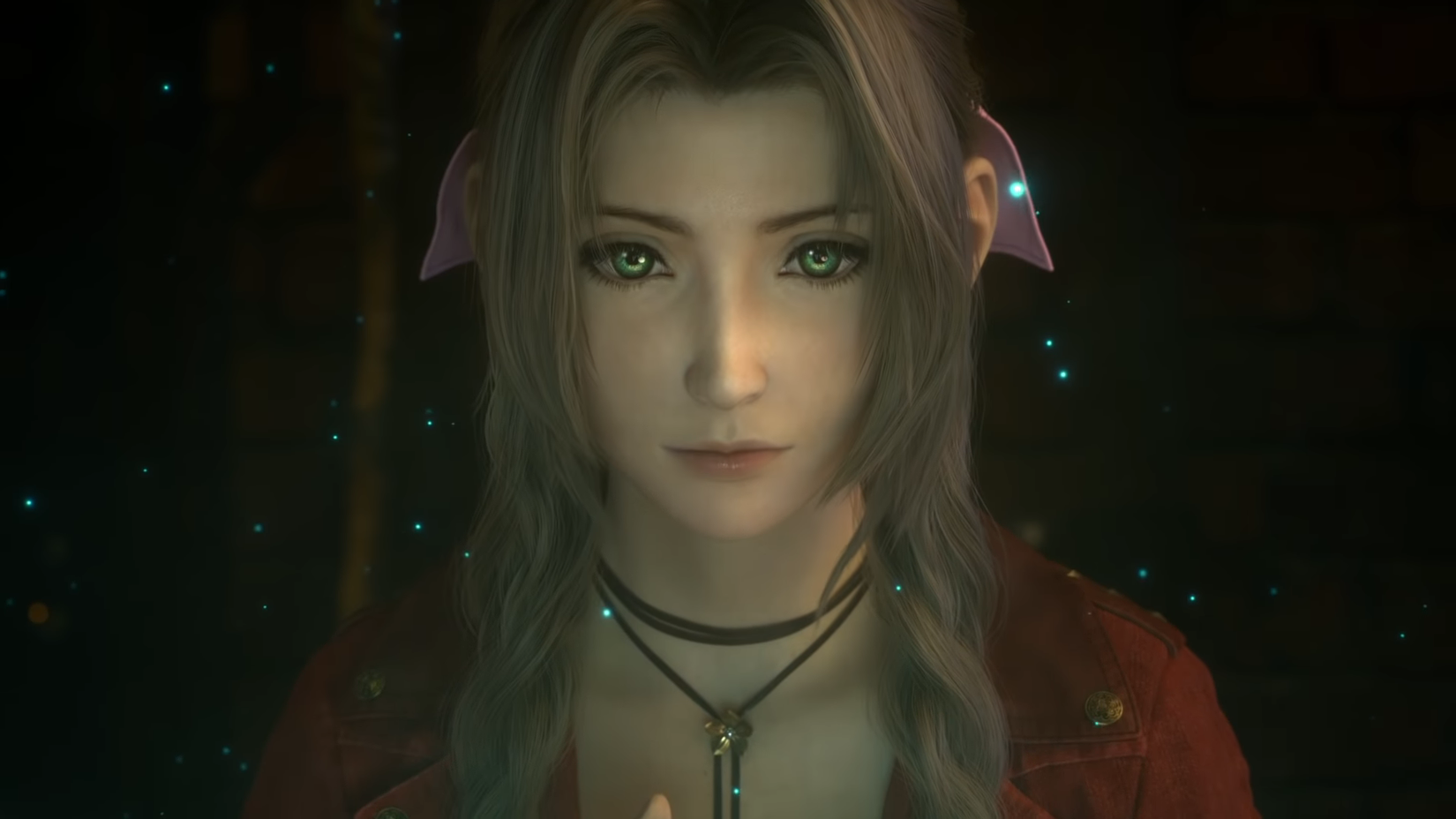 Image: Square Enix


 English (US) ·