
 Image by Federico Napoli

Published Feb 6, 2026, 3:57 PM EST
Daniela is a freelance writer with two years of experience covering entertainment. She is a senior writer on Collider’s freelance team and has also been published in other platforms, such as Elite Daily. When she’s not writing, she's diving into thought-provoking, existentialist films and classic literature.
Cinema, like all art, has always been more than just entertainment. Sure, it can make audiences laugh, cry, sit on the edge of their seats... but sometimes movies do something a bit bolder like holding up a mirror to society, revealing uncomfortable truths, injustices, and the complexities of the human experience. In this piece, we dive into some of the films that tackle issues both universal and personal, whether through raw reportage or deeply moving cinematic storytelling.
Upon their release (or even three decades later), these movies — remarkable for both the topics they address and the courage of those involved — provoked thought, sparked conversations, and reminded us that cinema at its most interesting is not just passive but daring, confrontational, and profoundly human. From Roma to Schindler's List, these are seven of the most poignant movies that inspired change and left their mark, inspiring in ways both monumental and quiet but powerful.
7 'Roma' (2018)
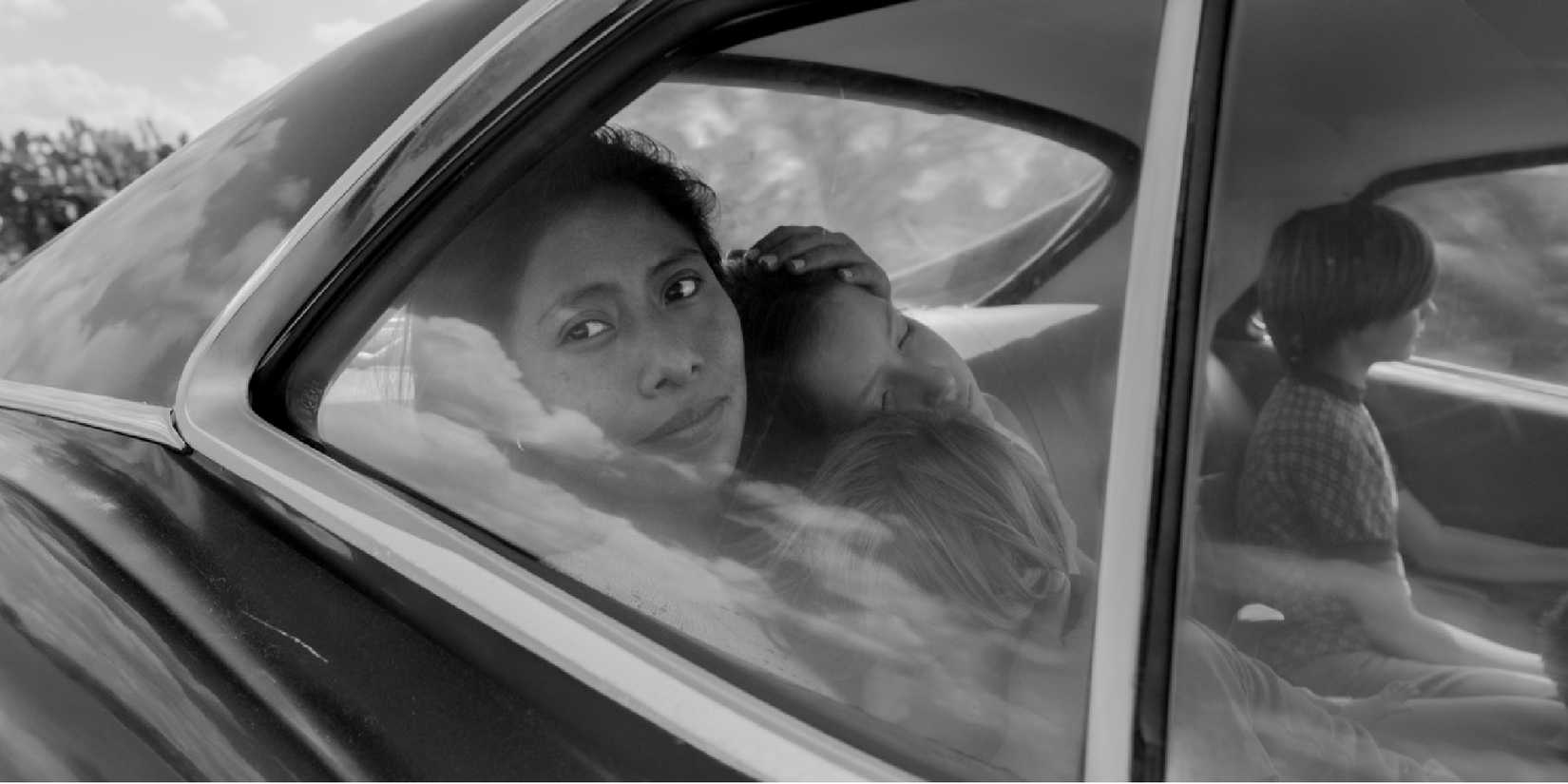 Image via Netflix
Alfonso Cuáron's Oscar-winning black-and-white masterpiece depicts the life of indigenous Mixteca domestic worker Cleo — played by Yalitza Aparicio, whose fantastic performance earned her a Best Actress nomination, making her the first indigenous American woman and only the second Mexican woman nominated for the Oscar — navigating personal and social turmoil in 1970s Mexico City.
With a 3.5-hour runtime, Cuáron's movie forces audiences to experience Cleo's exhaustion in real-time while centering the racial/colonial dimensions of domestic work. Beyond its stunning artistry and amazing acting efforts, what really stands out about Roma is how much of a catalyst it was, sparking conversations about the rights of domestic workers and altering the public's expectations of the movies that might triumph. The collaboration with CACEH, the Mexican domestic workers' association, was no token gesture: they informed Cuarón's vision, many of the actors went on to appear in CACEH's public campaigns, and Cuarón himself lent his weight to the cause.
6 'Philadelphia' (1993)
 Image via TriStar Entertainment
The first major Hollywood production to seriously address HIV/AIDS, Philadelphia fostered awareness on a massive scale. Starring Tom Hanks in an unforgettable lead performance, it follows the story of a man fired by his law firm because of his condition who hires a homophobic, small-time lawyer (Denzel Washington) as the only willing advocate for a wrongful dismissal suit.
At a critical moment, Jonathan Demme's high-grossing movie (it did solid numbers at the box office) was an urgent cultural intervention that addressed misinformation and fear head-on. Additionally, it delivered a refreshing portrayal of gay people in a positive light during an era where few films bothered to do the same. According to WHYY, Marla Gold, a former assistant city health commissioner, HIV doctor, and public health dean at Drexel University, Philadelphia managed to do what health leaders had tried to do and failed: "We have a major star, playing a significant role with a visual for HIV, acted out beautifully as a movie that’s award winning,” she says. “So this is a lot different than a pamphlet that arrives in the mail and warns you of something. This is real.”
5 'Blackfish' (2013)
 Image via Magnolia Pictures
Causing a massive shift in public perception regarding marine mammal captivity, Blackfish, a documentary by Gabriela Cowperthwaite, chronicles the controversial captivity of killer whales and the dangers it poses for both whales and humans. Before its release, SeaWorld operated with minimal public scrutiny of orca treatment, with the public unaware of the realities behind the shows. One of the cases is the male orca captured from Iceland in 1983, confined for 30 years, and involved in three human deaths that were reported as trainer "mistakes" instead of captivity-induced trauma.
The impact of Blackfish is undeniable: SeaWorld faced a boycott, its stock price fell 33%, and the company was later fined $5 million for misleading shareholders about the documentary's impact. Within a few years, the orca breeding program was shut down, and by 2017, parks had launched an "educational" orca show focused on conservation instead of entertainment.
4 'Cathy Come Home' (1966)
 Image via BBC
This British drama by Ken Loach has profoundly impacted the UK and influenced international awareness of social inequality. How? By delivering a well-crafted story depicting a British woman's (Carol White) descent into poverty, homelessness, and her country's rigid welfare system. Before November that year, homelessness was seen as an individual moral failing instead of a systemic problem, and Cathy Come Home helped make clear that the problem ran far deeper, exposing the cracks often overlooked.
This was arguably the first time mainstream Britain saw homelessness as a human tragedy, gathering 12 million viewers (25% of the UK population) in front of the screen. While homelessness is still very much an issue — even doubling 10 years after the film — Cathy Come Home helped revolutionize social awareness by forcing public and political acknowledgment of a problem that had long been ignored. It turned the invisible into the unavoidable and shone a spotlight not just on the issue but on the advocacy group launched a mere two weeks after the film aired — Shelter Charity — which is still championing the cause six decades on.
3 'Schindler's List' (1993)
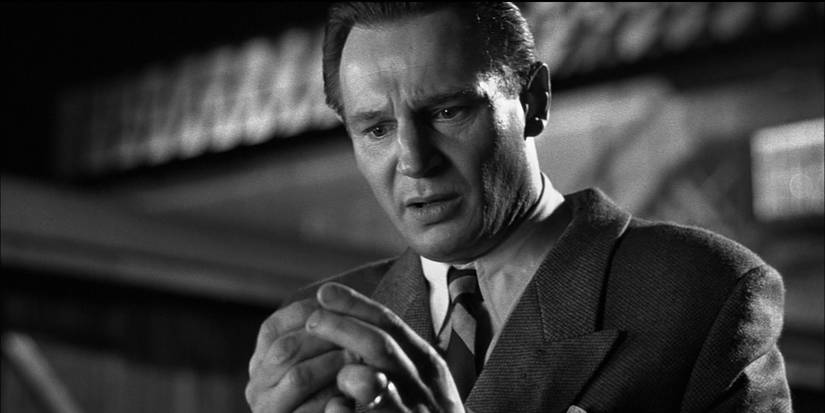 Image via Universal Pictures
Among the most iconic war films in all cinema history, Schindler's List endures as a Steven Spielberg essential. Liam Neeson stars as Oskar Schindler in an unforgettable lead role that inhabits German-occupied Poland during WWII, where the industrialist gradually grows concerned for his Jewish workforce after witnessing their persecution.
This historical epic altered Holocaust consciousness, reaching approximately 200 million people globally upon release and within the first few years. It remains one of the most highly recognized Holocaust films more than 32 years later, with a pivotal 1997 broadcast alone drawing 65 million American viewers on NBC. At its core, the film is a testament to storytelling's power to fight hatred, with Spielberg's determined mission to deny the deniers who claim this had never happened ringing loudly and clearly. Survivor Celina Biniaz movingly observes the movie's impact: while Schindler saved her life, Spielberg gave her "a voice."
2 'A Girl in the River' (2015)
 Image via Netflix
Directed by Sharmeen Obaid-Chinoy, this Academy Award winner for Best Documentary Short Film in 2016 follows 19-year-old Saba Qaiser, a survivor of a brutal honor killing attempt by her father and uncle, who shot her in the face and left her to die in a river.
A Girl in the River brought significant international attention to the honor killings, with filmmaker Obaid-Chinoy becoming an advisory board member for CHIME FOR CHANGE (a global campaign funded by Gucci to promote gender equality), which amplified the issue. Because of the film's global success, there was international pressure being put on Pakistan's government, and Global Citizens signed petitions supporting legislative change. Yet, it's unfortunate that despite Pakistan passing the Anti-Honor Killings Bill in October 2016, establishing a mandatory 25-year minimum sentence, enforcement has remained weak, even in high-profile cases such as Qandeel Baloch's murder.
1 'The Thin Blue Line' (1988)
 Image via Miramax
Within months of its release, The Thin Blue Line — one of cinema's most direct interventions in the criminal justice system — forced a hearing the defense had previously been unable to secure. The film re-examines the 1976 murder conviction of Randall Dale Adams, a man sentenced to death in Texas for a crime he did not commit. Officer Robert Wood was shot during a routine traffic stop by 16-year-old David Harris, but Harris blamed Adams, a hitchhiker he had picked up that evening. Dallas prosecutors built their case on Harris' false testimony.
The true-crime doc has understandably become one of the clearest examples of cinema's power, all thanks to filmmaker Errol Morris, who ventured to Texas armed with nothing more than a camera and no legal authority. Although the documentary was initially intended to focus on Dr. James Grigson — a psychiatrist who had wrongly convicted numerous death row inmates through false predictions — Morris was intrigued by Adams during the research. Upon interviewing Adam's accuser, Harris, on camera, Harris admitted that he was alone in the car when Wood was shot. On March 1, 1989, the Texas Court of Criminal Appeals granted Adams a new trial. Three weeks later, he was released on his own recognizance.

The Thin Blue Line
Release Date August 28, 1988
Runtime 103 minutes
-

-
Randall Adams
Self - Homicide Detective in Dallas
-
Gus Rose
Self - Friend of David Harris in Vidor
-
Jackie Johnson
Self - Gangster (archive footage)






![20 Years Later, One of the Best Sitcoms of the 21st Century Returns With Hilarious First Look [Exclusive]](https://static0.colliderimages.com/wordpress/wp-content/uploads/2026/02/malcolm-in-the-middle-life-s-still-unfair-feature.jpg?w=1600&h=900&fit=crop)
 English (US) ·