Since TV shows don’t need to score big at the international box office, their creators are free to take more risks. You couldn’t put the kind of blood-drenched brutality seen in Daredevil and The Boys in a movie, but a TV show can indulge in gritty, visceral, bone-crunching ultraviolence, which is inherently more thrilling and impactful than the toothless PG-13 action of the average superhero blockbuster.
Reacher is great — it’s the pinnacle of “dad TV” — but it’s just the tip of the iceberg when it comes to action on television. From the old-school pulp fiction of Banshee to the subversive thrills of Bill Hader’s Barry, these action shows outshine Amazon’s smash-hit vigilante series.
Banshee
Before he created the darkly comic gem Your Friends and Neighbors for Apple TV, Jonathan Tropper worked on the Cinemax action thriller Banshee. A pre-Homelander Antony Starr plays an ex-con who, after being released from prison, assumes the identity of the incoming sheriff of the titular town, who turns up dead in the first episode.
Banshee is pure pulp fiction. It wasn’t appreciated in its time, but it’s garnered a much-deserved cult following in the decade since it went off the air.
Justified
Timothy Olyphant has given a lot of iconic TV performances over the years, from Deadwood to Santa Clarita Diet, but easily the defining role of his career is Deputy U.S. Marshal Raylan Givens in Justified. Based on the Elmore Leonard short story “Fire in the Hole,” Justified is a modern-day western following Raylan around Harlan County, Kentucky, on the hunt for notorious fugitives. Justified is a classic TV western reimagined for the modern era — a contemporary version of something like Bonanza or Gunsmoke — and Raylan is a classic TV cowboy living in the wrong time.
In its first season, Justified started out as a case-of-the-week procedural, and it was fine enough. But in its later seasons, it honed in on the characters that were working (namely Boyd Crowther, Walton Goggins’ side villain, who became Raylan’s long-standing arch-nemesis) and settled into a more serialized storytelling style, at which point it became one of the best shows on TV.
Alias
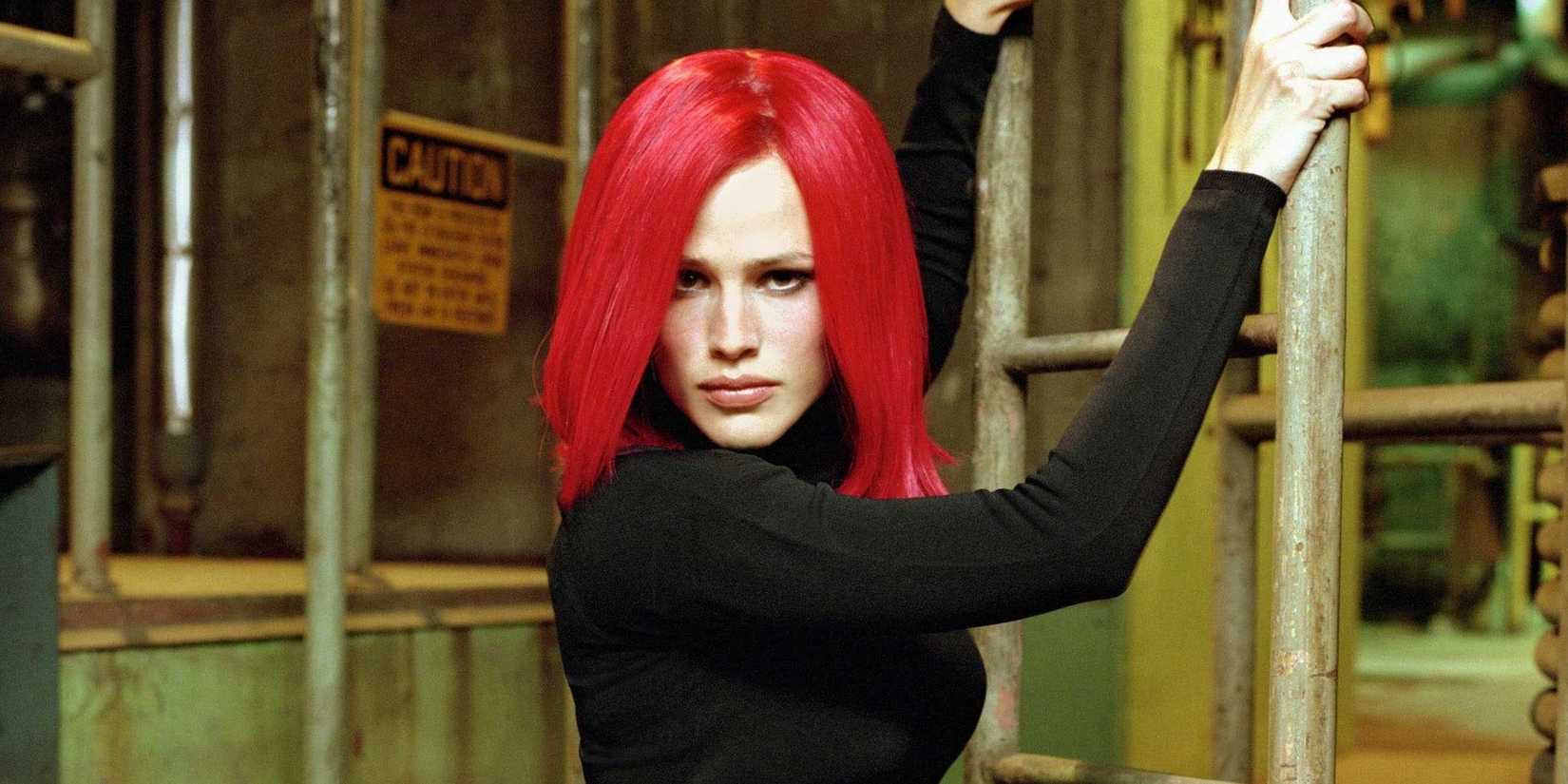
Before Lost would make him the king of the mystery box, J.J. Abrams created a different hit show for ABC. Alias stars Jennifer Garner as Sydney Bristow, a secret agent who initially works for a fake version of the CIA as a cover for a nefarious black-ops unit, and later works for the CIA itself. As a covert spy, Sydney has to juggle various different secret identities, which gave Garner a lot of interesting opportunities as an actor.
Much like Lost, Alias was often criticized for its overcomplicated plot. But it was praised for its eye-popping action sequences, its three-dimensional characters, and its overall spy-caper tone. Like all the best spy thrillers, it’s pure escapism, and it’s a fun show to escape into.
The Boys
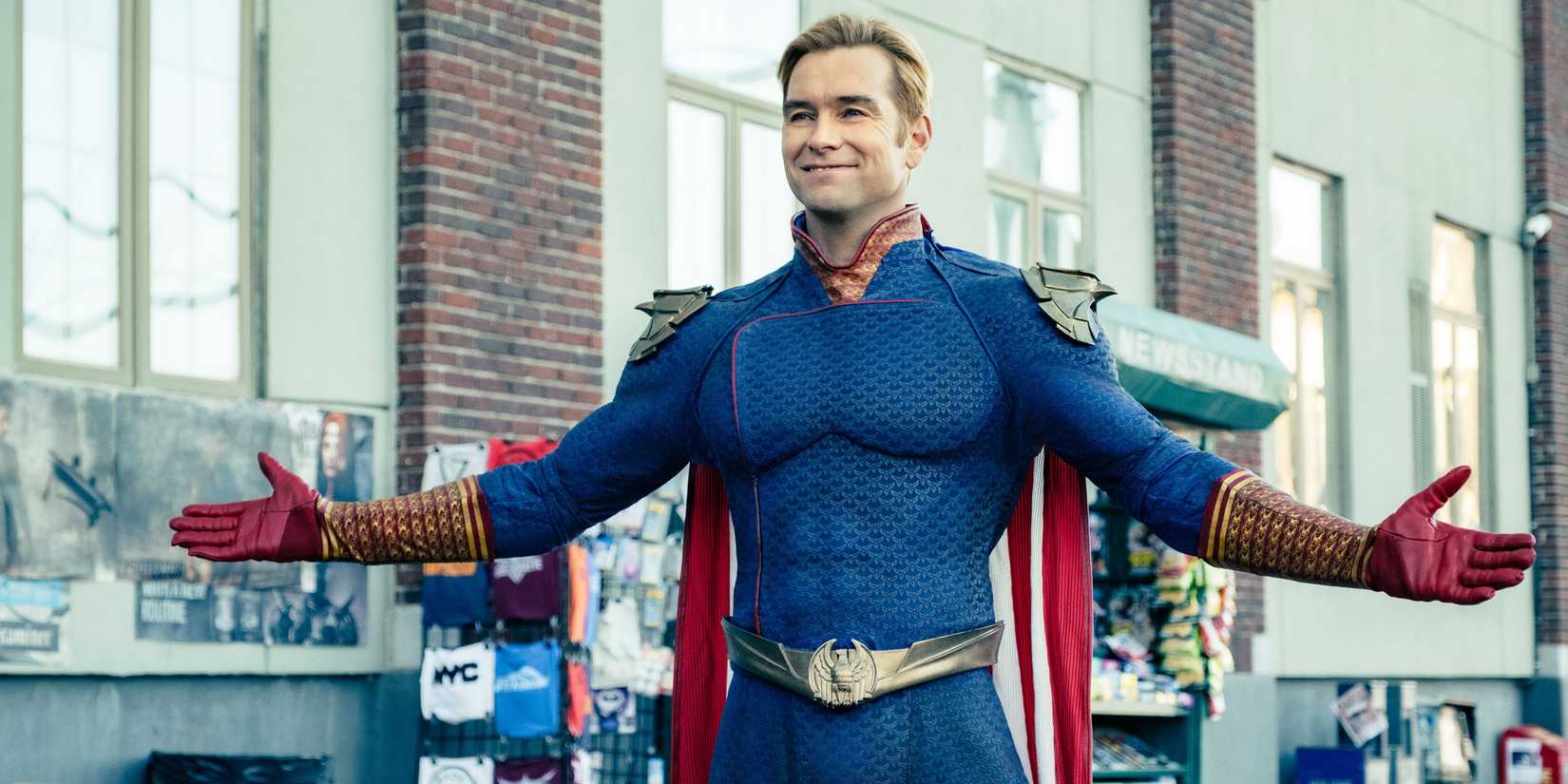
The Boys is a rare example of an adaptation that improves on its source material. Garth Ennis’ original comic is a weirdly mean-spirited takedown of the superhero genre, presenting superheroes as depraved monsters for the sheer shock value. But Eric Kripke and his team of writers have taken the framework of Ennis’ world and recontextualized it as a much sharper and more focused satire of contemporary politics.
But it’s not just a political satire; it’s also an action-packed superhero show. But it’s not a superhero show in the traditional sense; it shows superpowers to be as gross and disturbing and destructive as they would be in real life. In the first few minutes of the first episode, a super-speedster runs into a woman and turns her into a bloody mush.
24
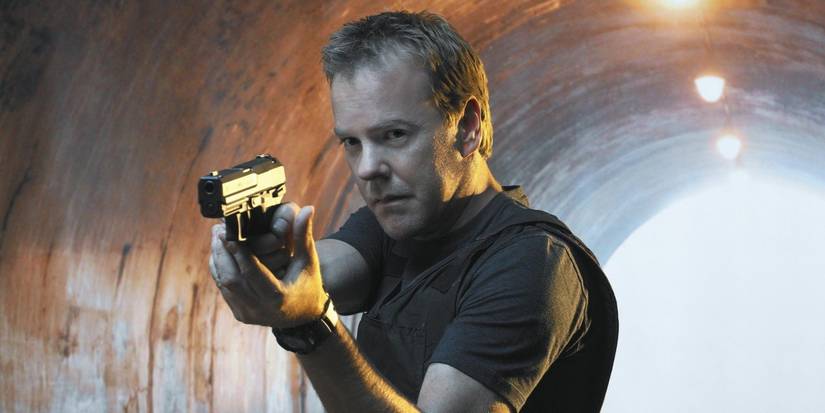
In the wake of the 9/11 attacks, the cultural zeitgeist was defined by political paranoia around the threat of terrorism. Christopher Nolan’s 2008 take on the Joker was a metaphor for terrorism; Benedict Cumberbatch’s 2013 Star Trek villain was a futuristic terrorist; and 24’s Jack Bauer was conceived as the James Bond of post-9/11 America. The content of the series is very much of its time, reflecting those War on Terror-era anxieties, but the unique format is timeless.
Every episode of 24 plays out in real time, making up one hour of a 24-hour day, which comprises each season (the seasons are even referred to as “Days” — season 1 is “Day 1,” season 2 is “Day 2,” etc.). This experimental approach didn’t always work, but at its absolute best, 24 was a race-against-time thrill-ride like no other, anchored by Kiefer Sutherland’s effortlessly charismatic turn as Jack.
Barry
Bill Hader completely upended the action genre with his groundbreaking direction of Barry. Barry starts off as a quirky subversion of the hitman thriller, following a contract killer who dreams of leaving that line of work behind and becoming an actor. But Hader uses that gimmicky high-concept premise as a springboard into a harrowing psychological study of a sociopathic killer, and a deconstruction of action cinema.
Whereas most action shows glorify bloodshed with righteous heroes, thrilling gunplay, and cool camera moves, Barry takes a completely different approach to its action scenes. The action is very bare-bones and stripped-back, with very plain, unflashy cinematography, to show just how barbaric the violent acts on-screen really are. With intense realism and graphic injury detail, Barry highlights the true horror and inhumanity of violence.
Daredevil
By the time Daredevil premiered on Netflix, audiences were starting to get numbed to the MCU’s house style, and its aversion to creative risks. Daredevil was the antidote to all of that. Where most Marvel shows are tame, family-friendly fare, Daredevil is a grisly, gruesome drama set on the very real, very crime-ridden streets of Hell’s Kitchen. It works as both a nuanced, richly layered, deeply disturbing legal drama, and a brutal, hard-R action thriller.
The show’s iconic fight scenes give Oldboy and The Raid a run for their money. It’s one of the cornerstones of that intense approach to action filmmaking, with violence so shockingly gory and hard-hitting that it borders on horror. But, much like Reacher, Daredevil is more than just a series of blood-soaked action set-pieces; at the center of it is an endlessly compelling battle of wits between the wayward lawyer standing up to the corrupt institutions, and the untouchable crime boss running the city.











 English (US) ·