

Published Feb 20, 2026, 3:23 PM EST
Brad LaCour is a Senior List Writer for Collider. Based out of Los Angeles, California, Brad lives close enough to the stars but is too busy to find out where exactly they live. Brad is fairly certain he's seen Paul Stanley twice in a grocery store, but was too afraid to ask.
Great television shows, the true masterpieces of the medium, are rare instances where all the collaborative efforts work in perfect harmony, creating something special. If any one element is out of sync, it has the potential to throw the entire production off, but in a masterpiece, the flaws are barely noticeable and easily forgotten. Masterpieces are not common, but in the 1980s, the quality was on a different level.
New styles of storytelling were introduced in prime time, incorporating methods that are still widely used today. These new innovations, along with a dedication to sincere, thoughtful writing, gave viewers some of the best television ever made. From iconic dramas to beloved comedies, these are six shows from the 80s that are examples of television masterpieces.
6 'Miami Vice' (1984–1989)
 Image via NBC
Stylish, game-changing, and almost too risque for network television, the arrival of Miami Vice permanently changed the rules for the shows that came after it. The flashy police procedural followed the crime-fighting exploits of detective James “Sonny” Crockett (Don Johnson) and Ricardo “Rico” Tubbs (Philip Michael Thomas). Because their jobs were to pose as criminals, the two detectives were granted the means by the Miami police force to enjoy the lifestyles of successful drug runners. Episodes would see the pair take down dangerous offenders while also questioning if their efforts made any difference in a war on crime that appeared to be a losing battle.
While there had been shows that explored police undercover work, such as The Mod Squad and Starsky & Hutch, there was nothing on TV that had dug into the psychological toll of the work like Miami Vice. The more time Sonny and Rico spent acting like criminals, living and working among them, the harder it was to distinguish who they were outside the job they committed so much of themselves to. So to pair that level of in-depth character study with the type of flashy, cinematic production values people normally bought movie tickets to see, and Miami Vice quickly stood out as a show that was ahead of its time. The adult themes, exotic locations, and soundtrack of modern hits kept Miami Vice as a favorite among viewers for five seasons before Sonny and Rico aimed their sights away from Miami’s coastline.
5 'St. Elsewhere' (1982–1988)
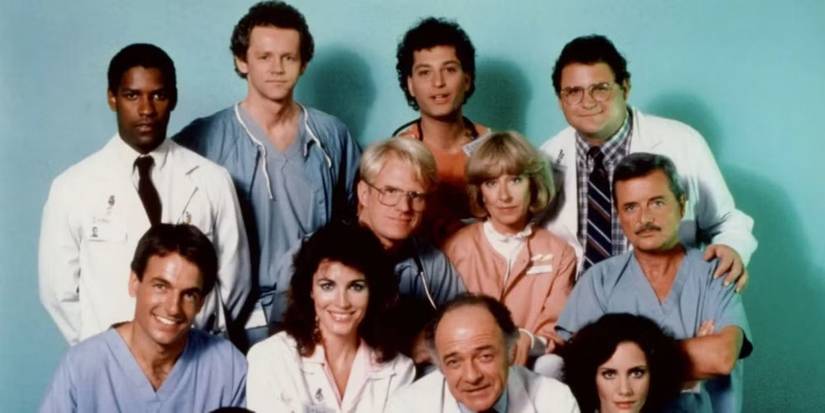 Image via NBC
Although it doesn’t get brought up nearly enough when speaking of iconic 80s shows, St. Elsewhere was an unpredictable medical drama with an all-star, talented cast. TV audiences were given an up-close view of the inner workings of a hectic hospital, in this case, the decaying Boston facility of St. Elgius. Serving as a teaching hospital, the staff was a mixture of jaded veterans who had seen it all and rising professionals who were adjusting to the long hours and the high-stress environment of emergency medicine. In between urgent cases and disagreements about medical care, storylines would also examine the doctors’ personal lives and their love lives that existed in and outside the hospital walls.
When it was on television, releasing new episodes, St. Elsewhere never became a widely watched megahit for NBC, but it has aged better than many of the shows it competed with for viewership. When most people think of the series, it’s in regard to the finale’s plot twist that revealed the entire show took place inside the mind of a child. As it would turn out, that child was excellent at writing television, because St. Elsewhere used a stacked ensemble cast that included Denzel Washington, Ed Begley, Jr, and David Morse to recreate the uphill battle doctors faced in a normal shift. Although it’s rare to see the show streaming, it’s worth hunting down to experience the show that won 13 Emmys over its six-season run.
4 'The Golden Girls' (1985–1992)
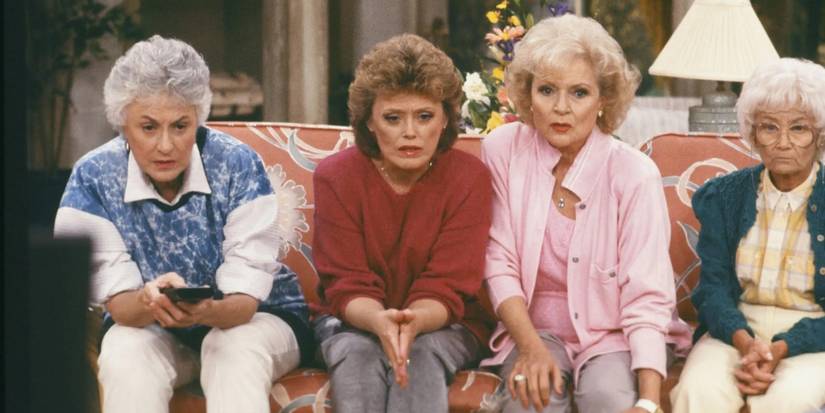 Image via NBC
The Golden Girls is a quintessential example of excellent sitcom writing, and it largely holds up even to this day. The comedy followed the day-to-day lives of four older women who shared a house in Miami, Florida. There was the vivacious owner of the house, Blanche Devereaux (Rue McClanahan), and roommates Dorothy Zbornak (Bea Arthur), her mother Sophia (Estelle Getty), and Rose Nylund (Betty White). Although the women had distinctly different personalities, their friendship bonded into that of a family as they shared their joys and hardships while navigating their retirement years.
Whenever there’s an instance of a sitcom using a found family premise, having a group of strangers embrace one another as something on a deeper level than friends, that can largely be traced back to The Golden Girls. In the simple set-up of having four women explore a new chapter in their lives at the same time, some of the smartest scripts were created by future television greats like Mitchell Hurwitz, who would go on to create a family that wished they weren’t related in Arrested Development. The greatest comedy scripts could be written and still fall apart in the wrong hands, but in the case of The Golden Girls, all four women were veterans of the entertainment business who could smash a joke on the first take, and they regularly did.
3 'Dallas' (1978–1991)
 Image via CBS
Never lacking a plot twist or a new shocking revelation, '80s televisions were all tuned to Dallas when a new episode aired. The series followed the wealthy Ewings, a Dallas-based family who made their fortune in the oil business. It’s impossible to amass a fortune and not create a few enemies, and no one could create a blood feud faster than J.R. Ewing (Larry Hagman), the devious heir apparent to the family business. Balancing the scales was younger brother Bobby (Patrick Duffy), who held himself to a higher moral standard that frequently put him at odds with J.R.
Before James Gandolfini was ordering hits as Tony Soprano or Bryan Cranston worked out an unorthodox retirement plan as Walter White, audiences were treated to Hagman scheming for more wealth as J.R. Ewing. Less an antihero and more a charismatic villain people not-so-secretly liked anyway, J.R.’s popularity went a long way in changing the future of television. Despite the common wisdom from network executives of the time, audiences would continue to follow a show where the bad guy won more than he lost. Aside from J.R., Dallas is also notable for luring audiences back with massive cliffhangers, creating anticipation (and a little frustration) as they waited months to get answers in the next season premiere.
2 'Cheers' (1982–1993)
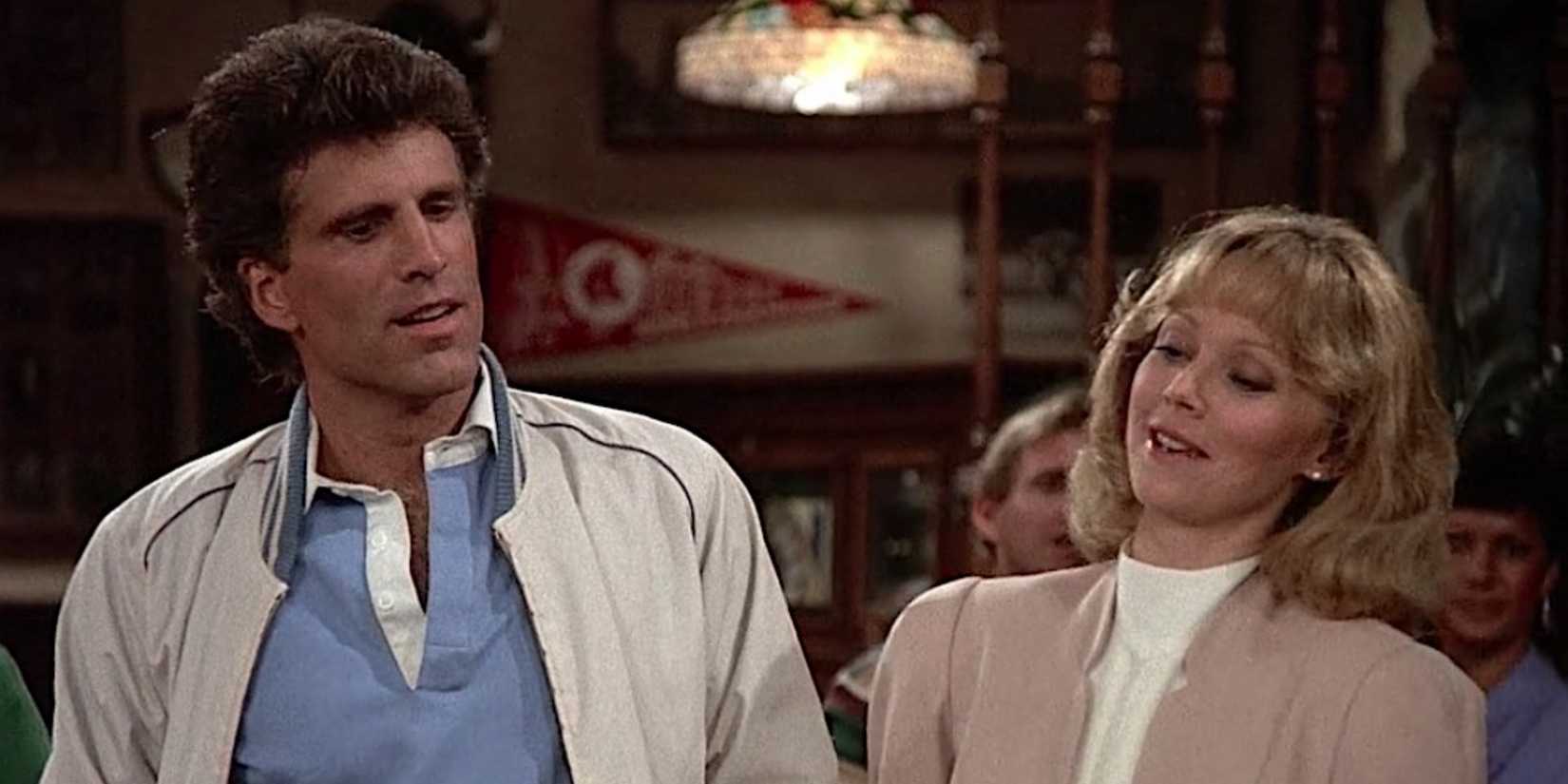 Image via NBC
On any short list of the greatest sitcoms ever made, Cheers is sitcom perfection that built up a library of flawless episodes in the 80s. Set in the Boston bar Cheers, the sitcom invited viewers to watch the regulars and staff of the watering hole pass the time by sharing stories, laughs, and the occasional insult. Owner Sam Malone (Ted Danson) was always behind the bar to serve up a drink and advice, even if it was usually mocked by the new waitress, the scholarly Diane Chambers (Shelley Long). The group dynamic was a unique one on television, and Cheers remained a ratings draw for the majority of its 11-season run on NBC.
Cheers enjoyed teasing viewers with the will they won’t they romance between Sam and Diane, and while that dynamic was fantastic on screen, the show also proved it didn’t need that to survive. After Long left the show at the end of season five, viewers were still left with a cast of extremely likable characters who defined comfort television with their laid-back but sharply written exchanges. Time will tell if another sitcom is ever able to go 11 seasons and, for the most part, tell all of their stories without leaving the one set of the bar. No matter what characters came and went, Cheers was a reliable location that felt like a sanctuary for the patrons and the viewers at home.
1 'Hill Street Blues' (1981–1987)
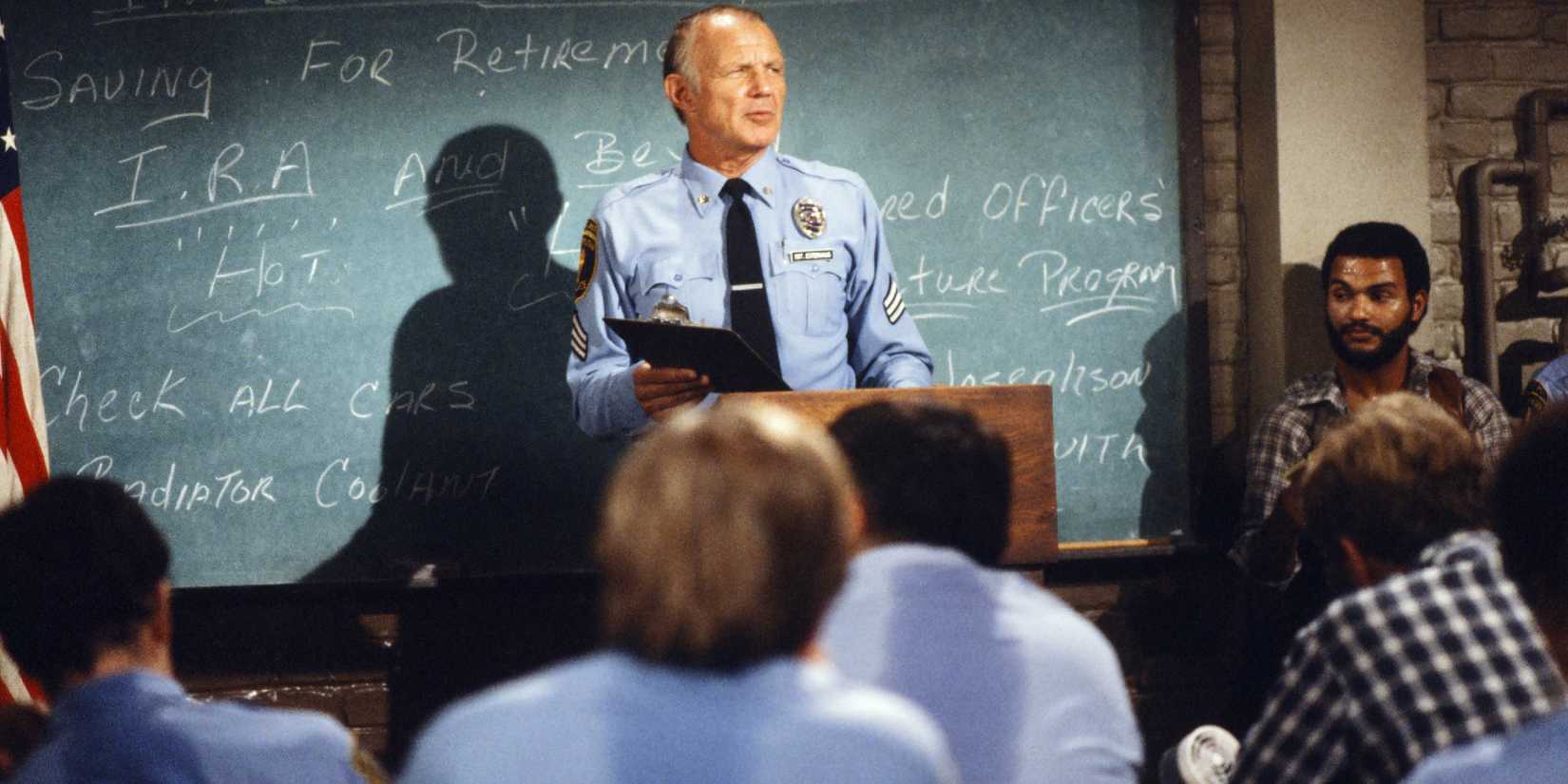 Image via NBC Studios
Hill Street Blues is a bona fide television masterpiece that played a large role in how modern television approaches building a dramatic narrative. The series gave viewers an immersive ride along with the police officers who reported to the crowded Hill Street Station. Under the leadership of Captain Frank Furillo (Daniel J. Travanti), the officers face daily life-or-death stakes as they do their best to uphold the peace on the streets. Although Hill Street Blues was never the highest-rated program, the series retained a loyal following that included the critics who regularly praised the cop drama.
Hill Street Blues is overwhelming by design, where instead of being a police procedural that followed one detective, stores bounced between multiple characters. Some of the many plot threads would be resolved by the episode’s end, but frequently stories would continue over longer arcs, potentially impacting other narratives still in play. Decades before The Wire, Hill Street Blues would set the tone for future ambitious crime shows by exploring the necessary compromises that would sometimes need to be made in order to prevent bloodshed. An outstanding achievement in TV storytelling, Hill Street Blues won 26 Emmys from 98 nominations during its seven seasons on the air.

Hill Street Blues
Release Date 1981 - 1987-00-00
-

Daniel J. Travanti
Frank Furillo
-
Michael Warren
Robert Hill




![20 Years Later, One of the Best Sitcoms of the 21st Century Returns With Hilarious First Look [Exclusive]](https://static0.colliderimages.com/wordpress/wp-content/uploads/2026/02/malcolm-in-the-middle-life-s-still-unfair-feature.jpg?w=1600&h=900&fit=crop)
 English (US) ·