Due to the trend of on-demand viewing and streaming services, fantasy television has become a very popular genre recently. Many networks and streaming platforms have started creating their own exclusive fantasy shows, many of them based on books, as incentives to attract subscribers and set themselves apart from other platforms. But the fantasy genre was not always this popular, and it took a long time for it to get where it is.
In the world of television, fantasy has come a long way, beginning decades ago and gradually evolving into what it is today. Throughout its history, it is easy to find TV shows (many of them fairly recent) that did something differently and made some unorthodox changes for the better, which ultimately changed the genre's conventions. These are the best fantasy TV shows that rewrote the rules of the genre.
6
'Once Upon a Time' (2011–2018)
Image via ABC
Once Upon a Timedidn't change the genre in such a massive way, but it did tweak the rules and loosen things up a bit. For starters, when it comes to fantasy television, many shows only base themselves on one book or series or books, or the works of one author. This is to keep a coherent story based on the original author's work. Once Upon a Time said "no" to this. Instead, they opted to compile the works of numerous writers into a single shared universe.
Namely, they took every famous fairy tale they could think of and created a small, fictitious town in Maine for them to all coexist together. The stories were reworked so they all fit together, with quite a bit of crossover among the various tales. All in all, Once Upon a Time proved that TV shows based on literature don't always need to restrict themselves to the works of one person, or to one book, and that, if they dare, branching out and crafting their own story from the remnants of others can still be a rewarding prospect.
5
'Avatar: The Last Airbender' (2005–2008)
Image via Nickelodeon
Avatar: The Last Airbenderdid a lot for the fantasy genre that many people don't always realize right away. First off, this came as a Nickelodeon series. Nickelodeon series, animated or otherwise, are typically known for being strict comedies, with very little, if any, continuity between episodes. This means you can watch the episodes in pretty much any order and things will still make sense. It also means that if you happened to miss an episode one week, you wouldn't really be missing much of the plot. But Avatar was different.
Not only was there an established continuity, but it also featured action and profound emotional depth. Its moral wisdom and sweeping adventure allowed it to resonate beyond its target audience, with adults enjoying it as well. Ultimately, what Avatar proved was that animated fantasy series, even if they're for kids, can be deep and moving and have a coherent plot that must be viewed from beginning to end. Sure, one could argue that this had been the case in Japanese anime for a long time, but this was one of the first mainstream American TV shows to do something like this. It wouldn't be wrong to say that many current animated fantasy TV shows wouldn't be around if not for how Avatar completely changed the rules of the game.
4
'Buffy the Vampire Slayer' (1997–2003)
Image via The WB
Buffy the Vampire Slayerstars Sarah Michelle Gellar as the eponymous Buffy, an adolescent girl who secretly works as a vampire hunter whilst having to navigate the awkwardness and social stigmas that come with being a teenager. This was a massive cultural sensation, becoming a staple of the late 90s and early 00s, with many nostalgic viewers still looking upon it fondly today. So what exactly did it do to redefine the fantasy genre?
Well, for one, this was the first fantasy series to popularize the "monster of the week" format. It was far from the first on television, but it was arguably the one that pioneered it most, since it was much more popular than some of the other, less well-known series that used this format. As its name suggests, this format means that each week, and each new episode, features a new monster that Buffy must take down. It always keeps things exciting, that's for sure. Beyond that, it was lauded for how, despite being removed from reality with its fantasy tropes, it tackled some really down-to-earth content, like the challenges of growing up and the struggle to fit in, which was definitely a surprise. Both of these factors allowed Buffy to become a distinguished fantasy figure and a game-changing member of the genre.
3
'Supernatural' (2005–2020)
Image via The CW
Supernaturalwas another fantasy TV series that utilized the monster-of-the-week format, though, as mentioned, it was far from the first to do so. Heck, it didn't even add all that much to it. But it did a lot of other things that were pretty different and often don't get appreciated enough. The story is about the Winchester brothers, who travel across the U.S. to investigate paranormal cases and encounter various creatures from folklore. But the show frequently throws curveballs at the audience, changing things up completely just for the hell of it.
Want a musical episode where everybody sings instead of talks? Coming right up! Want a spooky episode that doesn't use much of the series' signature comedy? They've got that too. Want some romance? No problem. There really is a little bit of everything in this series, which is why it rewrote the rules of fantasy. Supernatural proved that shows can be inconsistent at times and still be awesome. Even if something doesn't make sense to the audience, showrunners and screenwriters should never be afraid to experiment and make some bold moves. One could argue that Supernatural rewrote the rules of fantasy by basically throwing them out the window, because there often are no rules in this series.
2
'The Twilight Zone' (1959–1964)
Image via CBS
The original run of The Twilight Zonedidn't just help define fantasy television, but television as a medium. This series features everything from sci-fi to fantasy and even horror, with the genre varying between episodes. This is because it's an anthology series, which means each episode is a self-contained story with a definitive beginning and ending. No characters or plotlines are reused.
One of the main ways this series redefined television was by featuring a monumental plot twist in each episode, which often leaves audiences floored. It also showed that genres don't have to be rigidly defined categories, and that significant overlap exists among many genres. For example, werewolves are creatures found in both horror and fantasy stories, serving as a liaison between the two. Little things like that, combined with its plot twists and anthology formatting, make The Twilight Zone one of the earliest fantasy shows to really influence the genre in the modern day.
1
'Game of Thrones' (2011–2019)
Image via HBO
Game of Thronesis the fantasy TV show that single-handedly kick-started the massive influx of fantasy television throughout the 2010s and 2020s. Since this series came out, everyone has wanted a piece of its success, which is why other major networks and streaming services have been trying to develop their own book-based fantasy epic shows, to varying degrees of success. There were a lot of reasons Game of Thrones became so popular, but the most important reason was that it was unlike anything ever seen before.
This series did away with TV censorship laws because it was on HBO, a premium network that didn't have to conform to typical FCC regulations. This meant it was allowed to swear as much as it wanted, show as much violence and gore as it wanted, and even contain a lot of nudity. On top of that, it completely smashed the scale of any other production. Normally, massive sets and intricate costumes like these were reserved for movies, not for TV. Game of Thrones practically redefined what a typical fantasy TV show looks like and what a fantasy TV show should be. It's not the first of its genre by a mile, but its impact on the world of television as a whole is astronomical and undeniable. It's a massive cultural phenomenon that broke barriers and set many new trends, which is why it's the best fantasy show to rewrite the genre's conventions.
Release Date
2011 - 2019-00-00
WritersD.B. Weiss, George R.R. Martin, David Benioff

 Image via HBO
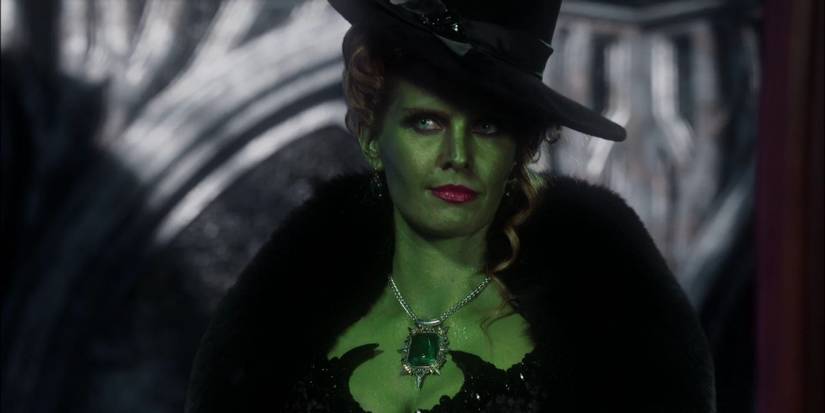 Image via ABC
 Image via Nickelodeon
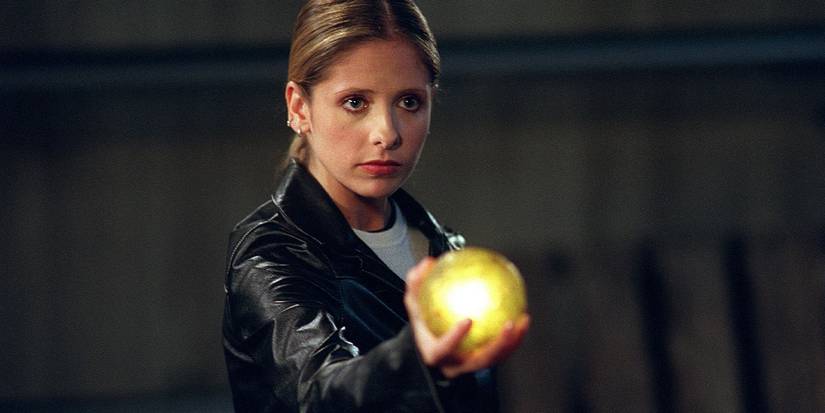 Image via The WB
 Image via The CW
 Image via CBS
 Image via HBO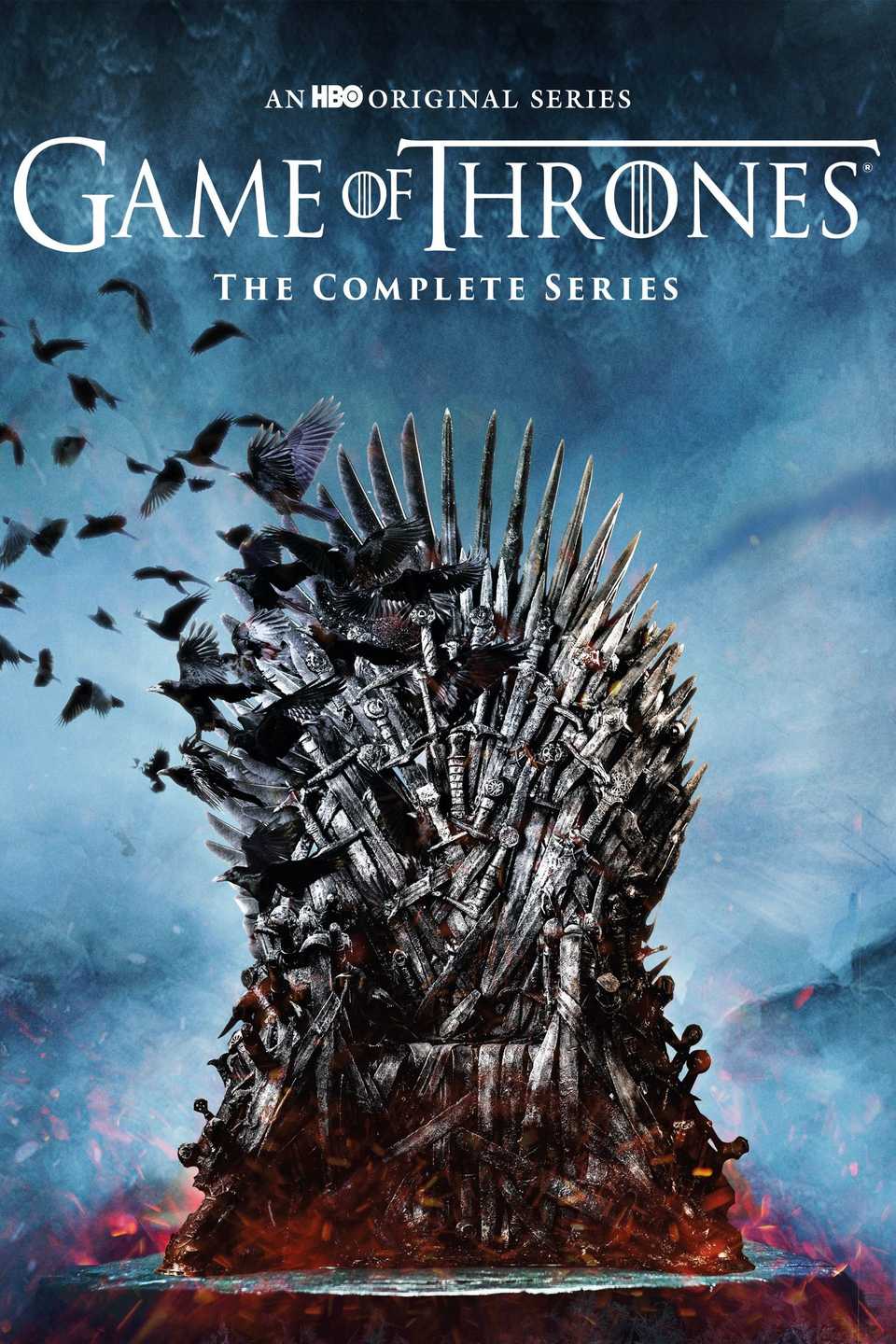



 English (US) ·