
 Image via NBC

Published May 23, 2026, 5:18 AM EDT
Dyah (pronounced Dee-yah) is a Senior Author at Collider, responsible for both writing and transcription duties. She joined the website in 2022 as a Resource Writer before stepping into her current role in April 2023. As a Senior Author, she writes Features and Lists covering TV, music, and movies, making her a true Jill of all trades. In addition to her writing, Dyah also serves as an interview transcriber, primarily for events such as San Diego Comic-Con, the Toronto International Film Festival, and the Sundance Film Festival.
Dyah graduated from Satya Wacana Christian University in October 2019 with a Bachelor's degree in English Literature, concentrating on Creative Writing. She is currently completing her Master's degree in English Literature Studies, with a thesis on intersectionality in postcolonial-feminist studies in Asian literary works, and is expected to graduate in 2026.
Born and raised between Indonesia and Singapore, Dyah is no stranger to different cultures. She now resides in the small town of Kendal with her husband and four cats, where she spends her free time cooking or cycling.
Sign in to your Collider account
No other genre has held a more enduring place in television history than the wholehearted sitcom. In a world constantly flooded with bleak news and negativity, sitcoms have become an escape for people who just want 30 minutes of comfort and a good laugh. While slapstick comedy and vaudeville acts paved the way for the genre, a sitcom becomes truly timeless when it also has a strong story to tell.
Although a sitcom’s main job is to provide lighthearted entertainment, some shows have proven over the years that the most meaningful lessons can come wrapped in laughter. And even when there are no grand lessons to be learned, they make up for it with memorable ensembles who feel like real people you actually know, rather than just exaggerated caricatures on a screen. Without further ado, here are 6 classic sitcoms that have aged like fine wine.
6 'I Love Lucy' (1951–1957)
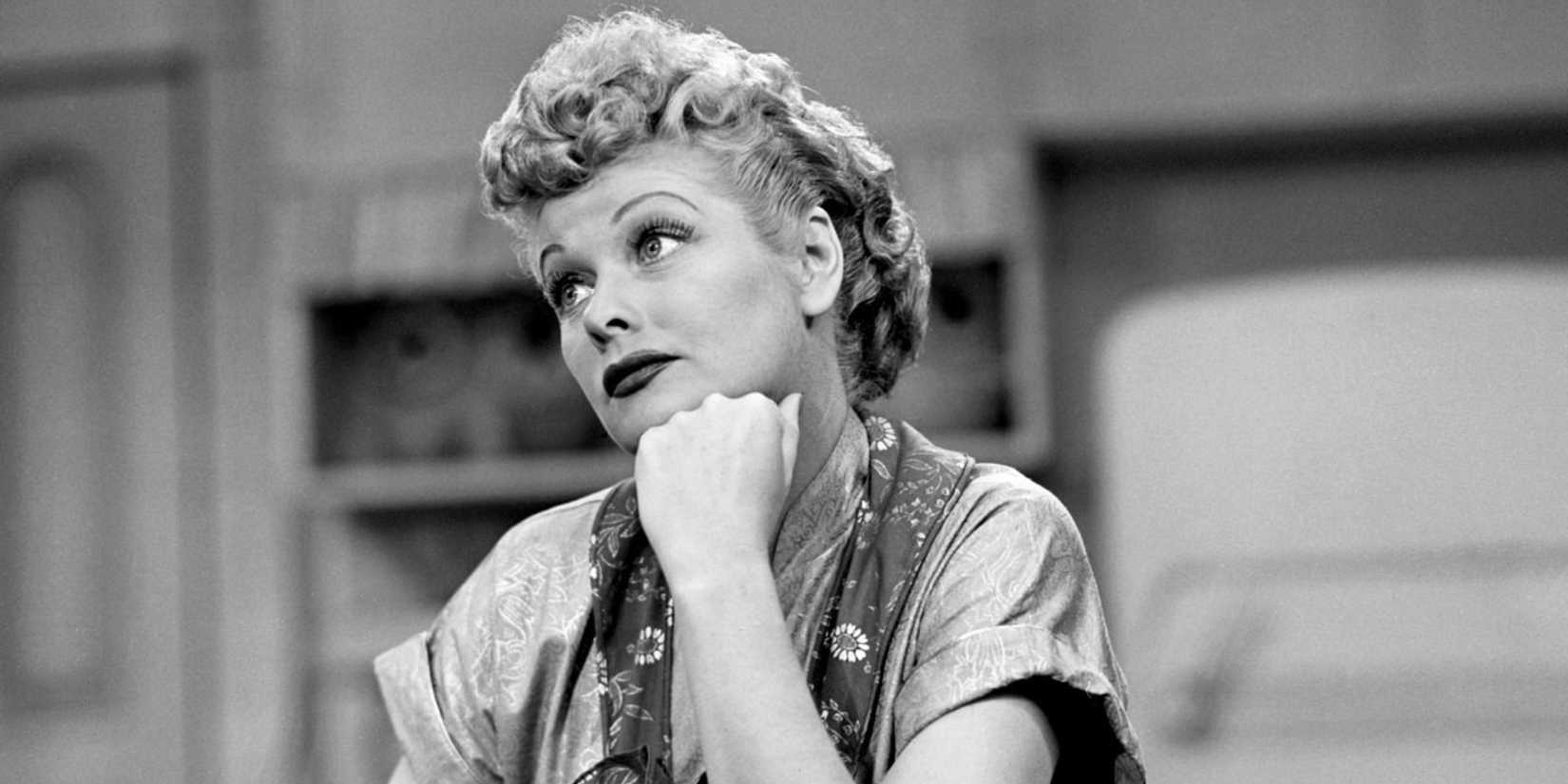 Image via CBS
Garnering a staggering 40 million American viewers at its peak, I Love Lucy became the blueprint for the modern sitcom. Lucy McGillicuddy Ricardo (Lucille Ball) is a spirited homemaker who spends her days tending to domestic life, while her bandleader husband Ricky Ricardo (Desi Arnaz) earns a living performing at a nightclub. But a firecracker like Lucy is never meant to stay quietly at home. Much like Ricky, she knows exactly how to entertain a crowd with her many talents, often leaving her husband equal parts surprised, amused, and bewildered. Together, the two become television's irresistible power couple, determined to break into show business.
In an era when domestic gender roles were still heavily enforced, I Love Lucy offers a refreshing take on the dynamics between husband and wife. There are still expectations for Lucy to stay home, clean the house, and cater to her husband. While Lucy can certainly play the role of the traditional homemaker, she is just as talented at diving headfirst into Ricky’s entertainment antics, often proving even funnier than he is. The show was also groundbreaking for its time, especially considering how rare it was for a Cuban actor like Arnaz to play the leading man in an American sitcom. It ultimately proved to be the perfect casting choice. Whether on-screen or off, Arnaz and Ball share an enviable chemistry that feels romantic, chaotic, and genuinely heartfelt, making it easy to see why audiences fell in love with them.
5 'Cheers' (1982–1993)
 Image via NBC
Welcome to a little bar in Boston where everyone knows your name. No other place is more communal and unhinged than the neighborhood bar — it's especially even more fun when its patrons are a zany bunch. Cheers follows the fictional bar of the same name, owned by former baseball relief pitcher Sam Malone (Ted Danson). However, his career with the Boston Red Sox was cut short because of his alcoholism, which led him to pitch poorly. Since he became a bartender, he made it his mission to be the "resident ringleader for an assortment of poor couls and wanna-be's."
Cheers popularized the idea of a beloved “go-to spot” that is just as memorable as the characters themselves — a concept later adopted by many future sitcoms. The Cheers bar itself becomes a character, serving as the silent witness to the lives of its patrons over the years. Storytelling turns into a true art form as bar regulars like Norm Peterson (George Wendt) constantly wander in with tales of his troubled marriage, while the know-it-all Cliff Clavin (John Ratzenberger) gets on everyone’s nerves with his endless annoying trivia. Audiences might not have been to the fictional bar themselves, but watching Cheers feels like taking a whole trip there as we sit back and sip drinks alongside Sam.
4 'Seinfeld' (1989–1998)
 Image via NBC
Watching Seinfeld requires a bit of patience, but the payoff is more than worth it. Famously described as “a show about nothing,” Seinfeld follows the trivial day-to-day lives of Jerry Seinfeld (Jerry Seinfeld) and his hilariously dysfunctional inner circle. There is no overarching plot other than Jerry building his stand-up comedy career. Yet, the lack of said plot makes room for a variety of random shenanigans. One episode might revolve around Jerry hitting on one of Elaine Benes’ (Julia Louis-Dreyfus) attractive friends, while another sees him swept into one of Kramer’s (Michael Richards) ludicrous business ideas or mocking George Costanza’s (Jason Alexander) endless spiral of irrational anxieties.
The comedy of Seinfeld lies in how these incredibly minor inconveniences somehow snowball into disasters of absurd proportions. The concept itself was risky, and Season 1 did not fully sell why audiences should care about these people in the first place. That changes by Season 2, when the series finally makes it obvious that its real magic lies in the chemistry between its four leads. Gone is the awkwardness of its debut season — they are officially the pettiest people on the planet, yet somehow the perfect match for one another. Only this group could convincingly pull off the wildly inappropriate situations they constantly find themselves tangled in — and laugh about it.
Collider Exclusive · TV Medicine Quiz Which Fictional Hospital Would You Work Best In? The Pitt · ER · Grey's Anatomy · House · Scrubs
Five hospitals. Five completely different ways medicine goes sideways on television — brutal, chaotic, romantic, brilliant, and ridiculous. Only one of them is the ward your instincts were built for. Eight questions will figure out exactly where you belong.
🚨The Pitt
🏥ER
💉Grey's
🔬House
🩺Scrubs
FIND YOUR HOSPITAL →
01
A critical patient comes through the door. What's your first instinct? Medicine under pressure reveals who you actually are.
AStay completely present — block everything else out and work through it step by step, right now. BTriage fast and delegate — get the right people on the right problems immediately. CTrust my gut and move — I work best when I stop overthinking and just act. DAsk the question everyone else is ignoring — what's the thing that doesn't fit? ETake a breath, make a joke to cut the tension, and then get to work — panic helps no one.
NEXT QUESTION →
02
Why did you go into medicine in the first place? The honest answer says more about you than the one you'd give in an interview.
ABecause I wanted to be where it matters most — right at the edge, when someone's life is actually on the line. BBecause I wanted to help people — genuinely, one patient at a time, in a system that makes it hard. CBecause I was drawn to the intensity of it — the stakes, the drama, the feeling of being fully alive. DBecause medicine is the most interesting puzzle there is — and I needed a problem worth solving. EBecause I wanted to make a difference — and also, honestly, I didn't know what else to do with my life.
NEXT QUESTION →
03
What do you actually want from the people you work with? Who you want beside you under pressure is who you are.
ACompetence and calm — I need people who don't fall apart when things get bad. BTrust and reliability — I want to know that when I pass something off, it's handled. CConnection — I want colleagues who become family, even if that gets complicated. DIntelligence and the willingness to be challenged — I have no interest in people who just agree with me. EFriendship — people I actually like spending twelve hours a day with, because those hours are going to happen either way.
NEXT QUESTION →
04
You lose a patient you fought hard to save. How do you carry it? Every doctor who's worked a long shift has had to answer this question.
AI carry it. All of it. I don't look for ways to put it down — that weight is part of doing this work honestly. BI process it and move — you have to, or the next patient suffers for the one you just lost. CI feel it deeply and lean on the people around me — I don't think you're supposed to handle that alone. DI go back over every decision — not to punish myself, but because I need to understand what I missed. EI grieve it genuinely, find some way to laugh about something unrelated, and try to be kind to myself — imperfectly.
NEXT QUESTION →
05
How would your colleagues describe the way you work? Your reputation on the floor is usually more accurate than your self-image.
AIntense and completely present — no small talk during a shift, but exactly who you want there. BSteady and dependable — not the flashiest in the room but never the one who drops something. CPassionate and occasionally chaotic — brilliant on the hard cases, prone to drama everywhere else. DBrilliant and difficult — right more often than anyone else, and everyone knows it, including me. EWarm and self-deprecating — not the most intimidating presence, but genuinely good at this and easy to like.
NEXT QUESTION →
06
How do you feel about hospital protocol and procedure? Every institution has rules. What you do with them is a choice.
AProtocol is the floor, not the ceiling — I follow it until the patient needs something it can't provide. BI respect it — the system is broken in places, but the structure is there for a reason and I work within it. CI follow it until my instincts tell me not to — and my instincts are usually right, even when they cause problems. DRules are for people who haven't thought hard enough about when to break them. EI try to follow it and mostly do — with a few memorable exceptions that still come up in meetings.
NEXT QUESTION →
07
What does this job cost you personally? Nobody works in medicine without paying a price. What's yours?
AEverything outside these walls — I've given this job my full attention and the rest of my life has gone around it. BMy idealism, mostly — I came in believing the system could be fixed and I've made a complicated peace with that. CStability — my personal life has been as chaotic as the OR, and that's not entirely a coincidence. DMy relationships — I am not easy to know, and the people who've tried to would probably agree. EMy sense of gravity — I use humour as a coping mechanism, which not everyone appreciates in a hospital.
NEXT QUESTION →
08
At the end of a long shift, what keeps you coming back? The answer to this question is the most honest thing about you.
AThe fact that it's real — that nothing else I could be doing would matter this much, right now, today. BThe patients — individual human beings who needed something and got it because I was there. CThe people I work with — I have walked through impossible things with these people and I'd do it again. DThe next unsolved case — there's always another puzzle, and I'm not done yet. EBecause despite everything — the exhaustion, the loss, the absurdity — I actually love this job.
REVEAL MY HOSPITAL →
Your Assignment Has Been Made You Belong In…
Your answers have pointed to one fictional hospital above all others. This is the ward your instincts, your temperament, and your particular brand of dysfunction were built for.
The Pitt
You are built for the most unsparing version of emergency medicine television has ever shown — one that puts you inside a single fifteen-hour shift and doesn't let you look away.
- You need your work to be real, not romanticised — meaning over drama, honesty over aesthetics.
- You find purpose inside the work itself, not in the chaos surrounding it.
- You've made peace with the fact that this job takes from you constantly, and gives back in ways that are harder to name.
- Pittsburgh Trauma Medical Center demands exactly that kind of person — and you would not want to be anywhere else.
ER
You are the person who keeps the whole floor running — not the most brilliant in the room, but possibly the most essential.
- You show up, do the work, absorb the losses, and come back the next day without needing the job to be anything other than what it is.
- You care about patients as individual human beings, not as cases to solve or dramas to live through.
- You believe in the system even when it fails you — and you understand that emergency medicine is about holding the line just long enough.
- ER is television about endurance. You have it.
Grey's Anatomy
You came to medicine with your whole self — your ambition, your emotions, your relationships, your history — and you have never quite managed to leave any of it at the door.
- You feel things fully and form deep attachments to the people you work with.
- Your personal and professional lives are permanently, chaotically entangled — and that entanglement drives both your greatest disasters and your most remarkable saves.
- You understand that extraordinary medicine often happens at the intersection of clinical skill and profound human connection.
- It's messy at Grey Sloan. You would not have it any other way.
House
You are drawn to the problem above everything else — the symptom that doesn't fit, the diagnosis hiding underneath the obvious one.
- You're not primarily motivated by the patient as a person — though you are capable of caring, even if you'd deny it.
- You work best when the stakes are highest and the standard answer is wrong.
- Princeton-Plainsboro exists to house one extraordinary, impossible mind — and everyone around that mind is there because they're smart enough to keep up.
- The only way forward here is to think harder than everyone else in the room. That is exactly what you do.
Scrubs
You understand that medicine is tragic and absurd in almost equal measure — and that the only sane response is to hold both of those things at the same time.
- You are warm, self-aware, and funnier than most people in your field.
- You use humour to get through terrible moments — and at Sacred Heart, that's not a flaw, it's a survival strategy.
- You lean on the people around you and let them lean back. The laughter and the grief are genuinely inseparable here.
- Scrubs is a show about learning to become someone worthy of the job. You are still very much in the middle of that process — which is exactly right.
↻ RETAKE THE QUIZ
3 'The Fresh Prince of Bel Air' (1990–1996)
 Image via NBC
Much like its title, The Fresh Prince of Bel-Air brought something fresh to television. Worlds collide when the working-class, street-smart teenager Will (Will Smith) is sent by his mother to live with his much more affluent Uncle Phil (James Avery) in Bel-Air. Instead of loitering around basketball courts, Will is relegated to Phil's mansion as he tries to get his life together. But with his uncle's uptight nature and his cousin Carlton's (Alfonso Ribeiro) snootiness, life on the rich side is really cramping Will's style.
But The Fresh Prince of Bel-Air is more than just a story about the “poor versus the privileged.” The rewatchable '90s TV show challenged stereotypes surrounding African American individuals, showing them as nuanced humans rather than relying on harmful tropes. There’s Will, who’s more attuned to life on the streets; Carlton, who’s nerdy and dorky; and Uncle Phil, who, for all his discipline, is strict because he cares. That’s why the show has serious moments underneath Will’s wacky comedy. From commentary on the unfair judicial system when Will gets wrongfully arrested to explorations of interracial marriages, The Fresh Prince of Bel-Air hooks you in with the gags — and leaves you with something serious to think about afterward.
2 'Everybody Loves Raymond' (1996–2005)
 Image via CBS
Everybody Loves Raymond might have given Long Island home life a better reputation. The funniest people are not always your friends; sometimes, they are your family. Ray Barone (Ray Romano) is the quintessential family guy who's got it all. Apart from his modest career as a sports journalist, he has a nice two-story house, a lovely wife named Debra (Patricia Heaton), and three adorable children. It is the ideal suburban life, if only it were not for Ray’s meddling parents living directly across the street and his bitterly envious older brother constantly making his life more complicated than it needs to be.
Ray might seem like he has everything, but he is also one of television’s most hilariously clueless husbands and fathers. Traditionally, sitcom dads are supposed to be the ones who know exactly what they are doing. However, Ray can be such a bumbling buffoon when it comes to home matters. At the same time, Everybody Loves Raymond quietly sends the message that families are always works in progress. There is no such thing as a perfect family, only one trying to overcome whatever chaos gets thrown at them in the moment. And when Ray is completely out of ideas, he will probably just call Debra for help anyway. After all, the wife usually knows better.
1 'Friends' (1994–2004)
 Image via NBC
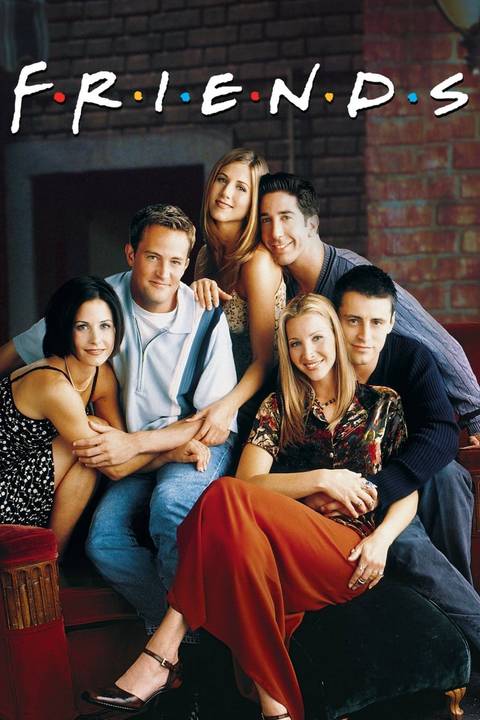
Friends is a story about finding family when you do not have one in the city (with the exception of the Geller siblings). New York City feels alive with endless possibilities — new lives, new jobs, and new romances — but Friends doesn't promise that it'll be a smooth ride. More often than not, the beloved gang is constantly dealing with the consequences of their own bad decisions, spending more time fixing their messes than celebrating their victories.
What Friends does preach, however, is the idea that nobody has to go through life’s messiness alone. It is rare for these characters to solve their problems by themselves, as the entire gang inevitably jumps in to save the day — for better or worse. But the point is not whether their solutions actually work. What matters is knowing there is a group of people willing to stand by you through every high and low. That sense of community is the reason Friends is still a pop culture phenomenon today. No matter the era, everyone wants a support system they can count on — maybe not one as chaotic as the Central Perk gang, but at the very least, a group of people they can call family.
Release Date 1994 - 2004
Showrunner Marta Kauffman
Writers Jeff Astrof, Mike Sikowitz, Brian Boyle, Patty Lin, Bill Lawrence, R. Lee Fleming Jr.
-

-

Courteney Cox
Monica Geller








 English (US) ·