

Published Jul 8, 2026, 10:15 PM EDT
Dhruv is a Lead Writer in Screen Rant's New TV division. He has been consistently contributing to the website for over two years and has written thousands of articles covering streaming trends, movie/TV analysis, and pop culture breakdowns.
Before Screen Rant, he was a Senior Writer for The Cinemaholic, covering everything from anime to television, from reality TV to movies.
After high school, he was on his way to become a Civil Engineer. However, he soon realized that writing was his true calling. As a result, he took a leap and never looked back.
It has been almost six decades since Philip K. Dick published his iconic cyberpunk sci-fi book, which featured one of his greatest quotes:
"You have to be with other people... You can't go from people to nonpeople."
The quote is from Philip K. Dick's seminal sci-fi book, Do Androids Dream of Electric Sheep?, which was published in 1968 before it went to pave the way for the cyberpunk subgenre. Re-reading the quote and the book it comes from makes it hard not to notice how it hits even harder after all these years.
While Philip K. Dick's writing forte alone makes it timeless, the quote's lasting impact can be attributed to Ridley Scott's Blade Runner.
In more ways than one, the Blade Runner movies remain distinct and original additions to the sci-fi genre. They may not have been commercial hits, but the movies' wide acclaim proves how much the Blade Runner franchise is still loved. This explains why the franchise is being expanded with a TV series, Blade Runner 2099, which is set to premiere on Prime Video.
Interestingly, despite dabbling with many original ideas, the Blade Runner franchise is loosely inspired by Philip K. Dick's Do Androids Dream of Electric Sheep? Owing to this, the most hard-hitting quote from the book makes even more sense after watching the ambitious sci-fi movies.
Philip K Dick’s Quote From ‘Do Androids Dream Of Electric Sheep’ Defines The Blade Runner Movies

Philip K. Dick's Do Androids Dream of Electric Sheep? follows a bounty hunter named Rick Deckard who much "retire" six Nexus-6 model androids. Before this journey, Deckard lives an emotionally detached life where he surrounds himself with nothing but emptiness. His sole purpose is to fulfill his responsibility as a bounty hunter and eradicate androids.
However, somewhere along the way, Deckard starts becoming more and more "human." After a few significant emotionally-charged encounters, Deckard starts to realize what it means to be human and also learns how it is impossible to rewind and become non-human again once someone like him has difted to the "other side." This is when the iconic Philip K. Dick appears in the book as one of Deckard's musings:
“You have to be with other people, he thought. In order to live at all. I mean, before they came here I could stand it, being alone in the building. But now it’s changed. You can’t go back, he thought. You can’t go from people to nonpeople.”
Philip K. Dick's Do Androids Dream of Electric Sheep? does an incredible job of capturing the gradual shift in Deckard's morality as he continues to become more and more human. The quote perfectly reflects the moment when he realizes that genuine human connection has fundamentally changed him.
After watching the Blade Runner movies, the quote gains even more relevance as you begin seeing replicants as people capable of love, grief, and empathy. Similar to the protagonists in both Blade Runner movies, you, as a viewer, go through a moral journey where you eventually struggle to draw distinctions between humans and replicants.
While Ridley Scott and Denis Villeneuve's Blade Runner movies are not direct adaptations of Do Androids Dream of Electric Sheep?, both effectively capture the essence of the above quote by making viewers question whether replicants can truly be considered "nonpeople." As the films unfold, the emotional divide between humans and replicants gradually disappears, mirroring Deckard's own moral transformation.
This ultimately reinforces Philip K. Dick's belief that it is empathy that makes someone human. Regardless of their biology, even a non-human can never return to being detached and isolated once they get a taste of genuine human connection.
The Philip K. Dick Quote Will Likely Remain Relevant In Blade Runner 2099
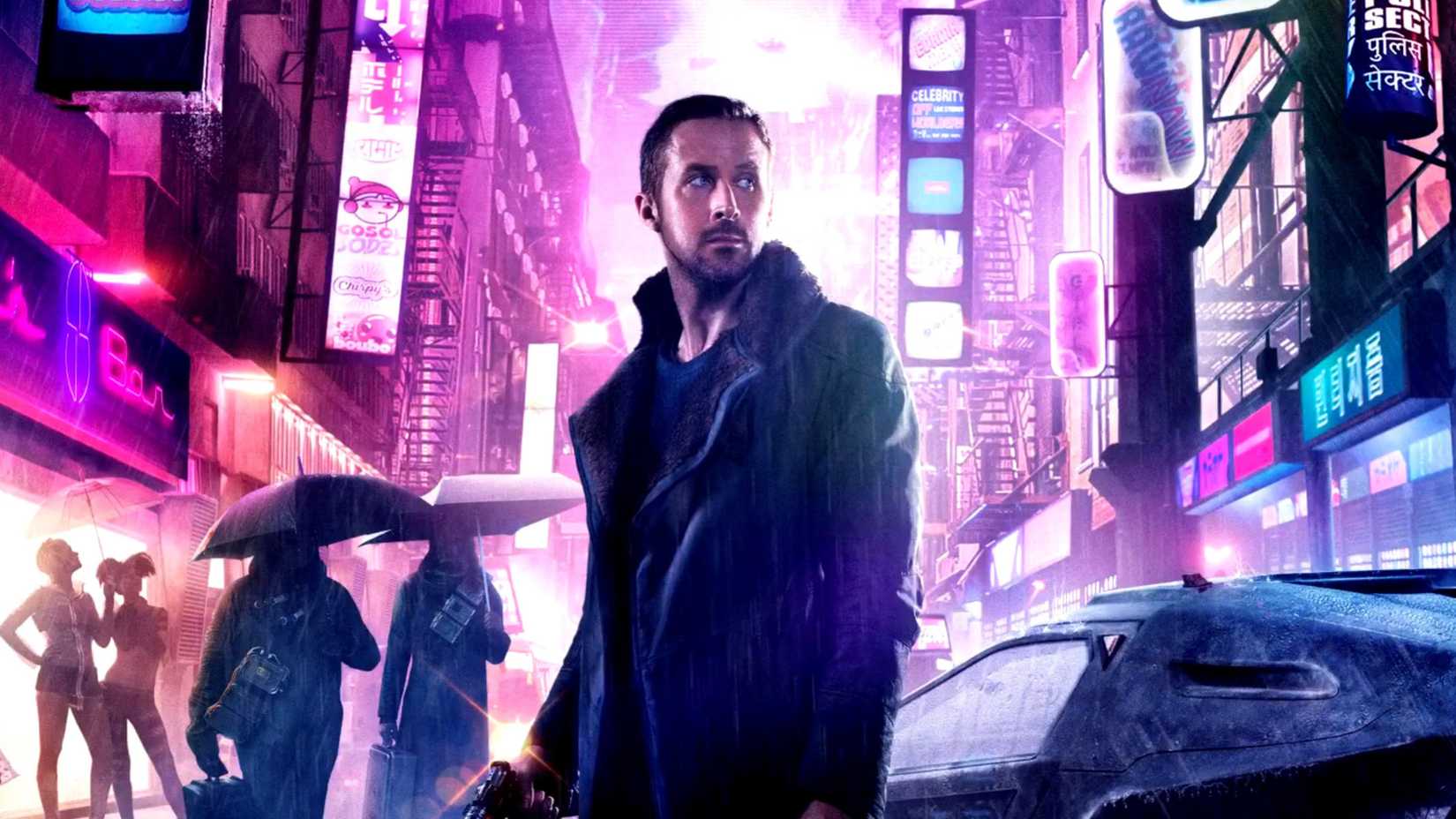 via MovieStillsDB
Most plot details surrounding Prime Video's upcoming show, Blade Runner 2099, remain under the wraps. Set 50 years after the last Blade Runner movie, the show will feature Michelle Yeoh as Olwen, a replicant and Blade Runner nearing the end of her lifespan. Meanwhile, Hunter Schafer will play Cora, a woman who has spent her life on the run.
The show's core premise revolves around the two characters being forced to work together, which leads them to a conspiracy. While the plot details reveal little about the show's themes, it seems to be continuing the franchise's trend of dabbling with complex ideas surrounding identity and memory, empathy versus artificiality, and the true meaning of being human for someone who has "non-human" biology.
Owing to this, it is hard not to believe that the quote from Philip K. Dick's Do Androids Dream of Electric Sheep? will hold even more significance in the upcoming Prime Video series. While only time will tell whether the sci-fi show will prove to be as promising as Ridley Scott's Blade Runner, most viewers will appreciate it if it manages to honor the core theme from the Philip K. Dick book the movies are based on.
-

-

Blade Runner 2099
Network Prime Video
Directors Jonathan van Tulleken
Writers Silka Luisa
Franchise(s) Blade Runner








 English (US) ·