5 Great Documentaries from the True/False Film Fest 2026
3 weeks ago
15
Image via GiantSquid/ Impact Partners
Published Mar 18, 2026, 8:20 AM EDT
Samuel is Collider's List Flex Editor (previously Lead List Editor), which means he's pretty much always hovering around Collider's List department. A writing and editing automaton based in Nashville, Tennessee, and sometimes Los Angeles, Samuel has been working in entertainment journalism for over 10 years.
Samuel is the guy who talked to Betty White about vodka and hot dogs. Chaz Ebert once pinched Samuel's cheeks after a screening of Beyond the Valley of the Dolls, when Samuel told her that Roger was and forever is his hero. William Friedkin once jokingly called Samuel "dad" at a screening of Samuel's favorite movie, The Babadook. Forbes once called Samuel a "sneering critic" because he disliked Don't Look Up.
Two major brands have trusted Samuel with curating their respective lists of the 100 Best Movies of All Time. Samuel wrote one of these lists in its entirety.
Other career highlights include appearing on KCRW and meeting Joe Morgenstern, and also spending 50 minutes talking to Tommy Wiseau on a landline (which was awesome).
Samuel loves his job and is rarely actively not doing it.
Celebrating its 23rd year in March 2026, and hosted by the college town of Columbia, Missouri, the True/False Film Fest has a mission to represent the best in international non-fiction filmmaking. This year's line-up showcased over 30 new feature films and 25 shorts across 114 screenings.
5
'Remake'
Image via GiantSquid/ Impact Partners
The best documentary at True/False this year is a gut-wrenching and entirely engrossing story of parental loss. Ross McElwee is a decorated veteran of the medium, best known for his 1986 doc Sherman's March, a movie that was intended to be about Southern U.S. history, but ultimately became about his own love life. Sherman's March won the Grand Jury Prize at 1987 Sundance, and is preserved in the National Film Registry.
Many docs and associated critics prizes followed for the filmmaker in the years since, with McElwee often using his family members as subjects. Echoing the basis of Sherman's March, Remake was originally intended to be a look at McElwee struggling with Hollywood producers over an increasingly dumbed-down attempt to adapt the doc to a narrative film, then eventually to a 22-minute sitcom. In the background of all of this, though, McElwee loses his son, Adrian, to a years-long struggle with drug addiction.
Remake makes an unexpected, inspired pairing with last year's critical darling Hamnet, in that it's about the unthinkable process of grieving a child and how that could tie in to the creative process. Many will likely find the way McElwee films his son throughout personal and upsetting to be at least a little alarming, but the filmmaker himself addresses the ethics, and his uncertainty about them, throughout. Remake documents Adrian's young, often happy and funny childhood, a drawn-out and brutal divorce, and ultimately years of secrecy and spiraling. The effect is shattering and impossible to forget. That may sound like a cliché, but it's true; Remake couldn't be more vivid.
4
'The Great Experiment'
Image via Chorus of the Union Films
Stephen Maing and Eric Daniel Metzgar's The Great Experiment has the ambitious objective of exploring deep division and polarization in the U.S., specifically in Trump's first term, all in around 90 minutes. The Great Experiment was likely the best-looking movie at True/False, with black-and-white photography that's never less than stunning, even as it explores social situations that are nothing short of ugly.
Certain scenes may play out like a political Rorshach test: among the people we spend time with are "Gays for Trump" and utterly nihilistic self-proclaimed members of Antifa, and which of these folks seems more problematic and detached from reality may be up for interpretation. The Great Experiment is sometimes funny in a way that feels like Borat without the man himself, and the quality of the filmmaking here is simply undeniable.
3
'Pinball'
Image via ITVS/Grey Is Good
On a more hopeful beat, perhaps surprisingly, is this documentary about American refugees of the Iraq War, following years of their uprooted lives in Louisville, Kentucky. Directed by Naveen Chaubal and produced by Bryn Silverman, Pinball documents several international years in the lives of Mohammed Al Windawi, his wife and children Yosef and Azraa (now both young adults).
The younger generation is the chief focus here, and it's a pleasure to be around them. Yosef is more hilarious, handsome and screen-commanding than many if not most leads I saw in Hollywood movies last year. Pinball is extremely effective in the way it explores the youths' conflicted and ever-evolving relationship with the pull of their homeland.
2
'How to Clean a House in Ten Easy Steps'
Image via FromAway Films
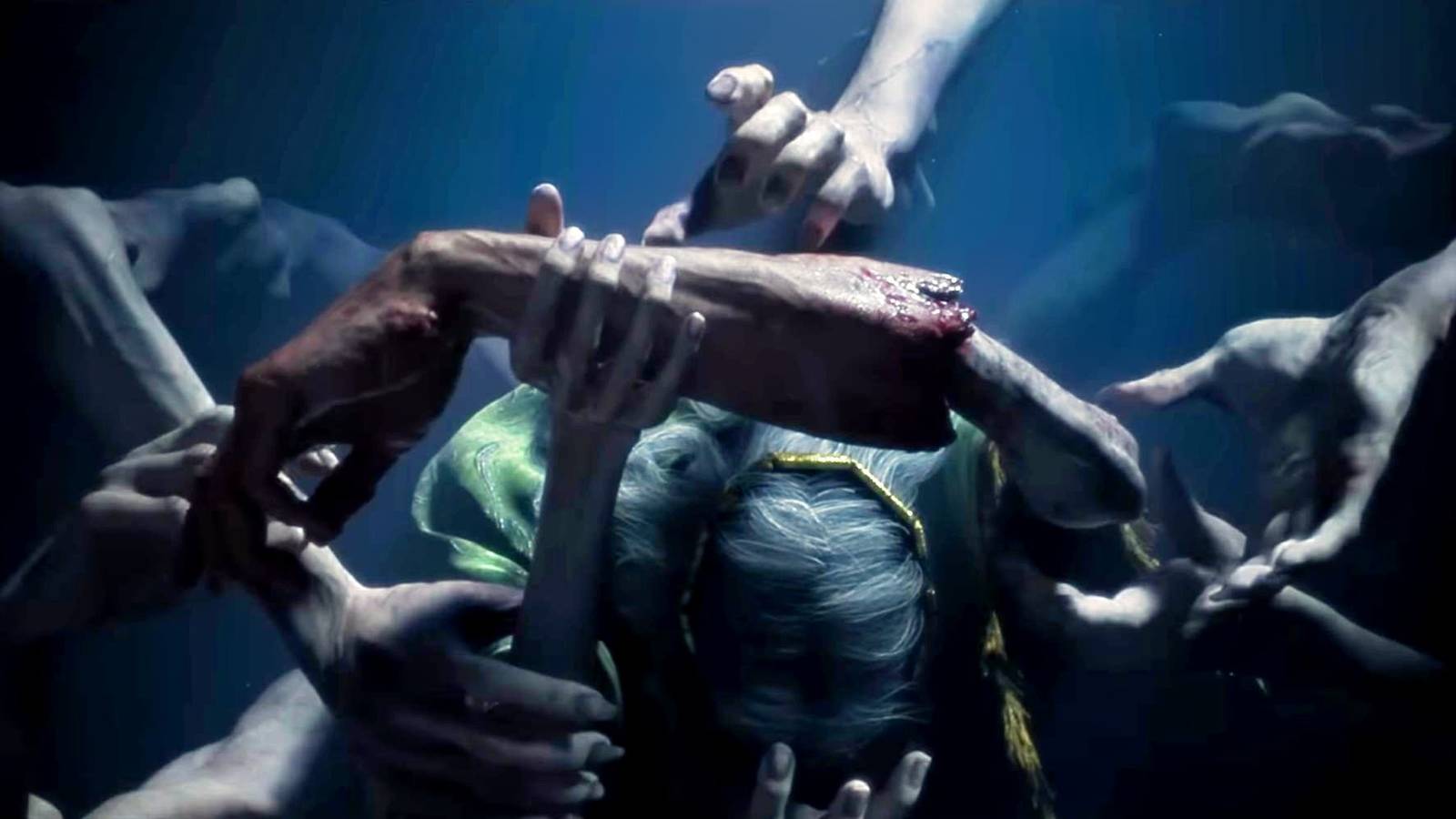
A blend of fiction and non-fiction, animation and live-action, with elements of outright fantasy and a musical number, How to Clean a House in Ten Easy Steps is Carolina Gonzalez Valencia's tribute to mother Beatriz, a Colombian-born domestic worker who came to the U.S. with aspirations of prosperity through hard work and determination.
How to Clean a House in Ten Easy Steps recasts and reimagines Beatriz as a bestselling author of a book of the same name. The real-life story of Beatriz's professional, family and romantic life is glimpsed in the film as well. It's more complicated, in the life tends to be, and likely more compelling, but How to Clean a House in Ten Easy Steps' blend of genres and storytelling techniques received an enthusiastic audience response across multiple screenings at True/False.
1
'Landscapes of Memory'
Image via Meerkat Media, Space Time Films
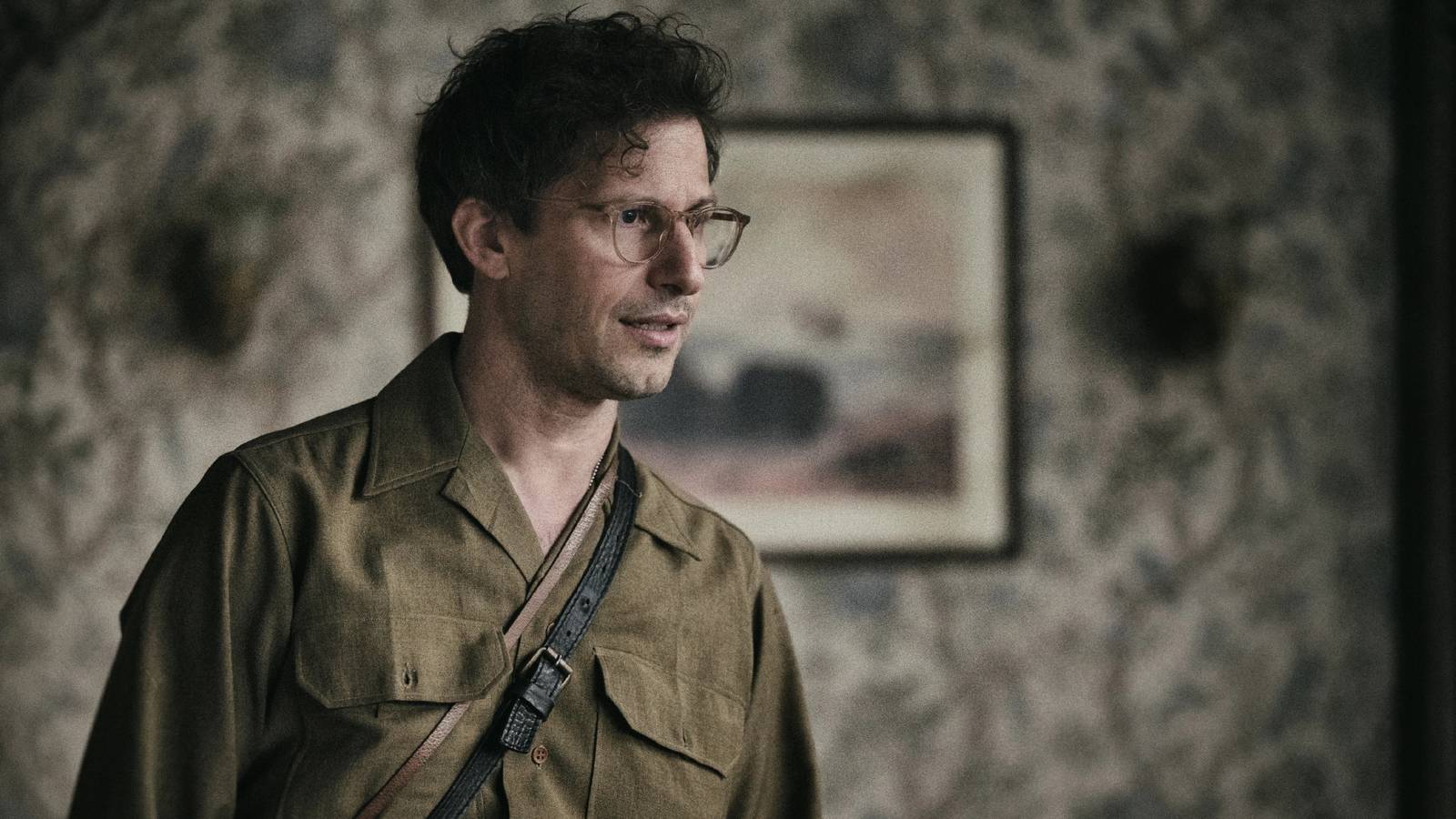
In Landscapes of Memory, Jewish American filmmaker Leah Galant explores generations of trauma and, well, memory, as a descendant of Holocaust survivors. The film is as much about family as it is about memory, with much of the screen time dedicated to Galant's father, who has ALS.
Landscapes of Memory draws considerable parallels between the horrors of the Holocaust and present-day Palestine, with Galant's firm thesis expressing that traumas of the past are being utilized to justify those in present day. This is obviously very heavy subject matter that we're all too aware of presently, but Landscapes of Memory is effective in its intimacy.
The True/False documentary film festival runs annually in Columbia, Missouri. For more information, visit truefalse.org

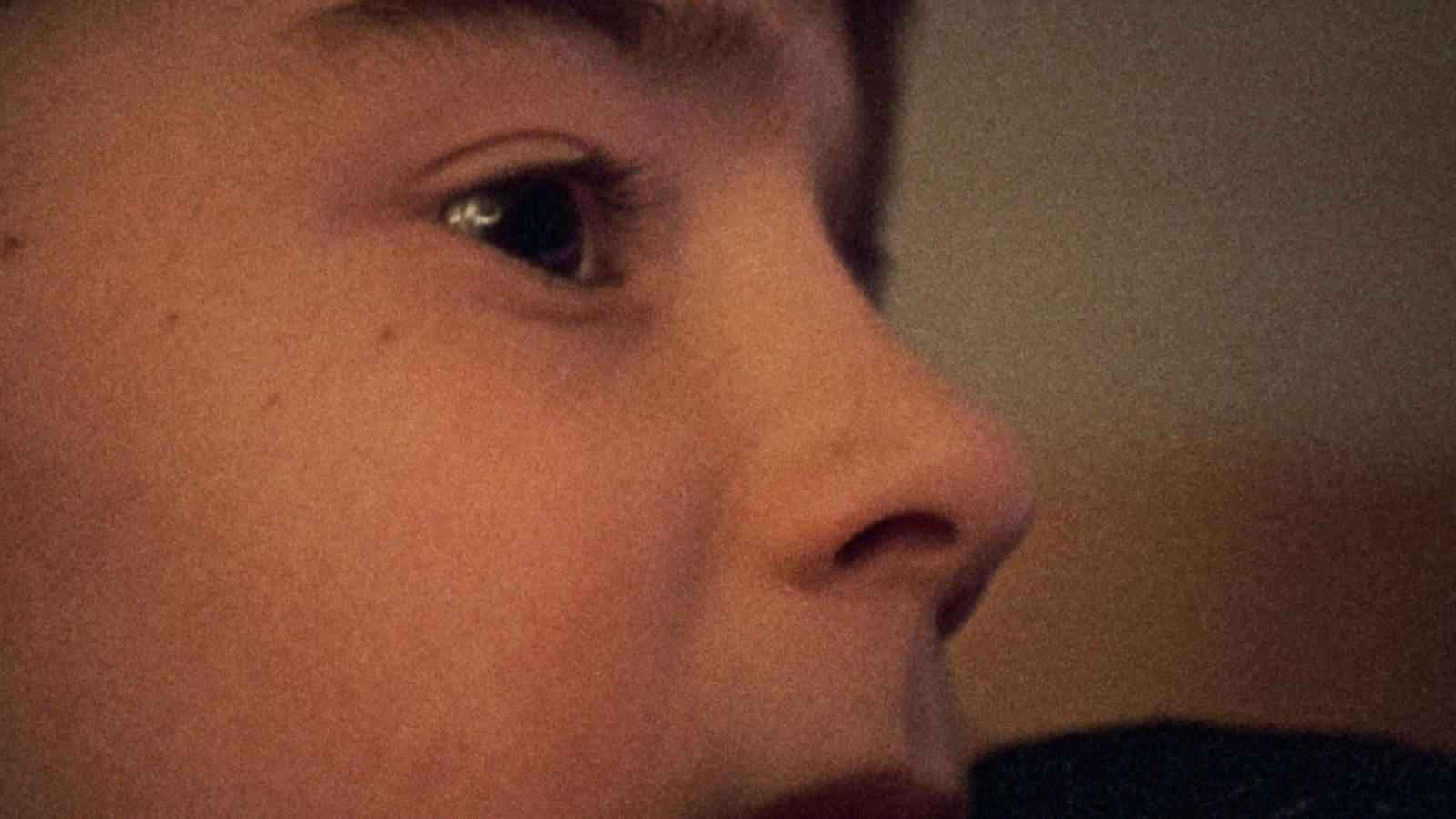 Image via GiantSquid/ Impact Partners
 Image via GiantSquid/ Impact Partners
 Image via Chorus of the Union Films
 Image via ITVS/Grey Is Good
 Image via FromAway Films
 Image via Meerkat Media, Space Time Films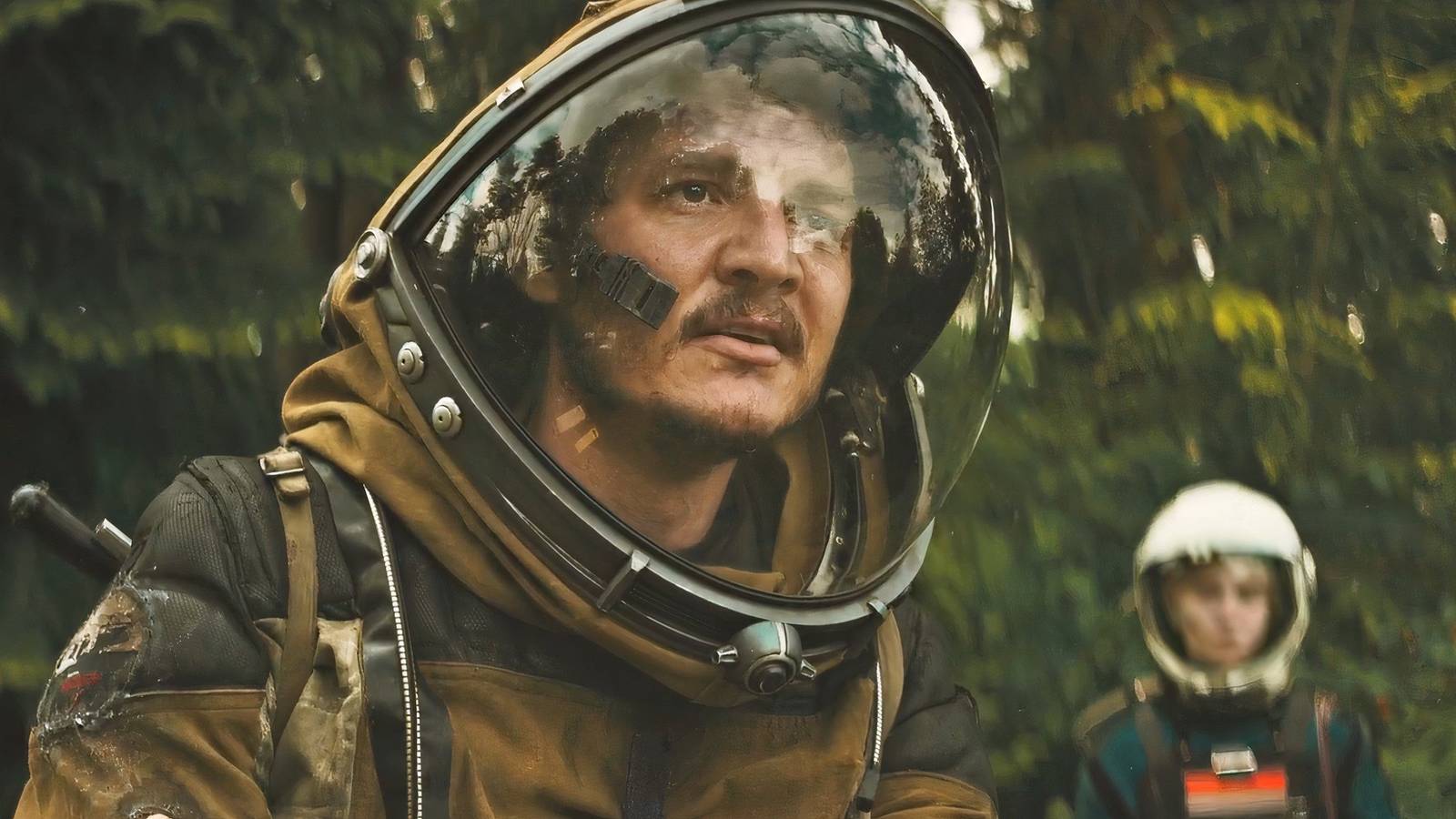


 English (US) ·