Horror movies age well when they still feel designed. When the scares come from choices, rules, atmosphere, and a story that keeps tightening even after you know what’s coming. They rely on dread you can track: a sound that returns, a room that feels wrong, a community that’s hiding something, a belief system that doesn’t care if you agree with it, something that makes them stand out from cheap jumpscares or trad horrors.
These five movies listed below have that kind of staying power. And more importantly, they’re forgotten and so not mainstream. And yet, they’re confident, patient, and specific. They make you imagine the next room before the camera shows it. They make you feel like you’re uncovering something you shouldn’t have touched. And when they finish, they don’t evaporate because you’re still thinking about a staircase, a foghorn, a chant, a warning.
'The Changeling' (1980)
Image via Pan-Canadian Film Distributors
The Changeling is the haunted-house movie that treats grief like an open wound and turns the house into a pressure cooker around it. The film follows John Russell (George C. Scott) arriving after a personal tragedy as he moves into a towering old Seattle mansion that feels too quiet for how big it is. The first chills come from routine things turning wrong. The sound traveling strangely, spaces feeling occupied when they’re empty, that sense that the building has a memory it refuses to keep to itself.
What makes it age like fine wine is how it escalates from haunting to investigation. John starts pulling at history. He gets to compose answers out of clues, and the movie keeps giving him concrete things to follow — objects, records, patterns, the kind of trail that makes you lean forward. Then Senator Carmichael (Melvyn Douglas) brings in the human power layer, and suddenly the haunting feels connected to something uglier than a ghost story. Not to mention Claire Norman (Trish Van Devere) who feels like the rare helpful ally character who doesn’t act like you’re crazy for noticing details. It’s a slow burn that keeps rewarding attention.
'Prince of Darkness' (1987)
Image via Universal Pictures
Prince of Darkness feels like a dare: take religion, science, and end-of-the-world dread, put them in one cramped location, then watch paranoia spread like an infection. A Priest (Donald Pleasence) finds a secret that the Church has been sitting on, and he drags Professor Howard Birack (Victor Wong) and a group of students into a situation that stops feeling academic almost immediately. The setup is simple and nasty: a sealed cylinder of swirling green liquid, a monastery basement, and a growing sense that the rules of reality are about to get revised.
This one ages so well because it’s all mood and logic working together. The group tries to measure what they’re seeing, explain it, control it, and every attempt adds another layer of dread. You start noticing how the building becomes a trap without needing bars, how people’s minds become battlegrounds, how sleep itself stops being safe. Even the street-level menace, Street Schizo (Alice Cooper) lurking outside, adds to the sense that the world is closing in from every direction.
'The Fog' (1980)
Image via AVCO Embassy Pictures
The Fog is coastal dread, which is a different vibe for horror. There’s a small seaside town preparing for a centennial celebration while something old and angry drifts back in on the tide. Stevie Wayne (Adrienne Barbeau) anchors the whole thing from her lighthouse radio station, and that perspective is part of the magic. You hear the town’s pulse, then you hear fear creep into it. Elizabeth Solley (Jamie Lee Curtis) stumbles into the story like a regular person caught in a nightmare, and Nick Castle (Tom Atkins) gives the season-of-the-witch vibe a human warmth that makes the danger feel closer.
This movie ages beautifully because it understands how to weaponize the atmosphere. The glowing fog keeps swallowing visibility, sound, and safety. Mr. Machen (John Houseman) sells the folklore side with a voice that makes you believe this town has been lying to itself for a long time, and why now? tension keeps building as the celebration gets closer. Every moment feels like a direct consequence of the town’s past finally returning to collect. Both The Fog and Prince of Darkness are helmed by John Carpenter, by the way.
'The Sentinel' (1977)
Image via Universal Pictures
The Sentinel is apartment horror with a mean, feverish edge. It’s one of those horror movies that makes a building feel like it’s watching you back. And there’s a lot of them. So why The Sentinel? The film follows Alison Parker (Cristina Raines) as she moves into a Brooklyn brownstone because she wants a fresh start, and the film immediately starts stacking weirdness around her: unsettling neighbors, strange behavior, and that unbearable feeling of being observed. Michael Lerman (Chris Sarandon) gives her a connection to normalcy, which only makes the abnormal parts feel louder when they push in.
This is fine wine because it commits to the idea that safety can be a thin illusion. The Catholic-diocese connection gives the story a sinister authority, and the film keeps escalating in a way that feels like a nightmare becoming organized. There are visions, warnings, religious dread, then full-on “something is wrong with this place” certainty. It’s the kind of horror that makes you look at your own hallway differently afterward — similar in vibes to House of Wax.
'The Wicker Man' (1973)
Image via British Lion Films
The Wicker Man follows Sergeant Neil Howie (Edward Woodward) as he arrives on the isolated island of Summerisle to investigate a missing girl, and the locals greet him with smiles that never quite answer his questions. Lord Summerisle (Christopher Lee) feels welcoming in a way that keeps putting you on edge. He’s polite, composed, completely unbothered by Howie’s suspicion. Willow MacGregor (Britt Ekland) turns seduction into an assault on conviction, and every interaction keeps tightening the same theme: belief, control, and who gets to define reality in a closed community. This is the one that ages the best because it builds dread through ritual and certainty.
The island isn’t chaotic; it’s coordinated. Songs, traditions, daily routines, everything reinforces a shared worldview that Howie can’t penetrate. The film is written and designed to feel like a folk tale that’s already decided its ending. The final stretch becomes unforgettable because the horror isn’t random; it’s chosen, celebrated, and justified by the people performing it. You finish the film feeling shaken because you understand exactly how the trap worked, step by step, from the moment Howie stepped off the plane.

 Image via British Lion Films
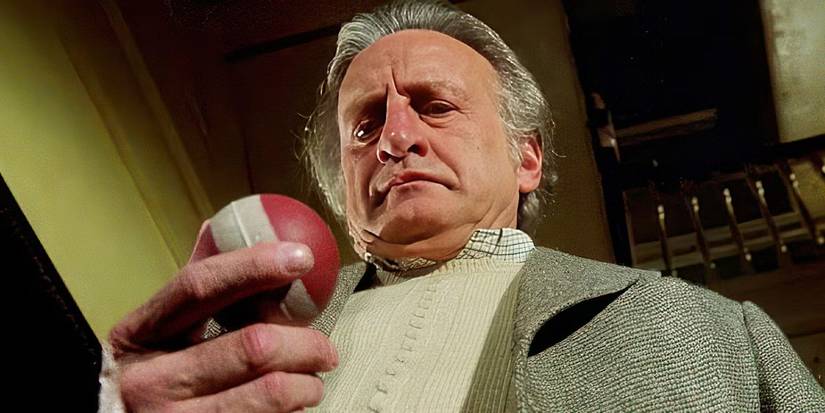 Image via Pan-Canadian Film Distributors
 Image via Universal Pictures
 Image via AVCO Embassy Pictures
 Image via Universal Pictures
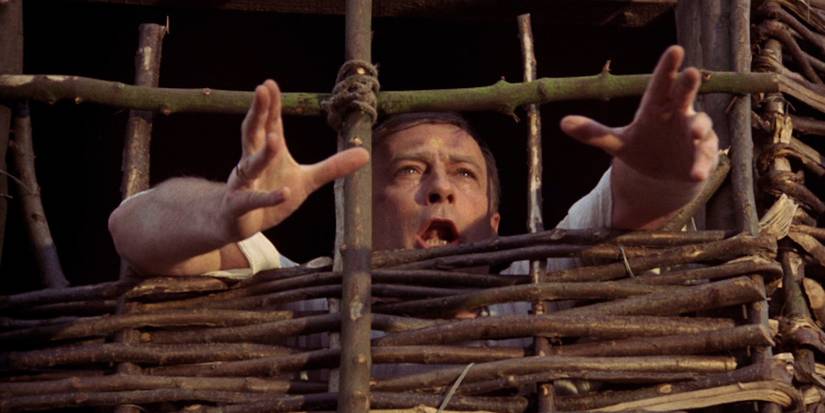 Image via British Lion Films




 English (US) ·