


Published Feb 14, 2026, 4:00 PM EST
Hannah is a senior writer and self-publisher for the anime section at ScreenRant. There, she focuses on writing news, features, and list-style articles about all things anime and manga. She works as a freelance writer in the entertainment industry, focusing on video games, anime, and literature.
Her published works can be found on ScreenRant, FinanceBuzz, She Reads, and She Writes.
Emerald Fennell’s 2026 adaptation of Wuthering Heights does not aim for quiet fidelity. Instead, it reimagines Emily Brontë’s stormy Gothic romance with bold casting, structural overhauls, and an overtly modern lens on sexuality and power. The result is less a traditional period drama and more a psychological fever dream centered almost exclusively on Cathy and Heathcliff.
Where Brontë’s novel is layered, generational, and framed through memory, the film strips away its narrative scaffolding to spotlight obsession and desire. Some changes are cosmetic, but others reshape the story’s moral architecture. From aging up its heroine to eliminating half the novel’s plot, here are the five biggest departures from page to screen.
Cathy Is an Adult, Not a Teen
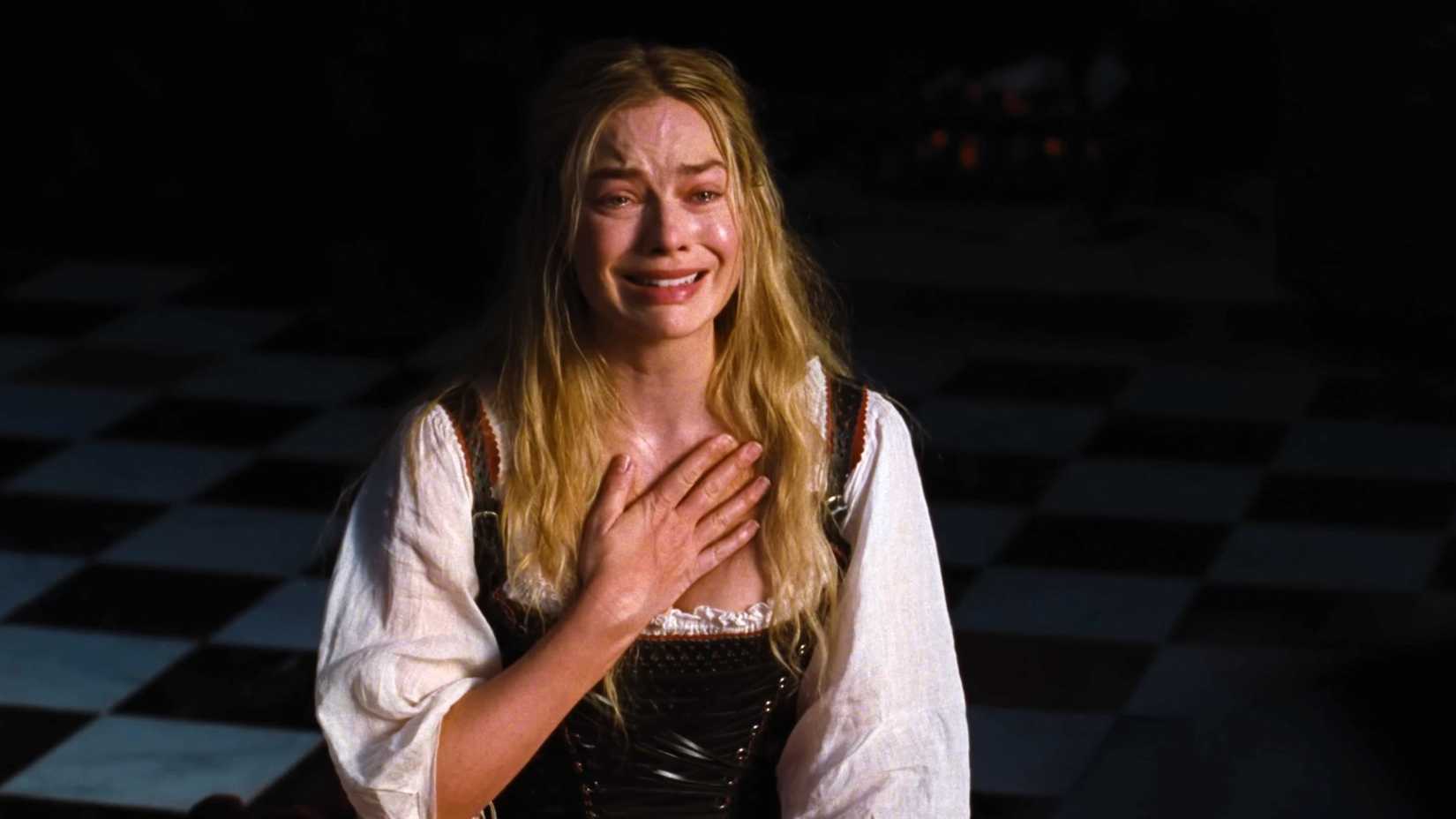
In Brontë’s novel, Catherine Earnshaw is still a teenager when she dies, her marriage to Edgar Linton shaped by youthful pride, social ambition, and emotional volatility. The film dramatically ages her into her mid-20s or early 30s, with Margot Robbie portraying a far more mature Cathy. This shift immediately reframes her choices.
In the book, Catherine’s injury at Thrushcross Grange occurs during childhood mischief, leading to her temporary stay with the Lintons. The adaptation retains the accident but reimagines it: Cathy is now an adult spying on grown Edgar and Isabella, and her fall carries romantic intrigue rather than childish recklessness. Even Isabella’s role changes from sibling to ward, subtly altering family dynamics.
The casting of Jacob Elordi as Heathcliff reinforces this adult reconfiguration. By aging the lovers, the film intensifies the social pressure surrounding marriage. Cathy’s decision to wed Edgar feels less like teenage vanity and more like a calculated response to societal expectation. The tragedy shifts from impulsive adolescence to conscious compromise.
Major Characters Are Removed or Rewritten
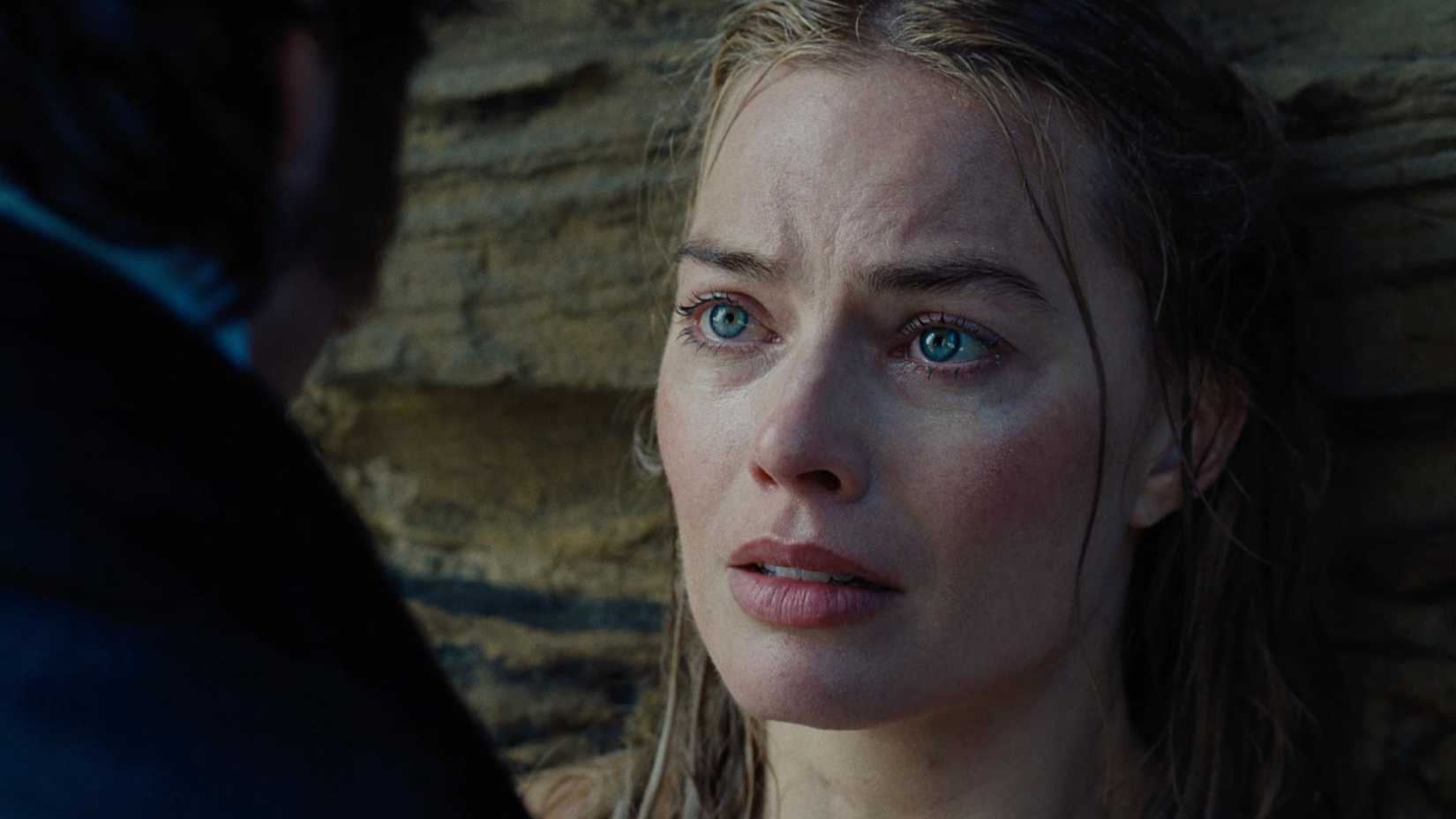
Possibly the most shocking of the character changes in Wuthering Heights is the elimination of Hindley Earnshaw. In the novel, Hindley’s jealousy and cruelty toward Heathcliff drive much of the latter’s thirst for revenge. The film removes him entirely, redistributing his narrative weight onto Mr. Earnshaw. Instead of sibling rivalry, paternal abuse becomes the central wound.
This change personalizes Heathcliff’s vendetta. Rather than retaliating against a resentful brother, he is shaped by a violent father figure whose gambling and drunkenness ultimately lead to ruin. The shift intensifies the emotional stakes but simplifies the web of resentment that defines the book’s first half.
The film also reimagines Nelly Dean. In Brontë’s original Wuthering Heights, Nelly is a somewhat detached narrator recounting events to Mr. Lockwood. Fennell abandons the frame narrative and turns Nelly into an active manipulator who influences Cathy’s fate. By orchestrating key misunderstandings, she becomes a psychological force rather than a passive observer, adding interpersonal tension the novel leaves understated.
Heathcliff’s Racial Identity Is Erased

Brontë’s Heathcliff is racially ambiguous but clearly marked as “other.” Characters describe him in terms that suggest non-white origins, and his outsider status is inseparable from the novel’s social critique. His marginalization fuels both the prejudice he endures and the intensity of his bond with Cathy.
The film casts Elordi, a white actor, fundamentally altering this dimension. By doing so, the Wuthering Heights adaptation shifts the lovers’ barrier from race to class and temperament. Heathcliff is still socially inferior, but the specific racialized hostility embedded in the novel disappears. This narrows the story’s thematic scope.
In the book, Cathy’s fear that marriage to Heathcliff would “degrade” her carries racial undertones as well as class implications. Removing that context transforms her choice into a purely social calculation. The romance becomes less about forbidden difference and more about status anxiety, reshaping the moral complexity of her betrayal.
The Romance in Wuthering Heights Becomes Explicit and Physical
 Everett Collection
Brontë’s Wuthering Heights novel simmers with longing and yearning but rarely depicts overt physical intimacy. Catherine and Heathcliff’s love is expressed through language, desperation, and a handful of charged moments. Their relationship feels spiritually consuming rather than physically demonstrative.
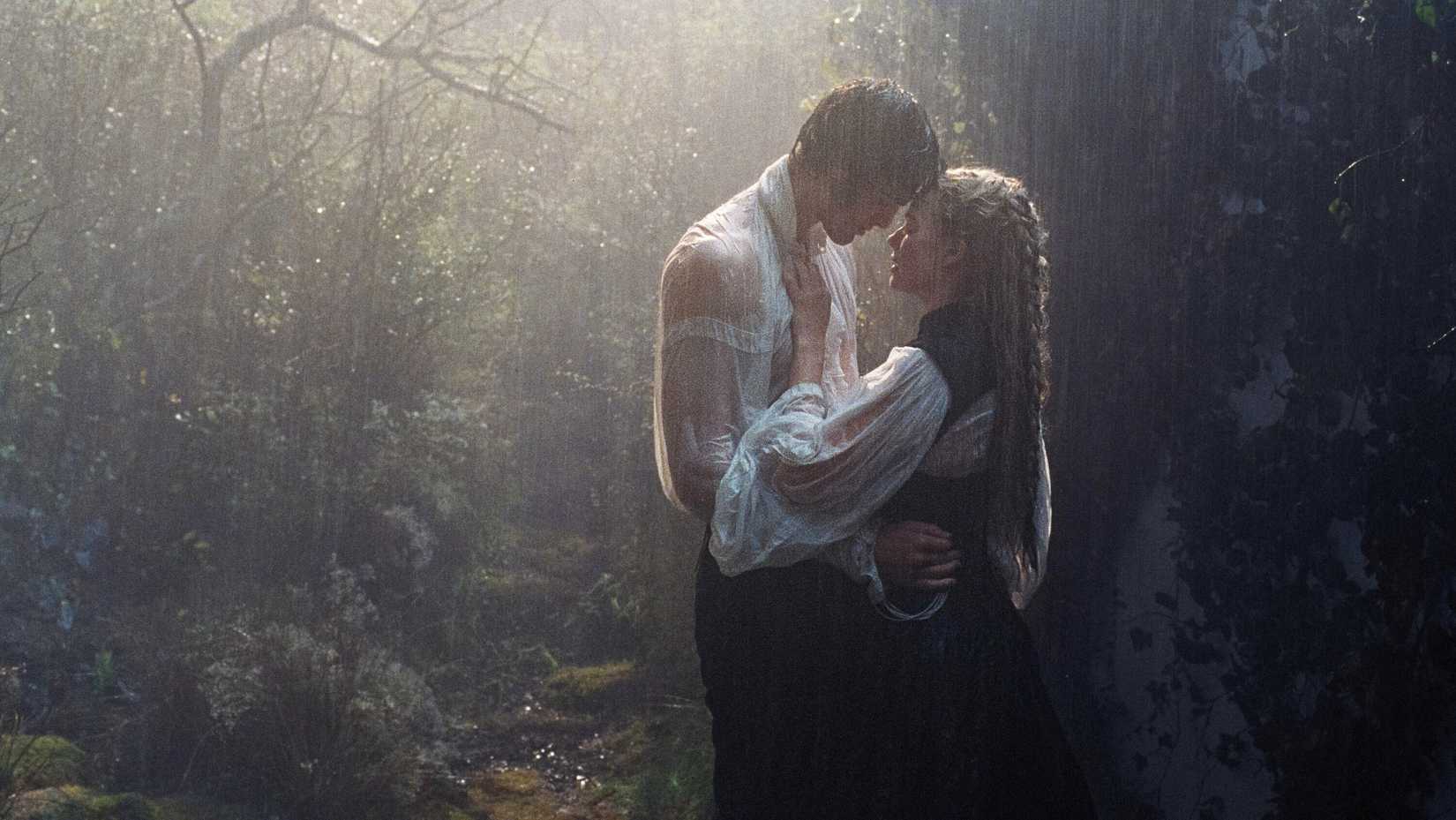
The film, however, embraces explicit sensuality. Cathy and Heathcliff conduct a secret affair after her marriage, meeting in carriages and on the moors. The adaptation foregrounds physical passion, turning subtext into spectacle. Their obsession is no longer implied; it is shown repeatedly and unapologetically.
This choice alters the tone of their tragedy. In the novel, the heartbreak stems from missed opportunity and emotional pride. On screen, the lovers actively defy societal boundaries through a physical relationship. The shift reframes their downfall as reckless indulgence rather than suppressed yearning, heightening melodrama while diminishing restraint.
The Entire Second Half of the Wuthering Heights Novel Is Cut
Brontë’s novel famously extends beyond Catherine’s death, devoting nearly half its chapters to the next generation. Catherine Linton, Linton Heathcliff, and Hareton Earnshaw inherit the emotional wreckage of their parents, and the narrative explores whether cycles of cruelty can be broken.
The 2026 film ends with Cathy’s death, abandoning the generational arc entirely. By omitting the children, the adaptation removes the novel’s structural symmetry and its meditation on renewal. The story becomes singularly focused on the doomed romance rather than its aftermath.
In the book, the second generation offers either redemption or repetition, depending on interpretation. Without it, the Wuthering Heights film closes on devastation. Cathy and Heathcliff remain the universe’s center, frozen in tragic intensity. The broader social and moral consequences that Brontë painstakingly constructed are left unexplored.
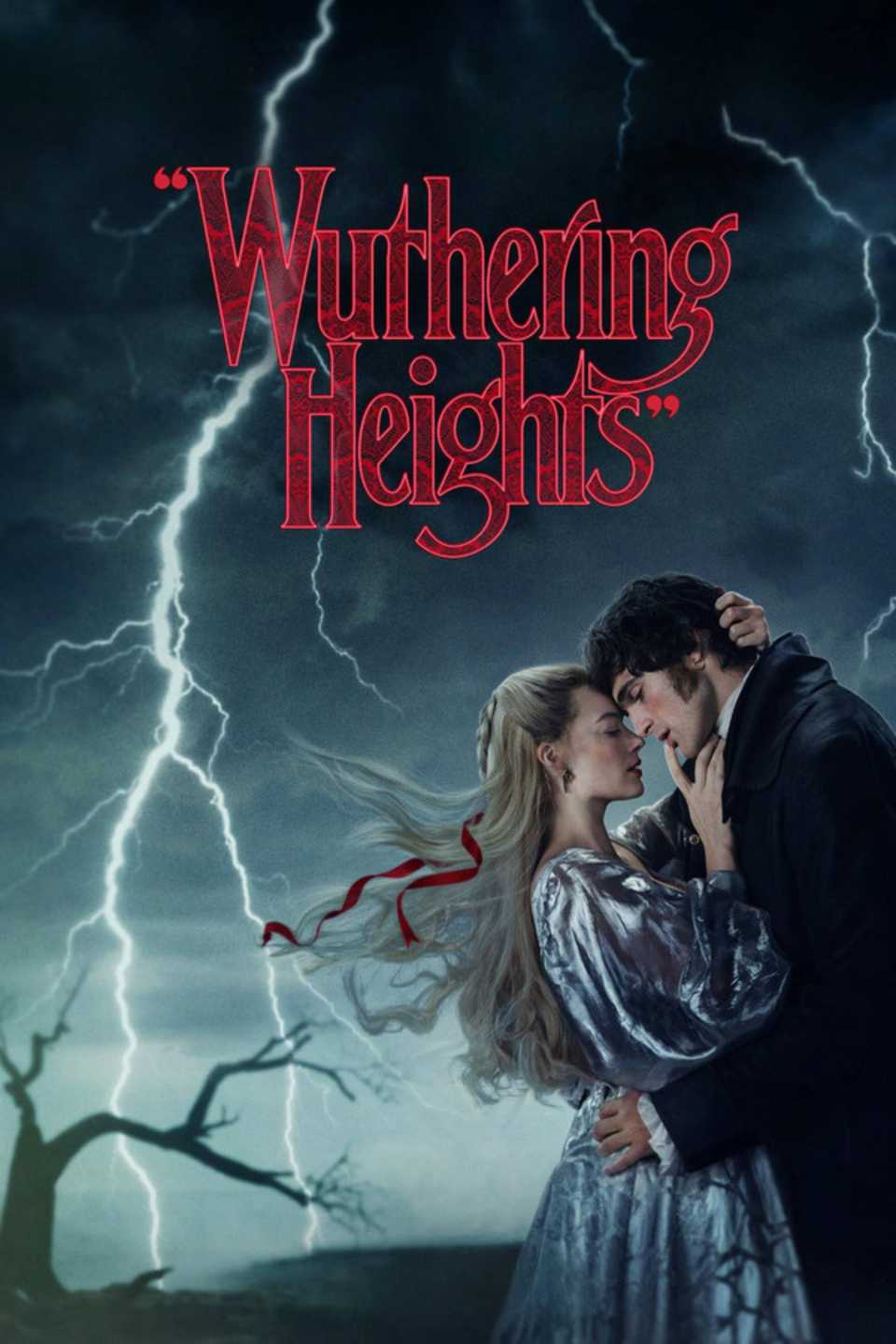
Release Date February 13, 2026
Runtime 136 Minutes
Director Emerald Fennell
-

-

-

-

Alison Oliver
Isabella Linton






 English (US) ·