
 3 weeks ago
31
3 weeks ago
31
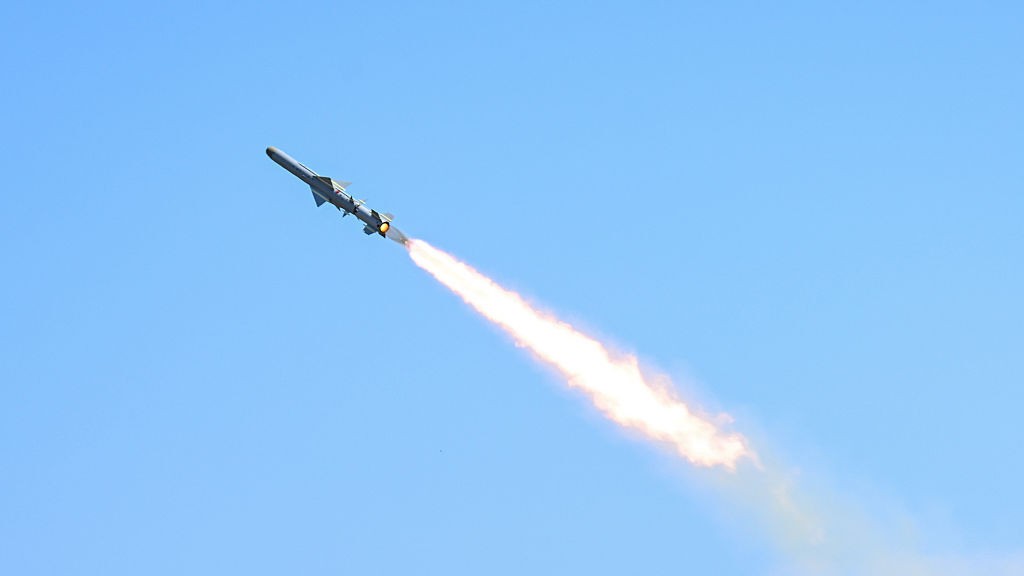
Chromatic 3D materials, an advanced 3D printing materials company, recently announced it had successfully static-fired tested its 3D-printed rocket propellant. The tests, which took place at the integrated solutions for systems (IS4S) test range in Opekia, Alabama, demonstrated that the company's propellant can withstand over 1800 psi of combustion pressures without structural failure. The company describes the development as a “critical milestone in advancing resilient, next-generation propulsion manufacturing for rockets and defense applications.”
Rocket propellants, the high-energy material rocket engines combust and eject to produce thrust, are generally classified by their physical state as liquid, solid, hybrid, and gas — each with its own benefits and drawbacks. Solid propellants offer the benefits of simplicity and readiness, at the expense of efficiency and control, the hallmarks of their liquid counterparts.
Traditionally, solid rockets are made by mixing the propulsion material — fuel and oxidizer — with a binder into a thick slurry, pouring it directly into the prefabricated rocket's casing, and then baking it for days to weeks to cure it into a hard, rubbery rock. A large metal rod, called a mandrel, is typically positioned at the center of the mold before casting and then removed after solidification, leaving a hollow channel for the combustion chamber.
There's also the matter of the mandrel. Casting around a rod and then yanking it out later is crude by today's manufacturing standards. It could lead to cracks, and more importantly, the mandrel significantly limits the shapes that can be cast — a critical limitation, as shape often determines speed and thrust. Lastly, baking and curing are energy-intensive and can take days or weeks.
In doing this, Chromatic has “opened a world of possibilities.” In a solid rocket, the shape of the hollow core in the middle of the fuel determines how it burns and how much thrust it creates. 3D printing enables “impossible” internal shapes that can't be made with a mold, potentially leading to rockets that fly farther or more efficiently.
3D printing the fuel also eliminates the long cure times and the need for complex tooling characteristic of solid fuels, making rocket production faster and more agile — an always-welcome description for the defense supply chain.
Although several 3D printing techniques have proven capable of matching their formative manufacturing counterparts in finished product strength, there were concerns about whether the 3D-printed fuel could withstand the immense pressure of launch. In the recent test, fuel proved that it can indeed handle the heat of a real launch — literally. According to Chromatic, “the propellant achieves energetic loading levels comparable to top-performing conventional propellants while delivering the structural integrity required to withstand high-pressure combustion environment.”
“These results demonstrate that additive manufacturing is not only viable for defense propulsion — it can drive meaningful performance gains across at least 90% of the U.S. rocket arsenal,” said Dr. Cora Leibig, Founder and CEO at Chromatic 3D Materials. “We’re showing that it’s possible to maintain compatibility with existing systems while opening the door to rockets that fly farther, hit harder, and can be produced faster.”

Follow Tom's Hardware on Google News, or add us as a preferred source, to get our latest news, analysis, & reviews in your feeds.








 English (US) ·