
 3 weeks ago
28
3 weeks ago
28
History books love the big moments—the wars, the speeches, the famous faces frozen in victory poses. But real history? That lived in the quiet corners. In side streets, backyards, factory floors, and crowded train platforms. That’s where these 33 vintage photos hit different. They don’t shout. They whisper. And somehow, that makes them louder.
These old photographs capture everyday life when no one thought it mattered. Kids hustling coins on dusty sidewalks. Workers clocking out, faces tired but proud. Couples sharing glances that never made it into textbooks. There’s something raw here—unfiltered, imperfect, and deeply human. These images weren’t staged for legacy. They were snapped because someone felt the moment was worth remembering, even if the world didn’t agree yet.
What makes these photos powerful isn’t just nostalgia—it’s truth. You see how people dressed when cameras weren’t watching for history. How they laughed, rested, protested, waited, survived. Famous events feel closer when you spot ordinary people in the background, living their normal lives while history unfolded around them. Famous people, too, feel more real when caught off-guard, mid-thought, mid-life.
These forgotten frames remind us that history isn’t just made by leaders and legends—it’s built by everyday folks showing up, day after day. And sometimes, one old photo does more explaining than a hundred pages ever could.
#1. On November 30, 1964, Sir Winston Churchill turned 90. The man who had led Britain through its darkest hours during World War II now sat surrounded by his family at his Hyde Park Gate home in London.
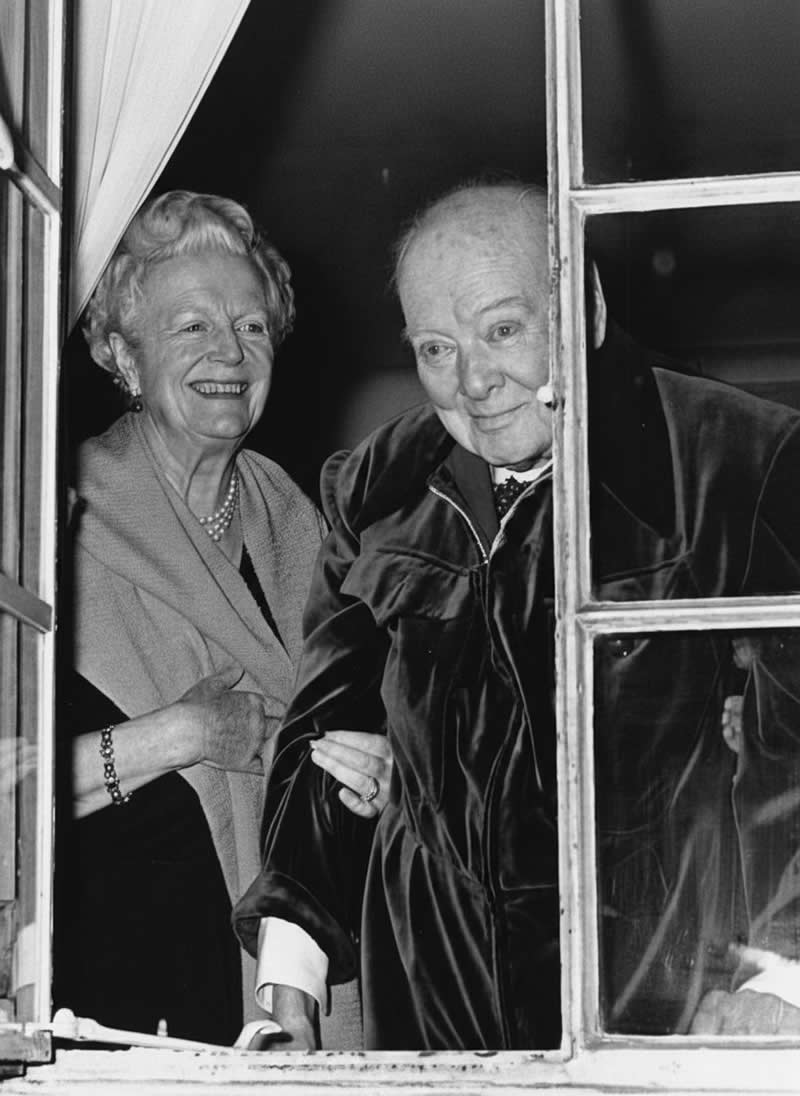
Image Source: Olden History
#2. In 1861, a family is captured gathered at a tent camp in Washington, offering a glimpse into life during a turbulent period in American history.
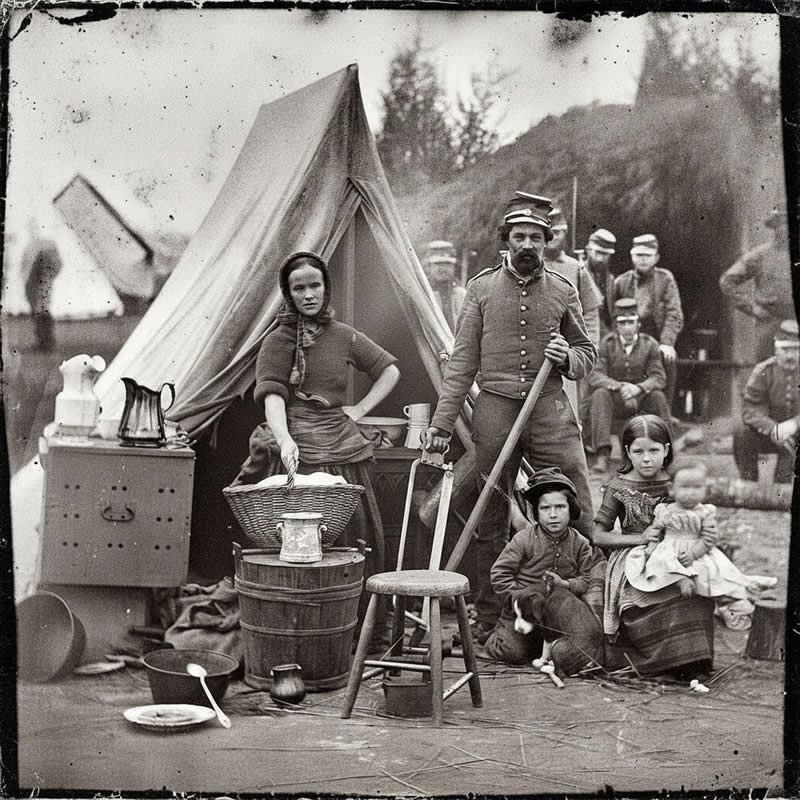
Image Source: Olden History
#3. A farmer’s wife dishes up homemade meatballs made from their own hogs and canned the previous winter in Pie Town, New Mexico, 1940.
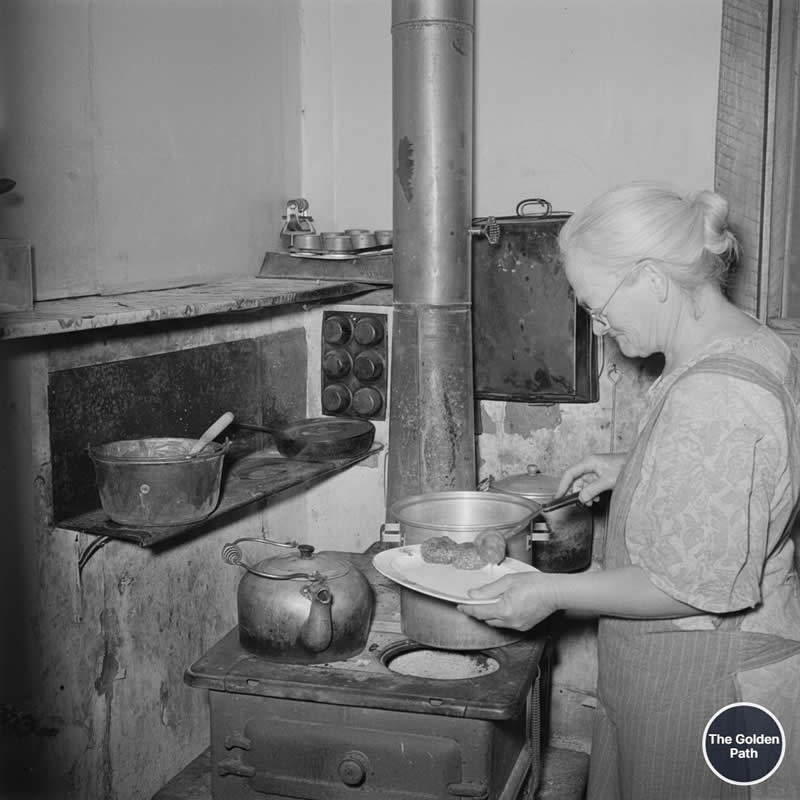
Image Source: Olden History
#4. Before she became Barack Obama’s mother at the age of 18, Ann Dunham was a high school student described by her friends as "intellectually way more mature than we were and a little bit ahead of her time, in an off-center way" and "the original feminist."
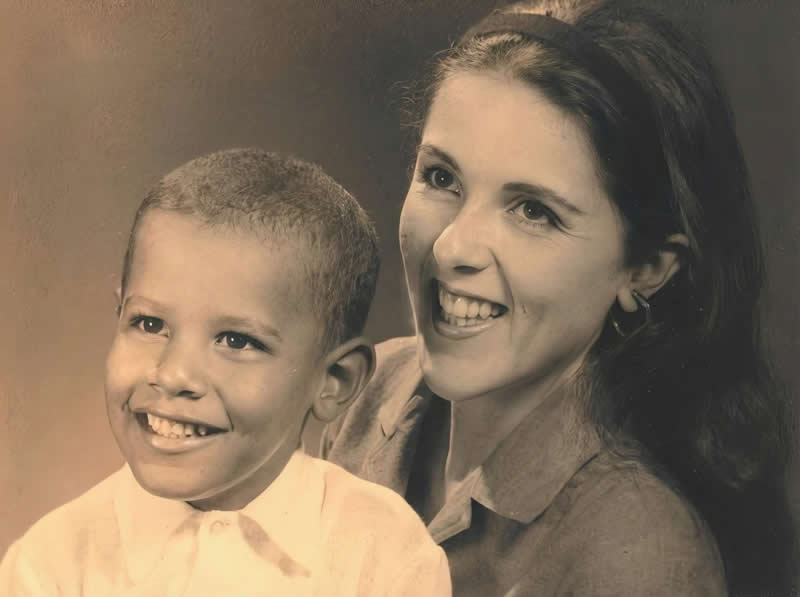
Image Source: Olden History
#5. The Timbered Heights of New Mexico. From the flat plains of Texas, the road often climbed into the rugged, timbered mountains of New Mexico.
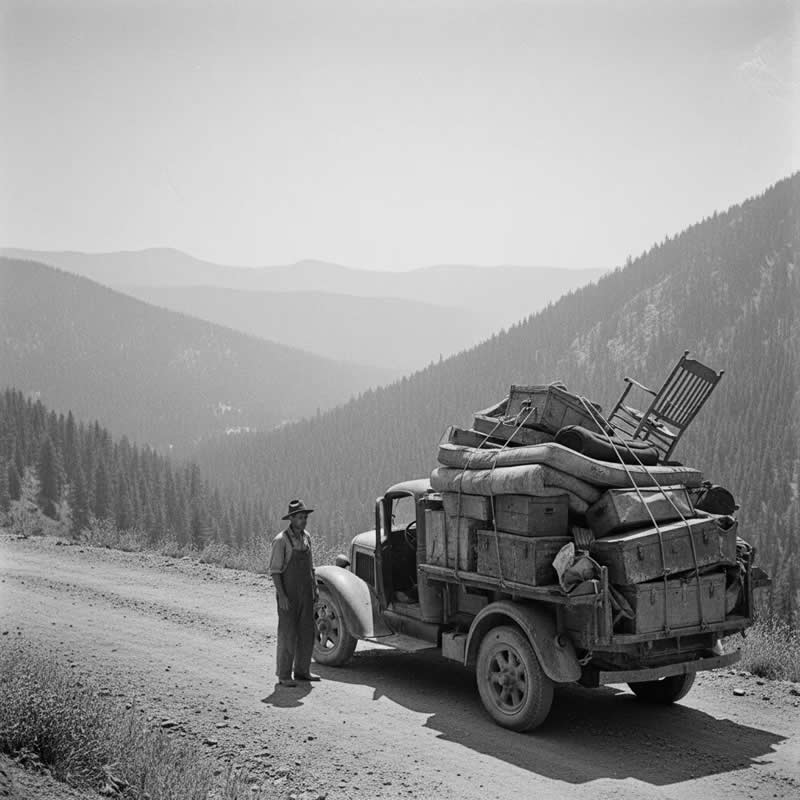
Image Source: Olden History
#6. A mail carrier with her horse in Los Angeles, California, circa 1915.
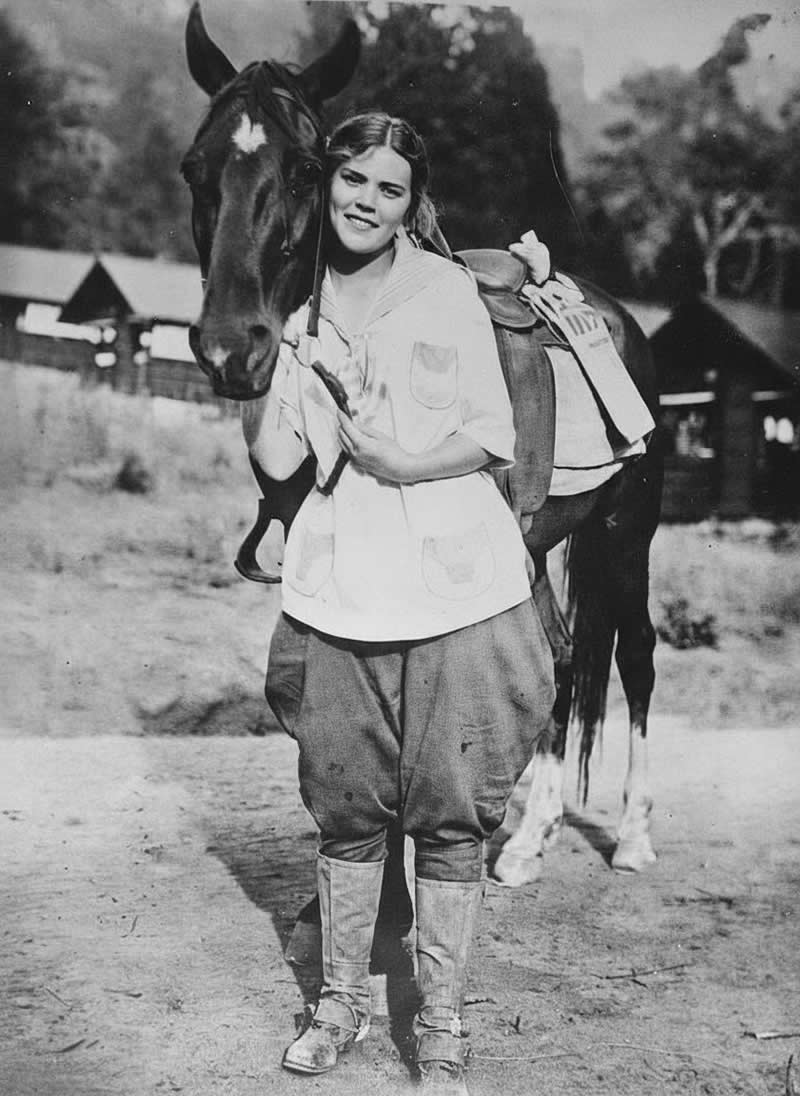
Image Source: Olden History
#7. Selection and the Instant Loss of Life. Selection was one of the most terrifying features of Auschwitz-Birkenau. Upon arrival, prisoners were forced into lines where SS officers made rapid decisions about who would live temporarily and who would die immediately.
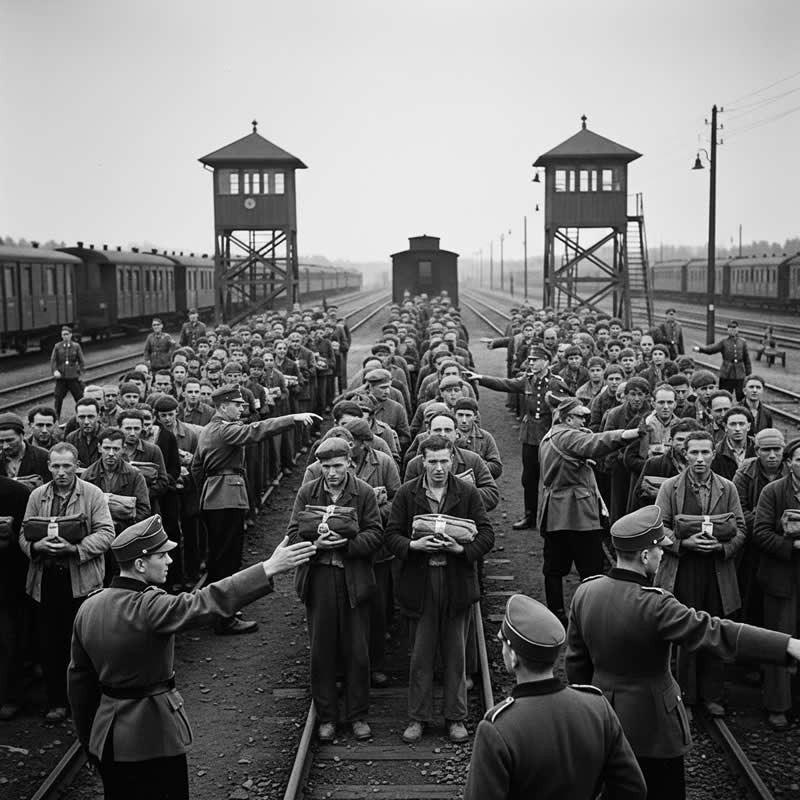
Image Source: Olden History
#8. During the Great Depression, community support was a lifeline for rural families. With cash scarce and resources limited, neighbors relied on each other to survive.
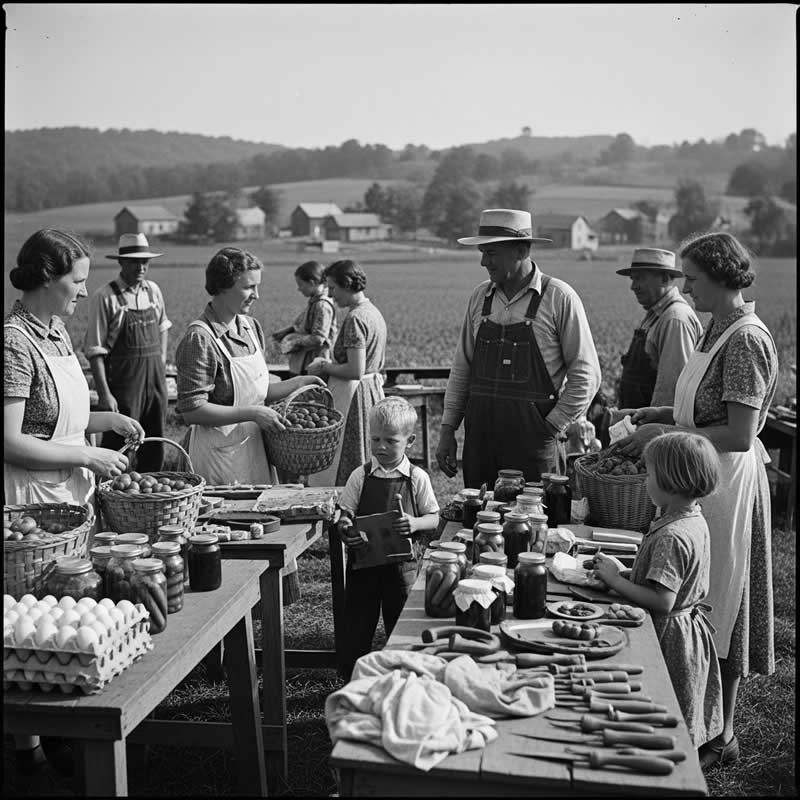
Image Source: Olden History
#9. George Harrison stands at the gates of Friar Park, looking at what everyone else calls a disaster.
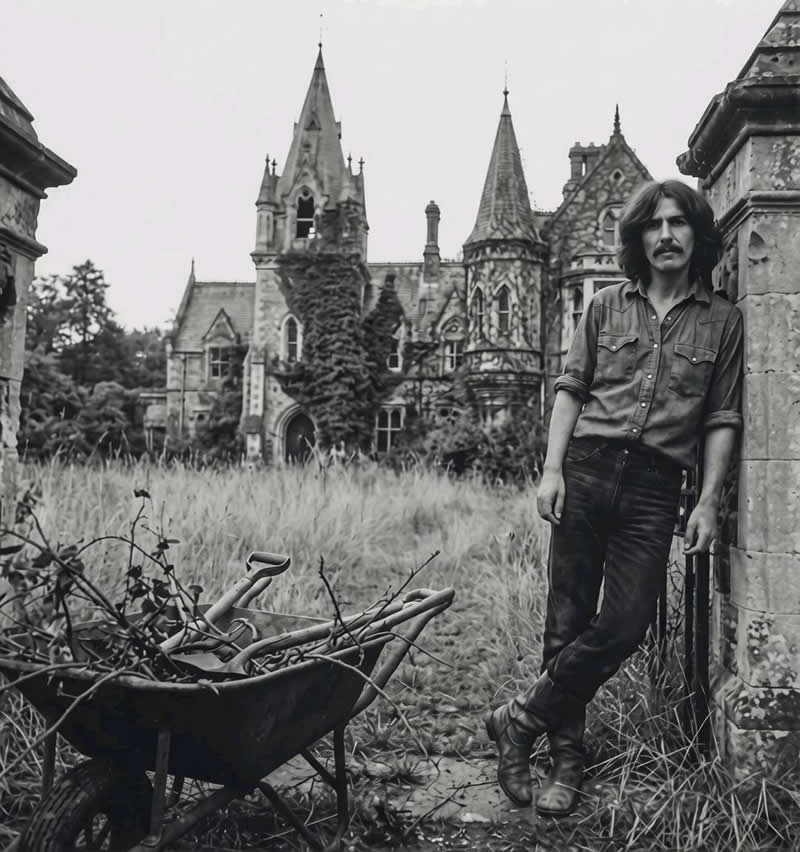
Image Source: Olden History
#10. She was brand new at her job when a drug company demanded approval for their blockbuster pill. Her refusal saved thousands of lives. September 1960. Washington D.C.
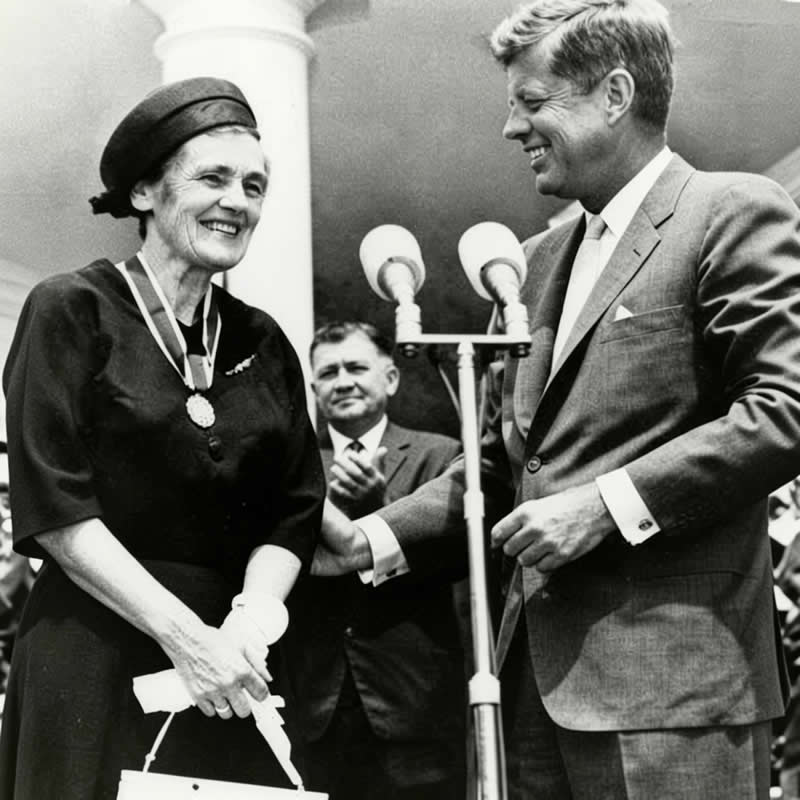
Image Source: Olden History
#11. Cherokee women could end a marriage by setting their husband’s belongings outside the door.
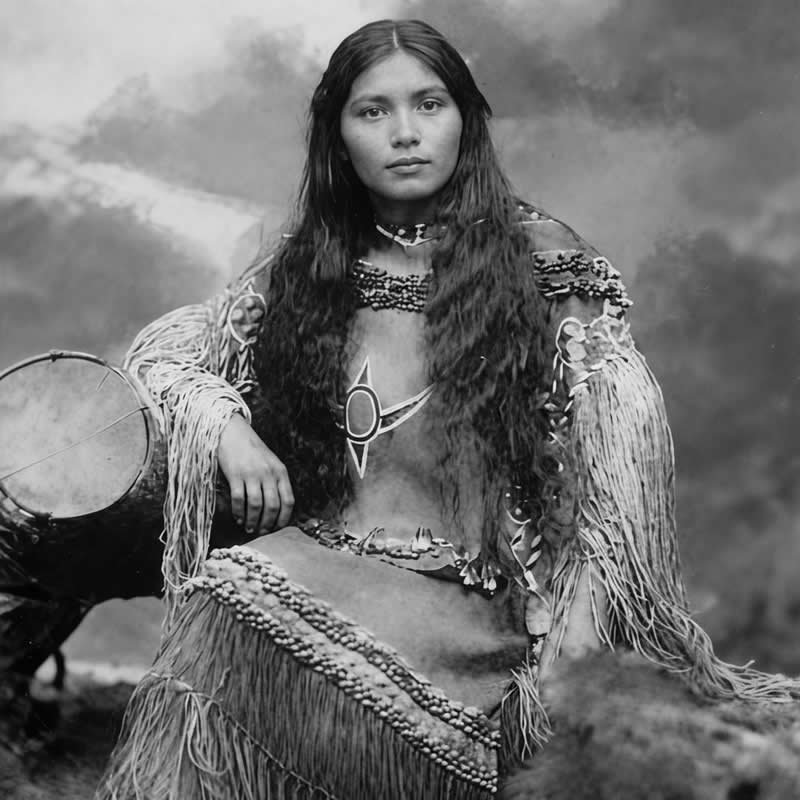
Image Source: Olden History
#12. He was the most famous athlete in Italy. The Nazis never suspected his bicycle was saving hundreds of lives.

Image Source: Olden History
#13. He wrote it in 3 days while dying of tuberculosis. His wife made him burn it. He rewrote it in 6 more days—possibly high on cocaine prescribed for his hemorrhaging lungs. It became the most famous horror story ever written.
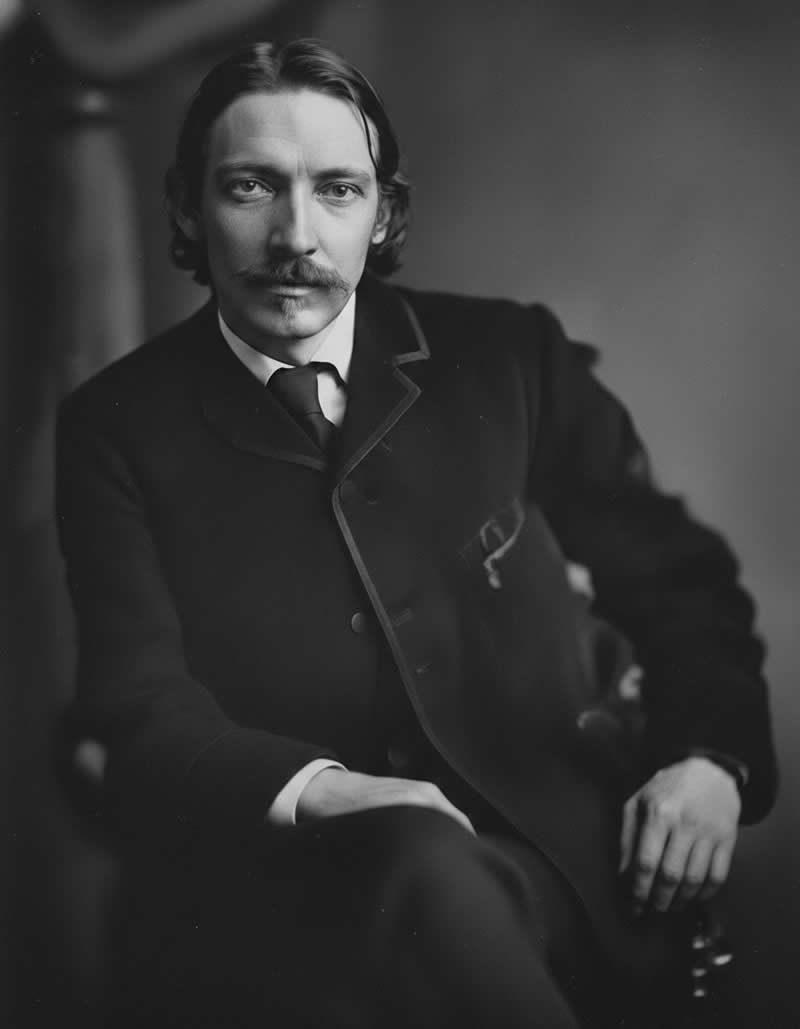
Image Source: Olden History
#14. A farmer and his young son stand outside their home in Malheur County, Oregon, 1939, with the family dog lying on the ground behind them.
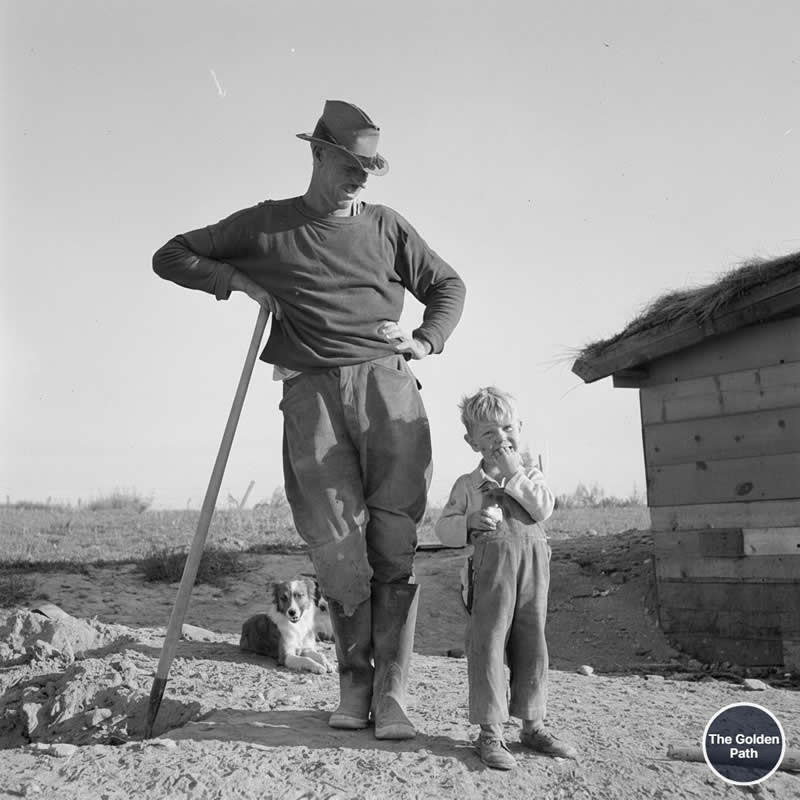
Image Source: Olden History
#15. We lost another music star. Chuck Negron, one of the founding members of Three Dog Night, died today at his home in Studio City. He was 83.
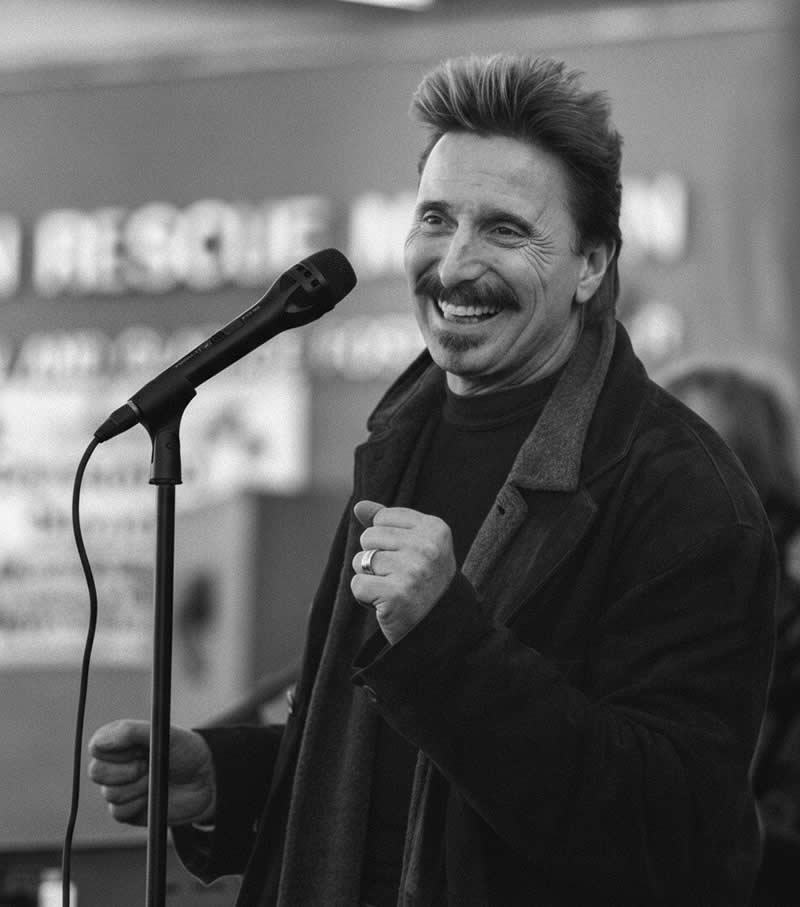
Image Source: Olden History
#16. Auschwitz, September 1944 — Timing for Resistance. By 1 September 1944, Auschwitz was tense and unstable. Guards grew anxious, orders shifted unpredictably, and the distant rumble of the Soviet advance signaled change. For the Sonderkommando, this was both peril and opportunity.
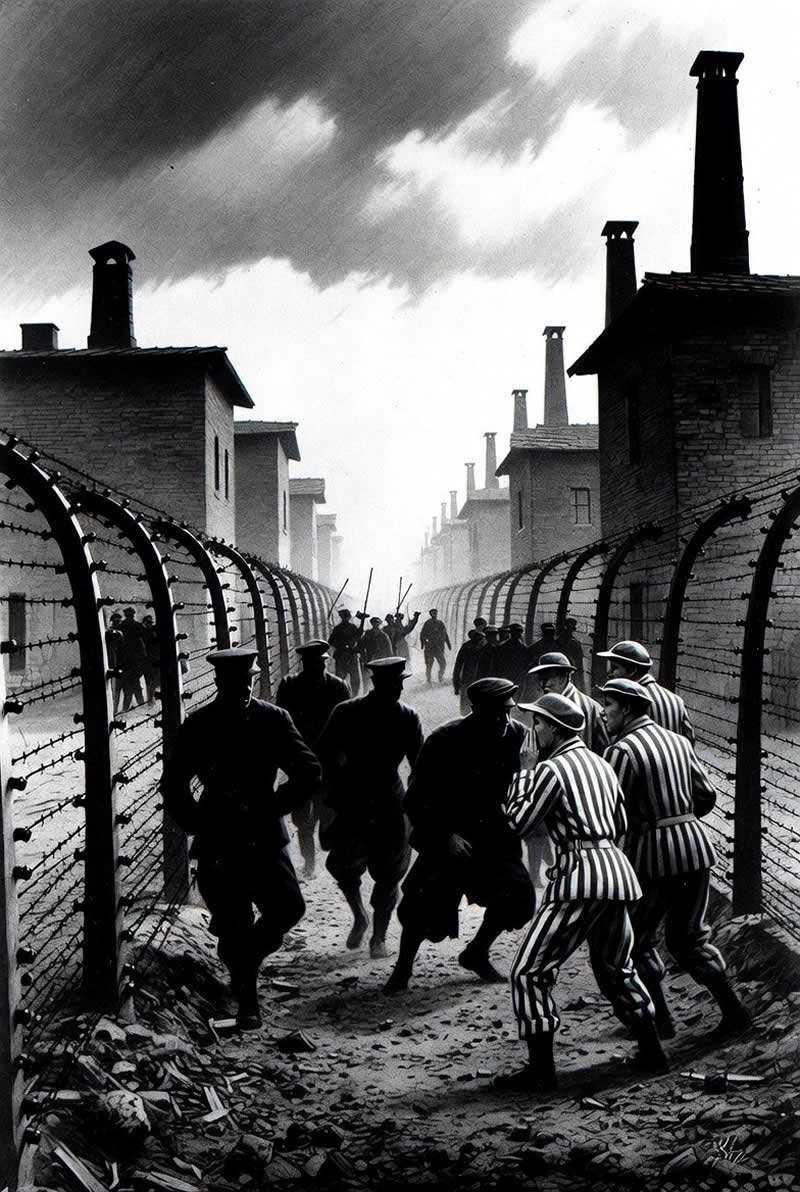
Image Source: Olden History
#17. María Juana had arrived at the San Cristóbal sugar mill on the outskirts of Havana when she was barely twelve years old. Now, at thirty-two, her back bore the scars of twenty harvests under the merciless Caribbean sun, and her hands knew every furrow of that land soaked in other people’s sweat.
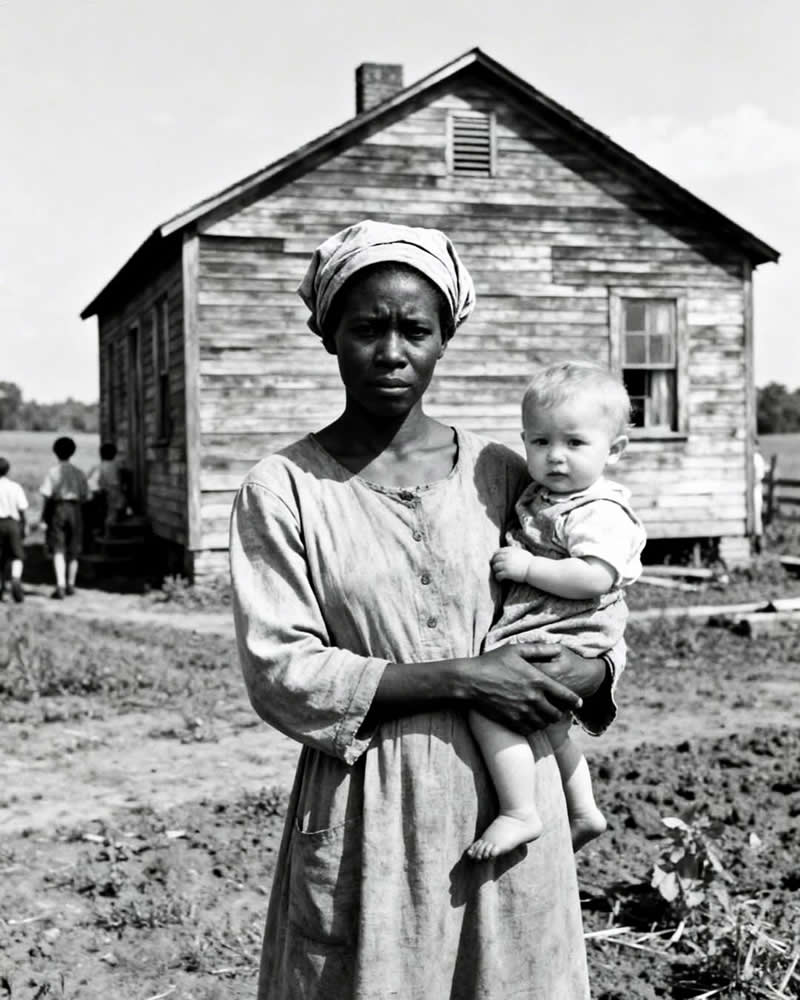
Image Source: Olden History
#18. In late December 1944, 22-year-old guerrilla warfare specialist Lieutenant Hiroo Onoda of the Imperial Japanese Army was deployed on Lubang Island in the Philippines, to command guerilla warfare operations on the island.
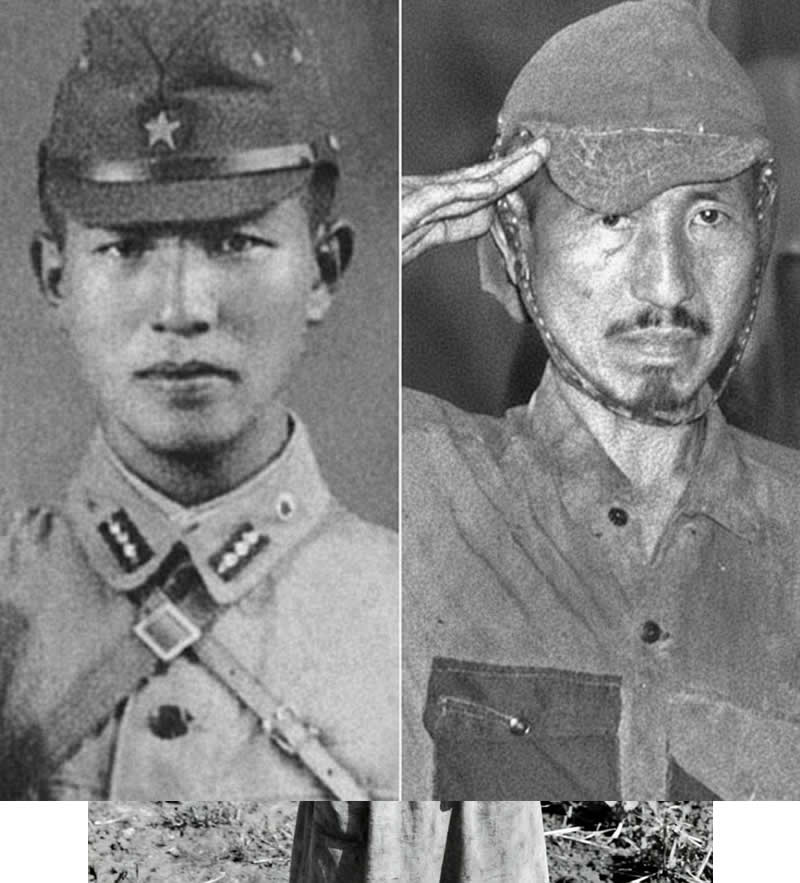
Image Source: Olden History
#19. A Day in an Early American Bakery. Bakers woke before dawn to prepare bread for townspeople. The smell of fresh bread filled streets, making bakeries an essential part of daily life.
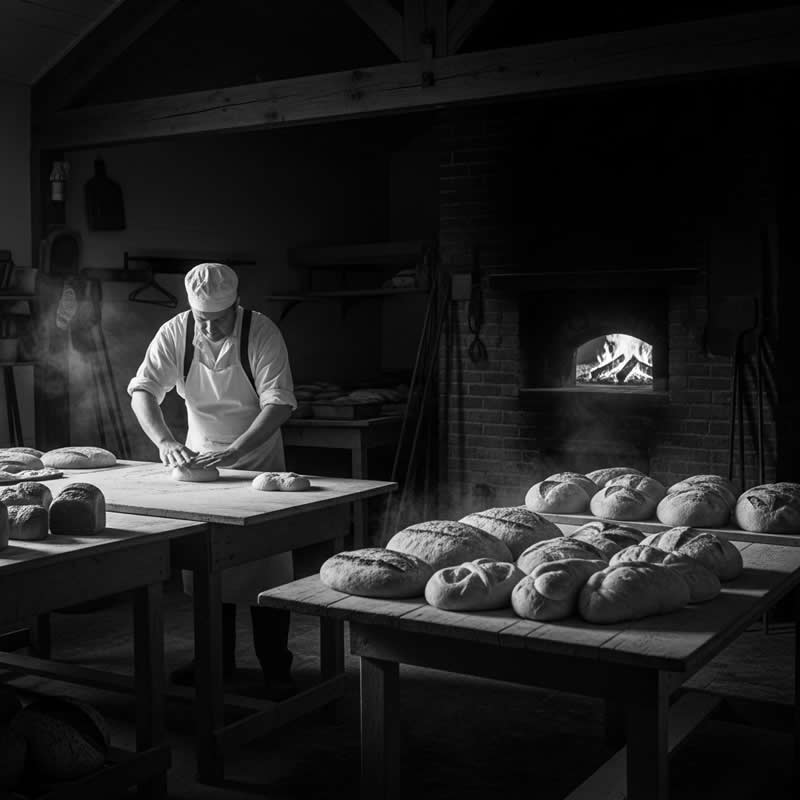
Image Source: Olden History
#20. I was out in Montana in 1992, living out of the back of my pick-up with a fly rod and a Coleman stove, when I got a call from my agent.
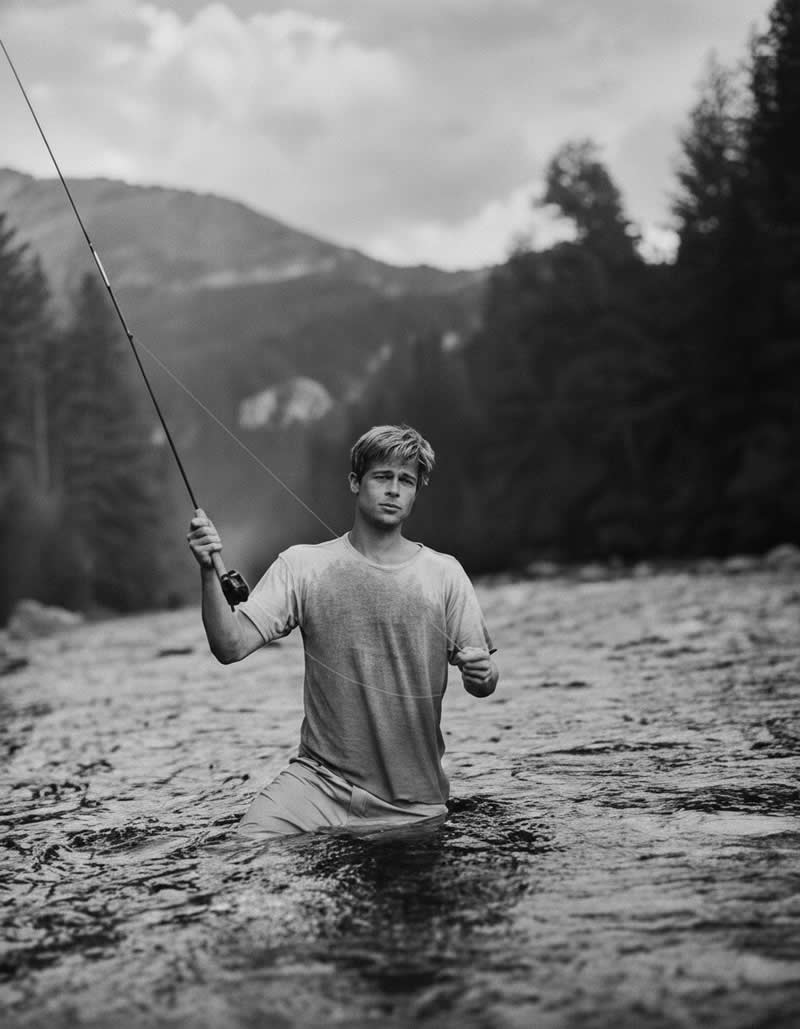
Image Source: Olden History
#21. Moments before her execution, she smiled at her captors—and 54 years later, the Japanese commander who ordered her death couldn’t forget her face.
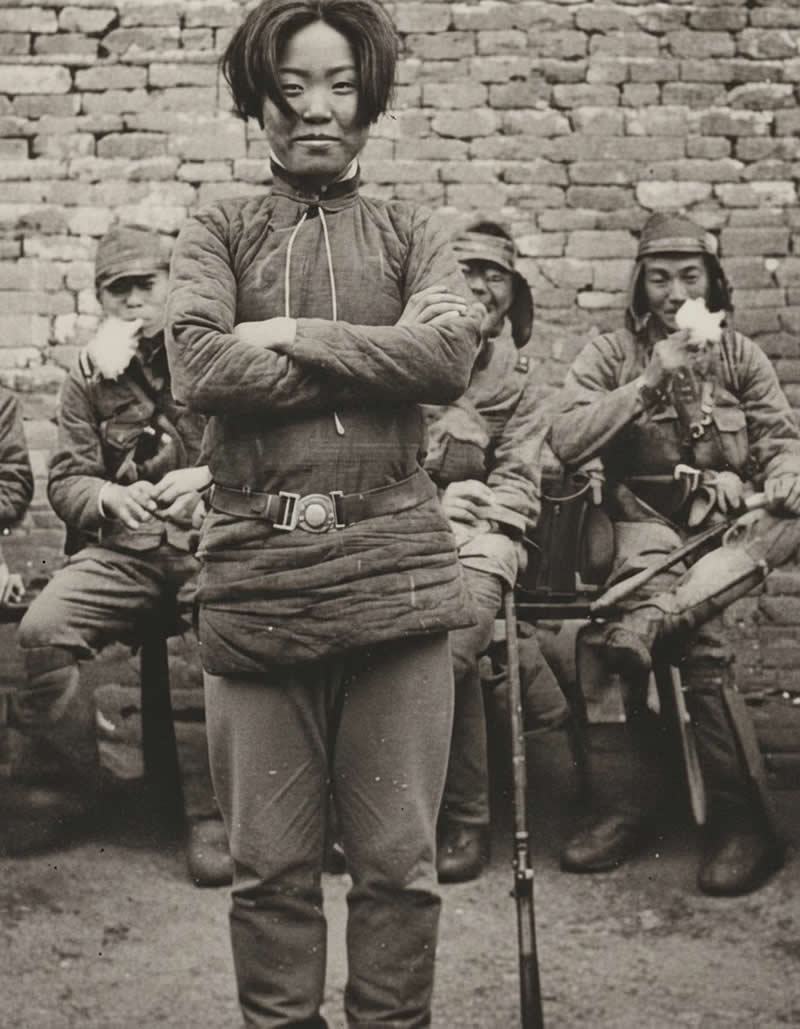
Image Source: Olden History
#22. The Solitary Quest. This image captures a lone miner walking away from the camp into the desolate, mountainous landscape, carrying his tools, symbolizing the solitary nature of the prospector’s life and the endless search for the next strike.

Image Source: Olden History
#23. In the stark light of a dusty street in 1930s China, a man convicted of murder stands locked inside a wooden cage — a cangue — while villagers drift past with cautious, unsettled eyes. This was justice in its most merciless form: not a quick end, but a slow unraveling of the human body.
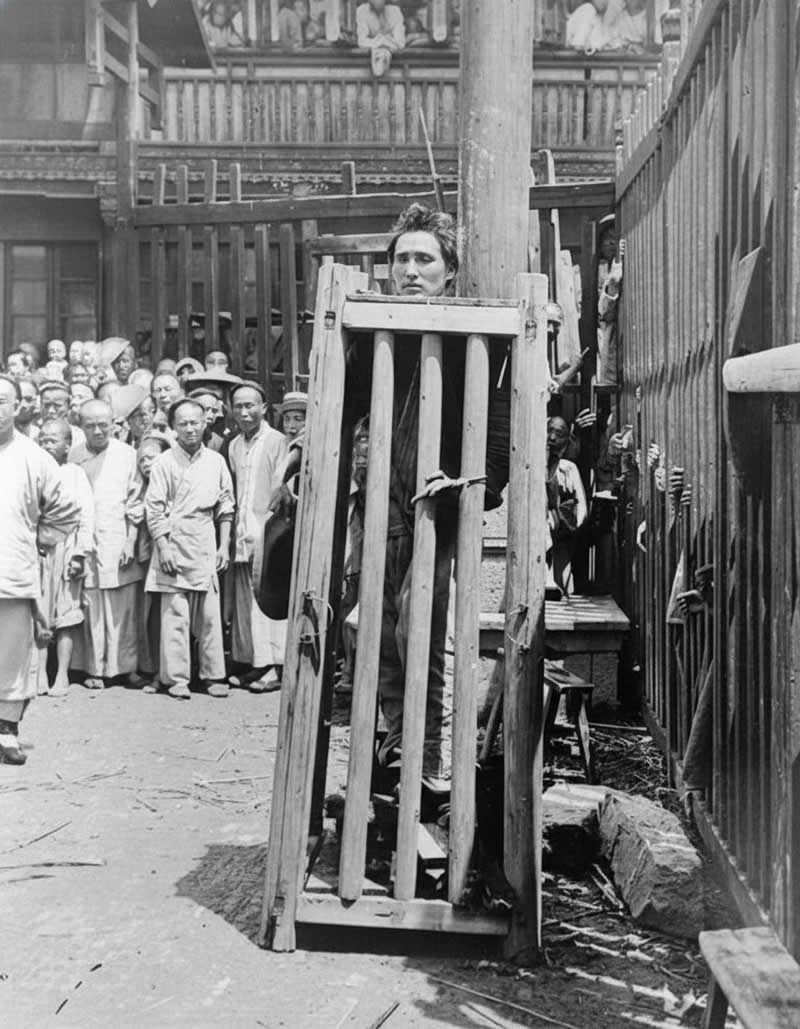
Image Source: Olden History
#24. Claude Monet in his house at Giverny, c. 1915-20
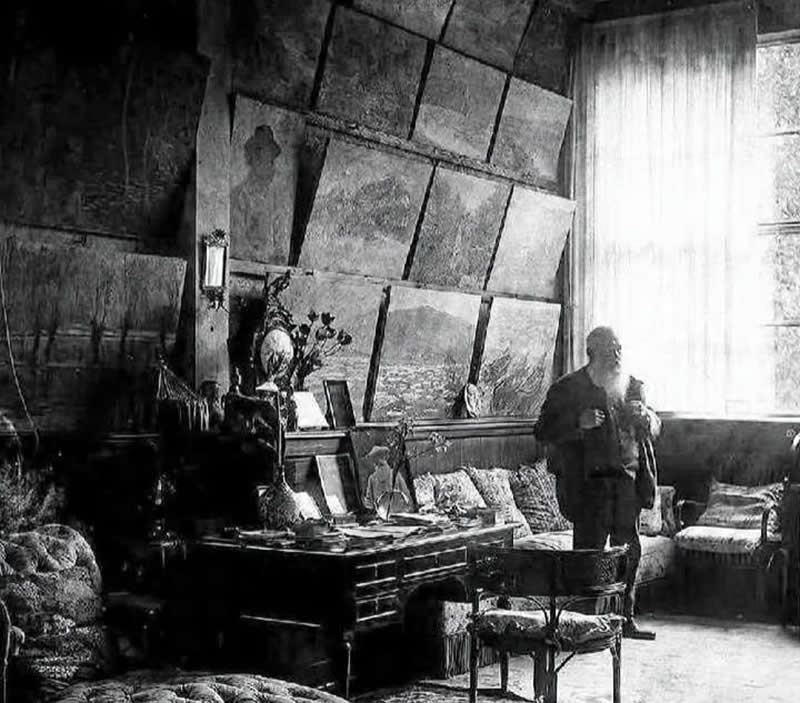
Image Source: Olden History
#25. This striking photograph, taken around 1916, captures female firefighters in action in London during World War I. Dressed in practical uniforms, the women are seen handling hoses and equipment with focus and determination—tasks traditionally performed by men before the war.
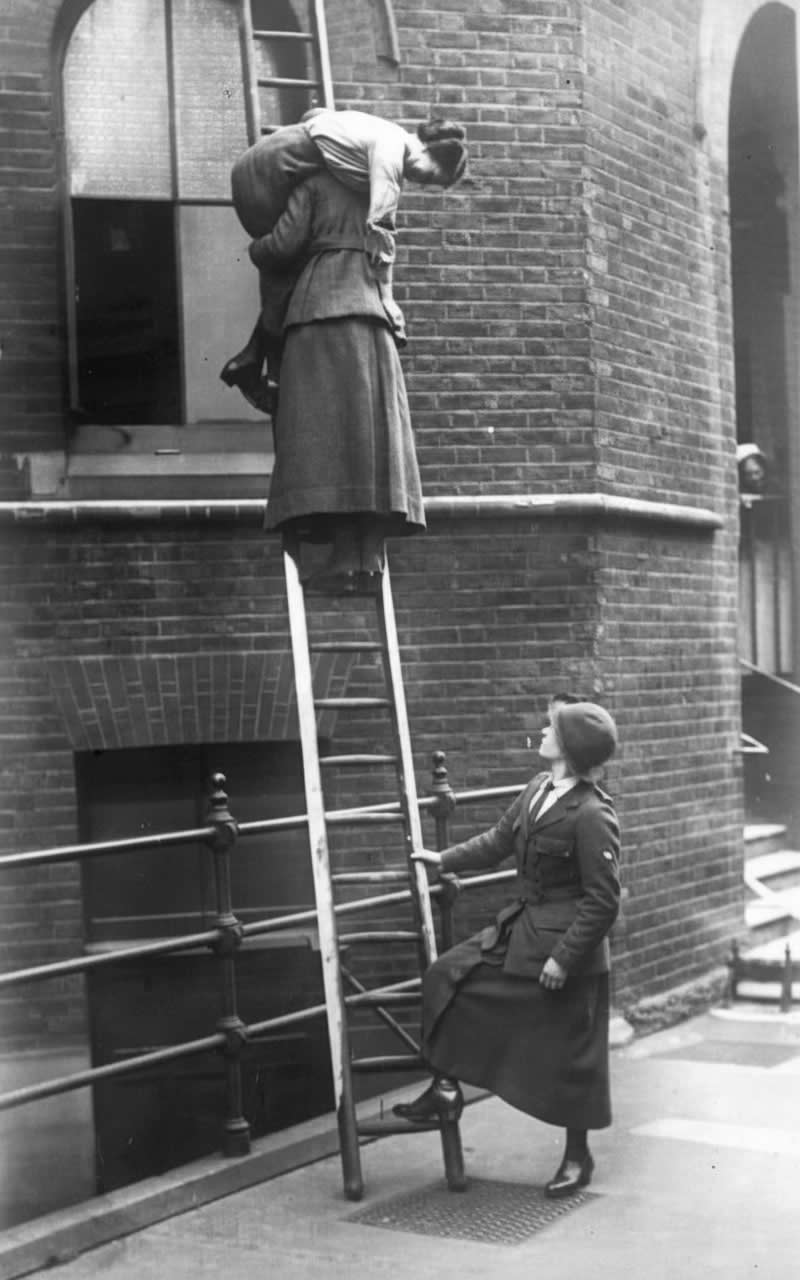
Image Source: Olden History
#26. Mountain School Teachers’ Journeys. In remote mountain regions, teachers played a vital role in sustaining education despite extraordinary challenges.
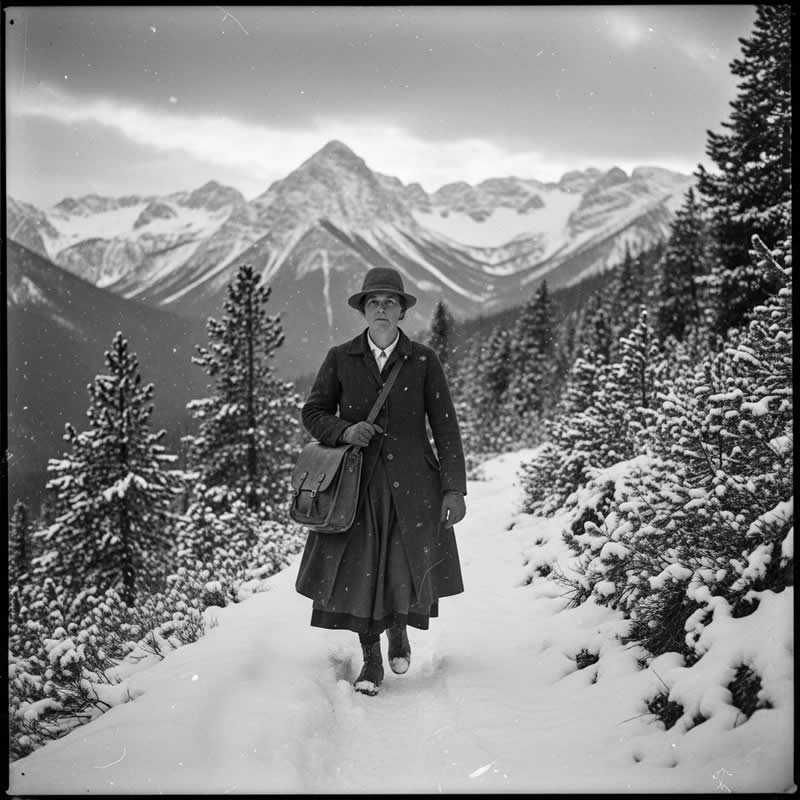
Image Source: Olden History
#27. She was brand new at her job when a drug company demanded approval for their blockbuster pill. Her refusal saved thousands of lives. September 1960. Washington D.C.
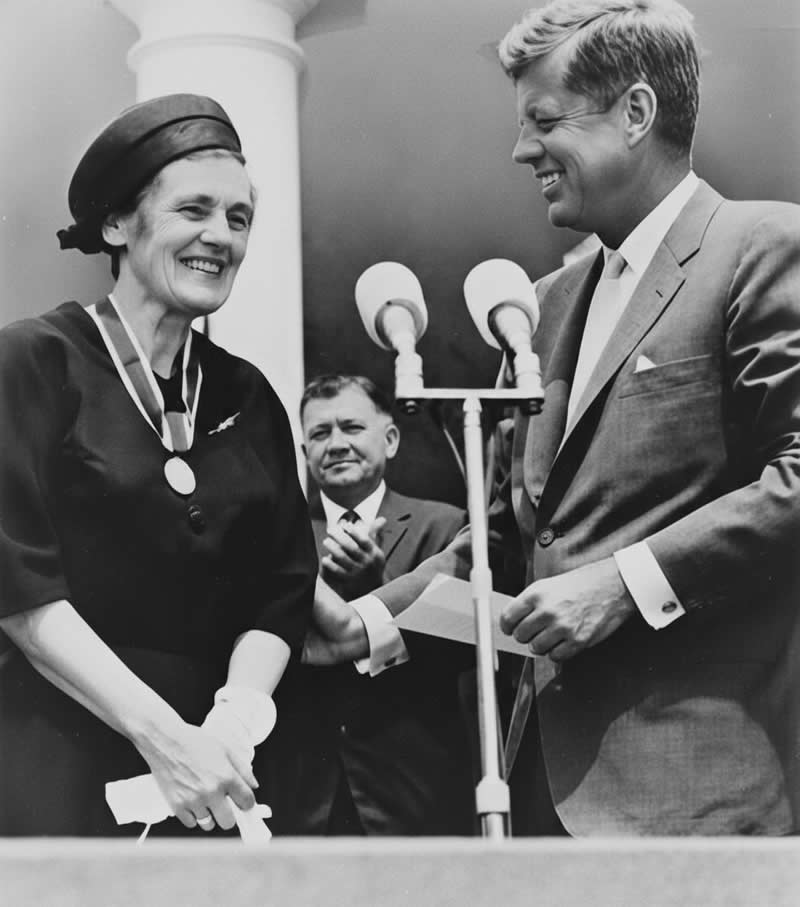
Image Source: Olden History
#28. Taken around 1901, this photograph shows a group of Italians in Saffron Hill, Clerkenwell—an area known as the heart of London’s Italian community at the time.
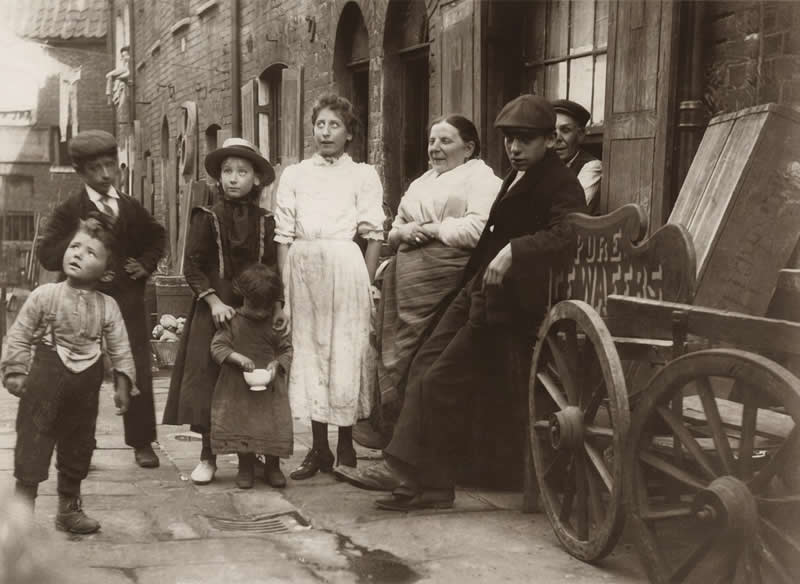
Image Source: Olden History
#29. In 1963, a young Bill Clinton met President John F. Kennedy during a Boys Nation visit to the White House—an encounter that would become one of the most iconic early photographs in modern American political history.
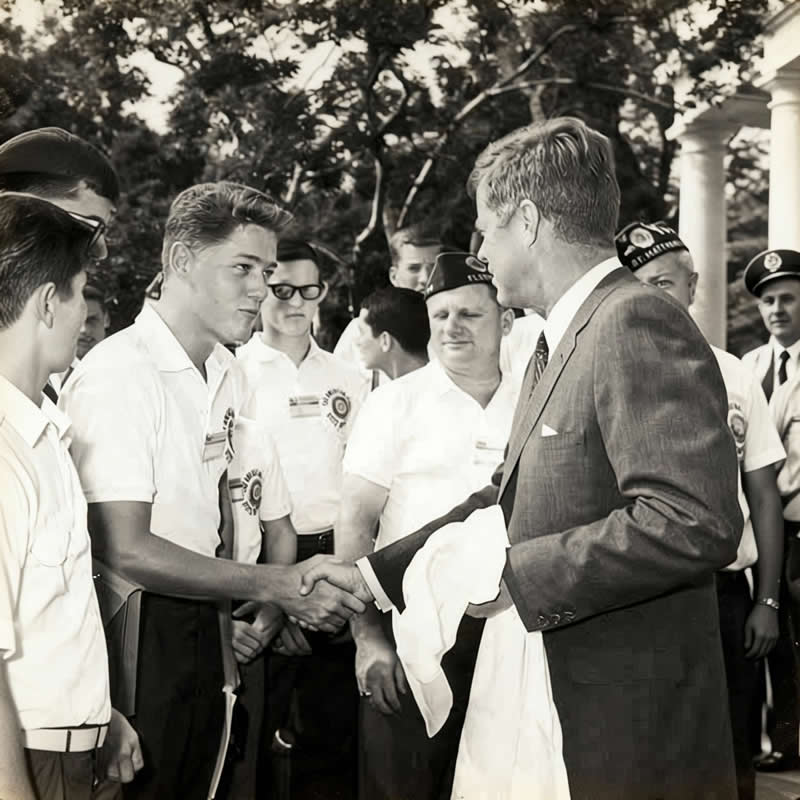
Image Source: Olden History
#30. When people saw photographer William Mullins arriving by foot or bicycle, they’d shout, "The pictureman is coming; here comes the pictureman!"
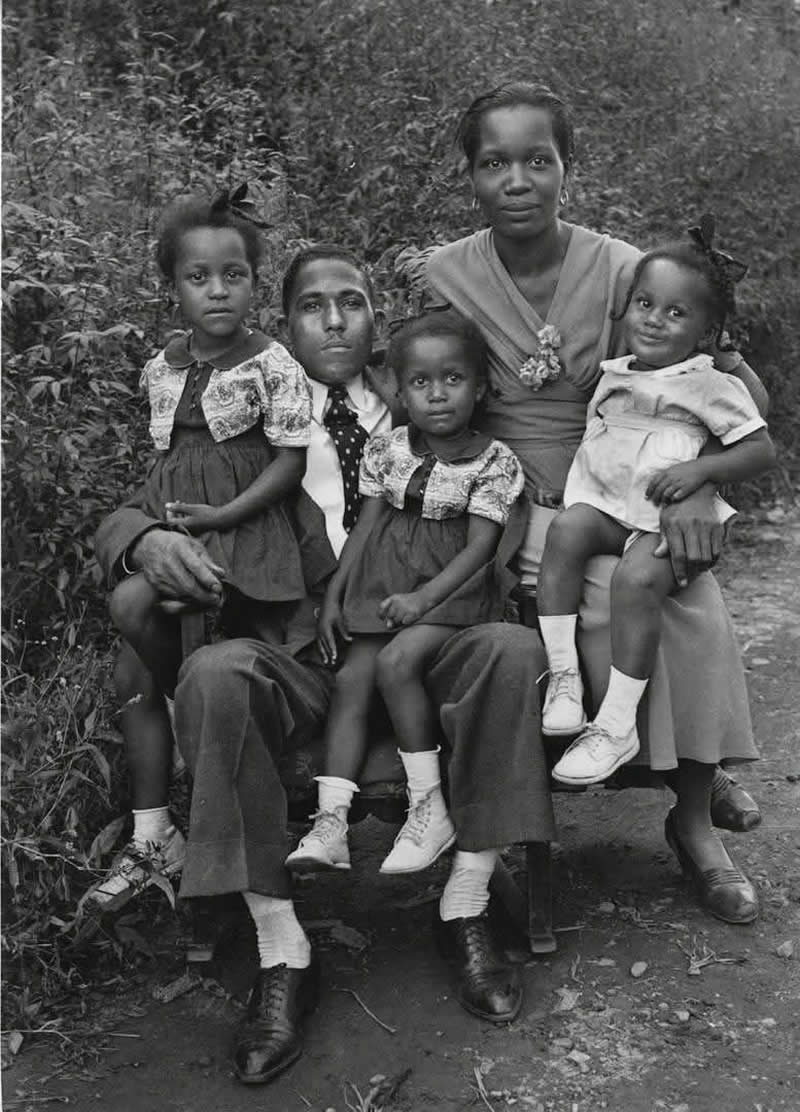
Image Source: Olden History
#31. Eighteen-year-old Elizabeth Cochrane was living in Pittsburgh when the local newspaper published an article titled “What Girls are Good For” (having babies and keeping house was the answer, according to the article).
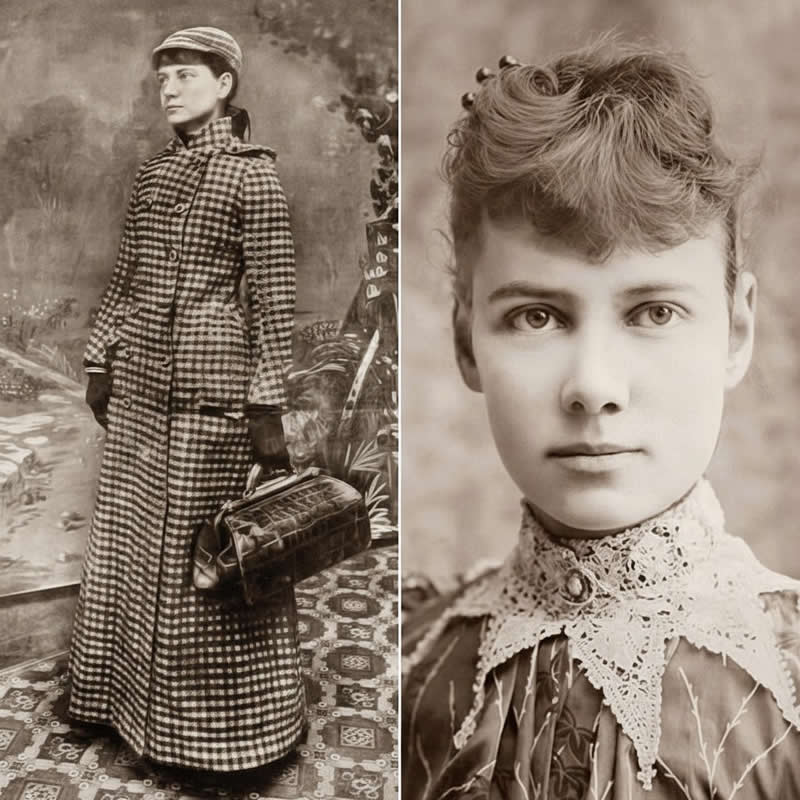
Image Source: Olden History
#32. The cabin was already stifling, the lingering heat from the old cook stove settling like scalding water in the cramped one-room space with its low ceiling.

Image Source: Olden History
#33. Lily ebert an absolute legend of a lady, a holocaust survivor, a teacher, and author, a wife, a daughter, a sister, a grandmother, a great grandmother, a great great grandmother passed away today at 100 years old!
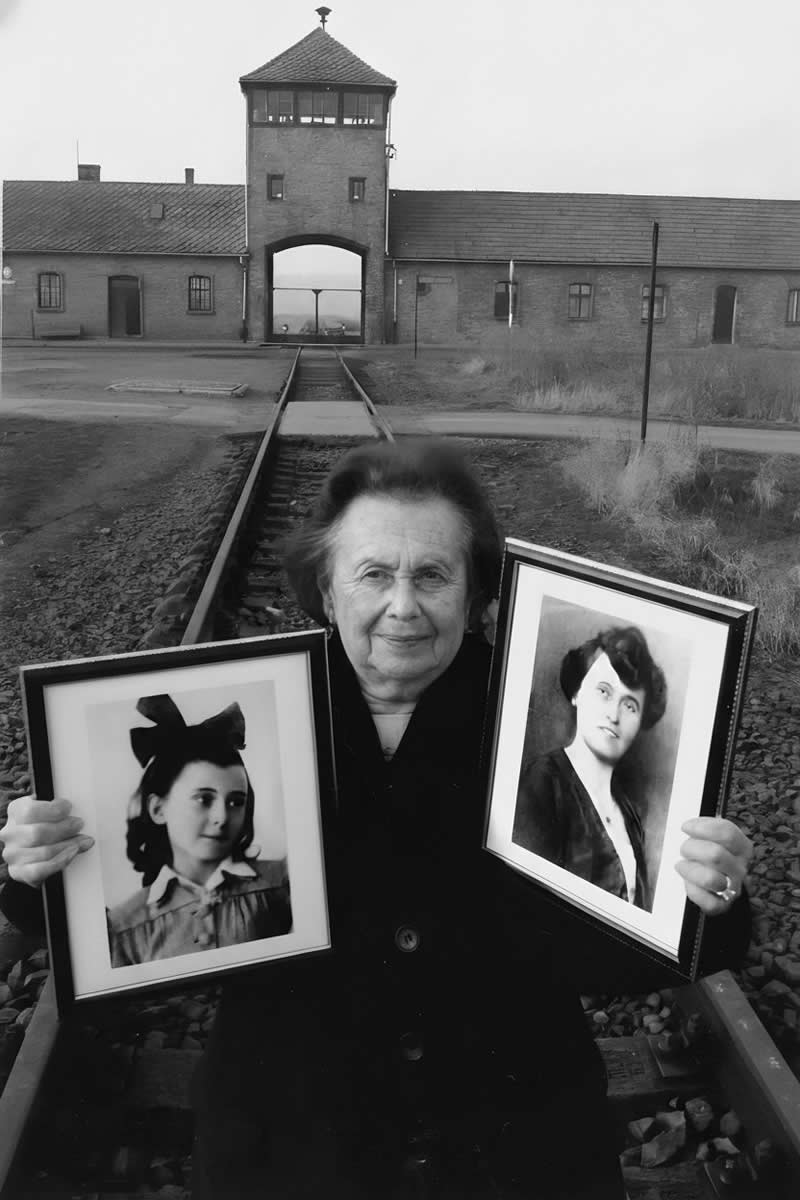
Image Source: Olden History
In Summary
What are vintage photos?
- Vintage photos are old photographs that capture people, places, and moments from the past, often showing daily life and historical events.
Why are old photos important to history?
- They reveal real-life details, emotions, and perspectives that written records and textbooks often overlook.
Do these photos include famous people?
- Yes, some images feature famous figures, but many focus on ordinary people living through historic times.
What can we learn from historical photos?
- They help us understand fashion, culture, social norms, and the everyday experiences of people from different eras.
Why do forgotten photos matter today?
- They humanize history and remind us that every generation lived complex, meaningful lives beyond major headlines.





![20 Years Later, One of the Best Sitcoms of the 21st Century Returns With Hilarious First Look [Exclusive]](https://static0.colliderimages.com/wordpress/wp-content/uploads/2026/02/malcolm-in-the-middle-life-s-still-unfair-feature.jpg?w=1600&h=900&fit=crop)

 English (US) ·