
The 1990s saw a resurgence in truly innovative American cinema that marked a return to the stylistic sensibilities of the 1970s. Although there was still a tremendous amount of big budget action films and comedies, the ‘90s was the first instance in cinematic history in which independent films became easily accessible for audiences outside of coastal cities. As a result, the marketplace opened up for filmmakers to deliver unconventional projects to an audience that was previously not exposed to them.
1996 was an excellent year that saw a wide variety of films succeeding, as Independence Day broke box office record to become the second highest-grossing film of all-time, behind Jurassic Park. In just 30 years, many of the standout films from this year have been accepted as contemporary classics, and have come to influence many other masterpieces that followed in their wake.
10 ‘Jerry Maguire’ (1996)
 Image via Sony Pictures Releasing
Jerry Maguire is the definitive romantic comedy of the ‘90s because it took the sports film concept and turned it into something more. While on its surface Jerry Maguire might seem like a typical “meet cute,” it actually has something profound to say about those who seek independence outside of the confinements of their employers and workplace culture.
Tom Cruise solidified himself as the the definitive movie star of the decade with Jerry Maguire, which was released the same year that Mission: Impossible launched and became the only spy franchise to truly rival James Bond. A number of the film’s quotes have been homage, referenced, and parodied in the years since its release, but that doesn’t change the fact that Renee Zellweger’s delivery of “you had me at hello” is an all time great rom-com moment that still holds up.
9 ‘Secrets and Lies’ (1996)
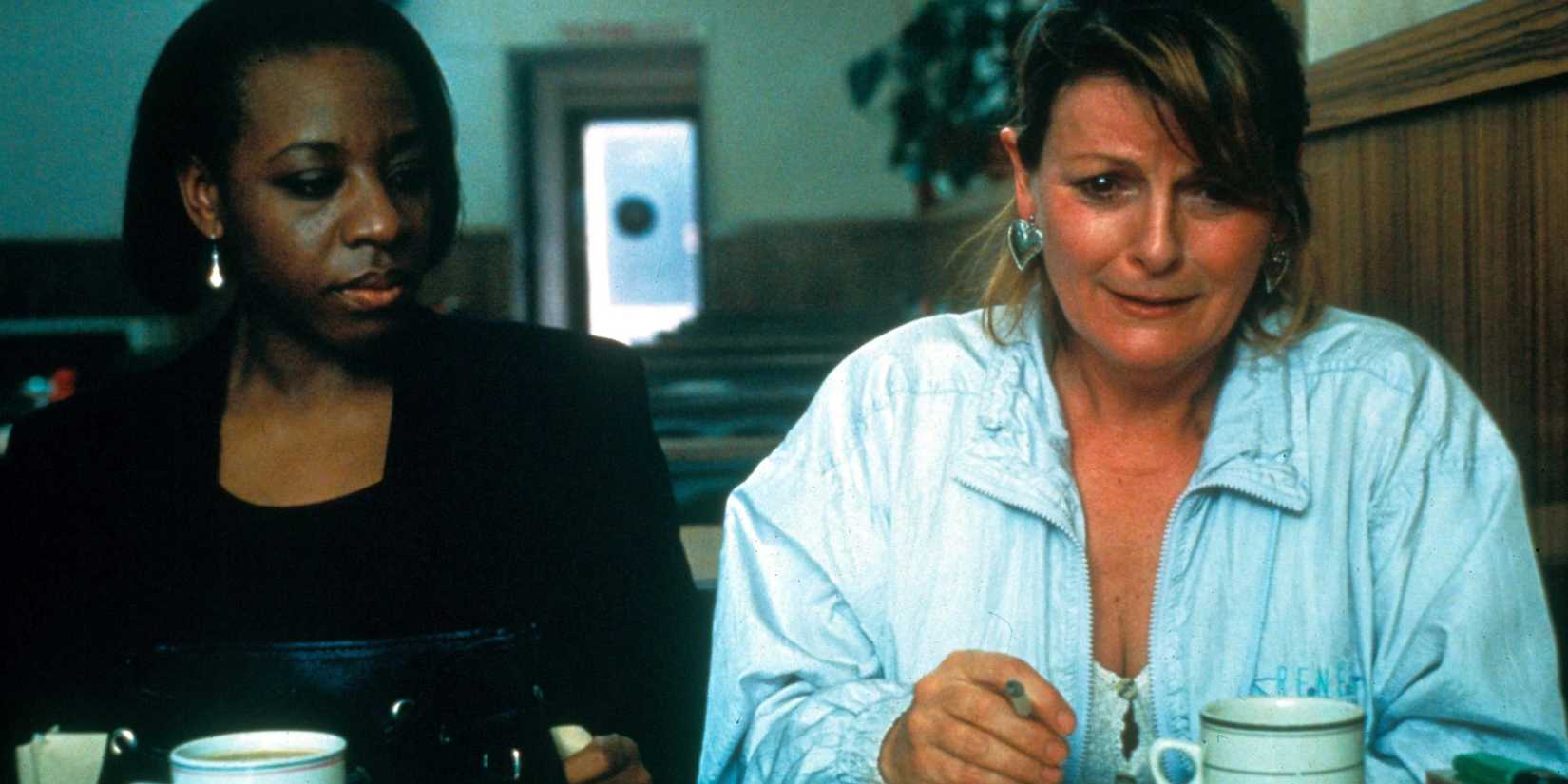 Image via October Films
Secrets and Lies was hardly the first great film from Mike Leigh, but it was a major breakthrough in terms of getting his work seen by a broader audience. Leigh has often taken an interest in the way that perspective, class, race, and upbringing affect family, and Secrets and Lies is an appropriately sobering drama about the connections that are worth holding on to.
Leigh’s films have always had unconventional productions due to his aptitude for realism, but Secrets and Lies boasted a major discovery in Marianne Jean-Baptiste, whose performance stole the film and became a major topic of conversation. Secrets and Lies might remain the best work that either of them have ever done, but Jean-Baptiste and Leigh would reunite 28 years later for Hard Truths, a companion piece that took a very different look at the evolution of a British family.
8 ‘Lone Star’ (1996)
 Image via Sony Pictures Classics
Lone Star is an impressionistic masterpiece from the legendary director John Sayles, who remains one of the most underrated filmmakers in American history. Sayles has an exacting, stagelike precision to the way he approaches characters, and Lone Star crafts a very moving story about a small town sheriff (Chris Cooper) who begins to make some discoveries about his late father, who is played in flashbacks by Matthew McConaughey.
Lone Star offers some tough realities about the way that this country works, but it’s also beautifully acted, with Cooper in particular giving what may be the greatest performance of his entire career. Although Lone Star is a much more patient, thoughtful type of mystery than the types that were most popular during the decade, it does feature a shocking twist that makes the film even more devastating upon a subsequent rewatch.
7 ‘The English Patient’ (1996)
 Image via Miramax
The English Patient is unjustly labeled as “Oscar bait” because it swept the Academy Awards with its win for Best Picture and Best Director for Anthony Minghella, but many of those who criticize it didn’t actually see the film (or only became aware of it because of Seinfeld). Despite being nearly three hours in length, The English Patient is an absorbing romantic epic that still stands as one of the greatest films ever made about World War I.
The English Patient is a masterclass in acting because of its truly remarkable ensemble, including Ralph Fiennes, Kristin Scott Thomas, Juliette Binoche, Colin Firth, and Willem Dafoe. It’s not only a sensitive approach to the latent effects that war can have on the human psyche, but an adult romance that wasn’t afraid to look at both the intimacy and darkness of true love.
6 ‘The People vs. Larry Flynt’ (1996)
 Image via Sony Pictures Releasing
The People vs. Larry Flynt is one of the most entertaining films of the ‘90s, and oddly one that has taken on more resonance with age. Director Milos Forman risked courting controversy with his depiction of the titular pornographic publisher Larry Flynt (played by Woody Harrelson in his greatest performance), but he made a compelling story about the importance of free speech, and how people should be open to the freedoms of those with opposing views.
The People vs. Larry Flynt is about as entertaining as a biopic can get, as it perfectly captures the media frenzy that surrounded Flynt, and the various parties that he courted when mounting his defense. Despite the fact that the film features a fair amount of raunchy humor, as inherent to its premise, it offers a far more three-dimensional portrayal of Flynt than he was ever given before.
5 ‘Primal Fear’ (1996)
 Image via Paramount Pictures
Primal Fear is a twisty legal thriller with a terrific performance by Richard Gere as a defense attorney hired to defend an altar boy accused of murdering a beloved priest. While few were better than Gere at starring in these types of adult courtroom dramas, Primal Fear is best remembered as the launching point for Edward Norton, who earned an Academy Award nomination for Best Supporting Actor for his debut acting role. It’s a film that thankfully was released before the era of Internet plot spoilers because it featured a shocking plot twist that made it even more compelling.
Norton has one of the greatest years that an actor has ever had in 1996 because he also portrayed Flynt’s lawyer in The People vs. Larry Flynt and co-starred in the Woody Allen musical Everyone Says I Love You, which revealed him to have a great singing voice.
4 ‘Romeo + Juliet’ (1996)
 Image via 20th Century Studios
Romeo + Juliet is one of the most original takes on William Shakespeare’s most famous love story because it honored the original words, yet was set in modern times. This is a technique that could have easily gone disastrously awry if the filmmaker behind it wasn’t entirely convinced of their vision, but Baz Luhrmann has never been a director who has shied away from experimentation.
Romeo + Juliet featured the perfect leads for the swoon-worthy romance, as it caught Leonardo DiCaprio right before Titanic when he was still a star on the rise, and earned Claire Danes another standout role a few years after she had her major breakthrough on the first (and only) season of the teen drama My So-Called Life. Luhrmann is without a doubt a very divisive director, but Romeo + Juliet is unquestionably a film that no one else could have made the same way.
3 ‘Waiting for Guffman’ (1996)
 Image via Warner Bros
Waiting for Guffman is one of the most perfect comedies ever made because Christopher Guest is the absolute king of mockumentaries. While Guest has used his unique creative perspective to examine all types of quirky subcultures, Waiting for Guffman stands out because it shows a remarkable amount of empathy for its characters, and doesn’t seem to just be making fun of them.
Waiting for Guffman has become an interesting legacy film because it showed the brilliance of Eugene Levy and the late great Catherine O’Hara, who starred in many of Guest’s films together before being reintroduced to a younger audience thanks to the popularity of Schitt’s Creek. Although O’Hara was still doing excellent work up until her tragic death, Waiting for Guffman features a performance that is funny, wholesome, and emblematic of the utterly unique screen presence that made her so beloved.
2 ‘Fargo’ (1996)
 Image via Gramercy Pictures
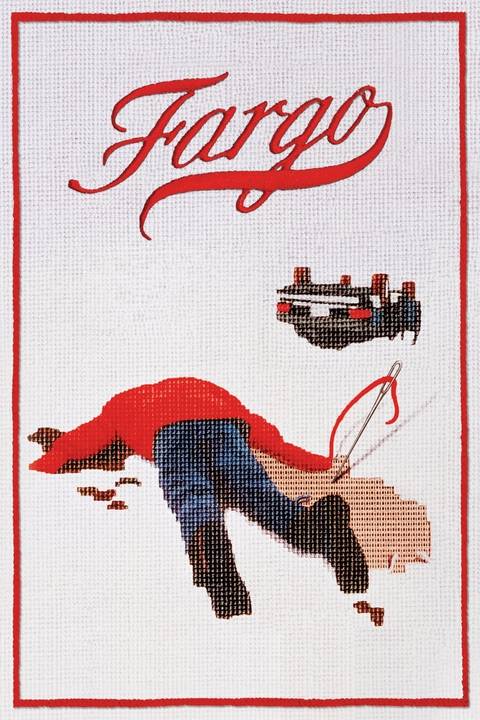
Fargo is 90 minutes of perfection that serves as an excellent introduction to Joel and Ethan Coen because it represents everything that they do best. It’s a film that is twisty, unpredictable, sharply funny, and at times unrelentingly bleak, but shows a degree of humanity that wasn’t achievable by any other set of filmmakers.
Fargo didn’t just win the Coen brothers their first Academy Award for Best Original Screenplay, but got Frances McDormand her first of three Oscar wins for Best Actress for creating one of the greatest heroes of ‘90s cinema. Although Fargo has been quoted and homage countless times now, it has taken on an entirely different legacy thanks to the popularity of Noah Hawley’s FX drama of the same name, which took an untraditional approach to adapting the themes of the original whilst telling an entirely different story.
1 ‘Trainspotting’ (1996)
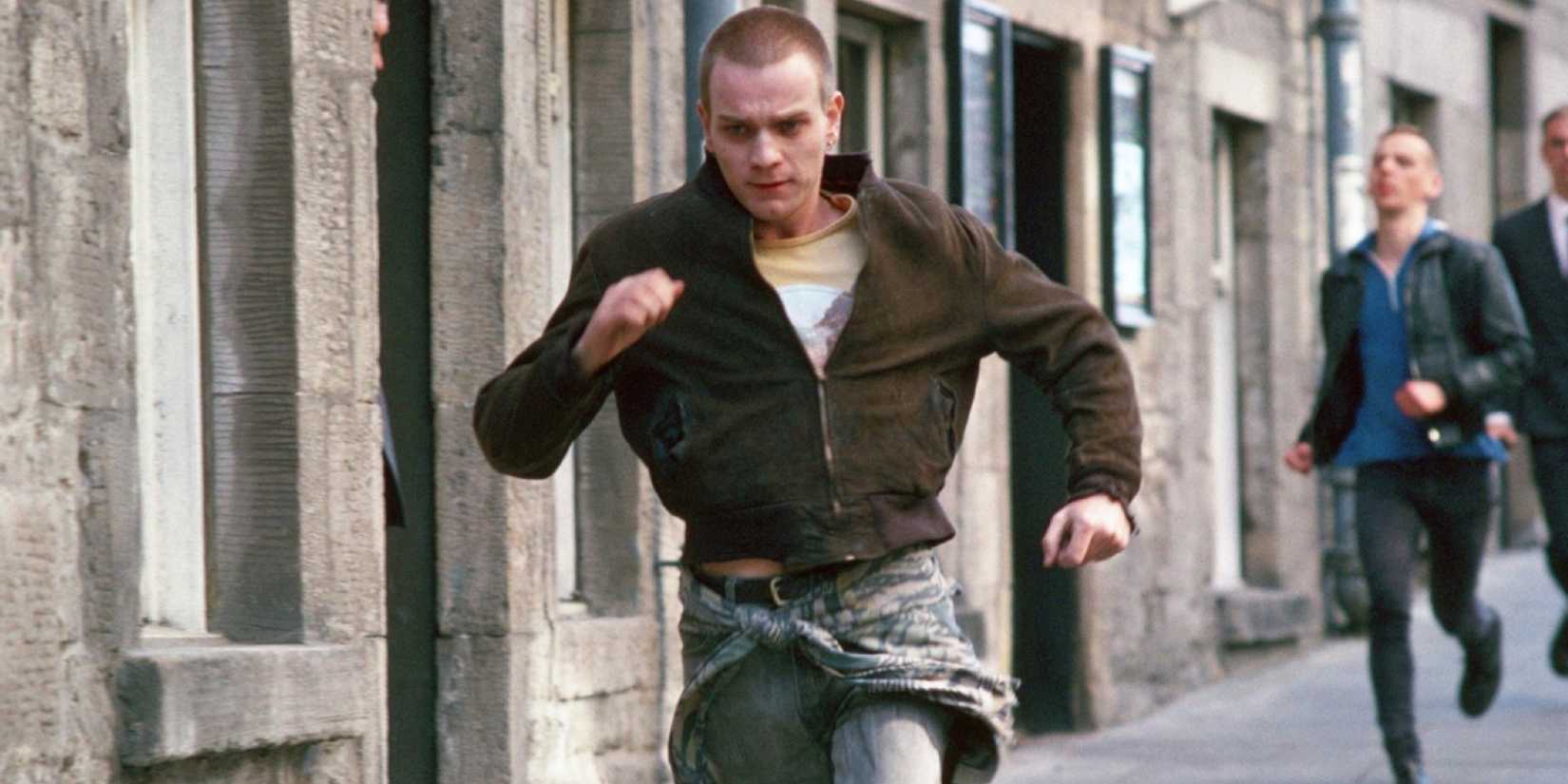 Image via PolyGram Filmed Entertainment
Trainspotting is the ultimate Gen X rebellion film, and manages to translate a novel that had been deemed “unadaptable” by many literary pundits. Danny Boyle took a wild approach to exploring what heroin did to the human brain with a wildly energetic, darkly funny, and completely visceral coming-of-age film that created a memorable set of characters.
Trainspotting has a sharp screenplay filled with quotable lines, and is renowned for giving Ewan McGregor his big break in the role of Renton. 30 years later, it’s still remarkable to see how much Boyle got away with; while there are some of the most horrific nightmare scenes imaginable and some truly emotional exchanges, Trainspotting also boasts one of the greatest soundtracks of the ‘90s, including a near-perfect opening scene with Lou Reed’s “Perfect Day” and a jaw-dropping finale that included Underworld’s “Born Slippy.”
Collider Exclusive · Oscar Best Picture Quiz
Which Oscar Best Picture
Is Your Perfect Movie?
Parasite · Everything Everywhere · Oppenheimer · Birdman · No Country
Five Oscar Best Picture winners. Five completely different visions of what cinema can be — and what it can do to you. One of them is the film that was made for the way your mind works. Ten questions will figure out which one.
🪜Parasite
🌀Everything Everywhere
☢️Oppenheimer
🐦Birdman
🪙No Country for Old Men
FIND YOUR FILM →
01
What kind of film experience do you actually want? The best movies don't just entertain — they leave something behind.
ASomething that pulls the rug out — that makes me think I'm watching one kind of film and then reveals I'm watching another entirely. BSomething overwhelming — funny, sad, absurd, and genuinely moving, all at once. CSomething grand and weighty — a film that makes me feel the full scale of what I'm watching. DSomething formally daring — a film that pushes what cinema can even do. ESomething lean and relentless — pure tension with no wasted frame.
NEXT QUESTION →
02
Which idea grabs you most in a film? Great films are driven by a central obsession. What's yours?
AClass, inequality, and what people are willing to do when desperation meets opportunity. BIdentity, family, and the chaos of trying to hold your life together when everything is falling apart. CGenius, moral responsibility, and the catastrophic weight of a decision you can never take back. DEgo, legacy, and the terror of becoming irrelevant while you're still alive to watch it happen. EEvil, chance, and whether moral order actually exists or if we just tell ourselves it does.
NEXT QUESTION →
03
How do you like your story told? Form is content. The way a story is shaped changes what it means.
AGenre-twisting — I want it to start in one lane and migrate into something completely different. BMaximalist and genre-blending — comedy, action, drama, sci-fi, all in one ride. CEpic and non-linear — cutting between timelines, building a mosaic of cause and consequence. DA single unbroken flow — I want to feel like I'm living it in real time, no cuts to safety. ESpare and precise — every scene doing exactly what it needs to do and nothing more.
NEXT QUESTION →
04
What makes a truly great antagonist? The opposition defines the protagonist. What kind of opposition fascinates you?
AA system — invisible, structural, and almost impossible to fight because it has no single face. BThe self — the ways we sabotage, abandon, and fail the people we love most. CHistory — the unstoppable momentum of events that no single person can stop or redirect. DThe industry — the machinery of culture that chews up talent and spits out irrelevance. EPure, implacable evil — a force so certain of itself it becomes almost philosophical.
NEXT QUESTION →
05
What do you want from a film's ending? The final note is the one that lingers. What do you want it to sound like?
AShock and inevitability — a conclusion that recontextualises everything that came before it. BEarned emotion — I want to cry, laugh, and feel genuinely hopeful, even if the world is a mess. CDevastation and grandeur — an ending that makes me sit in silence for a few minutes after. DAmbiguity — something that leaves enough open that I'm still thinking about it days later. EBleakness — an honest refusal to pretend the world is tidier than it actually is.
NEXT QUESTION →
06
Which setting pulls you in most? Where a film takes place shapes everything — mood, stakes, what's even possible.
AA gleaming modern city with a hidden underside — beauty masking rot, wealth masking desperation. BA collapsing suburban life that opens onto something infinite — the multiverse of a single ordinary person. CThe corridors of power and science at a world-historical turning point — where decisions echo for decades. DThe grimy, alive chaos of New York and Hollywood — fame as both destination and trap. EVast, indifferent landscape — desert and highway where violence arrives without warning or reason.
NEXT QUESTION →
07
What cinematic craft impresses you most? Every great film has a signature — a technical or artistic element that makes it unmistakable.
AProduction design and mise-en-scène — every frame composed to carry meaning beneath the surface. BEditing and tonal control — the ability to move between registers without losing the audience. CScore and sound design — music that becomes inseparable from the dread and awe of what you're watching. DCinematography as performance — the camera not recording events but participating in them. ESilence and restraint — what's left unsaid and unshown doing more work than any dialogue could.
NEXT QUESTION →
08
What kind of main character do you root for? The protagonist is the lens. Who you choose to follow says something about you.
ASomeone smart and resourceful who makes increasingly dangerous decisions under pressure. BSomeone overwhelmed and ordinary who turns out to be capable of something extraordinary. CA brilliant, tortured figure whose gifts and flaws are inseparable from each other. DA self-destructive artist whose ego is both their superpower and their undoing. EA quiet, principled person trying to make sense of a world that has stopped making sense.
NEXT QUESTION →
09
How do you feel about a film that takes its time? Pace is a choice. Some films sprint; others let tension accumulate slowly, deliberately.
AI love a slow build when I know the payoff is going to be seismic — patience for a devastating reveal. BGive me relentless momentum — I want to feel breathless and emotionally spent by the end. CEpic runtime doesn't scare me — if the material demands three hours, give me three hours. DI want it to feel propulsive even when nothing is technically happening — restless energy throughout. EDeliberate and unhurried — I want dread to accumulate in the spaces between the action.
NEXT QUESTION →
10
What do you want to feel walking out of the cinema? The best films leave a mark. What kind of mark do you want?
AUnsettled — like I've just seen something I can't fully explain but can't stop thinking about. BMoved and energised — like the film reminded me what actually matters and gave me something to hold onto. CHumbled — like I've been in the presence of something genuinely important and overwhelming. DExhilarated — like I've just seen cinema doing something it's never quite done before. EHaunted — like a cold, quiet dread that stays with me for days.
REVEAL MY FILM →
The Academy Has Decided Your Perfect Film Is…
Your answers have pointed to one Oscar Best Picture winner above all others. This is the film that was made for the way your mind works.
Parasite
You are drawn to films that operate on multiple levels simultaneously — that begin in one genre and quietly, brilliantly migrate into another. Bong Joon-ho's Parasite is a film about class, desire, and the architecture of inequality that manages to be darkly funny, deeply suspenseful, and genuinely shocking across a single extraordinary running time. Your instinct is for cinema that hides its true intentions until the moment it's ready to reveal them. Parasite is exactly that — a film that rewards close attention and punishes assumptions, right up to its devastating final image.
Everything Everywhere All at Once
You want it all — and this film gives you all of it. The Daniels' Everything Everywhere All at Once is one of the most maximalist films ever made: action comedy, multiverse sci-fi, family drama, existential crisis, and a genuinely earned emotional core that sneaks up on you amid the chaos. You are someone who responds to ambition, who doesn't want cinema to choose between being entertaining and being meaningful. This film refuses that choice entirely. It is overwhelming by design, and its overwhelming nature is precisely the point — because the feeling of being crushed by infinite possibility is exactly what it's about.
Oppenheimer
You are drawn to cinema on a grand scale — films that understand history not as a backdrop but as a force, and that place their characters inside that force and watch what happens. Christopher Nolan's Oppenheimer is a film about the terrifying gap between what we can do and what we should do, told with the full weight of one of the most consequential moments in human history behind it. You want your films to feel important without feeling self-important — to earn their ambition through sheer craft and the gravity of their subject. Oppenheimer does exactly that. It is enormous, complicated, and refuses easy comfort.
Birdman
You are drawn to films that foreground their own construction — that make the how of the filmmaking part of the what it's about. Alejandro González Iñárritu's Birdman, shot to appear as a single continuous take, is cinema examining itself through the cracked mirror of a fading actor's ego. You respond to formal daring, to the feeling that a film is doing something that probably shouldn't be possible. Michael Keaton's performance and Emmanuel Lubezki's restless camera create something genuinely unlike anything else — a film that is simultaneously about creativity, relevance, self-destruction, and the impossibility of ever truly knowing if your work means anything at all.
No Country for Old Men
You are drawn to cinema that trusts silence, that refuses to explain itself, and that treats dread as a form of meaning. The Coen Brothers' No Country for Old Men is a film about the arrival of a new kind of evil — implacable, arbitrary, and utterly indifferent to the moral frameworks we use to make sense of the world. It is one of the most formally controlled films ever made, and its controlled restraint is what makes it so terrifying. You want your films to haunt you, not comfort you. You are not interested in resolution if resolution would be dishonest. No Country for Old Men is honest in a way that most cinema never dares to be.
↻ RETAKE THE QUIZ
Fargo
Release Date March 8, 1996
Runtime 98 minutes
Director Joel Coen
Writers Joel Coen, Ethan Coen





 English (US) ·