

Published Feb 1, 2026, 12:30 PM EST
Shaun Corley is a Staff Writer for ScreenRant, a position he has held for five years. While he enjoys many types of comics and graphic novels, he has a particular interest in the licensed Star Trek titles.
29 years on, the best season of one of the most influential science fiction shows remains untouchable. The 1990s saw a proliferation of genre programming on television, giving fans The X-Files, Xena Warrior Princess and Babylon 5. These shows were hits and continue to resonate, but Star Trek: Deep Space Nine stands above them, and one season proves why.
Star Trek: Deep Space Nine, the fourth entry in the franchise, premiered to great fanfare in 1993. An instant hit upon its debut, Deep Space Nine remained one of the most popular original shows in first-run syndication.

Part of Deep Space Nine’s appeal is its stark, gritty story, and the show’s sixth season distills it all into one highly bingeable package.
Heading Into Star Trek: Deep Space Nine's Sixth Season, Things Were Looking Grim
The Federation Had Lost Deep Space Nine to the Dominion
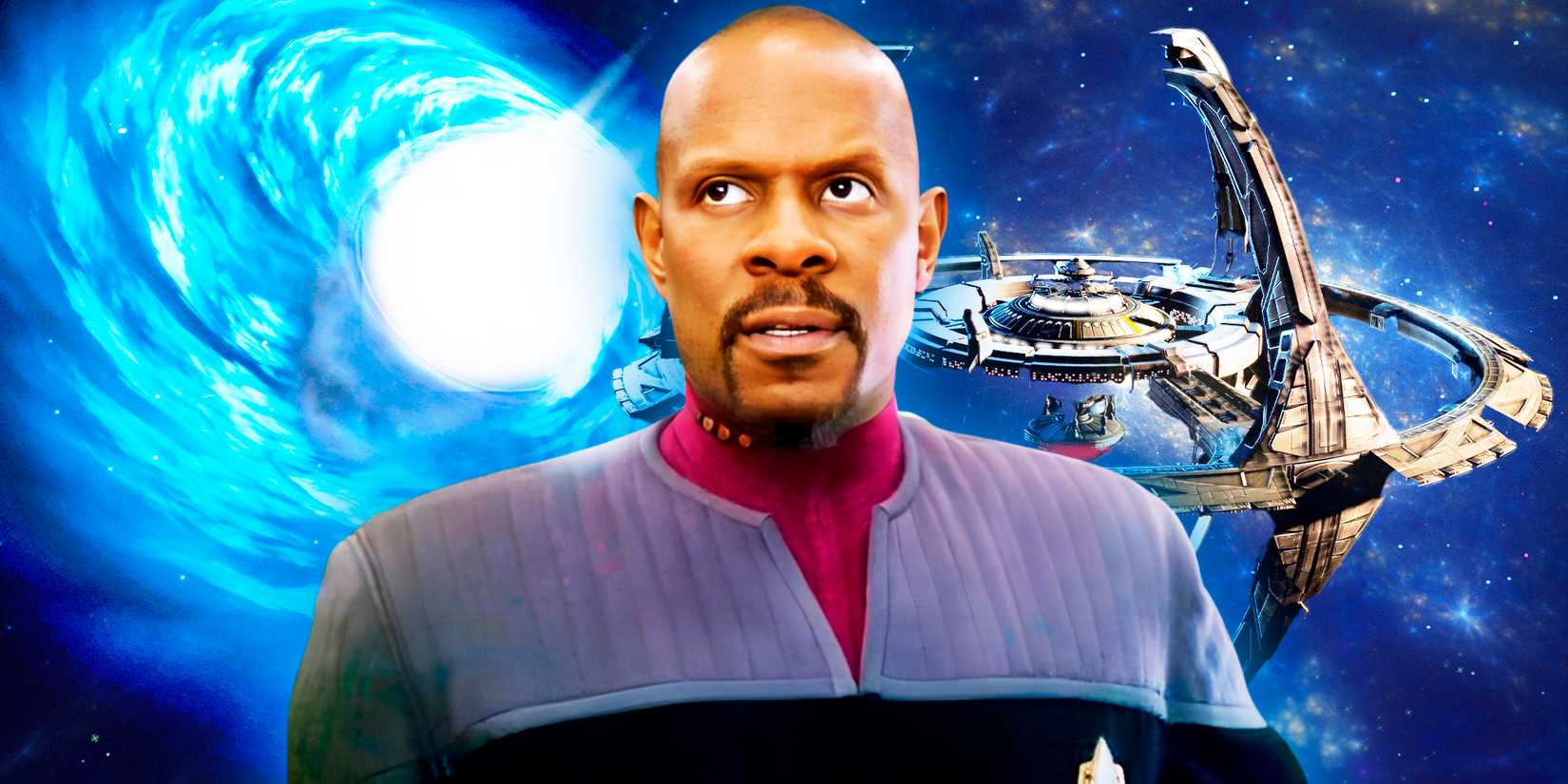
Deep Space Nine’s sixth season was set at the height of the Dominion War story. Introduced in the show’s second season, the Dominion was an authoritarian, fascist version of the Federation residing in the Gamma Quadrant. Founded by Odo’s people, the Dominion grew angry over incursions into their space, ultimately declaring war on the Federation.
By Deep Space Nine’s fifth season, tensions between the Federation and the Dominion had reached a boiling point. The Federation and the Klingons were manipulated into fighting each other by the Dominion, which drained the resources of each power’s fleet. By the time the dust settled, and they began working together again, the Dominion had made massive inroads in the Alpha Quadrant.
While the Federation and the Klingons fought each other, the Romulans signed a non-aggression pact with the Dominion, an event that would have ramifications in Deep Space Nine's sixth season. The lack of Romulan involvement left the Klingons and Starfleet easy targets for the Dominion. These events came to a head when the Dominion retook Deep Space Nine from the Federation.
Deep Space Nine's Sixth Season Opened With a Bang, and Never Let Up
Deep Space Nine Saw Weddings and Deaths in Its Sixth Season

Star Trek: Deep Space Nine opened its sixth season with the episode “A Time to Stand.” It kicked off a six-part storyline that culminated with the epic “Sacrifice of Angels,” in which Starfleet took Deep Space Nine back. It was a rousing, crowd-pleasing way to shift the Dominion War story into a new gear.
Deep Space Nine’s sixth season never let up from there. Worf’s son Alexander, long missing from the franchise, would return, seeking his father’s counsel on the station. Worf and Jadzia Dax were married, proving once and for all that the Klingon was better suited for Deep Space Nine than life aboard the Enterprise.
Worf and Jadzia Dax were married, proving once and for all that the Klingon was better suited for Deep Space Nine than life aboard the Enterprise.
The sixth season is definitely one of the heaviest in the show’s history. The shadow of death looms over the season. The Federation was at war, and that brings with it massive losses of life. Deep Space Nine was not spared. Gul Dukat lost his daughter in “Sacrifice of Angels” and Jadzia was killed in the season finale.
Star Trek: Deep Space Nine's Sixth Season Darkened Up an Already Grim Show
Two Episodes of Deep Space Nine's Sixth Season Changed the Course of Star Trek

From the start, Deep Space Nine was a dark and gritty show, and its sixth season was the best view of the dark underbelly of the Star Trek universe yet. During the war, morals were compromised, and hard decisions had to be made. No other Star Trek show explored the ambiguities of war better than Deep Space Nine.
Two episodes from the sixth season, airing back to back, are the purest distillation of this impulse. “Inquistion” and “In the Pale Moonlight” feature Starfleet officers in dire situations that seem impossible to get out of unless the low road is taken. The former episode also introduced the nefarious Section 31, whose existence further questioned Star Trek’s utopian ideas.
Together, these two episodes, despite their dark natures, would become transformative points in the Star Trek franchise. The “shades of gray” morality that both episodes mined gold from has been a hallmark of later Star Trek shows, which are not afraid to call out the Federation for its shortcomings and flaws.
Star Trek: Deep Space Nine's Supporting Cast Stepped Up In Its Sixth Season
Dukat, Damar and Vic Fontaine Were Some of the Highlights
Among the many qualities critics praised Star Trek: Deep Space Nine for was its rich supporting cast, and many of them were able to come to the table in the sixth season. Dukat, the show’s recurring villain, took an even darker turn after his daughter’s death. Damar would replace Dukat as the Cardassian military in season six too.
Another Cardassian, Garak, would also prove important to Deep Space Nine’s sixth season. A former spy, Garak’s schemes were critical to the plot of “In the Pale Moonlight.” Sisko wanted to bring the Romulans into the War, but needed a convincing pretense. Sisko enlisted Garak’s help, and the Cardassian's shrewd and ruthless nature may have turned the war’s tide.
Vic Fontaine was played by the late James Darren.
Finally, Deep Space Nine introduced even more characters to the mix. Vic Fontaine was a holographic character, created by Doctor Bashir to resemble a 1960s lounge singer. However, while programming Vic, Bashir gave the hologram sentience. Star Trek: The Next Generation regularly featured stories of the HoloDeck gone amok, but Deep Space Nine bucked this trend in a creative fashion.
Star Trek: Deep Space Nine's Sixth Season Is One of the Best in the Franchise, and Science Fiction Television as a Whole
Deep Space Nine's Sixth Season Has Everything That Makes the Show Great

While Star Trek: The Next Generation received the lion’s share of attention in its day, time has been extremely kind to Deep Space Nine. The show “deconstructed” Star Trek, showing fans that Starfleet’s lofty ideals and goals do not always work in reality. Episodes such as “In the Pale Moonlight” drive this point home.
Star Trek: Deep Space Nine is best watched from the beginning, which puts the sixth season a bit into the future for new viewers. Yet the wait is very much worth it, as the season features some of the best storytelling of the Star Trek franchise, but 1990s science fiction television as a whole.




 English (US) ·