
 4 weeks ago
28
4 weeks ago
28
There’s something quietly radical about a portrait made on a phone. No heavy gear. No studio ego. Just instinct, timing, and a rectangle that fits in your pocket. This collection of 22 hauntingly beautiful portraits proves that mobile photography isn’t a side hustle anymore—it’s a full-blown visual language.
These images come from Mobile Photography Awards winners in the Portrait and Self-Portrait categories, where emotion beats equipment every time. Shot and edited entirely on smartphones, the work spans color and monochrome, intimacy and distance, softness and grit. What connects them isn’t the device—it’s the feeling. A stare that lingers. A shadow that cuts just right. A frame that knows when to hold back.
Founded in 2011, the Mobile Photography Awards is the longest-running international competition dedicated exclusively to mobile photography. Open to artists worldwide and shot only on phones and tablets, it celebrates the creative power of everyday tools through themed exhibitions and global open calls throughout the year.
These 22 portraits don’t just show faces. They show what mobile photography does best: turning fleeting moments into images that stay with you long after you scroll past.
You can find more info about MPA:
#1. 1st Place Winner: "The Violinist Returning Home at Night" by Queenie Cheen
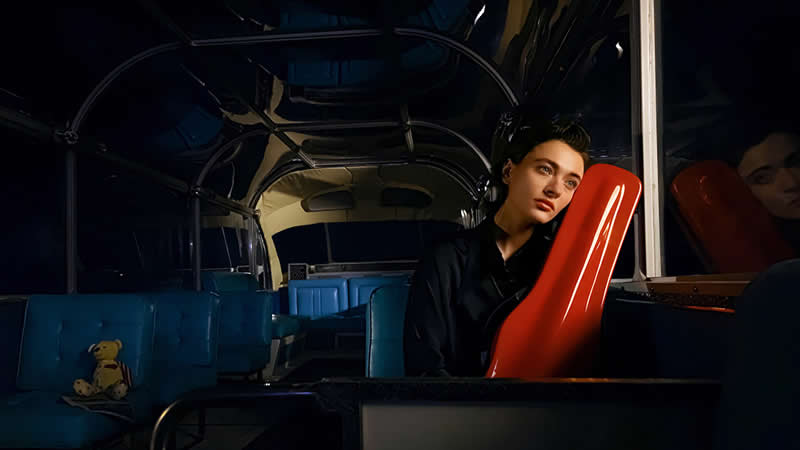
"The composition leverages negative space, nocturnal lighting, and color contrast. The scarlet case anchors emotion, while reflections and empty seats frame solitude, pacing, and narrative restraint with cinematic clarity."
#2. "Casper Untitled" by Juliet Cope
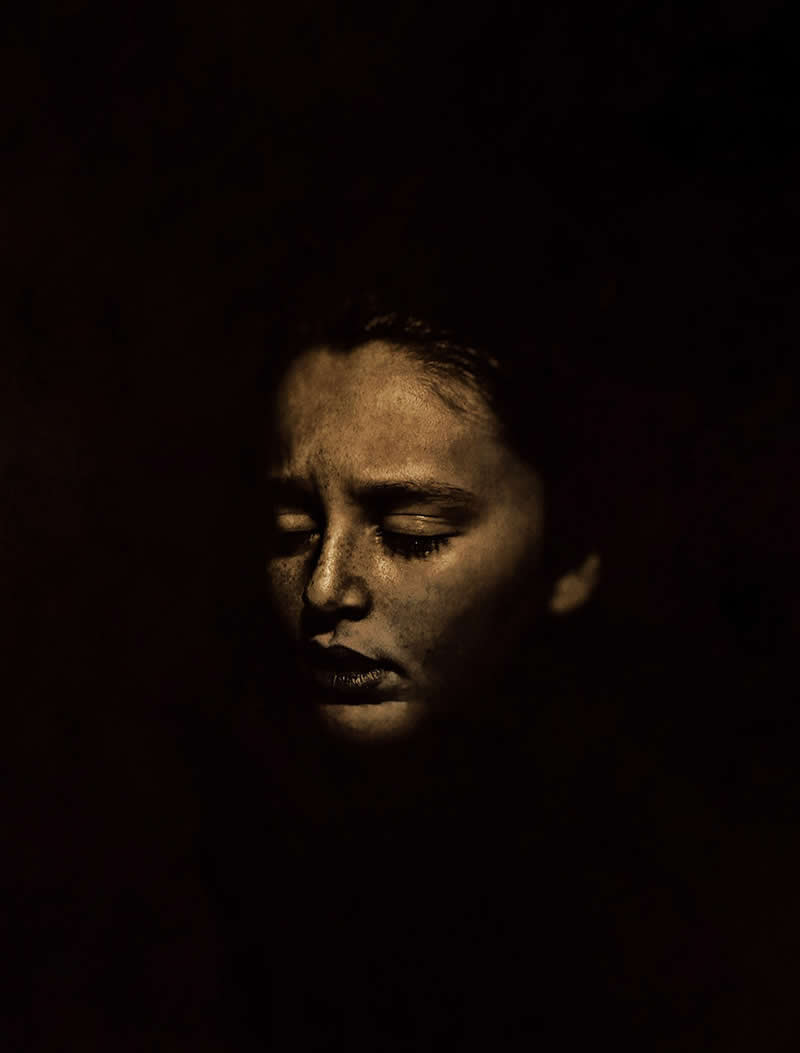
"Severe chiaroscuro sculpts the face, isolating emotion within darkness. Texture, grain, and restraint elevate intimacy, while cropped framing and negative space transform anonymity into haunting, contemplative presence and silence."
#3. "Uncertainty" by Stephanie Calabrese

"Monochrome simplifies emotion as wind and horizon mirror hesitation. Off-center framing, textured sky, and motion in hair create tension between openness and retreat, letting space speak louder than subject."
#4. "Memories" by Dina Alfasi
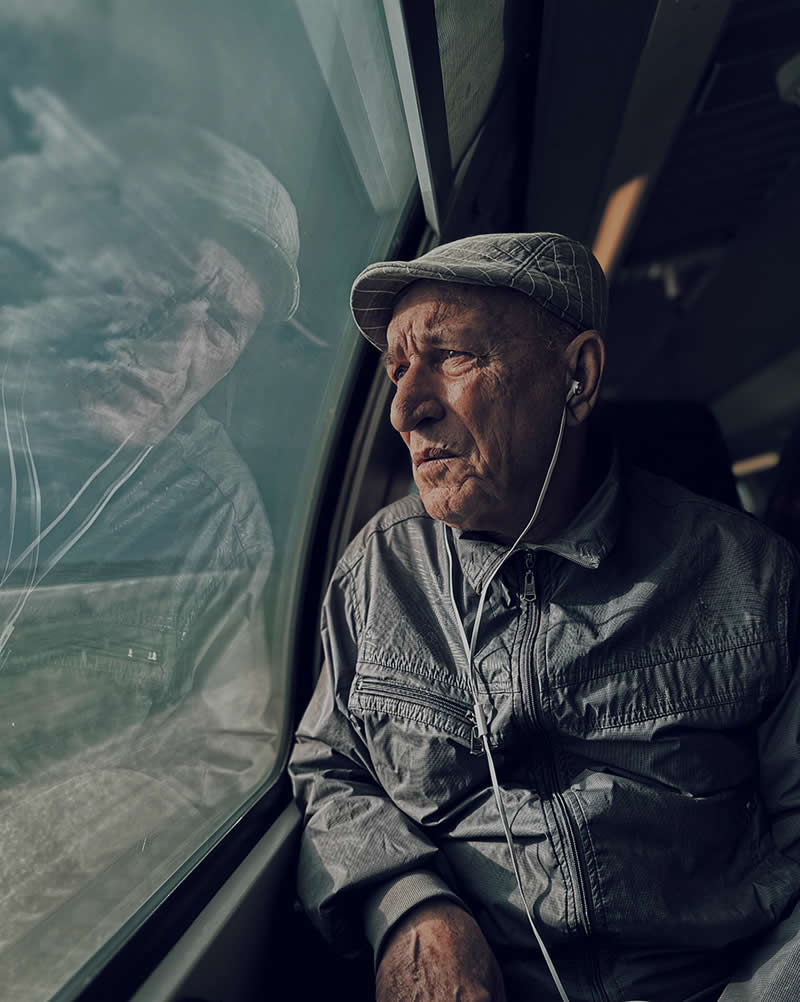
"Window reflections double time and memory. Soft light reveals texture and age, while candid framing and muted tones guide emotion inward, turning transit into a quiet meditation on remembrance."
#5. "Self Portrait" by Tee Lip Lim
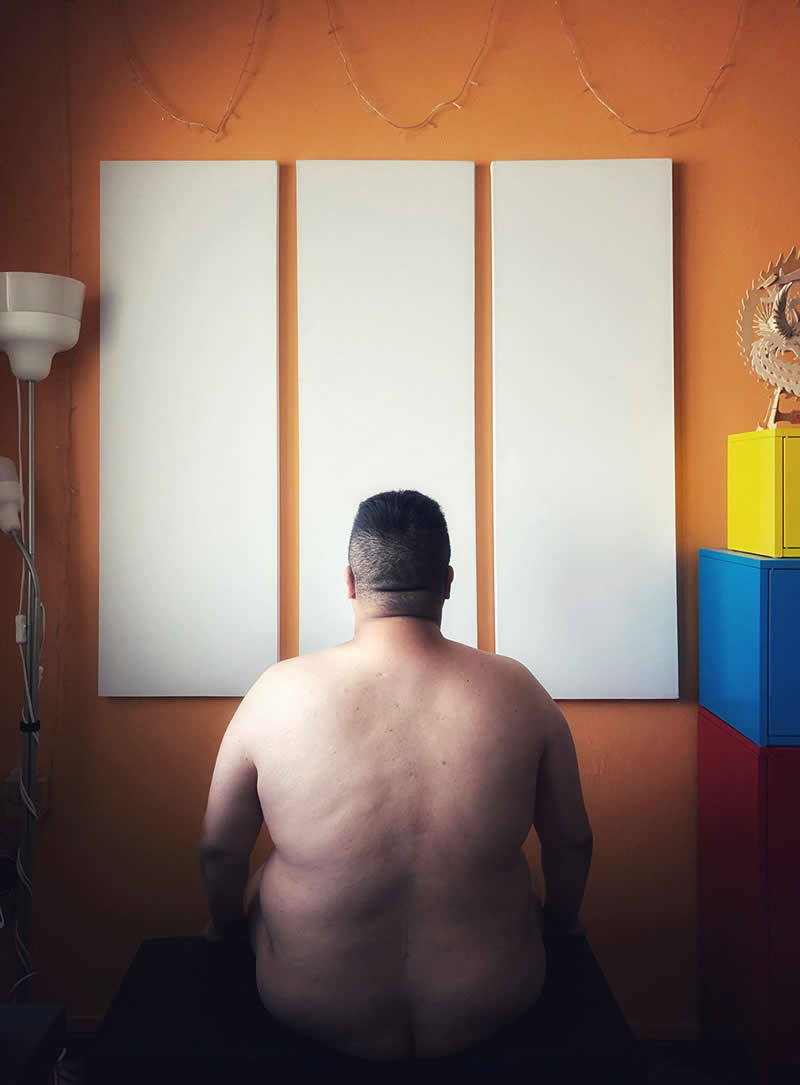
"Symmetry and negative space confront vulnerability. Rear framing rejects vanity, while muted color blocks and blank panels turn the body into form, inviting reflection on identity, exposure, and control."
#6. "Pretty Smile" by Himanshu Roy
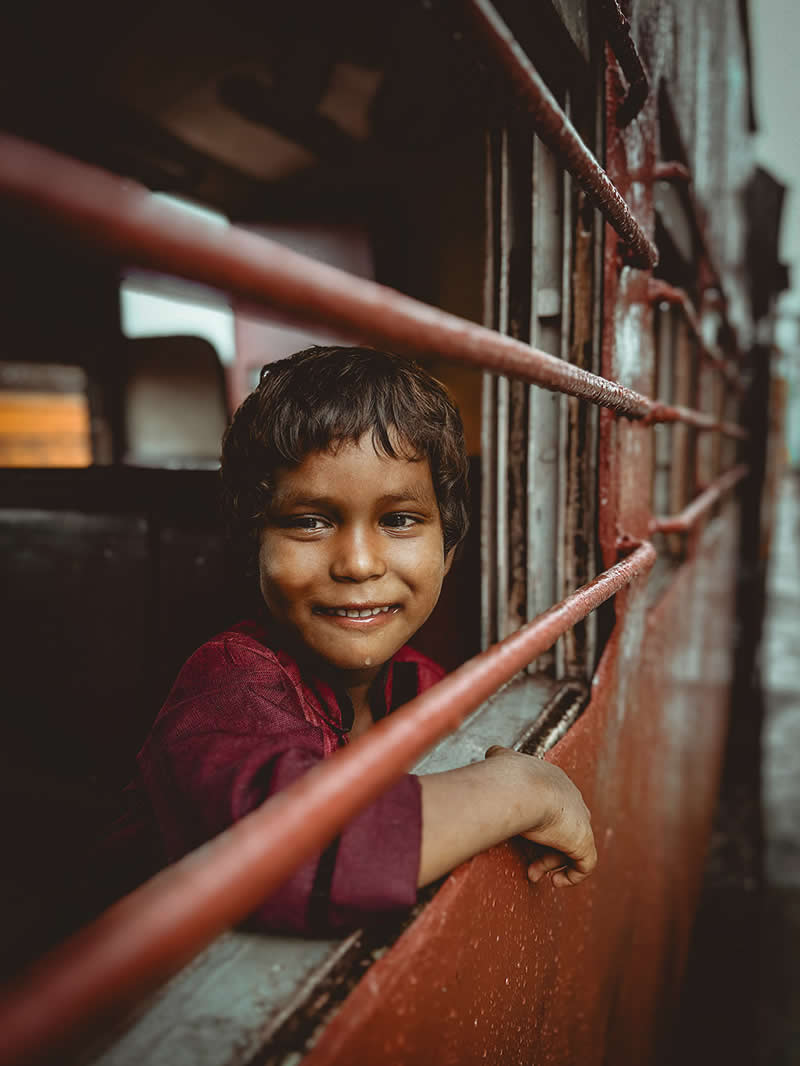
"Leading lines of the train frame an unguarded smile. Warm tones, shallow depth, and eye-level perspective humanize travel, letting spontaneity and resilience cut through motion and grit."
#7. "Steve Has Grit" by Star Greathouse
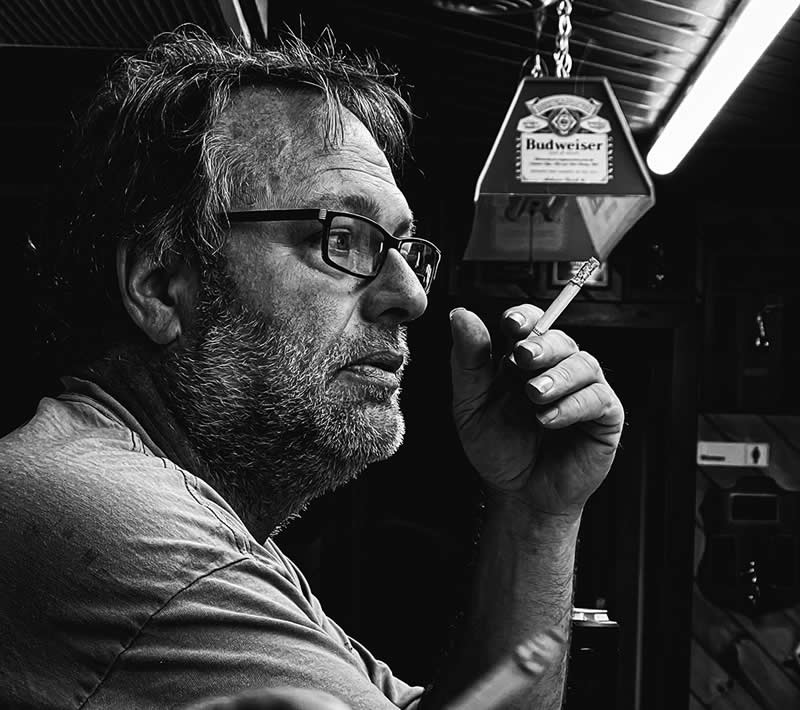
"Stark black-and-white emphasizes texture and resolve. Side lighting sculpts grit in skin and gesture, while tight framing and environmental detail ground character, turning a quiet pause into a study of endurance."
#8. "Jumper" by Artur Smutek
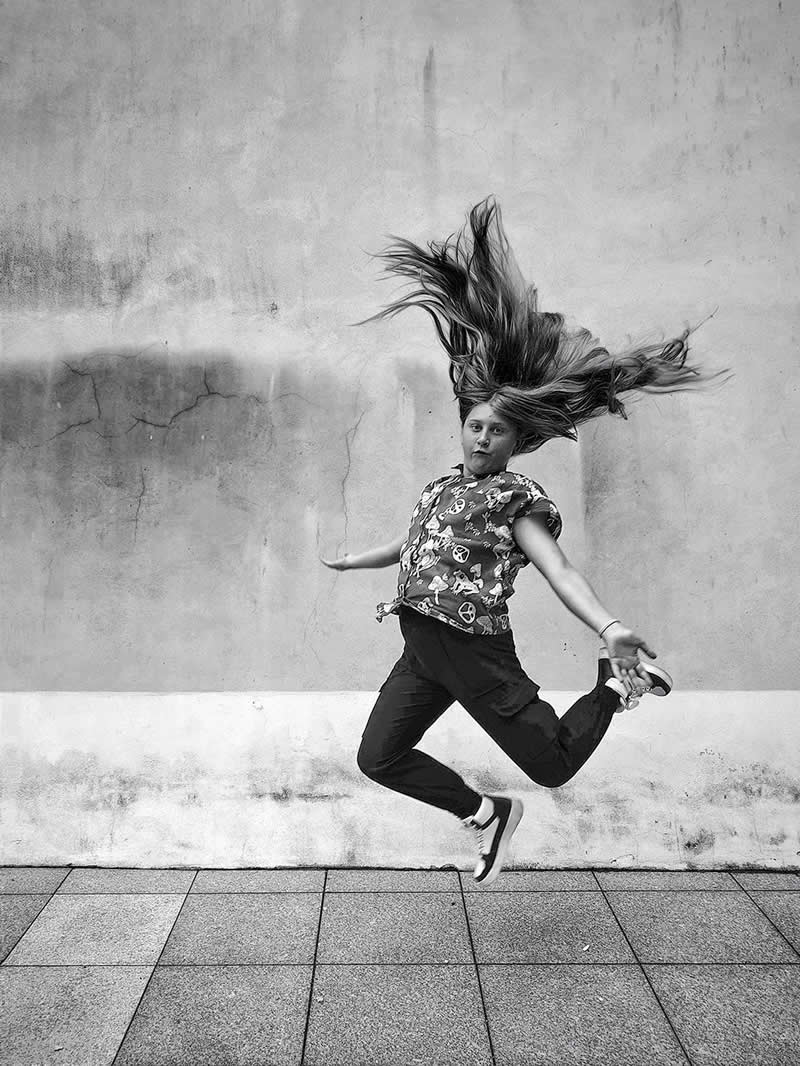
"Frozen motion and airborne hair inject energy against a bare wall. Monochrome simplifies form, timing peaks perfectly, and negative space amplifies joy, spontaneity, and decisive gesture with graphic clarity."
#9. "The Desire of Twin Flowers" by Queenie Cheen
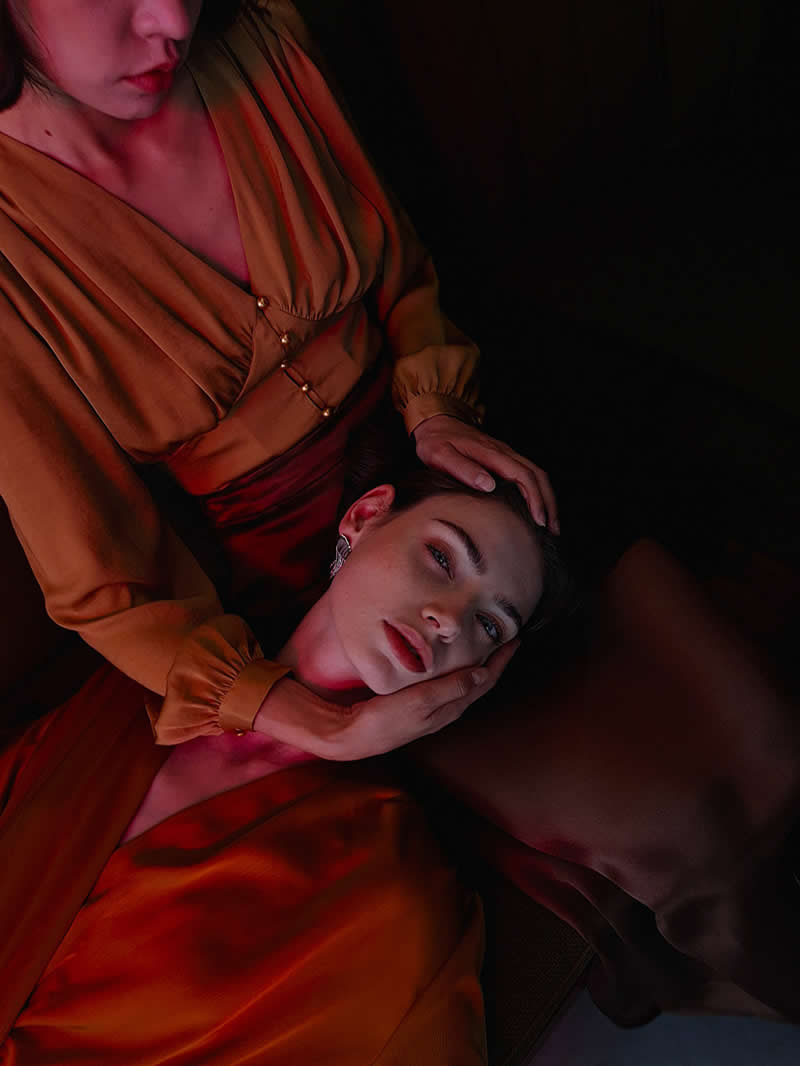
"Layered bodies and chiaroscuro lighting create intimacy and tension. Warm reds dominate, guiding the eye through mirrored gestures, while unconventional framing transforms desire into a poetic, sculptural narrative."
#10. "Her Many Rings" by Cerrina Smith
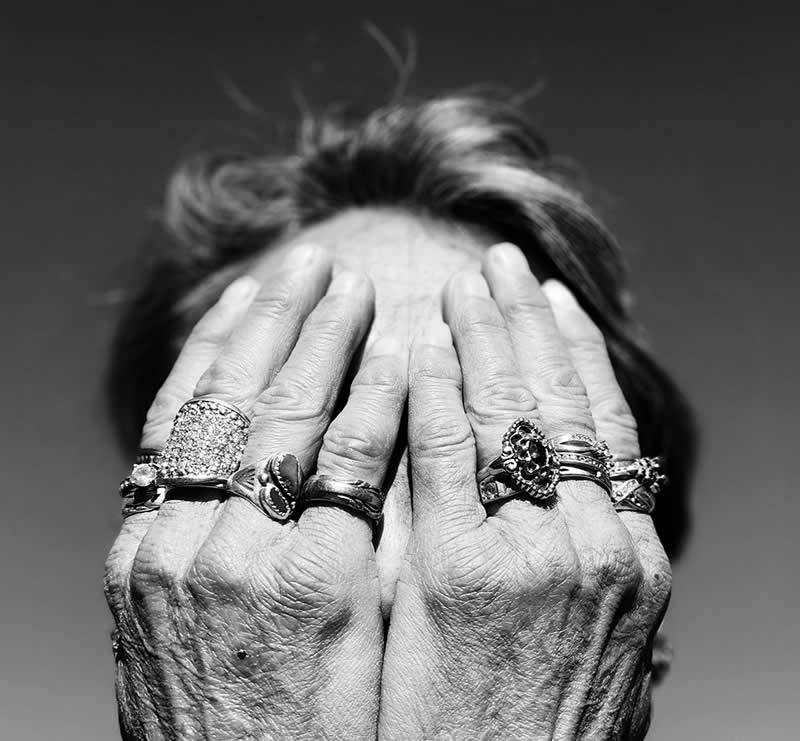
"Monochrome isolates texture and symbolism. Hands eclipse identity, rings narrate history, and tight framing elevates gesture over face, turning adornment into a powerful record of time, memory, and lived experience."
#11. "Self-Portrait" by Julia Zyrina
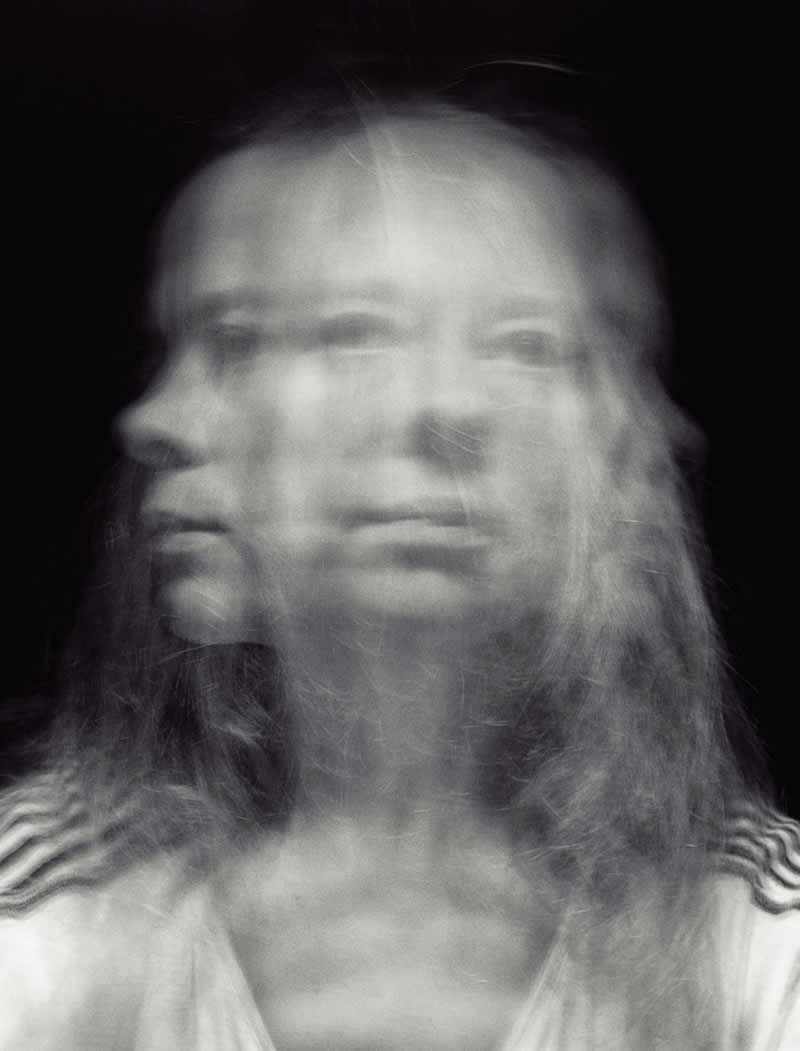
"Intentional blur fractures identity into layers. Monochrome tones, long exposure, and central framing transform motion into emotion, visualizing inner conflict, multiplicity, and the fluid nature of self-perception."
#12. "Scream" by Beata Smutek
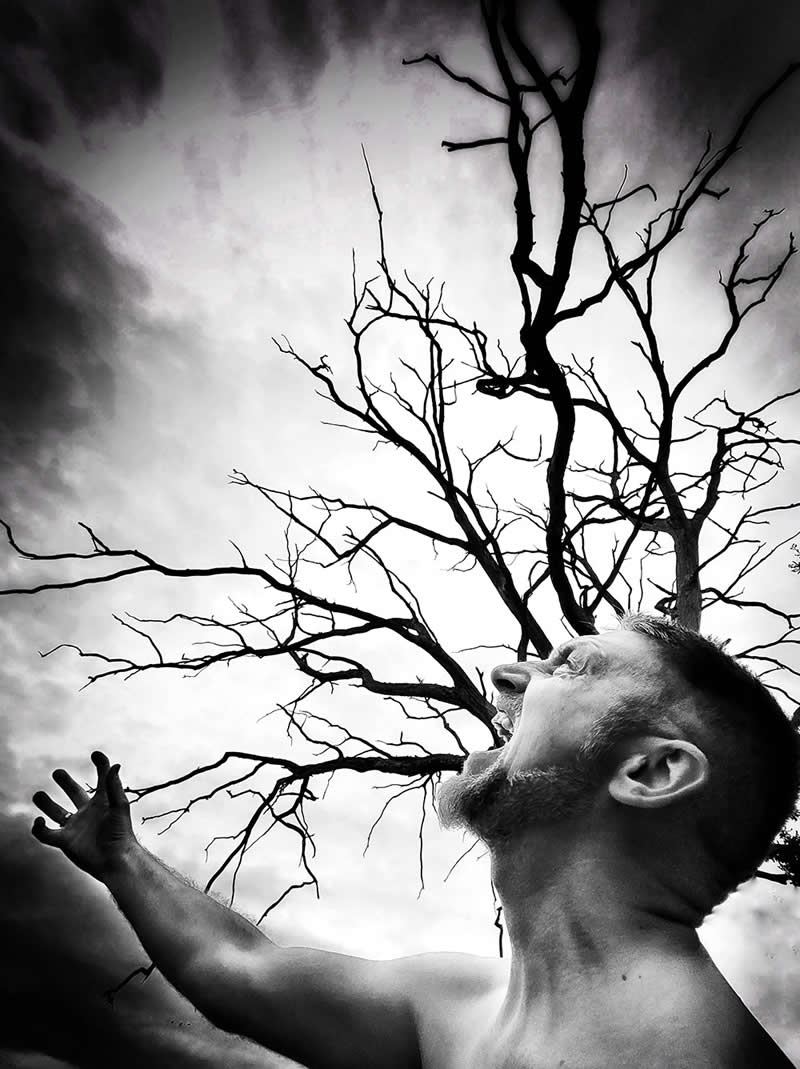
"High-contrast monochrome fuses human form with stark branches. Dynamic angles and raw gesture amplify emotion, transforming the figure’s cry into a visual echo of nature’s unrest and inner release."
#13. "A Old Soldier" by Shuolong Ma
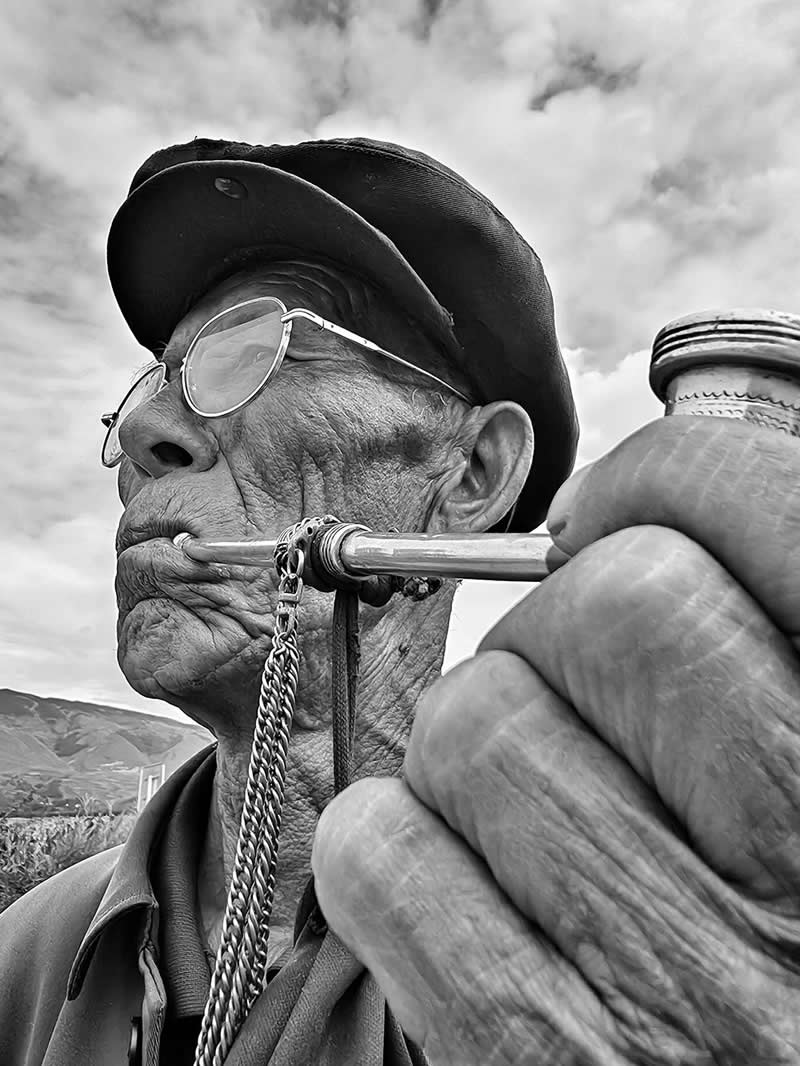
"Close perspective magnifies weathered textures and resolve. Monochrome emphasizes history etched in skin, while strong grip and sky backdrop frame dignity, endurance, and quiet authority of lived experience embodied."
#14. "Bus Driver" by Krzysztof Kupren
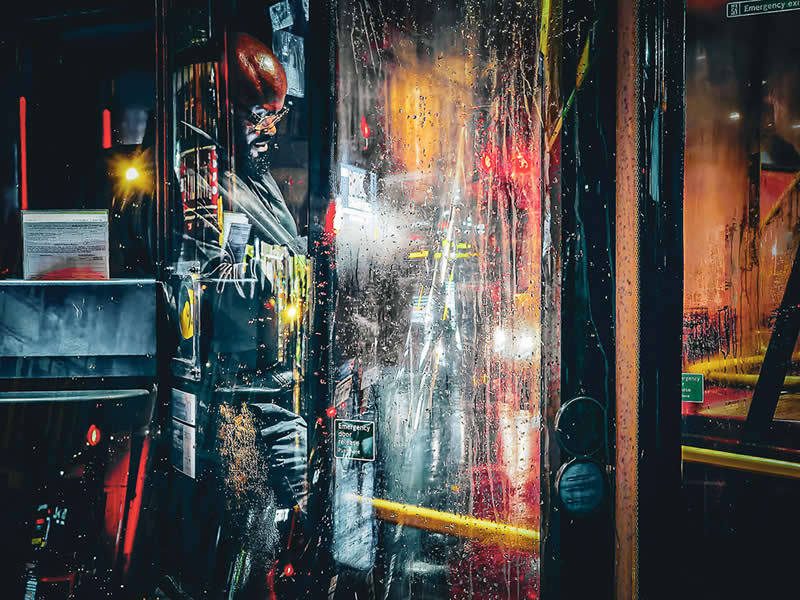
"Layered reflections and rain-streaked glass fracture the scene. Saturated city lights collide with solitude, while off-center framing and depth create a cinematic portrait of urban labor and isolation in motion."
#15. "Nora" by Jessica Blanchard
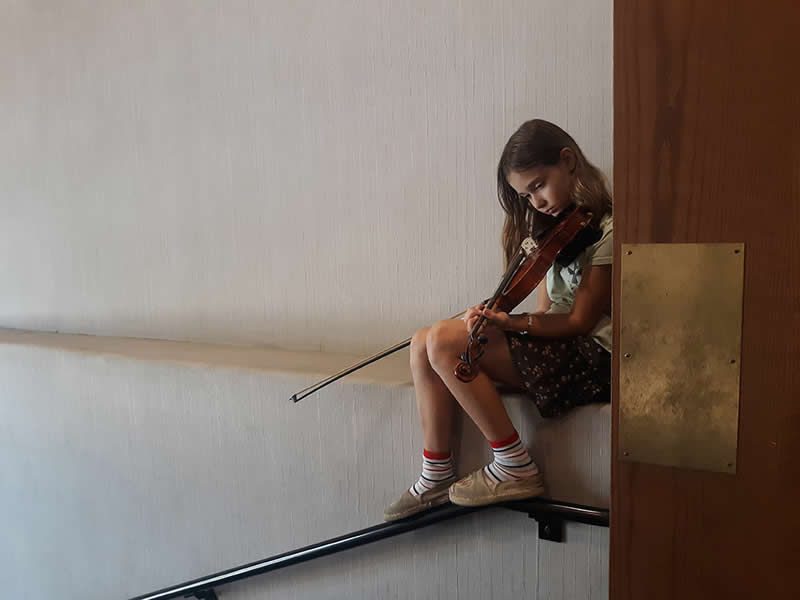
"Restrained composition and soft light isolate focus. Clean lines and negative space elevate a quiet practice moment, where posture and scale emphasize discipline, innocence, and the intimacy of learning."
#16. "Zanzibar Girl" by Arnold Plotnick
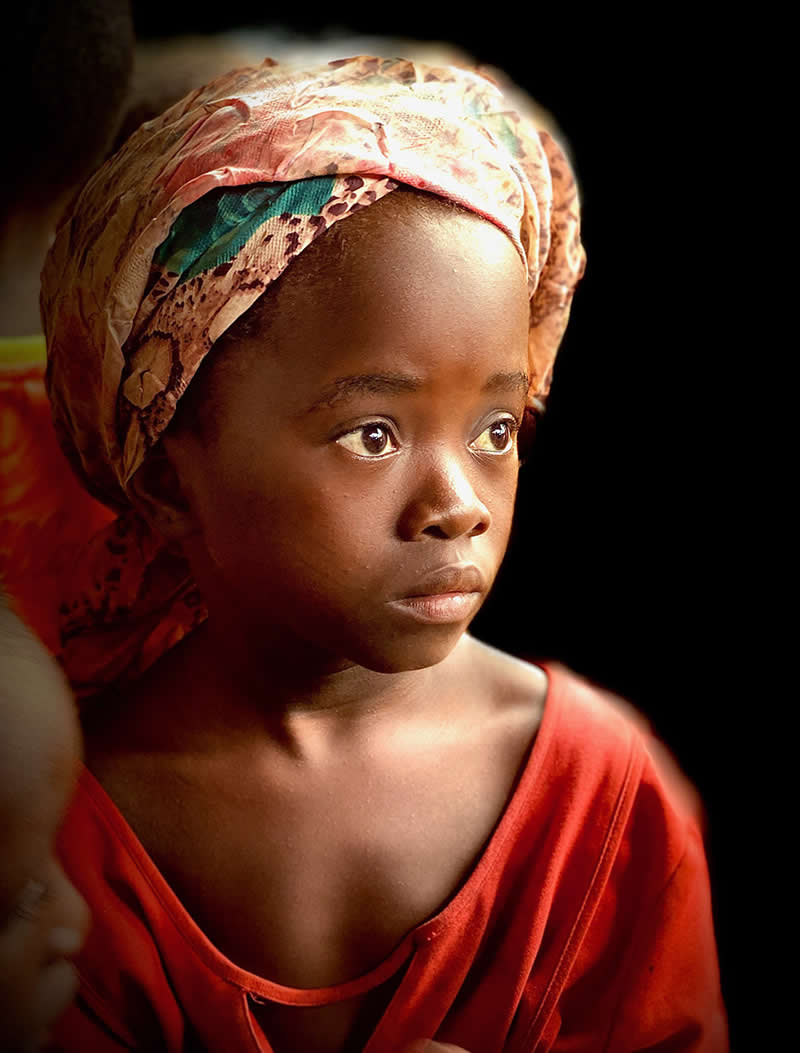
"Directional light sculpts innocence and intensity. Warm tones and shallow depth isolate the gaze, while simple framing honors cultural presence, turning a candid moment into a timeless, dignified portrait."
#17. "The Vanishing Craft of Making Fish Traps" by Thea Mihu
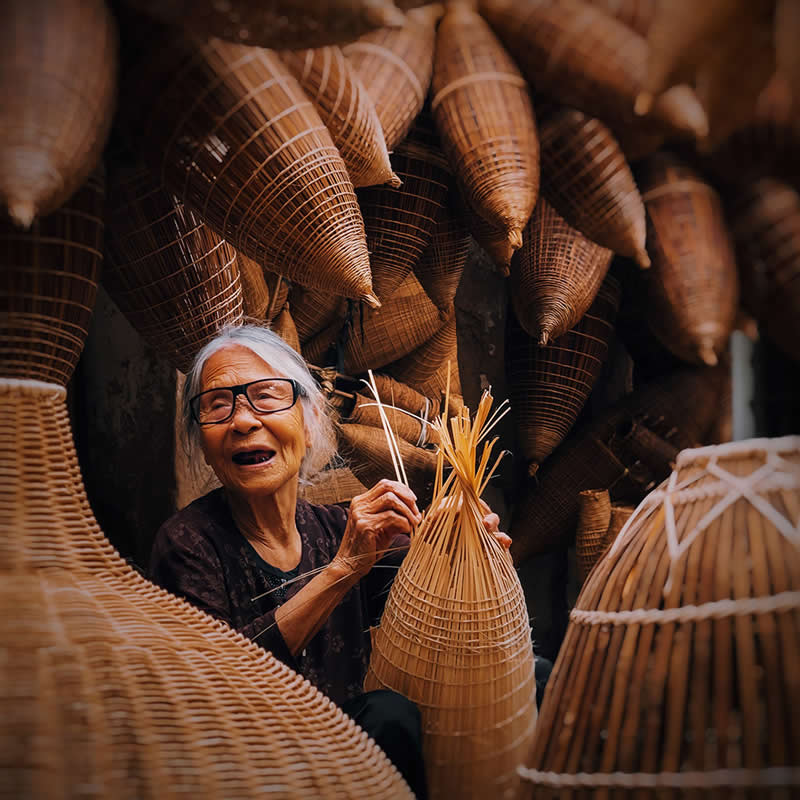
"Warm light and immersive framing celebrate hands-on heritage. Repetition of woven forms creates rhythm, while the artisan’s expression anchors storytelling, preserving intimacy, skill, and cultural memory within a fading tradition."
#18. "Grace" by Artem Koleganov
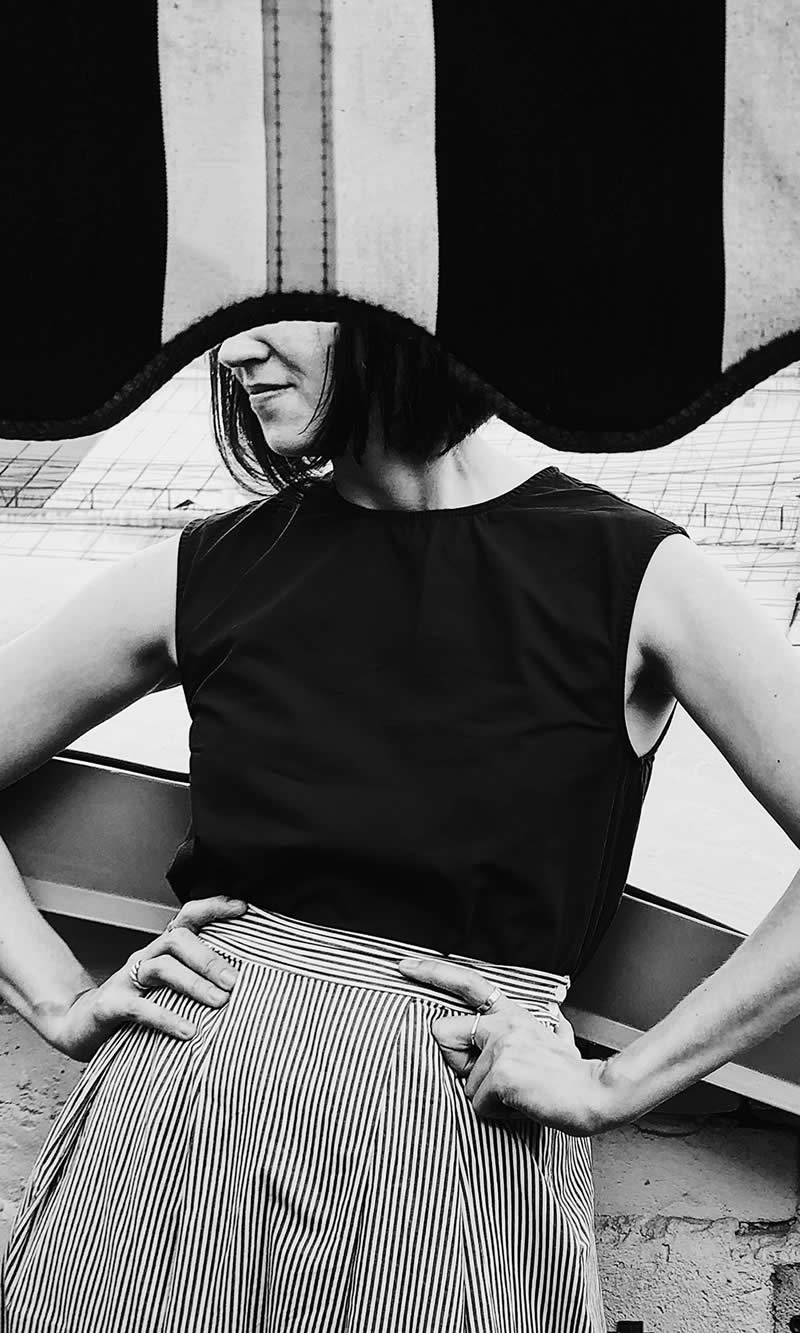
"Graphic framing obscures identity, emphasizing posture and gesture. High-contrast monochrome and cropped lines create elegance through restraint, transforming everyday stance into a study of confidence, balance, and modern grace."
#19. "The Riddle of the Sphynx" by Mirza Avdic

"Monochrome sharpens contrast between human and feline. Balanced composition, window light, and patterned textures create quiet tension, transforming domestic stillness into a surreal, narrative portrait of companionship and mystery."
#20. "Half Revealed" by Seraphima Zykova
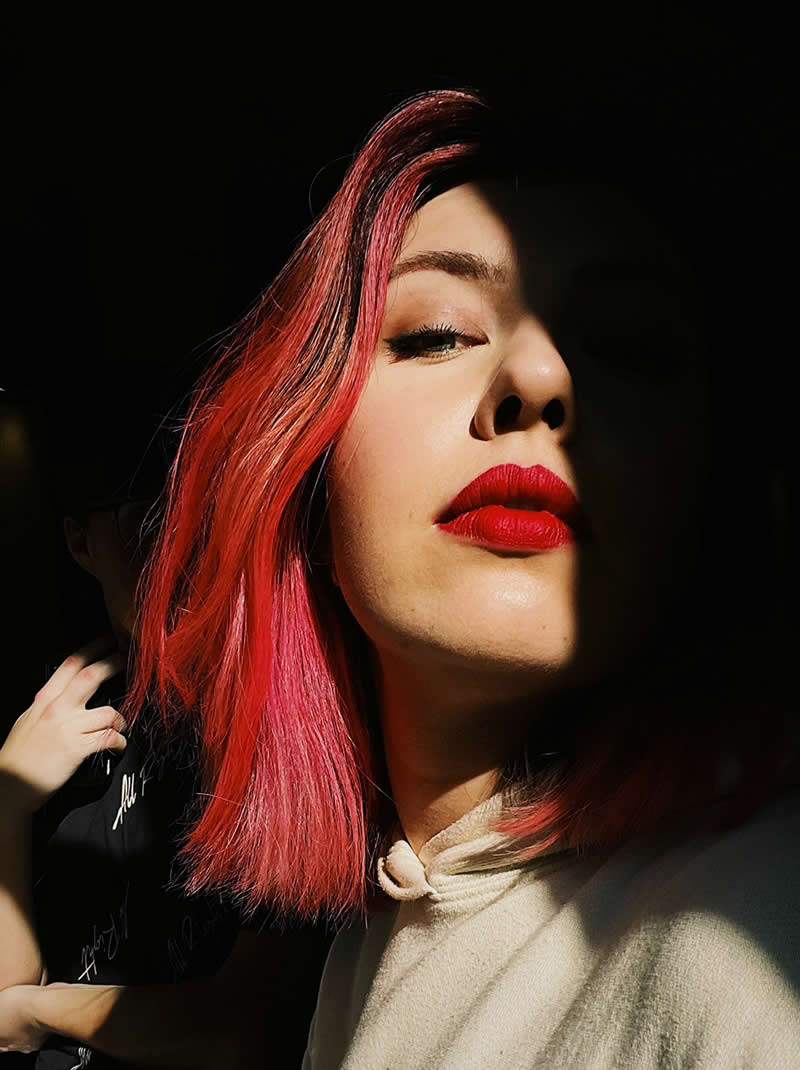
"Dramatic shadow sculpts identity through concealment. Saturated reds command focus, while tight cropping and directional light balance allure and mystery, letting partial revelation heighten tension and visual impact."
#21. "Portrait of a Painter" by Mehdi Malecki
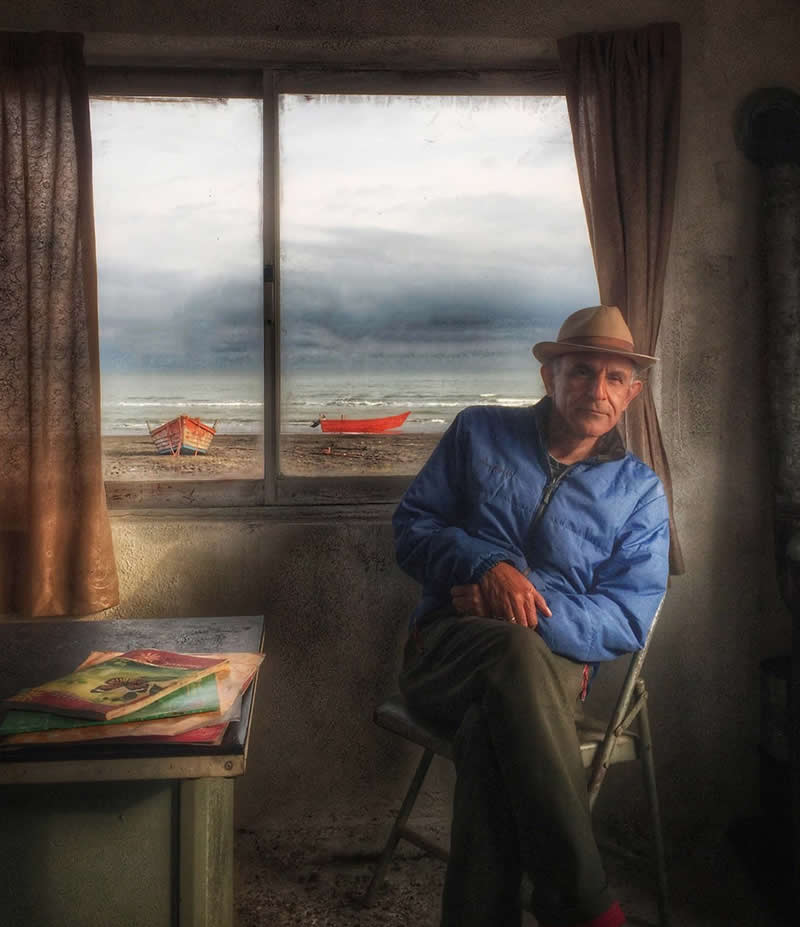
"Interior and seascape converse through the window. Muted tones, balanced framing, and relaxed posture build narrative depth, situating the subject between creation, solitude, and the quiet pull of place."
#22. "Look at Mirror" by Enhua Ni
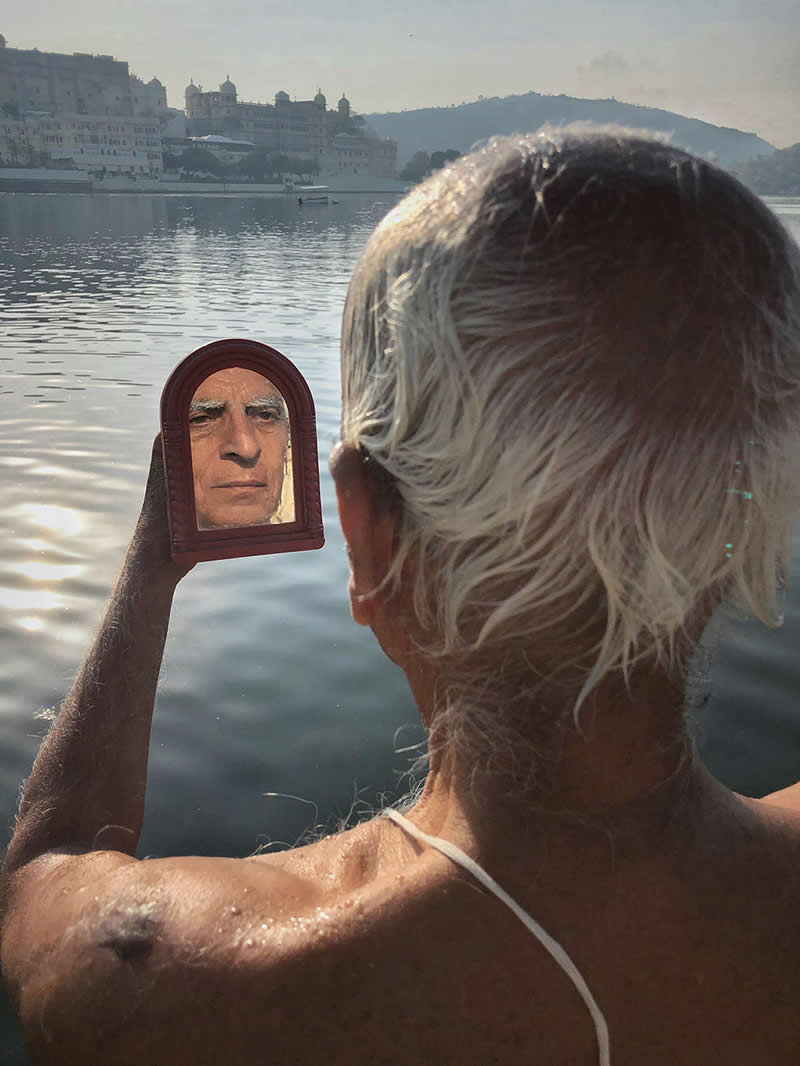
"Layered perspectives merge reflection, body, and landscape. The mirror reframes identity against place, while natural light and water textures create a contemplative dialogue between self, time, and memory."
In Summary
What is the Mobile Photography Awards?
An international competition founded in 2011 celebrating photography shot and edited exclusively on mobile phones and tablets.
What category are these portraits from?
Portrait and Self-Portrait winners, including color and black-and-white images.
Why are smartphone portraits unique?
They feel more intimate, spontaneous, and emotionally honest due to minimal gear and closer subject interaction.
Are these photos professionally edited?
Yes, all images are edited using mobile devices only.
Can anyone enter the Mobile Photography Awards?
Yes, it’s open globally to photographers using mobile phones or tablets.







 English (US) ·