
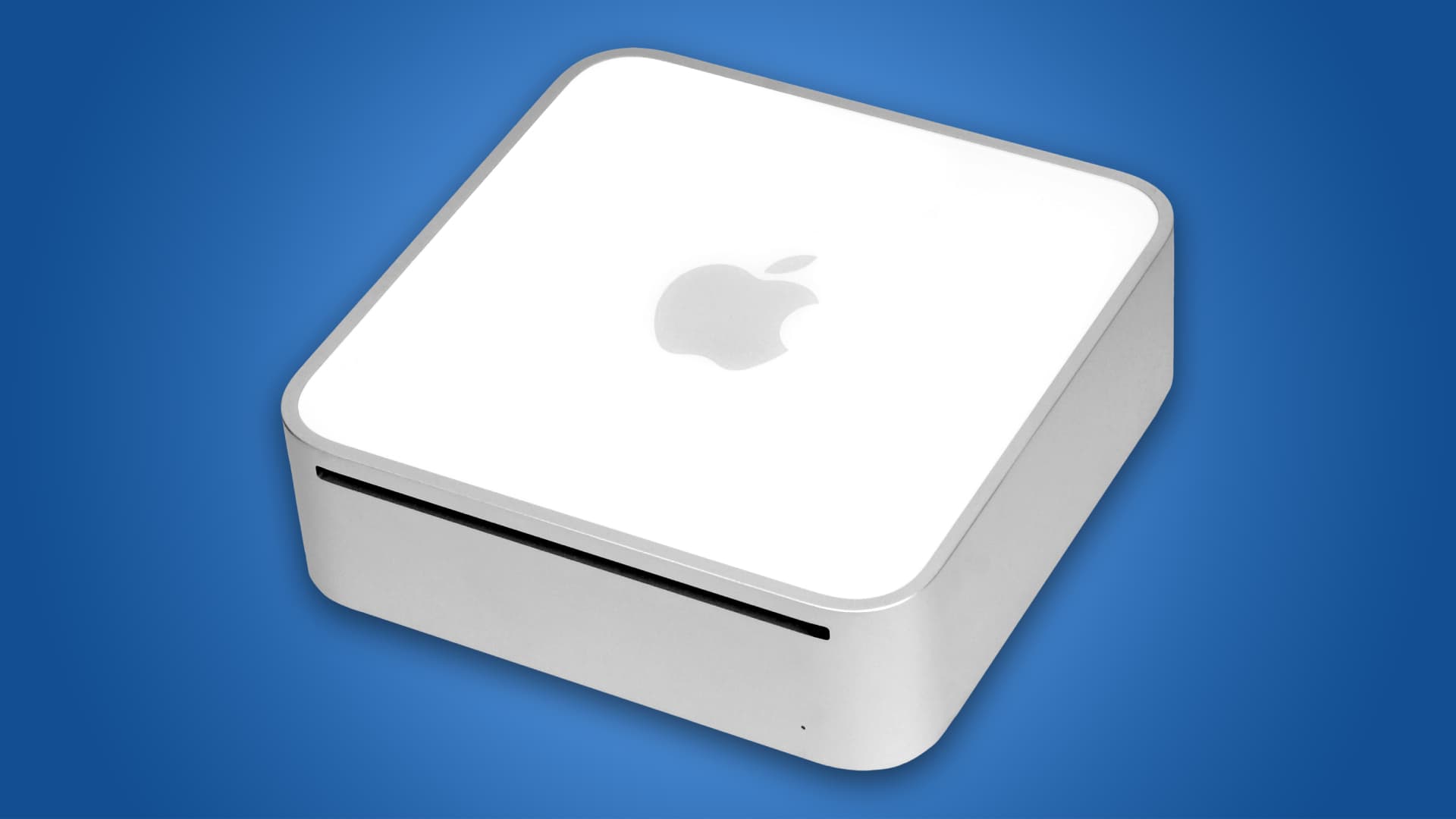
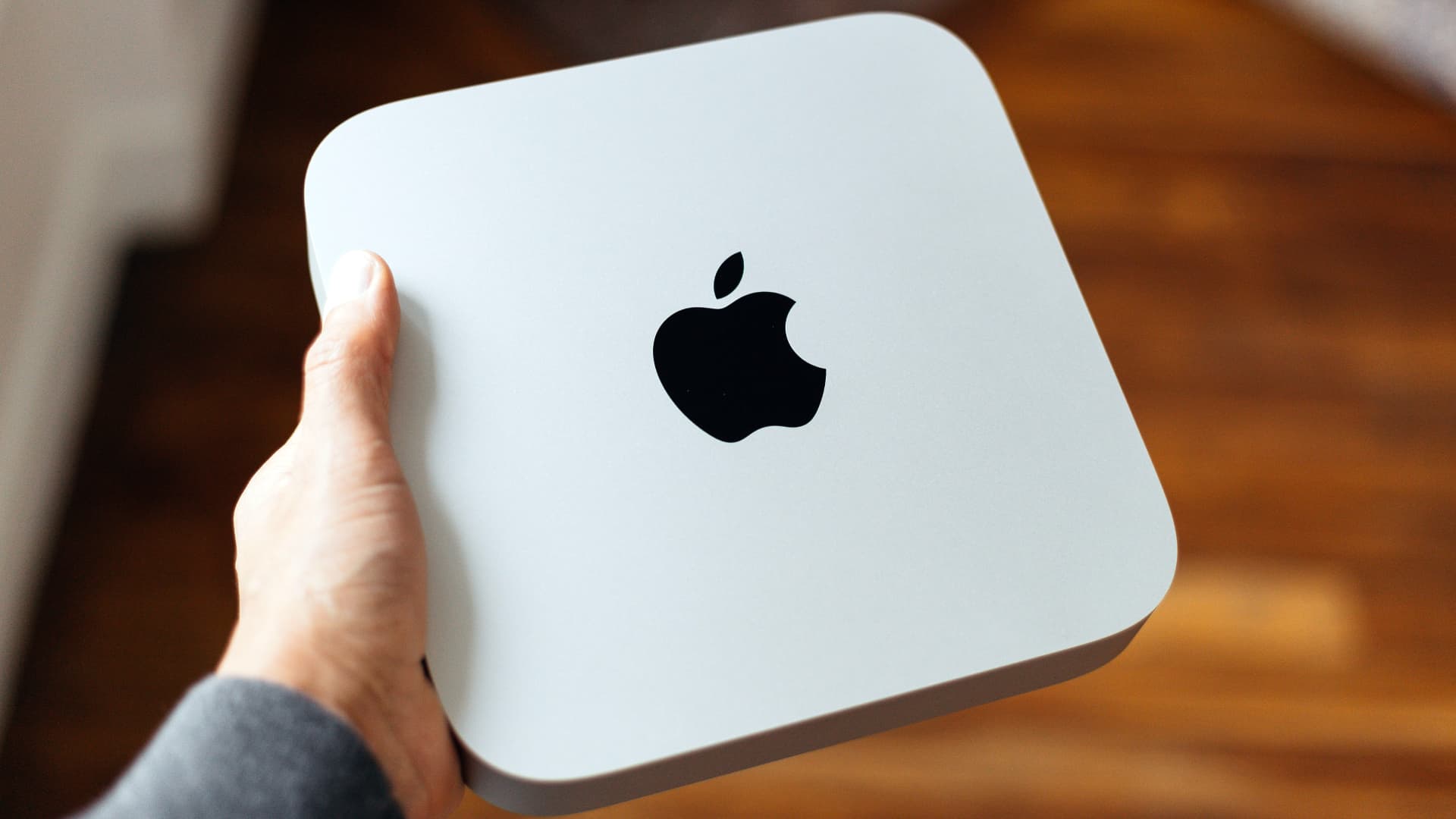
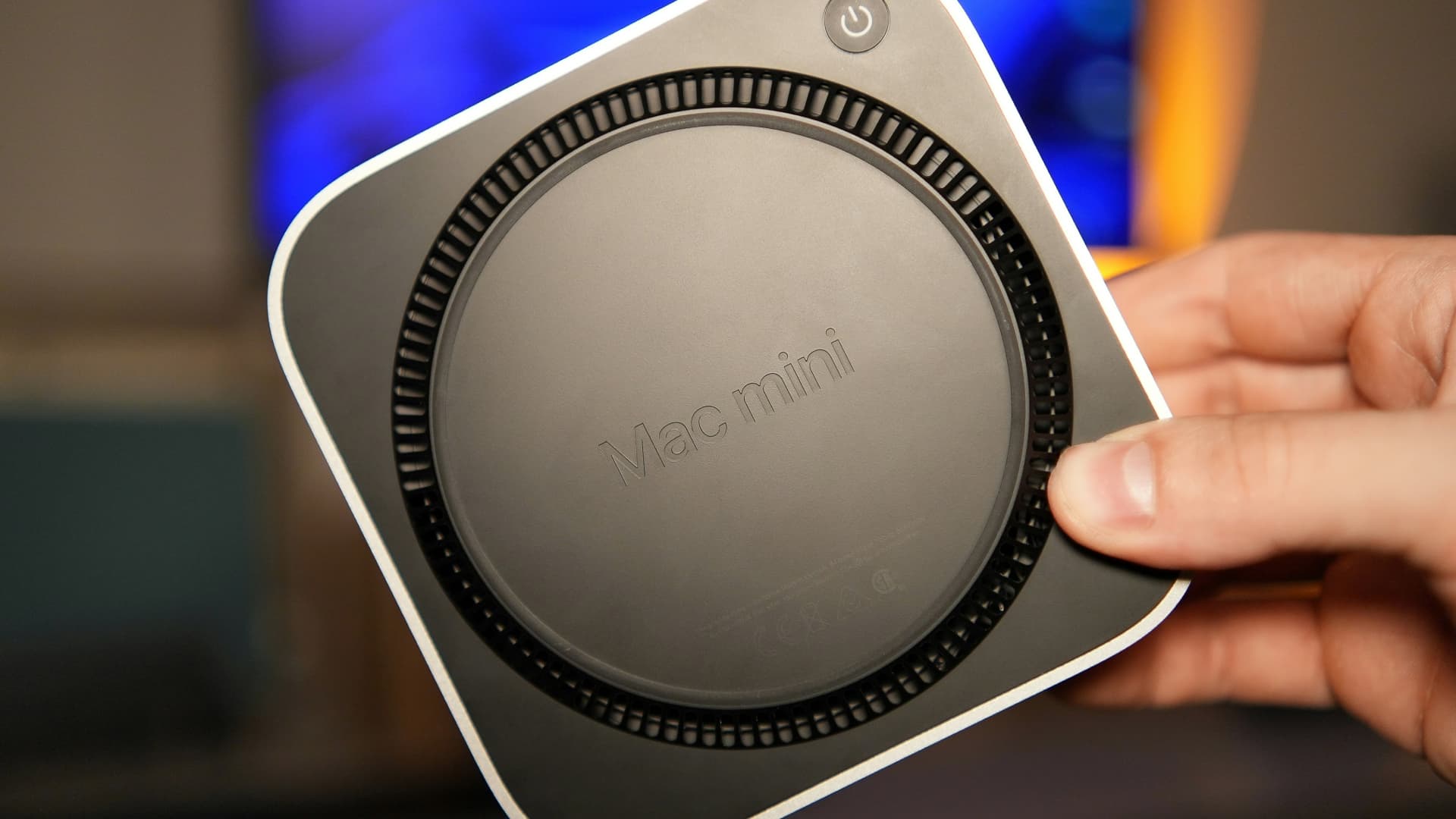
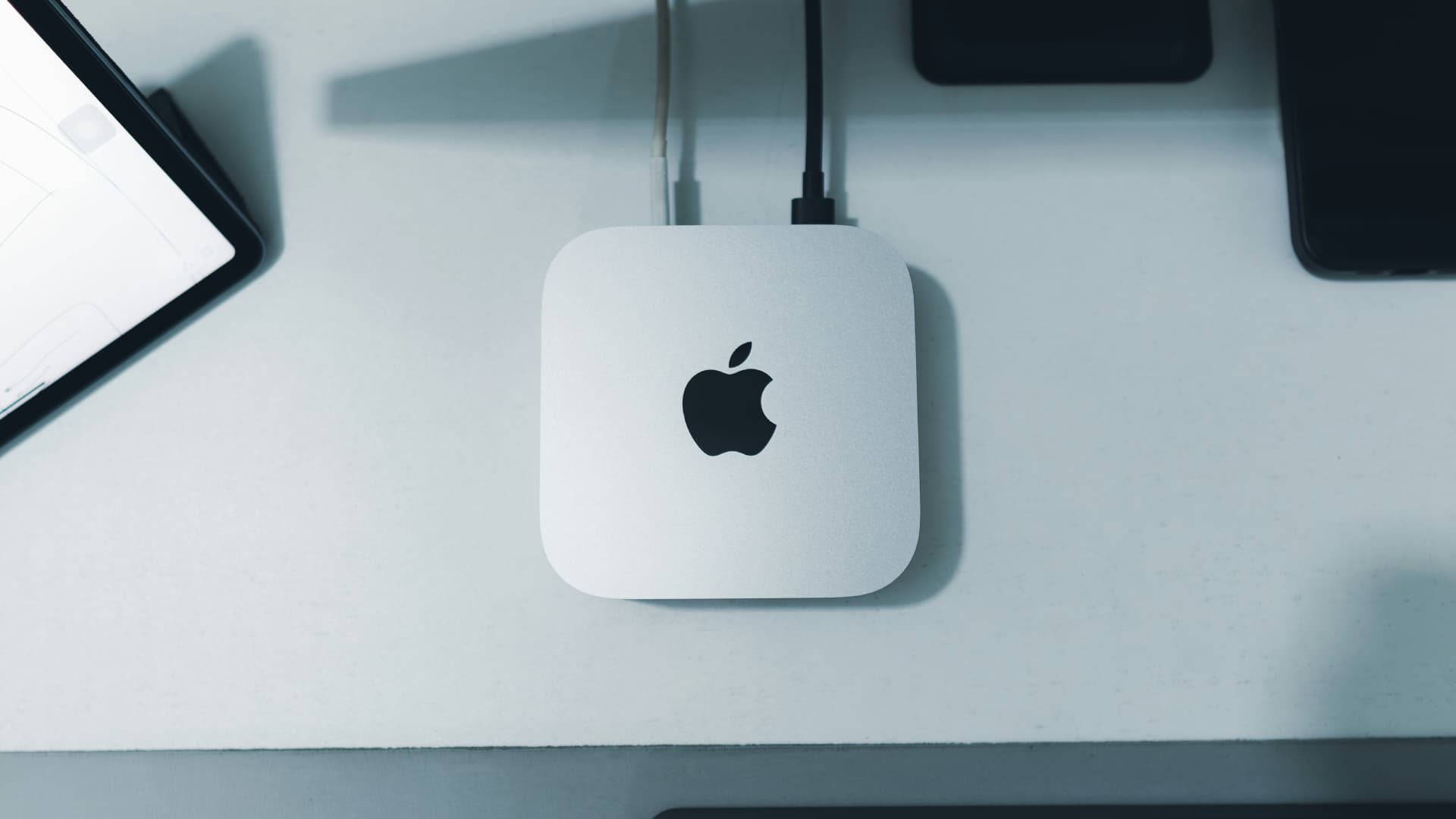
These days, the Mac mini is one of the best Macs money can buy, and arguably the best in terms of value for money. It packs tremendous power into its pint-sized frame, blowing away its rivals and rightfully taking its place as the best mini-PC on the market. If you’re after performance, features, and build quality at a fair price, it’s hard to beat.
A big part of that comes down to the Apple silicon chips that it offers. But the Mac mini wasn’t always outfitted with Apple’s own silicon. For almost 15 years, it was powered by Intel processors, and for a long time these were seen as the best option around – until Apple silicon came along, that is.
Today marks the 20th anniversary of the launch of the first-ever Mac mini powered by an Intel chip, and its introduction was almost as momentous as the unveiling of the first Apple silicon Mac mini in 2020. Here, we’re looking back at that first Intel Mac mini and the influence it had on the market and on Apple itself. It’s an impact that is hard to overstate.
The PowerPC era
Before the Intel Mac mini came along, Apple was running all of its computers on PowerPC chips. These were made by a consortium of companies – chiefly Apple, IBM, and Motorola – known as AIM, after their initials. The idea was to counter the dominance of Microsoft and Intel while giving the AIM companies an opportunity to work more closely together.
Apple originally started using PowerPC chips in 1994, but had grown weary of the platform’s limitations by the early 2000s. PowerPC processors ran hot and chugged energy at a rapid rate, which severely limited their potential in desktop computers. At the same time, both Motorola and IBM were backing out of the chip manufacturing business, leaving Apple in a tricky spot.
With Apple looking for an alternative, the company found its answer in the form of Intel and announced in 2005 that it would start transitioning to that company’s chips. The first Intel Macs were the iMac and the 15-inch MacBook Pro, which arrived in January 2006 and replaced the iMac G4 and the PowerBook, respectively. One month later, the Intel Mac mini arrived on the scene – and changed the world of small-sized PCs in an instant.
The first Intel Mac mini
When Apple brought Intel chips to the Mac mini, expectations were low. Apple had only launched one PowerPC Mac mini -- it was released in January 2005 -- and it met with a mixed reaction. While its compact frame, low noise, and affordable price generated praise, its sluggish storage speeds and the difficulty of upgrading its components drew criticism. That meant that Apple had a chance to effectively relaunch the Mac mini when the Intel model arrived a year later in February 2006.
If that was Apple’s goal, it largely succeeded. The headline improvement gained by the Intel Mac mini could be found in its performance. Apple boasted that the new model offered up to four times the performance of its PowerPC predecessor, an incredible step up and a remarkable statement of intent.
It also brought other new features not found in the PowerPC model, including Gigabit Ethernet, FireWire, DVI and VGA output, two additional USB-A ports, and more. Apple raised the starting price by $100 from $499 for the PowerPC edition to $599 for the Intel version, but considering its significant performance improvements, that wasn’t too surprising.
By packing such a huge performance uptick into an incredibly compact desktop computer, Apple demonstrated – to the world and, perhaps, to itself – that it was right to switch from PowerPC to Intel. Maybe more so than any other Mac, the Mac mini was symbolic of the new world of computing that was then emerging, and it wasn’t until the 2010s that things started to change.
Why did Apple give up on Intel?
By the late 2010s, Intel chips were starting to suffer from the exact same problems that befell PowerPC in the early 2000s. They were hot and inefficient, which caused them to frequently throttle when under load. This was particularly problematic in Apple’s laptops, as the company was shifting towards ever-thinner designs that had far less internal space for active cooling.
That could be seen clearly in 2015’s 12-inch MacBook: Intel’s chips were so inefficient that Apple had to resort to using Intel’s mobile M-series processors for the fanless laptop. Contrast that to the fanless MacBook Air today, which contains a desktop-class processor – something that was unimaginable back in the Intel days.
The inefficiency of Intel’s chips also meant that Apple’s computers would frequently have to spin up their fans, resulting in a loud, distracting experience for users. Steve Jobs, of course, hated that.
In the past, Jobs often insisted on omitting the fan from his computers in order to let customers work in complete silence – that was the case with the landmark iMac G3, for example, as well as the Apple III, the Macintosh 128K, and the eye-catching Power Mac G4 Cube. Selling laptops that were hot and loud was the antithesis of what Jobs wanted for Apple’s products. And if you know anything about Steve Jobs, you know that was a situation that couldn’t survive long.
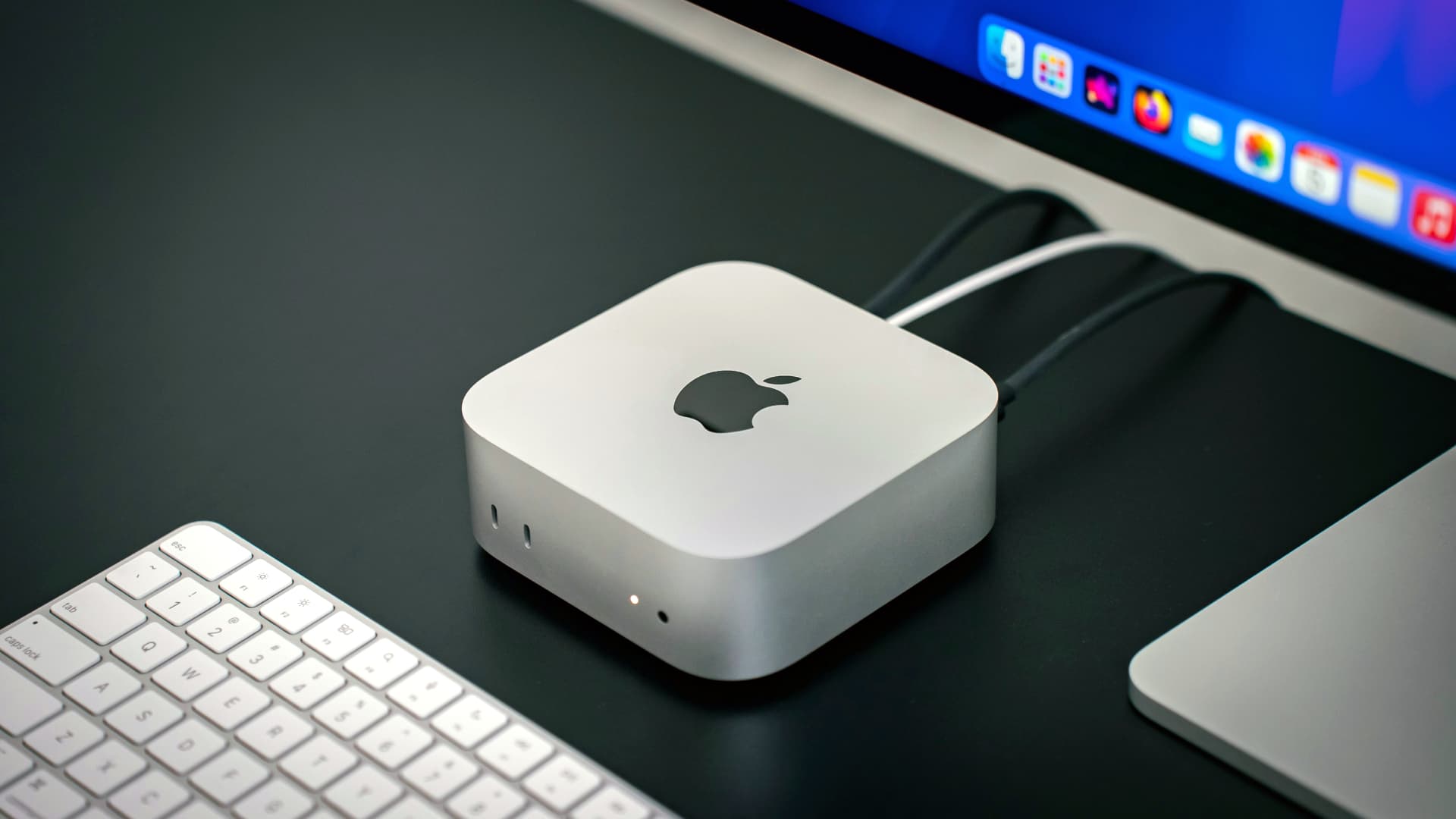
At the same time, Apple was already having notable success running its own chips. After all, the iPhone had been powered by an Apple-designed chip right from the get-go in 2007. These chips had long shown that they were capable of delivering both high performance and high efficiency at the same time, and it was this factor that made them a leading candidate for Apple’s computers.
Mirroring the transition to Intel chips, the first Apple silicon Mac mini ushered in a sea change in performance compared to its predecessor. Apple said the new M1 chip offered three times the CPU output of the previous Intel Mac mini and up to six times the graphics output. Machine learning, meanwhile, saw a mind-boggling 15x improvement.
The entry-level model with an eight-core M1 chip was priced at $699, which Apple pointed out was $100 less than the previous Intel edition, despite that product coming with a processor bearing half the number of cores. Overall, this was a serious step up after years of stagnation.
Nothing lasts forever, and it was clear by the late 2010s both that the Intel Mac mini’s goose was cooked and that Apple made the right decision to switch to its own chips. But that shouldn’t take away from what the first Intel Mac mini meant when it first arrived in 2006. While it was far from a perfect computer, it showed what a mini-PC could do when it was equipped with a fresh, performant processor.
On its 20th anniversary, it’s worth pondering the parallels with the introduction of Apple silicon – and what the future might hold for Apple’s dinkiest computer.
Follow TechRadar on Google News and add us as a preferred source to get our expert news, reviews, and opinion in your feeds. Make sure to click the Follow button!
And of course you can also follow TechRadar on TikTok for news, reviews, unboxings in video form, and get regular updates from us on WhatsApp too.







 English (US) ·