
 2 hours ago
8
2 hours ago
8
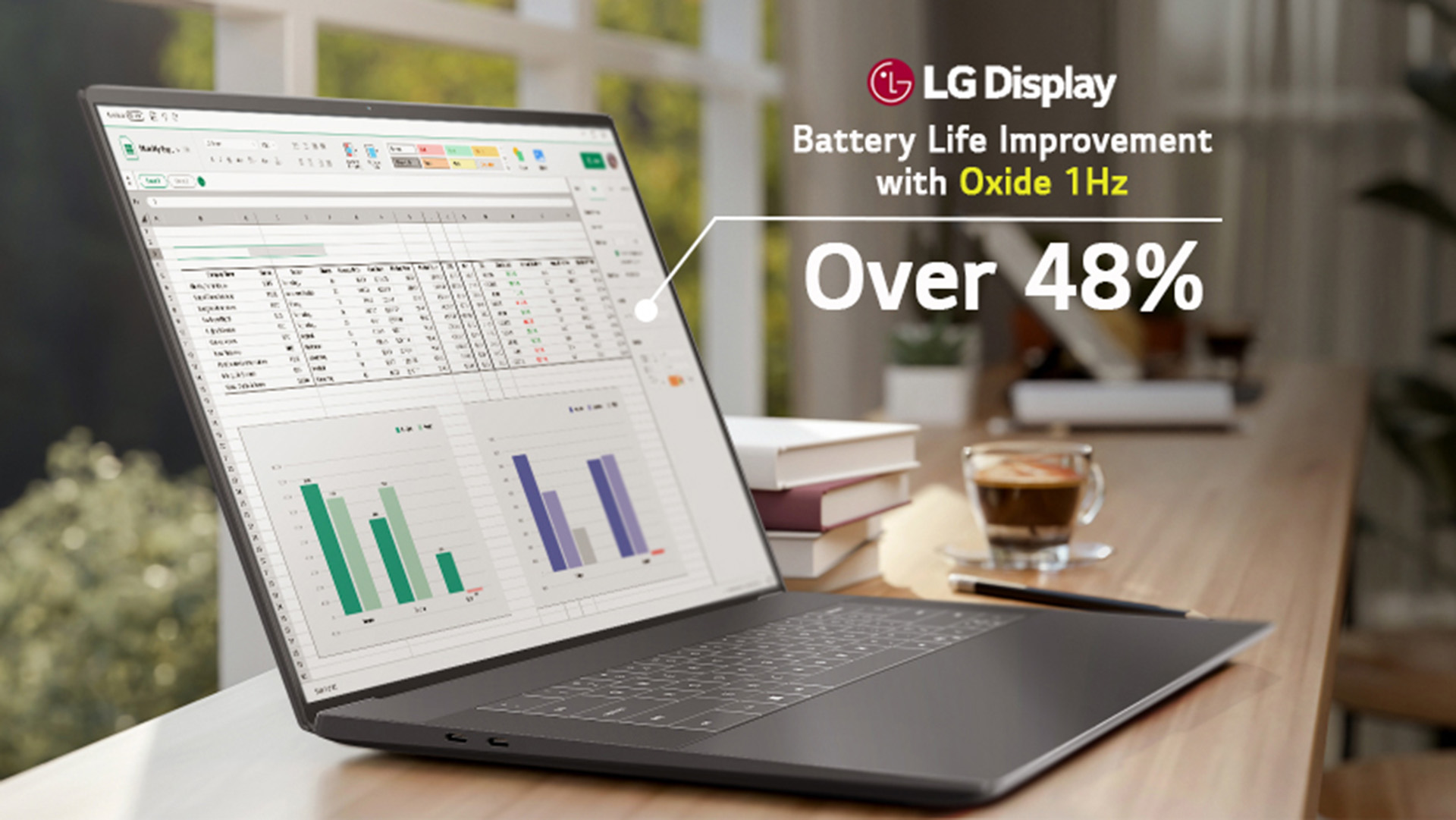
The Dell XPS 14, which features an LCD panel with a variable refresh rate (VRR) of 1Hz to 120Hz, is designed to increase laptop battery life endurance. According to tests conducted by Hardware Canucks, the Dell laptop achieved 43 hours and 3 minutes running completely on battery while doing just light Chrome Web Browsing. By comparison, the 15-inch M5 MacBook Air achieved 14 hours and 30 minutes on the same test — a massive difference of 28 hours and 33 minutes.
MacBook Air M5 vs Dell XPS 14 - Closer than you Think? - YouTube
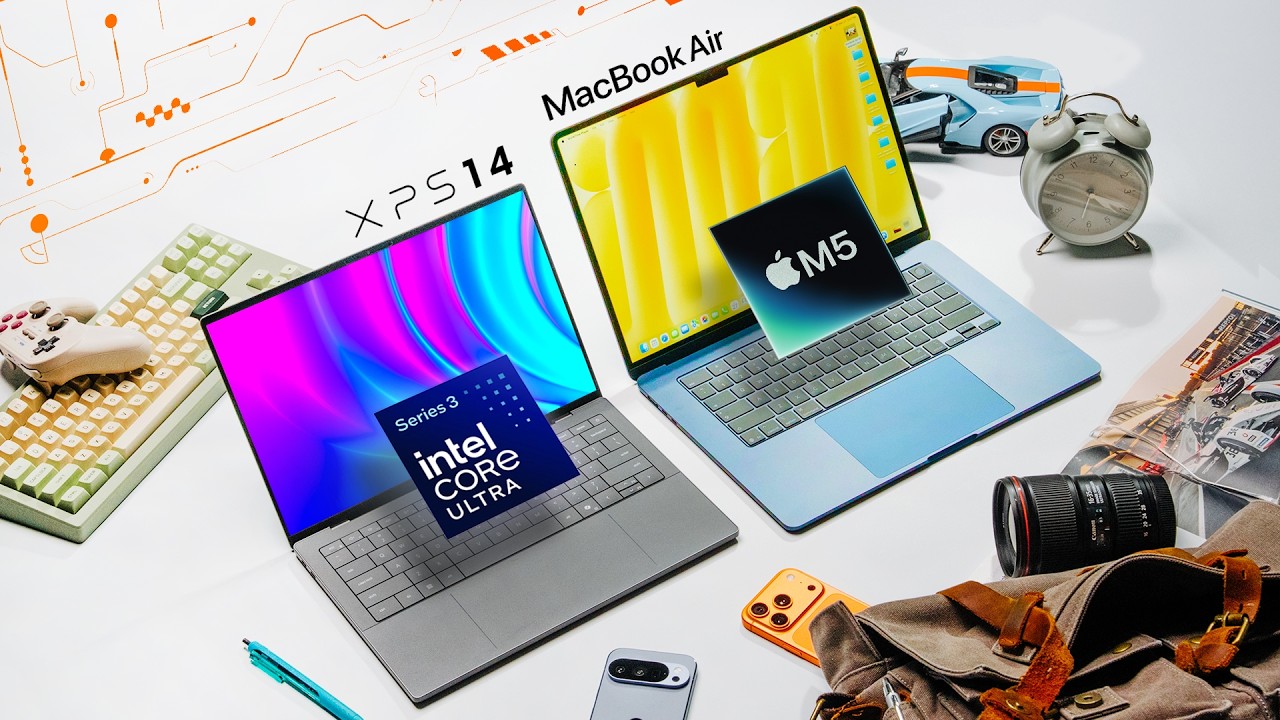
The XPS also outlasted the MacBook Air in 4K YouTube playback, with the Windows laptop achieving 20 hours and 21 minutes before running on empty, versus the MacBook’s 14 hours and 2 minutes. The only time Apple outshone Dell was in gaming, where the MacBook Air lasted for 4 hours and 10 minutes (versus the XPS’s 2 hours and 38 minutes).
To ensure that the settings between the two laptops were comparable, both devices were set at 150 nits brightness with HDR off. While it does help that the XPS has a slightly larger 70Wh battery compared to the MacBook Air’s 66.5Wh, that still does not explain the massive difference in endurance between the two laptops.
Article continues below
It’s apparent that the LG display found on the XPS 14 drives the power savings, which allowed the Dell laptop to shift down to a 1 Hz refresh rate when a higher rate is unneeded.
We’ve seen impressive results ourselves in our review of the Dell XPS 14 (2026). While we did not achieve the nearly two-day battery life, we were still able to hit 20 hours and 41 minutes in our test. This is the best result we’ve seen in an x86 laptop and beats the M5 MacBook Pro’s 18 hours and 14 minutes endurance. Our tests are a bit different, though, as we combined web browsing, video streaming, and OpenGL tests for our battery run with the screen set at 150 nits of brightness. This is quite a bit more intense than the light web browsing tests conducted by Hardware Canucks.
The only downside to the Dell XPS 14 (2026), which had the amazing battery life, was that it had an LCD panel. While it does give you excellent battery endurance and a higher maximum brightness, it compromises on resolution and color accuracy. The OLED XPS 14 offers 2880 x 1800 pixels and 89.7% coverage of the DCI-P3 color space and 126.6% of the sRGB gamut. By comparison, the LCD model only had a 1920 x 1200 resolution, while its DCI-P3 coverage only sat at 71.4%. Still, that does not mean that you’ll have to pick between battery life and color accuracy in the future, as LG said that it plans to launch an OLED version of this VRR display by 2027.

Follow Tom's Hardware on Google News, or add us as a preferred source, to get our latest news, analysis, & reviews in your feeds.





 English (US) ·