

Published Apr 22, 2026, 9:00 AM EDT
Ben Sherlock is a Tomatometer-approved film and TV critic who runs the massively underrated YouTube channel I Got Touched at the Cinema. Before working at Screen Rant, Ben wrote for Game Rant, Taste of Cinema, Comic Book Resources, and BabbleTop. He's also an indie filmmaker, a standup comedian, and an alumnus of the School of Rock.
Television was designed to be disposable entertainment, tossed out on the airwaves and forgotten about a week later, but some TV shows actually reward a rewatch. Shows like Dark and Twin Peaks are jam-packed with clever little details you only notice the second or third time around.
The most masterfully written TV comedies, from Police Squad! to Arrested Development, are chock full of so many jokes that you can’t possibly catch them all on the first viewing. These are the most satisfying TV shows to rewatch.
The Expanse
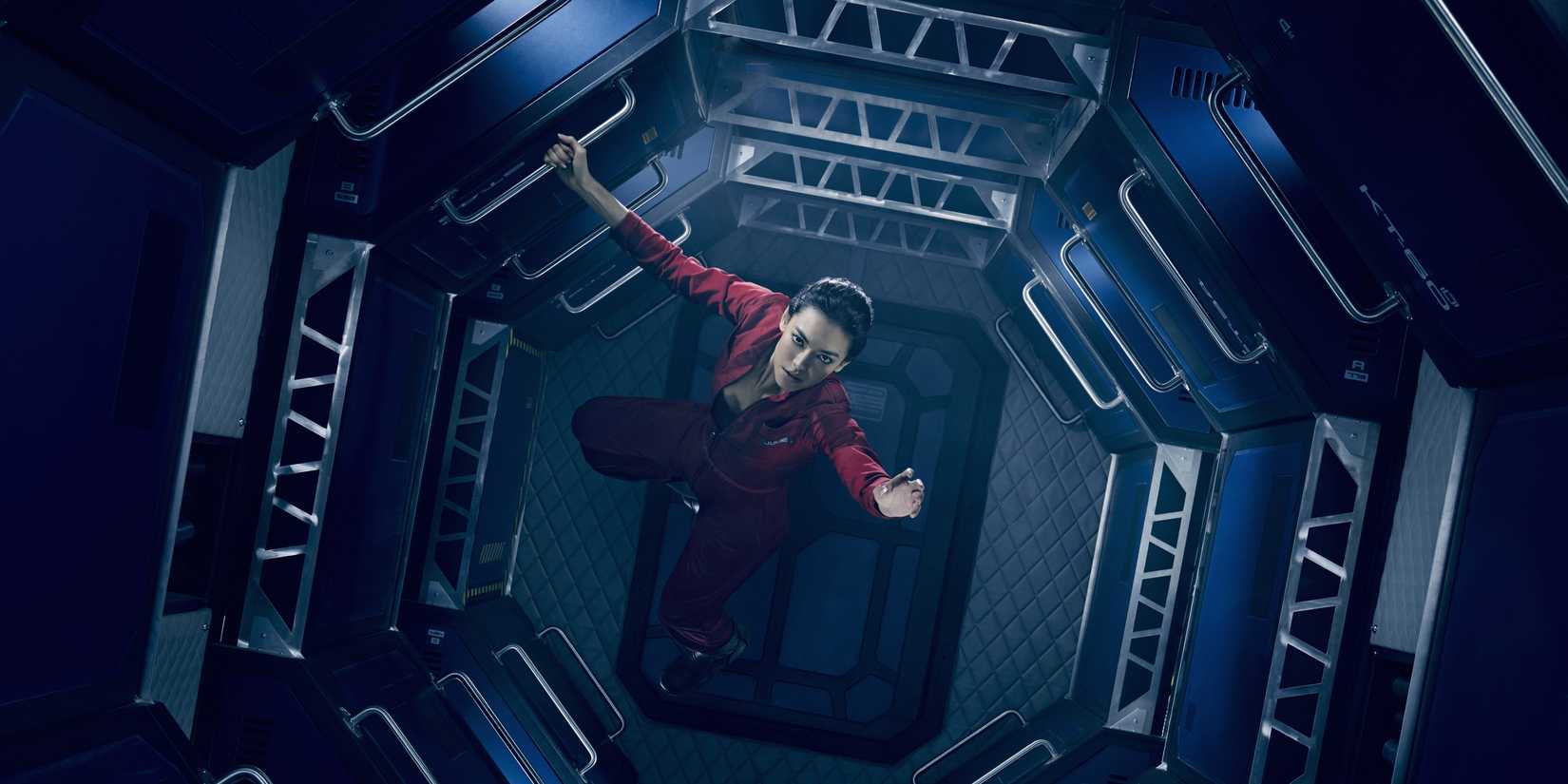
Since The Expanse was being adapted from a series of books, and the authors of those books were in the writers’ room, they were able to smuggle in a lot of foreshadowing in the early seasons. They knew where it was going, so they set the stage early on.
The first time around, you don’t even notice the foreshadowing. But on the second viewing, you can spot these hints left and right.
Breaking Bad

When you know where it’s headed, Breaking Bad becomes even more engaging. Once you’ve seen it all the way through, and you know where Walter White’s story will take him, you’re on the edge of your seat, dreading each twist and turn.
After you’ve already finished the series, and you know how monstrous Walt will become by the final season, you appreciate Bryan Cranston’s performance even more. Walt’s gradual transformation really shines in a binge-watch.
Six Feet Under
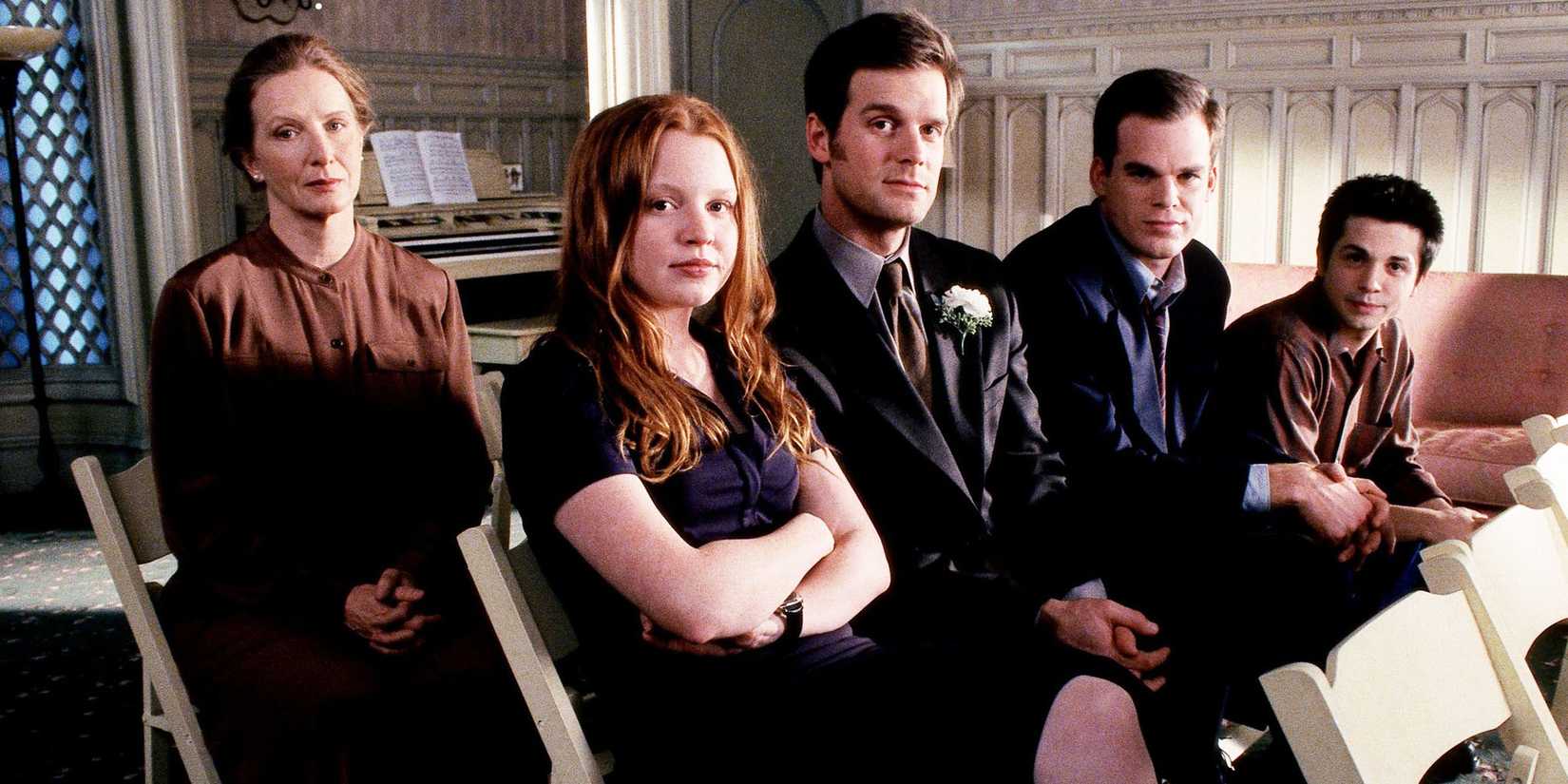
Six Feet Under is a completely different show at every stage of life. If you watched it as a teenager and rewatch it as an adult, or watched it as an adult and rewatch it in your twilight years, it’ll be a totally new experience; it’ll speak to you in different ways than it did before.
It’s such a keenly observed portrait of humanity, and such a profound meditation on death and mortality, that it always hits different. And it doesn’t hurt that its final episode is quite possibly the greatest series finale ever produced.
Police Squad!

The tragically short-lived television classic that kicked off the Naked Gun franchise, Police Squad!, was a rewatchable TV show before rewatching TV shows was even a thing. That’s why it was canceled after six episodes: the audience had to actually pay attention to catch all the jokes.
Police Squad! parodied old-school cop shows with Airplane!-style sight gags and wordplay. Every episode is so chock full of jokes that you barely scratch the surface on the first viewing.
Mad Men
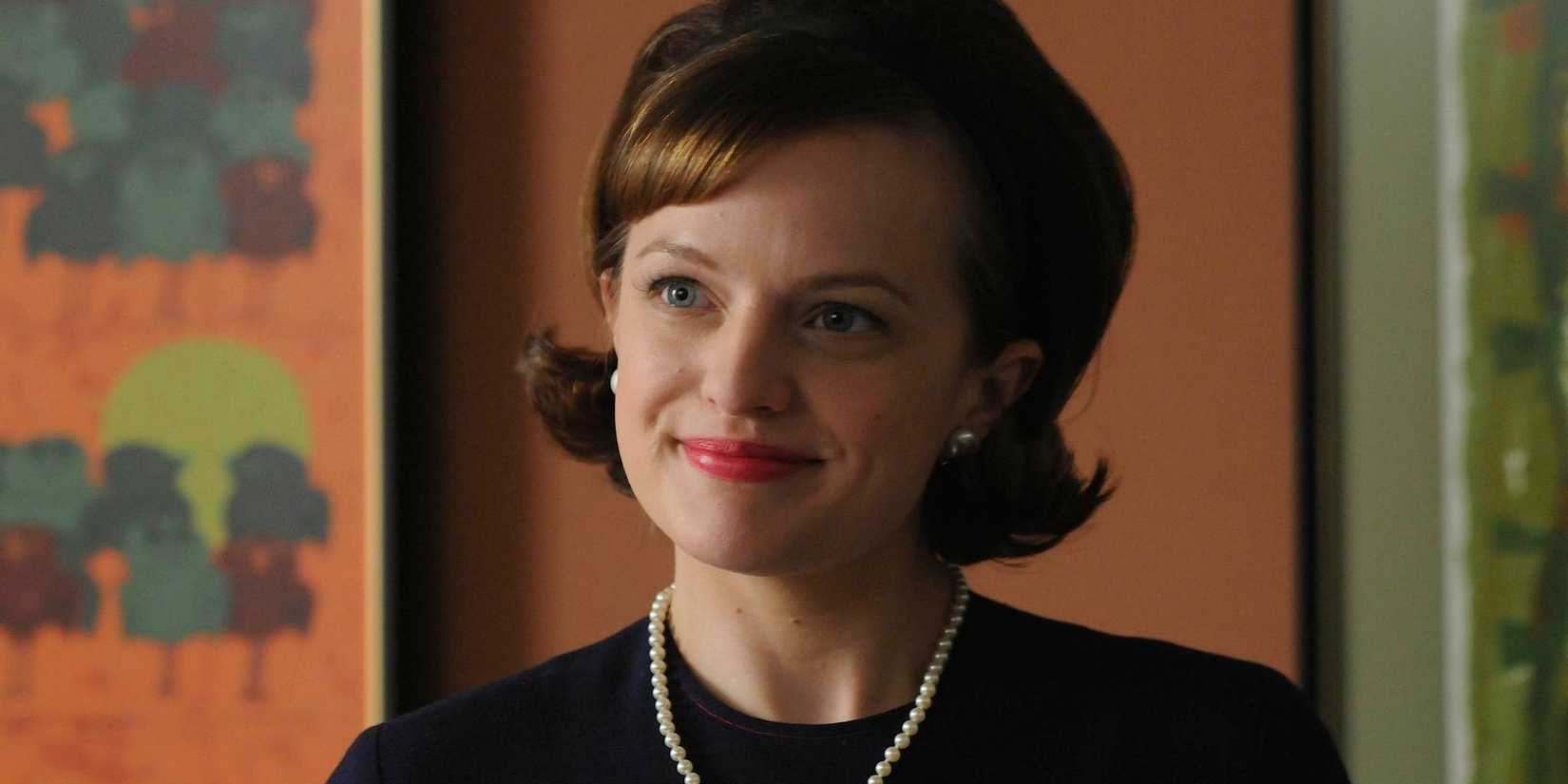
Very few TV shows have writing as layered as Mad Men. This 1960s-set New York office drama has some of the densest, smartest character writing in the business.
The characters of Mad Men are brimming with subtext. They’ll say one thing, but really mean another, or they’ll lie to the people closest to them, or they’ll lie to themselves. When the characters are that complicated, you can’t just watch the show once.
30 Rock

It’s absurd how many jokes and visual gags Tina Fey and her team of writers were able to cram into every single episode of 30 Rock. This show is wall-to-wall laughs, on the same elite level as the golden age of The Simpsons, and unlike The Simpsons, it never had a dip in quality.
30 Rock hit the ground running with a stellar first season, then just got better and better for the next six seasons, and bowed out while it was still on top. Looking back on it now, it’s insane just how layered 30 Rock’s comedy is.
Deadwood

David Milch’s revisionist western Deadwood is one of the most thoroughly researched historical dramas ever made. It’s a fully comprehensive chronicle of the annexation of this South Dakota territory.
The ensemble cast is stacked with nuanced portrayals of notorious real-life figures, and the show itself revolutionized the western. Plus, the gorgeously lit cinematography never gets old.
The Sopranos

David Chase revolutionized television with The Sopranos. He threw all the time-tested TV conventions out the window and followed a New Jersey mob boss with mommy issues in and out of therapy sessions, murder scenes, family dinners, and his own disturbed dreams.
The Sopranos masterfully uses Dr. Melfi’s sessions to analyze its own storytelling. Every time something happens to Tony, he unpacks it in therapy, and tries to find the meaning in his own TV show.
The Twilight Zone
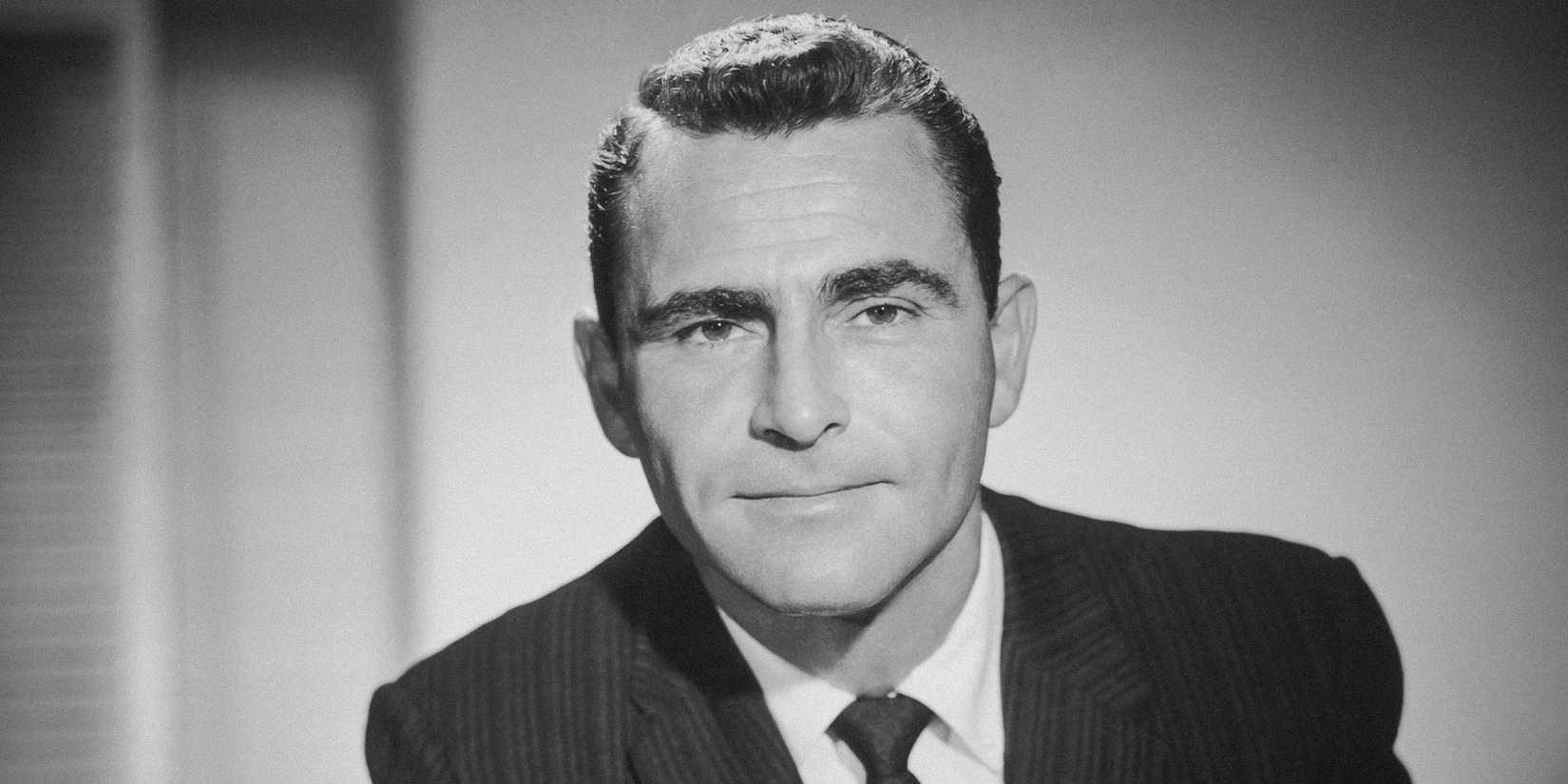
Just about every episode of Rod Serling’s groundbreaking anthology The Twilight Zone culminates in a shocking twist ending. A bookworm’s glasses break, or it turns out the aliens were human all along.
So, when you rewatch those classic episodes, you can anticipate the twist, and look out for all the hints. Since Serling used allegories to tackle contemporary political issues, those stories remain timeless.
Better Call Saul
 Greg Lewis / ©AMC / Courtesy Everett Collection
It’s rare that a spinoff comes close to matching the original, but Better Call Saul might be even more complexly layered and deeply philosophical than Breaking Bad. It’s another deep-dive character study of a fundamentally flawed antihero, but this one is even more complicated.
Jimmy McGill’s story unfolds on a few separate timelines: the pre-Breaking Bad timeline, where we see a wayward young lawyer go down a dark path after failing to outrun his criminal past; the post-Breaking Bad timeline, where we see a fugitive in hiding; and everything before, after, and in between. You have to watch it a second time, when you can see the whole picture.






 English (US) ·