
 Image courtesy of MovieStillsDb

Published Nov 6, 2026, 1:05 AM EST
Cathal Gunning has been writing about movies, television, culture, and politics online and in print since 2017. He worked as a Senior Editor in Adbusters Media Foundation from 2018-2019 and wrote for WhatCulture in early 2020. He has been a Senior Features Writer for ScreenRant since 2020.
Sign in to your ScreenRant account
While one sci-fi series from the late 2000s ran the risk of running out of juice early on, the Fox show managed to avoid this fate with a killer monster-of-the-week formula. Even though David Lynch and Mark Frost’s legendary ABC murder mystery Twin Peaks was one of the first major hit TV shows to combine supernatural story elements and a police procedural plot, it was a later hit that refined this formula perfectly.
Twin Peaks famously told one overarching serialized story about the titular town, so the show lost its proverbial steam when the murder mystery at its center was finally solved early in season 2. The classic ‘90s sci-fi cop show The X-Files learned from this by dropping the season-long storylines in favor of case-of-the-week episodes. Of course, being a paranormal cop show, The X-Files focused on monster-of-the-week stories, rather than ordinary criminal cases.
This gave viewers the best of both worlds, fusing the reliable, consistent formula of a police procedural show like JAG, NCIS, CSI, Law & Order, or FBI with the novel, ever-changing supernatural threats that the heroes encounter every week. Viewers could be comfortably certain that David Duchovny’s Mulder and Gillian Anderson’s Scully would predictably tackle a new case in each episode, and just as certain that the monsters they faced would be utterly unpredictable. It was a satisfying mix of consistency and invention that clearly shaped the later procedural Fringe.
Fringe's Monster-Of-The-Week Formula Saved The Series
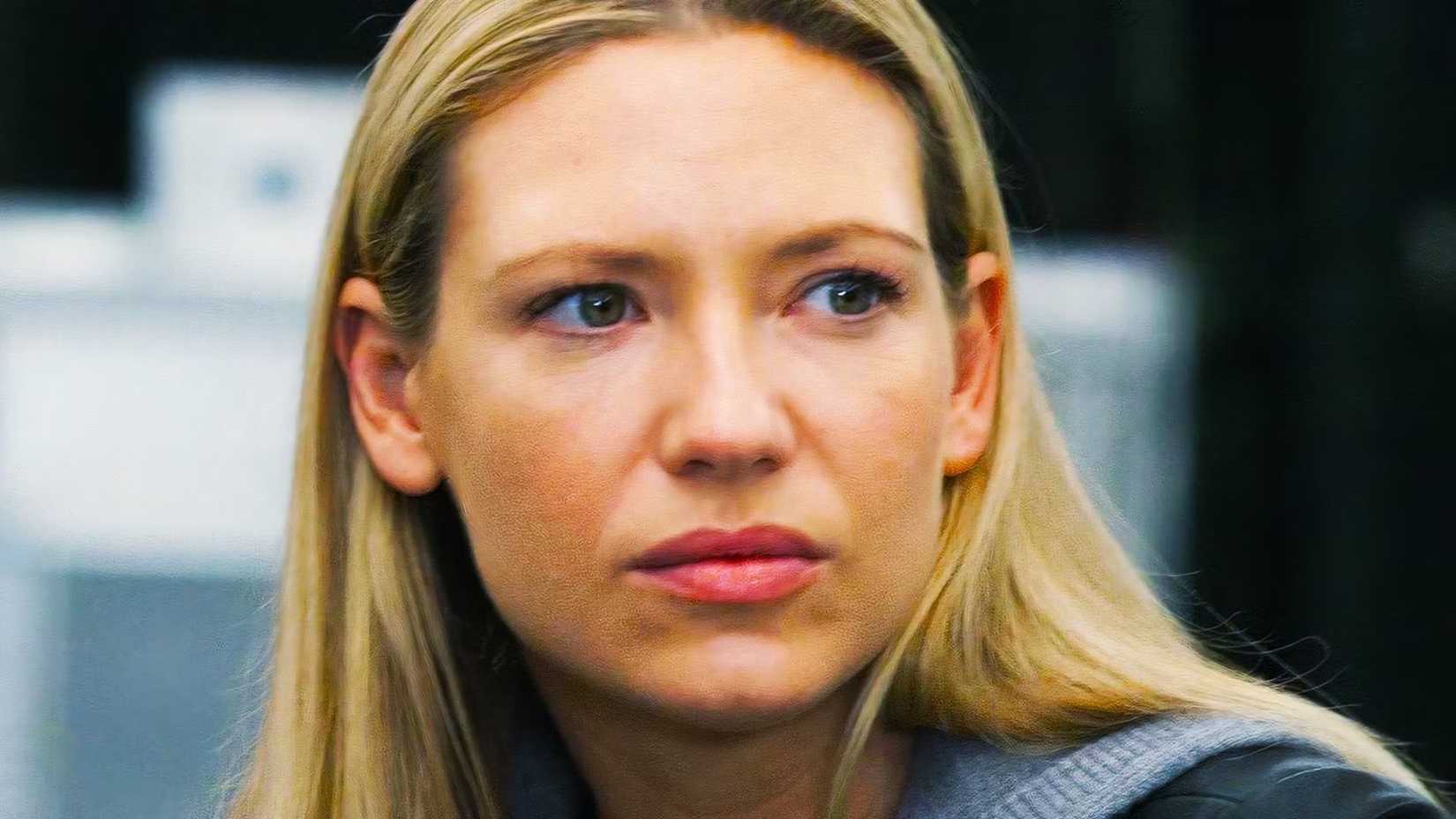 Image vis Everett Collection
A lot of shows were heavily influenced by The X-Files and its blend of cop show tropes and paranormal plot elements. Everything from Grimm to Lucifer, to the CW’s 15-season hit Supernatural, to even the teen drama Buffy the Vampire Slayer borrowed elements of the show’s winning formula. However, it was Fringe that stood out as a true spiritual successor to The X-Files throughout the show’s 100-episode run.
Like The X-Files’ Mulder and Scully, the protagonists of Fringe were a mismatched male/female pair of FBI Agents. However, although Anna Torv’s Olivia Dunham was initially bamboozled by the bizarre theoretical science she encountered upon joining the Fringe Division, a Joint Federal Task Force committed to investigating pseudoscientific phenomena, she didn’t remain as skeptical as Scully for long. Her partner, Joshua Jackson’s Peter Bishop, was less passionate about ‘The truth’ than Mulder, but only because of how much he knew about it.
Unlike their X-Files counterparts, Peter and his father, John Noble’s quirky scientific researcher John, were committed to containing and covering up the bizarre scientific phenomena they encountered instead of exposing them. Even with this change, the show’s premise could have worn out very quickly, but luckily, Fringe nailed the most important part of The X-Files’ success. Namely, the series combined some overarching storylines with regular monster-of-the-week plots.
Fringe Was The True Successor To The X-Files
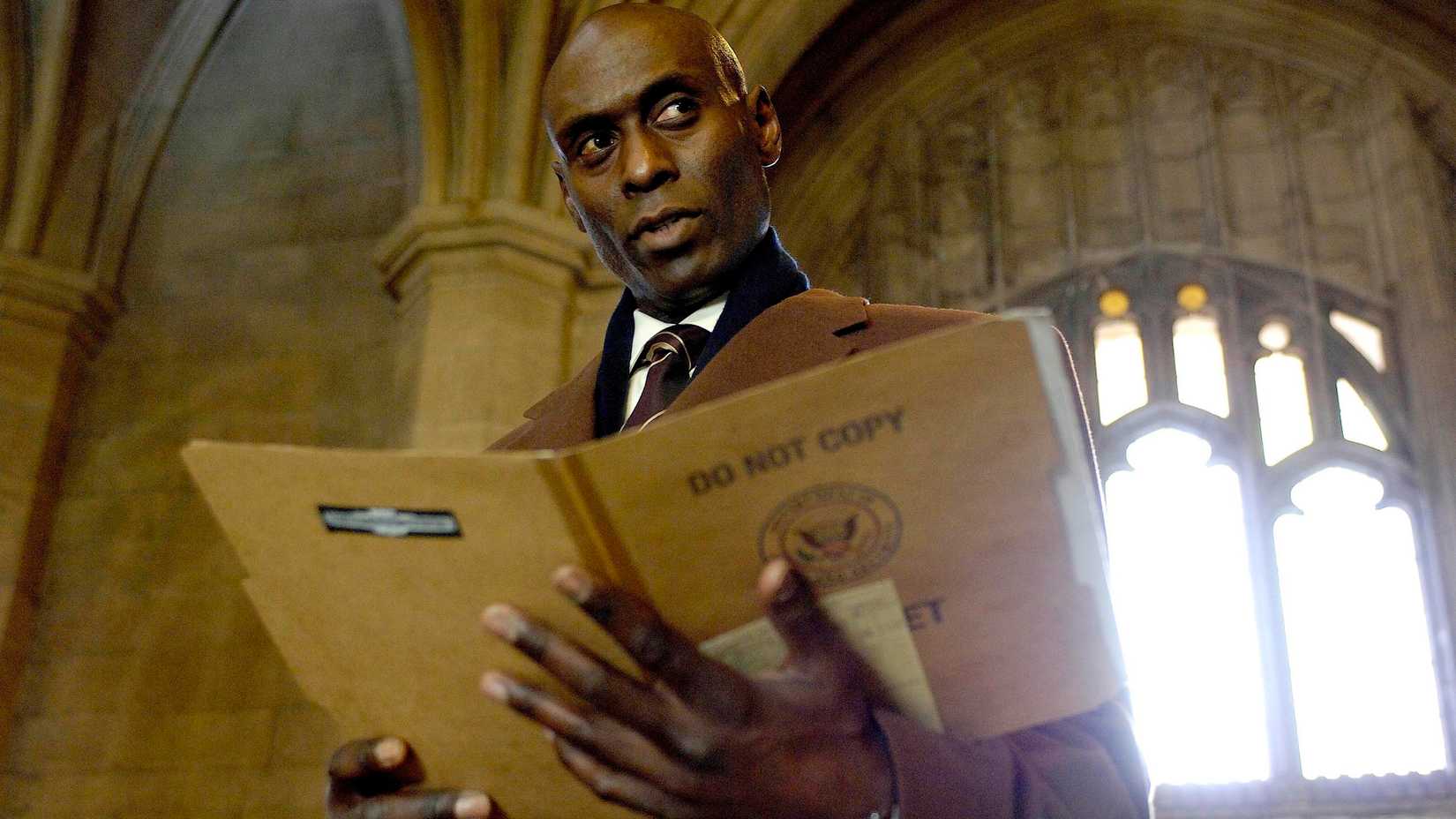
This gave Fringe access to the best of both worlds, appropriately enough for a series that introduced many viewers to the concept of the multiverse and parallel realities. Many episodes, like SyFy’s underrated X-Files follow-up Warehouse 13, focused on one-off villains and threats in self-contained stories that viewers enjoyed due to their novelty value. Then, occasional mytharc episodes fleshed out the larger lore of Fringe’s fictional universe.
In an era where the complex storytelling of streaming shows is now commonplace and binge-watching has profoundly transformed how much information writers can pack into each episode, the innovation of the “mytharc” from The X-Files may not seem so impressive. However, the Fox series was one of the first procedurals to thread a series-long storyline throughout its weekly outings.
Fringe took this approach further, exploring time travel, multiverses, and other knotty, complex sci-fi concepts within the comforting confines of a procedural format. As such, Fox’s Fringe paved the way for more complex and ambitious storytelling on the small screen.
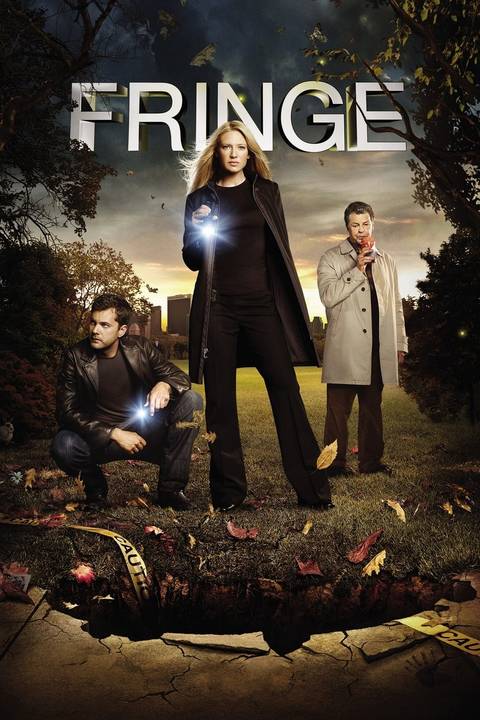
Release Date 2008 - 2013-00-00
Network FOX
Showrunner Jeff Pinkner
Directors Brad Anderson, Fred Toye, Jeannot Szwarc, Charles Beeson, Akiva Goldsman, David Straiton, Dennis Smith, Jeffrey G. Hunt, Paul A. Edwards, Paul Holahan, Thomas Yatsko, J.H. Wyman, Jon Cassar, Miguel Sapochnik, P.J. Pesce, Adam Davidson, Anthony Hemingway, Bill Eagles, Bobby Roth, Bryan Spicer, Christopher Misiano, Chuck Russell, David Moxness, David Solomon
Writers Graham Roland, Alison Schapker, Josh Singer, David Fury, Monica Owusu-Breen, David Wilcox, J.R. Orci, David H. Goodman, Glen Whitman, Robert Chiappetta, Ashley Miller, Zack Stentz, Zack Whedon, Julia Cho, Matt Pitts, Ethan Gross, Jeff Vlaming, Jason Cahill, Felicia D. Henderson, Justin Doble, Nora Zuckerman, Christine Lavaf, Lilla Zuckerman
-

Joshua Jackson
Peter Bishop
-









 English (US) ·