Ryan Heffernan is a Senior Writer at Collider. Storytelling has been one of his interests since an early age, with his appreciation for film and television becoming a particular interest of his during his teenage years.
This passion saw Ryan graduate from the University of Canberra in 2020 with an Honours Degree in Film Production. In the years since, he has found freelance work as a videographer and editor in the Canberra region while also becoming entrenched in the city's film-making community.
In addition to cinema and writing, Ryan's other major interest is sport, with him having a particular love for Australian Rules football, Formula 1, and cricket. He also has casual interests in reading, gaming, and history.
A gripping mystery is one of cinema’s greatest treats. It may take the form of a gritty murder investigation, simmer and stir as a suspenseful courtroom thriller, or simply weave a tale of intrigue and red herrings while exploring an integral secret in a person’s past. Yet, the simple premise of posing a question that proves to be elusive and difficult to answer has made for some of the greatest and most intelligently written movies of all time.
These movies showcase exactly that as they invite viewers to revel in complex tales of deception and darkness, to bask in the beautiful angst and agony of not knowing what comes next as a confounding mystery unfurls before them. The mysteries themselves are as baffling as they are brilliant, staying one step ahead of the audience while exhibiting piercing thematic conviction, incredibly precise storytelling instincts, and some of the cleverest, most inspired writing and filmmaking of all time. From the enigmatic and elaborate to the methodical and meticulous, these movie mysteries are the pinnacle of the genre.
'Memento' (2000)
Image via Newmarket Films
Much has been said about the structural and conceptual genius of Memento. The Christopher Nolan movie runs in reverse, placing viewers in Lenny’s (Guy Pearce) headspace as the anterograde amnesiac hunts down the criminals that murdered his wife. The reverse-chronological approach and the deft intersection of the A-plot and B-plot are masterfully executed, but it is underappreciated just how brilliant the unfurling of the film’s developing mystery is.
From the very first scene, viewers know that Leonard succeeds in killing his target, making the initial mystery question feel redundant. But Memento quickly evolves into something far more compelling and sinister as its back-tracking narrative reveals the oblivious protagonist being manipulated and misled by those he trusts. Suddenly, such questions of “Did Leonard kill the right man?”, “To what end is he being deceived?”, and “How many people has Leonard killed?” flood the viewer’s mind. The way it flips the genre inside out is exceptional, with Memento still standing as one of the most beloved and innovative mystery movies.
'Witness for the Prosecution' (1957)
Image via United Artists
Based on Agatha Christie’s deliciously twisty stage play of the same name, Witness for the Prosecution delivers an addictive marriage of courtroom jousting and mystery suspense anchored by an assembly of great performances and Billy Wilder’s typically sublime direction. Charles Laughton stars as Sir Wilfrid Robarts, a lawyer defending a client accused of murder whose airtight alibi is thrown into chaos when the defendant’s wife takes the stand against him.
The unique approach to mystery drama through the lens of the courtroom allows Witness for the Prosecution to deliver many outrageous shocks en route to the truth, especially as backstories and hidden motivations are completely reshaped. Its razor-sharp mystery instincts are only compounded by Wilder’s ability to lean on societal expectations and prejudices that allow preconceived ideas to be weaponized as sympathies sway with each new detail. Twisty, tantalizing, and shocking, Witness for the Prosecution is the epitome of mystery cinema at its invigorating best.
'Predestination' (2013)
Image via Pinnacle Films
Sci-fi and mystery investigation go together surprisingly well. Typically, the mystery sacrifices aspects of intrigue and depth to act in service of the sci-fi spectacle’s thematic gravitas; Blade Runner, Solaris, and 12 Monkeys are all brilliant examples. The underrated sci-fiPredestination should be viewed similarly, but it flips the script on its use of genre tropes by employing its genre concepts as accessories to enrich and enhance the central mystery.
The time-jumping and identity-shifting mayhem revolves around a temporal agent’s time-traveling pursuit of a terrorist known as the “Fizzle Bomber,” who ignites a deadly explosion in New York in 1975. Combining elite crime suspense with elaborate sci-fi concepts, the film works its violently twisting mystery into a disturbing bootstrap paradox. Rewatching the movie becomes essential for many to grasp the full breadth of the truth that is revealed, making Predestination an ingenious mystery thriller that meshes its crime suspense and time-travel sci-fi elements to perfection.
'Mulholland Drive' (2001)
Image via Universal Pictures
Given the movie itself is a surrealist enigma of Hollywood ambition and identity shrouded in layers of deceit, dissonance, and dreamlike eeriness that calls the reality of every scene into question, Mulholland Drive never tries to deliver a comprehensible mystery. As overwhelming as it may be, the journey is more valuable than the destination, with David Lynch’s command over style, tone, and aesthetic beauty combining with an unraveling mystery to make for a uniquely hypnotic viewing experience.
Mulholland Drive primarily follows aspiring actress Betty Elms (Naomi Watts) as she befriends Rita (Laura Harring), a woman suffering amnesia, and tries to help her ascertain her true identity. That candy-colored fantasy of friendship is eventually revealed to be a lie concealing a hideous truth of broken dreams, but as the story grows increasingly volatile, so too does the mystery of identity and reality. Bizarre yet brilliant, Mulholland Drive unravels in a manner that demands repeat viewings to even begin being understood, making for one of the most elaborate and creative mysteries ever put to screen.
'Citizen Kane' (1941)
Image via RKO Radio Pictures
While mystery drama almost always pertains to murder investigations or high-stakes crime cases, it doesn’t necessarily always need to be so drastic in order to thrive. The greatest testament to this is the iconic Citizen Kane, which weaves an engrossing mystery of identity, motivation, and longing as it follows a reporter tasked with making sense of “Rosebud,” the final word uttered by a media mogul moments before he perished.
What Citizen Kane does so perfectly is use the central question—what is Rosebud?—to drive the story without ever obsessing over the question itself. Through the journalist’s conversations with key people from Charles Foster Kane’s (Orson Welles) life in pursuit of gaining some understanding as to Rosebud’s meaning, the movie gives a stunning, often contradictory illustration of its titular figure and the life he lived. Citizen Kane remains one of the most brilliant and transfixing character studies of all time as well as an enduring masterpiece of innovative cinema, using the form and tropes of mystery storytelling to perfection.
'The Big Sleep' (1946)
Image via Warner Bros.
There are probably better film noir movies, but arguably no crime film has flaunted a mystery as elaborate and confounding as the one in The Big Sleep. Based on Raymond Chandler’s novel, it follows L.A.-based private eye Phillip Marlowe (Humphrey Bogart) as he is hired by a wealthy family to investigate a blackmailer. His client’s mischievous eldest daughter, Vivian (Lauren Bacall), suggests there is much more to the case than meets the eye, a point that becomes clear when the extortionist winds up dead, and Marlowe learns a missing person and a casino owner are also involved.
The Big Sleep presents a sprawling web of deceit and head-scratching detail that encourages viewers to bask in the joy of the journey rather than fret about the outcome. Instead of satisfying closure, it enchants with a sense of layered, labyrinthine complexity and purposeful ambiguity that relishes the inexplicable. Complimented by suave dialogue, breathtaking visual style, and the intoxicating chemistry between Bogart and Bacall, The Big Sleep soars as both an engrossing mystery and an icon of Old Hollywood cinema.
'Rashomon' (1950)
Image via The Criterion Channel
The samurai films of mid-century Japan are renowned for their epic tales of revenge, honor, and ambition. Under the masterful eye of Akira Kurosawa, the genre became everything from a buddy-adventure romp to a skewering exploration of justice. The latter of those ideas is best presented in Rashomon, a period drama that unfolds as three men discuss the trial of a bandit held for rape and murder, where the four prime witnesses relay drastically different versions of events.
Rashomon isn’t so much about picking apart lies and the truth as it is a philosophical pondering on the nature of truth from different accounts, particularly in a court of law. Its mystery is unanswerable by design, but it still uses the genre’s form expertly to emphasize its themes of interpretation, perspective, and the malleable nature of reality. The movie is actually made better by the fact that it doesn’t deliver a satisfying and clean resolution to its mystery, allowing the integral ideas to linger in the viewer’s mind as they come to their own findings on the case and, to a much wider degree, the importance of justice.
'Vertigo' (1958)
Image via Paramount Pictures
A defining quality that made so many Alfred Hitchcock movies the timeless icons they are still revered as being today is their ability to marry a criminal conspiracy with the protagonist’s damning traits of obsession. The results are volatile films where even the hero can’t be trusted. That is certainly the case with 1958’s Vertigo, which stars James Stewart as a retired detective hired by an old friend to monitor his wife’s strange behavior, an assignment that inspires a dangerous infatuation and reveals a cynical underlying plot.
So much more than just an unfolding enigma of evil and deception, Vertigo weaves an elaborate mystery by entwining Ferguson’s (Stewart) vulnerabilities, emotional weaknesses, and desire into the conspiracy. It combines romantic yearning and male projection with a shocking ruse of infidelity and murder that is profoundly piercing, especially as Ferguson is treated as a victim, witness, and accomplice. Also blessed with Hitchcock’s ever-faultless narrative pacing, Vertigo’s case still stands as one of the most infectious and iconic mysteries cinema has ever seen.
'Seven' (1995)
Image via New Line Cinema
While serial killers and murder investigations had been prolific in cinema prior to the release of Seven, the 1995 masterpiece did bring a visceral depth and detail to the form that completely reconfigured audience expectations of the genre going forward. The central mystery is as brilliant as it is brutal, with two detectives investigating an at-large serial killer inspired by the Seven Deadly Sins. The mystery becomes absorbing not only because of its brutality, but because of its commentary on society.
The intrigue activates viewers in an eerily resonant manner that allows the malevolence the movie exudes to bolster a striking thematic interest in issues of urban decay, morality, and justice. The central mystery also powers the film’s standing as one of the greatest thrillers of all time. Each lead escalates the tension, and each body serves as another step in the agonizing countdown to the murderer's endgame, which itself closes out the mystery with one of the greatest and most devastating climaxes in cinematic history.
'Chinatown' (1974)
Image via Paramount Pictures
Whenever conversations arise concerning the greatest screenplay ever written, Chinatown is always present. It captures the elaborate, high-intensity essence of classic noir cinema while imbuing it with an unsociable edge of political corruption and bleak fatalism. Set against the backdrop of the California water wars in late ‘30s L.A., it follows private eye Jake Gittes (Jack Nicholson) as a fraudulent job lands him in the middle of a web of deceit, corruption, and power tied to the death of an influential city planner and his suspicious widow.
The design and efficiency of its mystery is what earns Chinatown so much of its praise. Every essential plot detail is beautifully introduced without feeling obnoxiously highlighted, while the shocking series of reversals and revelations imbues it with a puzzling yet powerful allure that keeps the viewer immersed. Perhaps the boldest ploy of Chinatown’s mystery, however, is how little it means in the context of its story world. Gittes’ sprawling investigation of corrupt city officials only accelerates the inevitable tragedy he was hoping to prevent, while the damning finale suggests good intentions are futile in such a twisted and greedy world.

 Image via Pinnacle Films/Stage 6 Films
 Image via Newmarket Films
 Image via United Artists
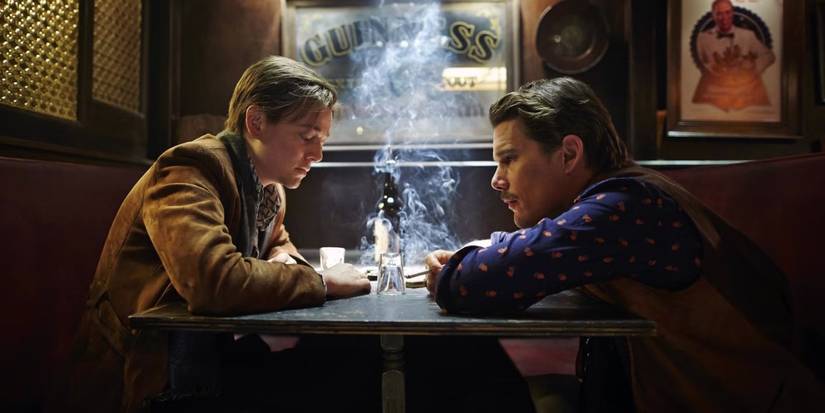 Image via Pinnacle Films
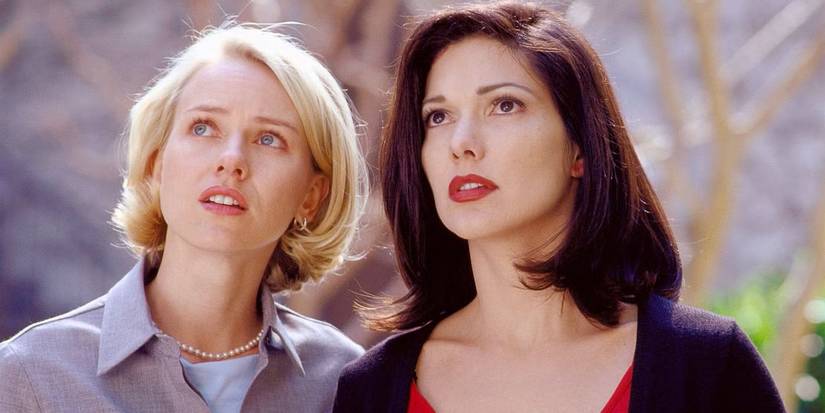 Image via Universal Pictures
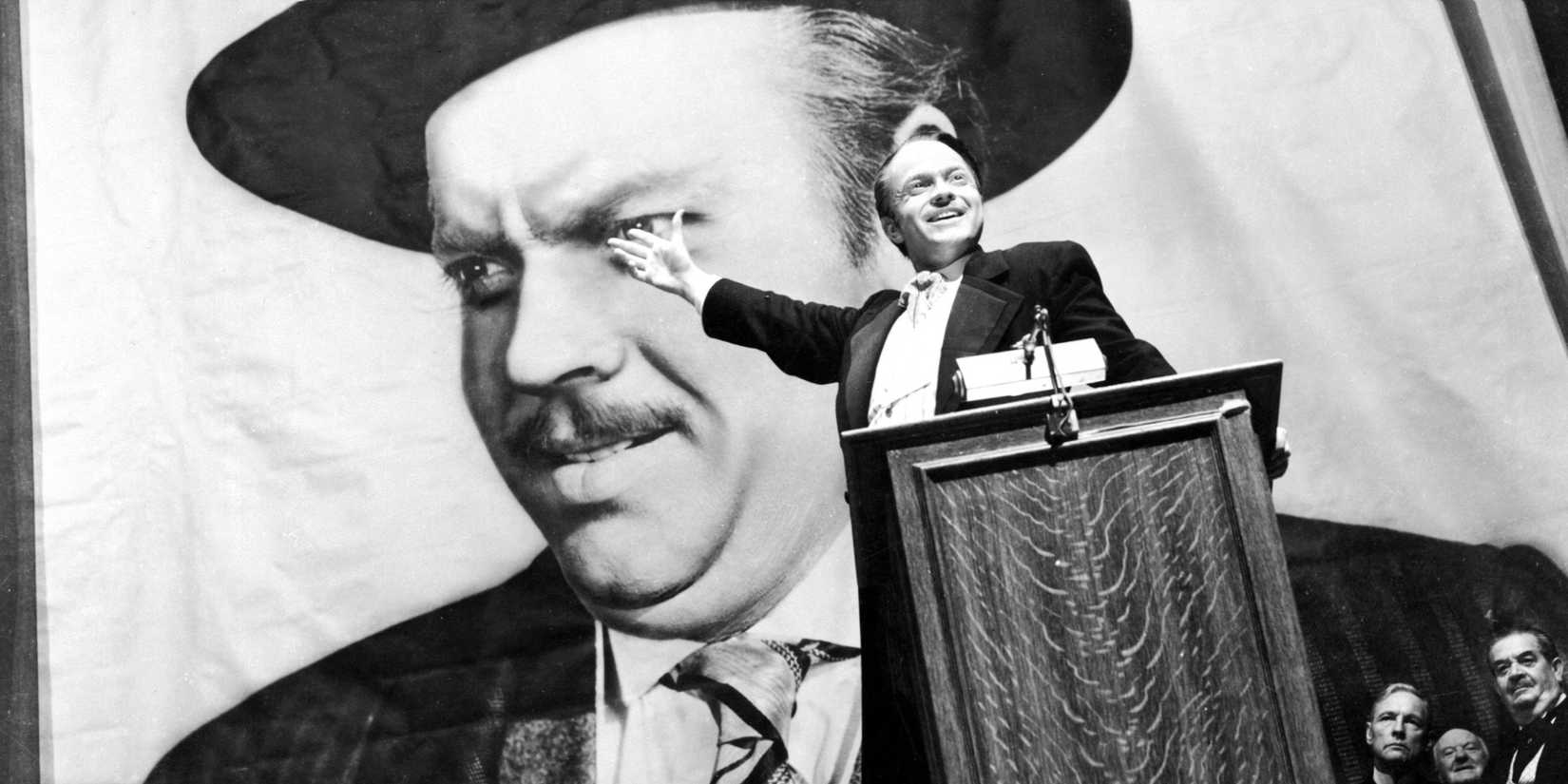 Image via RKO Radio Pictures
 Image via Warner Bros.
 Image via The Criterion Channel
 Image via Paramount Pictures
.jpg?q=49&fit=crop&w=825&dpr=2) Image via New Line Cinema
Image via New Line Cinema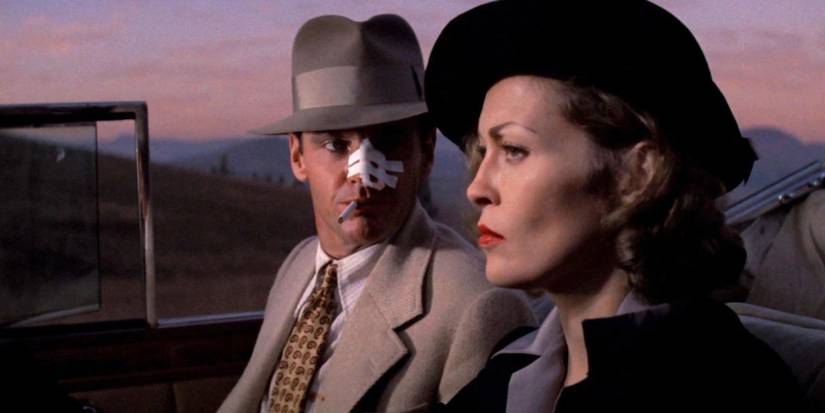 Image via Paramount Pictures







 English (US) ·