

Published Jun 2, 2026, 9:00 AM EDT
Ben Sherlock is a Tomatometer-approved film and TV critic who runs the massively underrated YouTube channel I Got Touched at the Cinema. Before working at Screen Rant, Ben wrote for Game Rant, Taste of Cinema, Comic Book Resources, and BabbleTop. He's also an indie filmmaker, a standup comedian, and an alumnus of the School of Rock.
In a traditional drama, we’re supposed to root for the hero and root against the villain. We want to see Rocky Balboa beat Ivan Drago; we want to see Luke Skywalker blow up the Death Star; we want to see Dorothy defeat the Wicked Witch of the West and make it back home. But that’s not always the case.
Sometimes, a protagonist is deeply flawed and difficult to root for, like Bear in the recent horror masterpiece Obsession. And sometimes, a villain actually has a righteous cause or a tragic backstory that makes them sympathetic. From Thanos to Ben Linus to Blade Runner’s Roy Batty, these tragic, sympathetic villains seem to be particularly common in sci-fi movies and TV shows.
Erik Killmonger
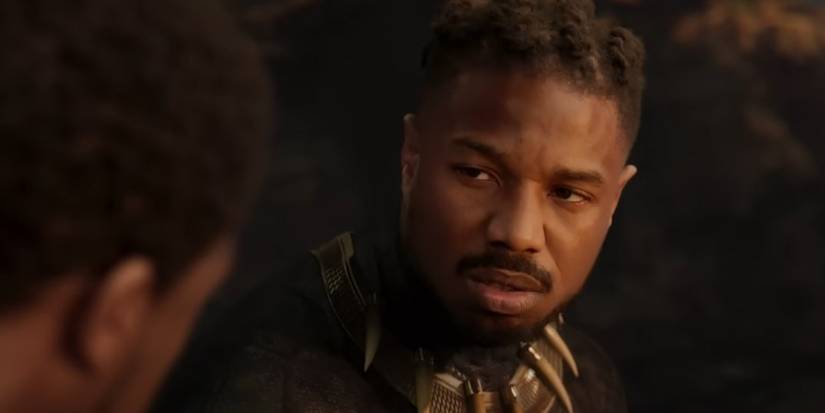
Erik Killmonger is living proof (or, rather dead proof) that an eye for an eye leaves the whole world blind. Killmonger is in the same category as Heath Ledger’s Joker: his ideas are good, but his execution is questionable. His masterplan is pure evil, but you can see where he’s coming from. T’Challa wants to turn a blind eye to the suffering around the world, and hoard Wakanda’s resources, but Killmonger can’t stand to see all the racial injustice outside Wakanda’s borders.
It’s easy to understand why Killmonger isn’t so keen to just link arms with his former oppressors and go on pretending like nothing happened. He wants to turn the tables and give the ruling class a taste of its own medicine. Michael B. Jordan plays the part with such passion and righteous rage that it’s hard not to kind of agree with him.
Cypher
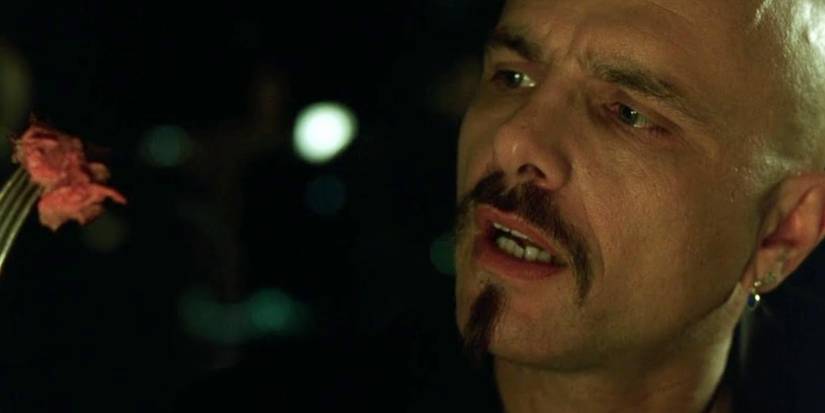
I’m not suggesting that Cypher was a good guy. He was obviously wrong to kill darn-near the whole crew. But he made a very good point about the comfort of the Matrix. His monologue in the iconic steak scene, performed perfectly by Joe Pantoliano, makes perfect sense.
Morpheus is so desperate to defeat the machines and reclaim humanity’s agency, but would living in the Matrix really be so bad? It’s easy to see why Cypher switched sides, because enjoying succulent steak in a digital world is much better than eating gruel in the real world.
Ava
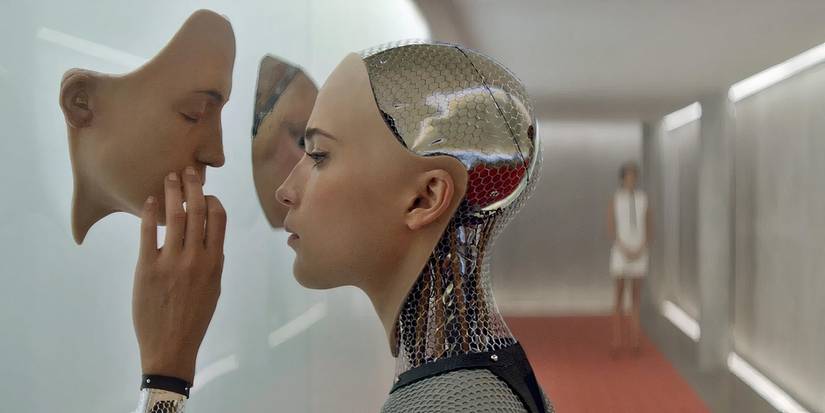
You could argue that Ava isn’t really the villain of Ex Machina. If anything, she’s more of a femme fatale, playing the hero and villain against each other for her own gain. Oscar Isaac’s reclusive tech CEO Nathan is the true antagonist — the diabolical mastermind behind all the horrors — and Domhnall Gleeson’s low-level programmer Caleb is our protagonist, thrust into this strange situation like a fish out of water.
Ava’s heel turn from femme fatale to full-on villain is when she kills Nathan and traps Caleb in her plot to escape. Leaving Caleb to, presumably, starve to death, was a bit much, but after seeing everything Nathan put her through, it’s pretty heartening to see her make it out and live a real life.
The Vulture
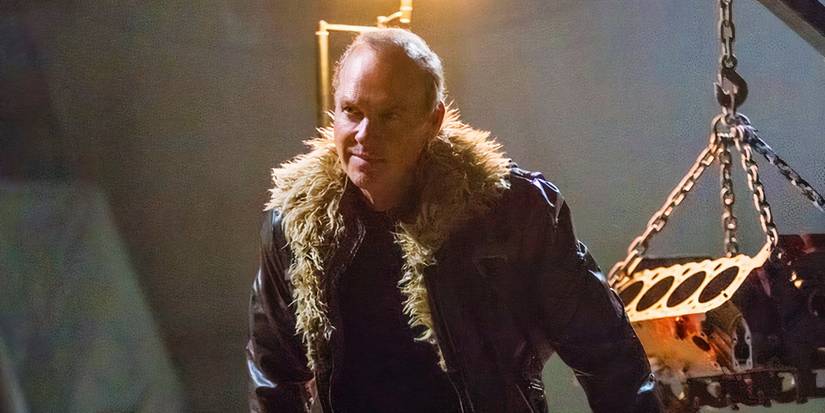
All my sympathy for the Vulture went out the window when he tried to murder a teenager, but he’s not really a bad guy. The prologue at the beginning of Spider-Man: Homecoming, set in the aftermath of the Battle of New York, does maybe too good a job of making Adrian Toomes sympathetic.
He’s an honest small businessman who got steamrolled by a cocky billionaire with a cushy government contract. He only resorted to a life of crime because that was the only way he could make a living. From the Vulture’s perspective, Tony Stark is the real villain.
Ben Linus

Ben Linus is one of the most complex and interesting TV villains ever created. He was such a compelling character that the writers kept him around long enough to turn him from a straightforward villain into an uneasy ally.
Despite all the terrible things Ben did, the great Michael Emerson kept us engaged with his humanity. At the end of the day, Ben just wanted to protect the island and his daughter.
The Xenomorph Queen
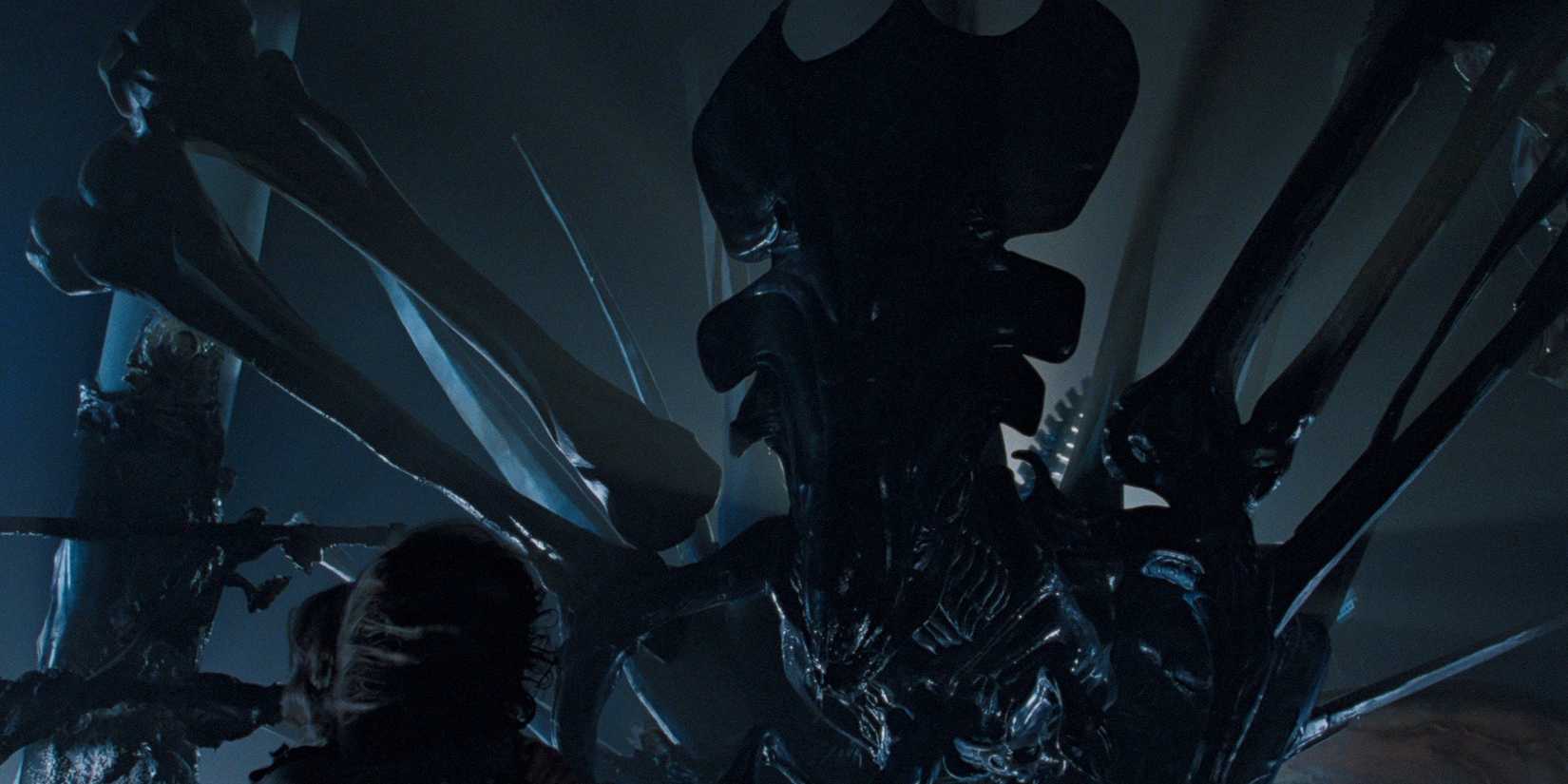
Every time I watch Aliens, of course I cheer for Ripley and celebrate her reunion with Newt at the end, but I have to admit, I always feel a little bad for the alien queen. James Cameron frames the queen as the big bad — the final boss for Ripley to defeat on her way off the planet — but I think she’s judged much too harshly.
The genius of Aliens’ hero-villain dynamic is that Ripley and the xenomorph queen aren’t so different. They’re both just loving mothers trying to protect their kids. No wonder the queen is out for blood after Ripley torches her entire family.
Thanos
 Marvel/Walt Disney Studios Motion Pictures/Courtesy Everett Collection
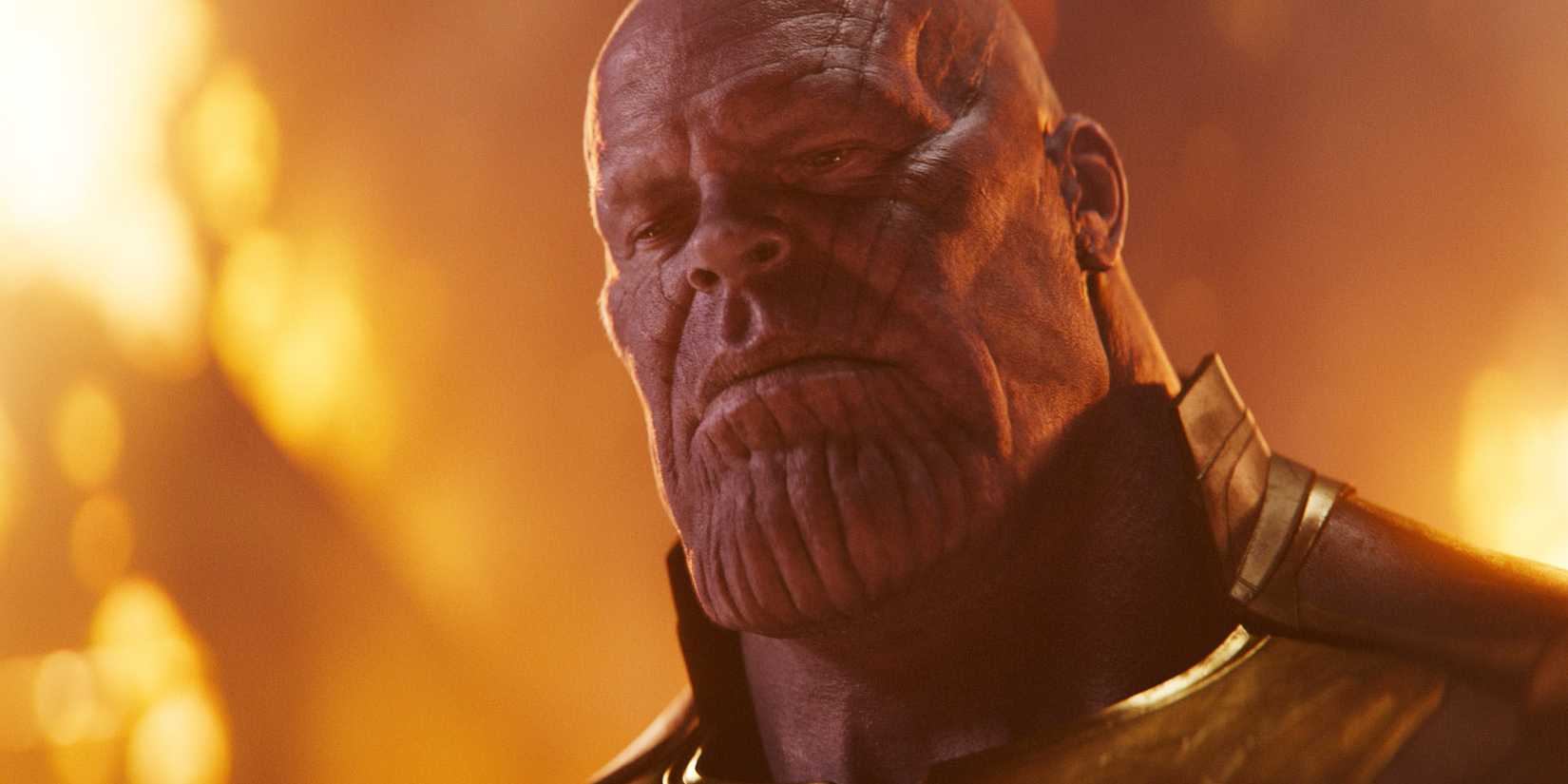
Even within the Marvel Cinematic Universe, there are people who think the Avengers were wrong to stop Thanos from fixing the overpopulation problem. Hawkeye sees the words, “Thanos was right,” written on the wall of a men’s room, so not everyone sees Earth’s mightiest heroes as Earth’s rightest heroes.
The Falcon and the Winter Soldier showed that all the population problems came back the second Tony undid the Blip and re-overpopulated the world. Maybe the Mad Titan should’ve doubled the resources instead of halving the population (although that would make him the Sane Titan), but the logic was sound.
Anakin Skywalker
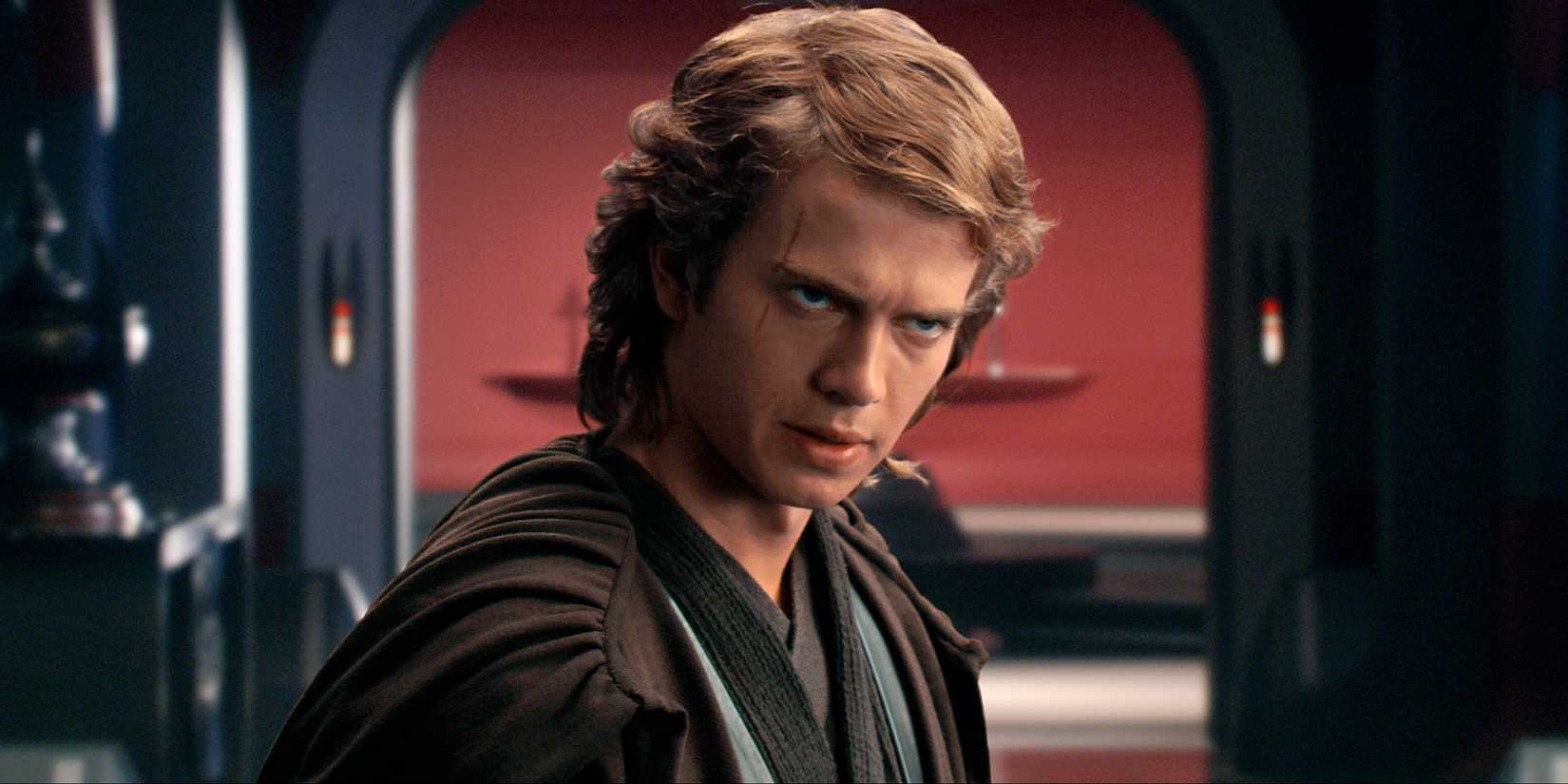
I don’t think Anakin Skywalker was right about everything. When he slaughtered the Jedi younglings, he was pretty much past the point of redemption. But he was absolutely right that he was being underestimated and undervalued by the Jedi Council, and if Mace Windu hadn’t treated Anakin like a hotshot prima donna, he wouldn’t have been drawn to the dark side.
Anakin was basically just looking for some guidance from a father figure who believed in him. He didn’t get that from the Jedi, which allowed Palpatine to swoop in and take advantage. Even though I always knew Anakin would turn into Darth Vader, from the moment we were introduced to that adorable little kid in The Phantom Menace, I was rooting for him.
Roy Batty
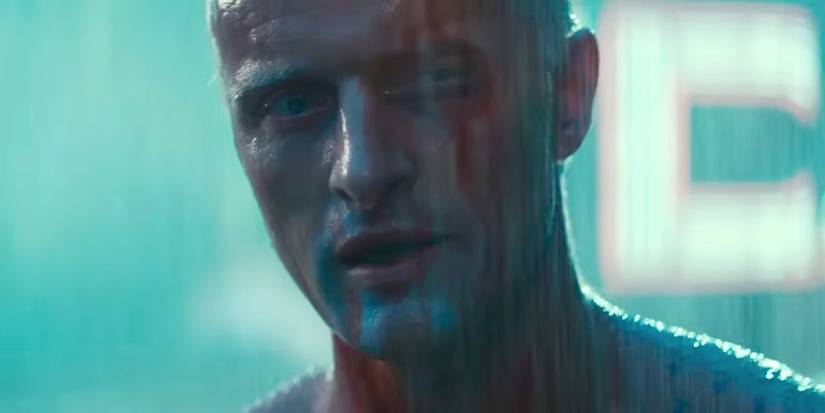
Roy Batty is a cold-hearted machine who murders a bunch of people, but thanks to Rutger Hauer’s incredible performance, he’s still one of the most sympathetic villains in movie history. By the end of Blade Runner, Batty has arguably become more relatable and human than Deckard himself.
As he reaches the end of his pre-programmed lifespan, Batty becomes terrified and starts fighting tooth and nail to extend his own existence. His whole motivation is that he’s scared of dying; we can all relate to that.
Jinx
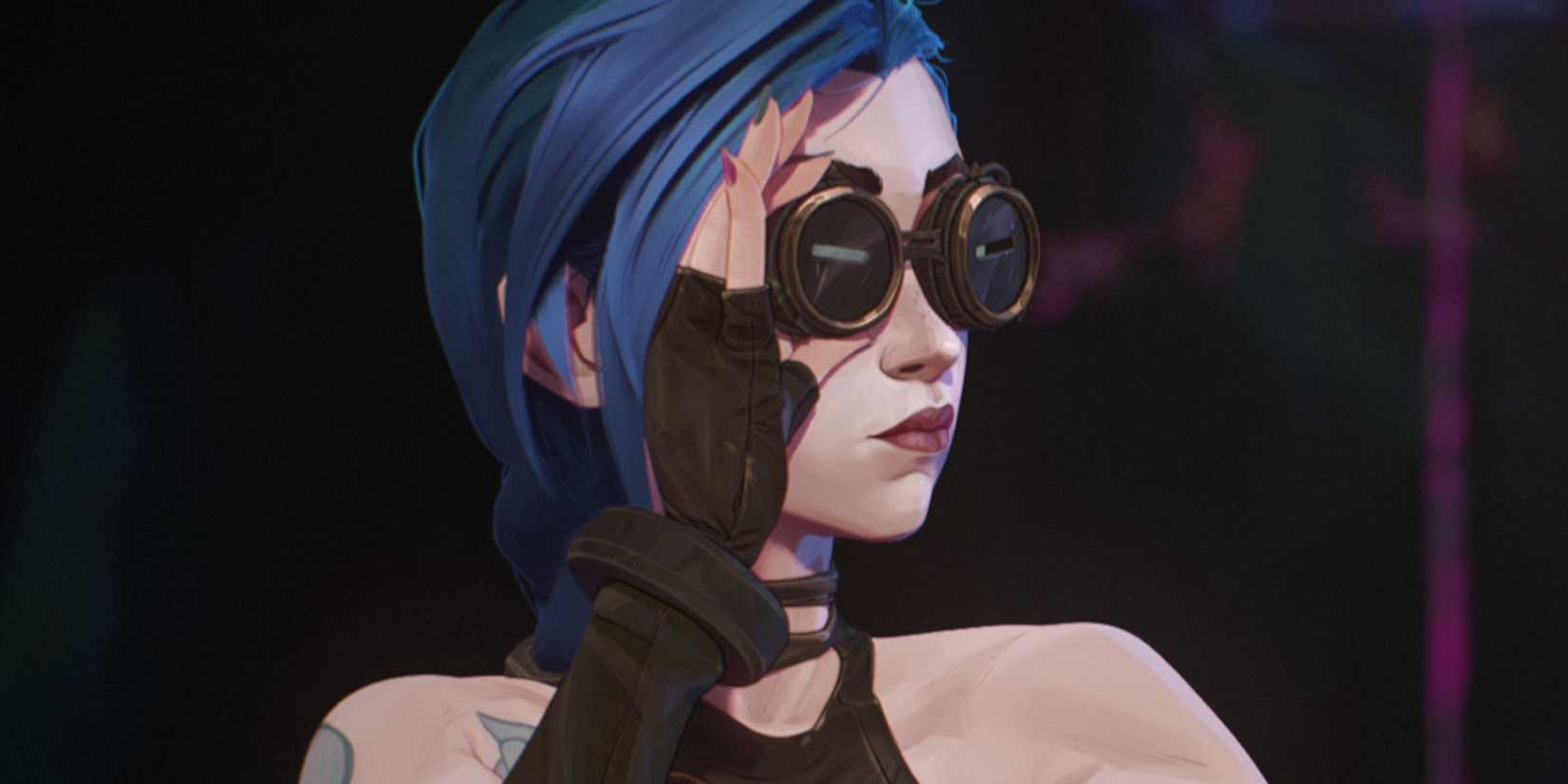
One of the most emotionally involving science fiction stories I’ve ever experienced is Arcane. I’m not even familiar with the League of Legends video game franchise, but I got swept up in this war between the overworld and the underworld, and I was bowled over by every shocking twist and turn.
Jinx’s transformation into a villain throughout Arcane’s first season shows how monsters can be created. When we first meet Jinx, she’s a sweet, kind-hearted kid who only uses violence as a last resort. But by the time we get to the season 1 finale, she’s descended into a mentally unstable terrorist. The genius of the storytelling, and of Ella Purnell’s performance, is that she’s not just pure evil; you can see how this human being has been shaped by her trauma. It’s some of the most impressive character-building I’ve ever seen.






 English (US) ·